



Quick summary
Ferula assa-foetida L. / Asafoetida, commonly known as asafoetida or hing, is a robust perennial herb of the Apiaceae family, native to the dry steppes and mountains of Iran and Afghanistan. Its thick root yields an oleo-gum-resin with an extremely strong smell, which has been used for centuries as a spice, above all…
Main caution: Warning: asafoetida is contraindicated in babies and young children. Methemoglobinemia, a condition in which the blood loses its ability to carry oxygen, has been reported in an infant who was given a home remedy of…
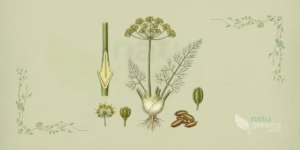
Ferula assa-foetida L. / Asafoetida, commonly known as asafoetida or hing, is a robust perennial herb of the Apiaceae family, native to the dry steppes and mountains of Iran and Afghanistan. Its thick root yields an oleo-gum-resin with an extremely strong smell, which has been used for centuries as a spice, above all in India, and as a remedy in the traditional medicines of Asia.

The reference use of asafoetida is culinary: a pinch gives lentil and vegetable dishes a flavor reminiscent of sautéed onion and garlic. Its digestive and antispasmodic uses are traditional and still under study. One warning, however, has to come before any other: asafoetida should not be given to babies and young children, because methemoglobinemia, a serious toxic condition of the blood, has been reported in an infant treated with a home remedy made from the resin.
Popular and International Names of Asafoetida
- Danish: dyvelsdræk.
- Dutch: duivelsdrek.
- English: asafoetida.
- French: ase fétide.
- German: Asant, Teufelsdreck.
- Hindi: hing, also used as a trade name.
- Italian: assafetida.
- Norwegian: dyvelsdrekk.
- Polish: asafetyda.
- Portuguese: assa-fétida, hing.
- Spanish: asafétida.
- Swedish: dyvelsträck.
Botanical Synonyms of Asafoetida
The accepted name of the species is Ferula assa-foetida L. It is important not to confuse it with Ferula foetida (Bunge) Regel, which is a separate accepted species rather than a synonym, even though it also yields asafoetida.
- Peucedanum assa-foetida (L.) Baill.
- Scorodosma assa-foetida (L.) H.Karst.
A Resin from Several Species
The asafoetida sold commercially does not come from a single plant. The resin is collected from several Ferula species, among them Ferula foetida, Ferula narthex and Ferula assa-foetida itself, which is cultivated and harvested mainly in Iran. As a result, the composition of the product varies with its origin.
Botanical Family: Apiaceae
Asafoetida belongs to the Apiaceae family, formerly called Umbelliferae, which also includes carrot, parsley, celery, fennel and cumin. Plants in this family have small flowers grouped in umbels and tend to be rich in aromatic oils and coumarins.
The genus Ferula comprises about 180 species of large herbs, many of which produce aromatic resins. Some of them are dangerous: giant fennel (Ferula communis), from the Mediterranean, is toxic, with anticoagulant compounds that cause hemorrhages in animals that eat it, and it must not be confused with asafoetida.
Parts of Asafoetida Used
- Oleo-gum-resin exuded from the root and the base of the stem
Ethnobotanical and Traditional Uses of Asafoetida
- Spice (reference culinary use, in pinches)
- Gas and sluggish digestion (traditional use, under study)
- Digestive cramps in adults (traditional use, under study)
- Cough and phlegm (traditional record)
- Menstruation (traditional record as an emmenagogue, which is why it is contraindicated in pregnancy)
A folk use for infant colic exists, but it must be explicitly discouraged because of the risk of methemoglobinemia in infants. The other records document tradition and are not equivalent to proven efficacy.
Medicinal Properties of Asafoetida
- Antimicrobial (activity observed in the laboratory)
- Antioxidant (observed in laboratory assays)
- Antispasmodic (traditional use; under study in the laboratory and in small studies)
- Carminative (traditional use for gas)
Most research on asafoetida has been carried out in the laboratory and in animals, and the few studies in people are small. Effects on blood clotting and blood pressure observed in the laboratory are not indications for use but reasons for caution with medications. Activities described in cells, such as effects on tumors, remain in the realm of basic research.
Detailed Phytochemical Profile of Asafoetida
- Ferulic acid
- Gum
- Monoterpenes from the volatile oil
- Organosulfur compounds (disulfides and trisulfides)
- Resin (asaresinotannols)
- Sesquiterpene coumarins
- Umbelliferone
The sulfur compounds, relatives of those found in garlic and onion, account for the strong smell of the raw resin and for the flavor reminiscent of sautéed onion that it takes on once cooked. Coumarins are among the compounds studied for a possible effect on platelet aggregation, which explains the caution with anticoagulants.
Preparation and Administration Forms of Asafoetida
- Compounded powder (hing powder), with the resin diluted in flour and gum
- Pure resin, in lumps, grated just before use
The hing powder sold in shops is almost always diluted with wheat or rice flour. People with celiac disease should check the label and choose only products declared gluten-free. Both the resin and the powder should be kept in a tightly closed jar because of the smell.
Synergy with Other Medicinal Plants
Turmeric
In Indian cooking, asafoetida and turmeric (Curcuma longa) appear together in the tempering for lentils and vegetables, heated in oil at the start of cooking. It is a flavor pairing, traditional and safe in culinary amounts, and there are no studies on any medicinal effect of the combination.
Ginger
Ginger (Zingiber officinale) rounds out the same tempering in many legume dishes that are traditionally associated with lighter digestion. Here, too, the use is culinary rather than therapeutic.
Recipes and Usage Protocols of Asafoetida
Simple Dal with Asafoetida
Ingredients: 1 cup of red lentils, 3 cups of water, 1 tablespoon of oil or ghee, 1 teaspoon of cumin seeds, a small pinch of asafoetida powder, half a teaspoon of turmeric, 1 chopped tomato and salt.
Preparation: cook the lentils in the water until they break down. Separately, heat the oil, fry the cumin briefly, add the pinch of asafoetida for a few seconds and then the turmeric and the tomato. Pour this tempering over the lentils, adjust the salt and serve with rice. If you are cooking for people with celiac disease, use certified gluten-free asafoetida.
How Much to Use Day to Day
In the kitchen, asafoetida is used in tiny pinches and always heated in fat before it goes into the dish. Larger amounts, typical of medicinal use, have no established safe dose for home use and cause belching, diarrhea, headache and stomach irritation.
The preparations above follow traditional records and do not replace professional advice. Before any internal use, review the contraindications and interactions described in this article.
Associated Therapies of Asafoetida
Ayurveda
In Ayurvedic medicine, asafoetida is traditionally used for gas, bloating and poor digestion. These are concepts of the traditional system, without equivalent clinical proof.
Unani Medicine
Asafoetida is also part of Unani medicine, with traditional uses for digestive and respiratory complaints.
Conservation of the Species
The resin is harvested by cutting the roots of wild plants, often in a destructive way, which threatens native populations in Iran and Afghanistan. There are efforts to cultivate the plant, but much of the production still depends on collection from the wild.
Contraindications and Side Effects of Asafoetida
Prohibited for Babies and Young Children
Warning: asafoetida is contraindicated in babies and young children. Methemoglobinemia, a condition in which the blood loses its ability to carry oxygen, has been reported in an infant who was given a home remedy of asafoetida for colic and developed shortness of breath and bluish skin a few hours later. Do not use the resin, the powder or homemade preparations for infant colic. If a young child swallows asafoetida and turns bluish or purple, becomes drowsy or has trouble breathing, seek emergency care immediately.
Pregnancy and Breastfeeding
During pregnancy, asafoetida is contraindicated in medicinal amounts because of its traditional use as an emmenagogue and abortifacient. While breastfeeding, it should be avoided beyond culinary pinches.
Bleeding, Surgery and Medications
- Anticoagulants and antiplatelet drugs: the resin contains coumarins and shows antiplatelet activity in the laboratory; people taking warfarin, acetylsalicylic acid (aspirin) or similar drugs should avoid medicinal doses.
- Antihypertensives: it may add to their effect and lower blood pressure too much.
- Bleeding disorders: avoid medicinal use.
- Surgery: stop medicinal doses before any procedure, under the guidance of the medical team.
Stomach
High doses cause belching, diarrhea, headache and gastric irritation. People with gastritis or ulcers should be cautious even with moderate amounts.
Gluten
Hing powder is often diluted with wheat flour. People with celiac disease or gluten sensitivity should use only products labeled gluten-free.
Look-Alike Plants
Do not confuse asafoetida with giant fennel (Ferula communis), which is toxic and contains anticoagulant compounds that cause hemorrhages in animals.
Historical Notes and Interesting Facts about Asafoetida
Devil's Dung
The name comes from the Persian azā, resin, and the Latin foetidus, fetid. Because of its smell, it earned the nickname "devil's dung" in several languages, as in the German Teufelsdreck and the Dutch duivelsdrek.
The Shadow of Silphium
In antiquity, asafoetida was used as a substitute for silphium, a resin highly prized by the Greeks and Romans that disappeared from trade. The two should not be confused: the botanical identity of silphium remains uncertain, and asafoetida is a different plant.
A Seasoning without Garlic and Onion
In India, asafoetida is used by Jains and by some Hindu traditions that avoid garlic and onion, because its cooked flavor recalls both.
Frequently Asked Questions about Asafoetida
Can Asafoetida Be Used for Infant Colic?
No. Asafoetida is contraindicated in babies and young children, and methemoglobinemia has been reported in an infant treated with a home remedy made from the resin. Infant colic should be assessed by a pediatrician.
Does Asafoetida Have a Strong Smell?
Yes, a very strong one, but the smell mellows with cooking and gives a flavor reminiscent of sautéed onion and garlic.
Does Asafoetida Help Digestion?
This is a traditional use, linked to the seasoning of legumes, and it is under study. In culinary pinches, it is safe for adults without contraindications. Larger doses can irritate the stomach.
Does Hing Powder Contain Gluten?
It often does, because the resin is usually diluted with wheat flour. People with celiac disease should choose products labeled gluten-free.
Can People on Anticoagulants Use Asafoetida?
Occasional culinary pinches are the reference use, but medicinal doses should be avoided, because the resin contains coumarins and shows antiplatelet activity in the laboratory. Talk to your doctor.
Can Asafoetida Replace Garlic and Onion?
In the kitchen, yes: it is used as a substitute in traditions and diets that avoid these ingredients, such as the Jain diet.
Notice: this content is for informational purposes and does not replace professional medical advice. Consult a physician or herbal practitioner before using medicinal plants, especially during pregnancy, breastfeeding, or alongside medication.
How to cite this article
NATUGREENS. Asafoetida (Ferula assa-foetida): Uses and Precautions. Natugreens, 20 Nov. 2026. Disponível em: https://natugreens.com/ferula-assa-foetida-asafoetida/. Accessed: Nov. 20, 2026.
Natugreens. (2026). Asafoetida (Ferula assa-foetida): Uses and Precautions. Natugreens. https://natugreens.com/ferula-assa-foetida-asafoetida/
References and Scientific Studies
- DOI2012 Mahendra P, Bisht S. (2012). Ferula asafoetida: Traditional uses and pharmacological activity. Pharmacognosy Reviews, 6(12), 141-146. Review of traditional uses and pharmacological studies, mostly preclinical. ↗
- DOI2017 Amalraj A, Gopi S. (2017). Biological activities and medicinal properties of Asafoetida: A review. Journal of Traditional and Complementary Medicine, 7(3), 347-359. Review of composition and biological activities. ↗
- DOI2011 Iranshahy M, Iranshahi M. (2011). Traditional uses, phytochemistry and pharmacology of asafoetida (Ferula assa-foetida oleo-gum-resin): a review. Journal of Ethnopharmacology, 134(1), 1-10. Review of the chemistry and pharmacology of the resin. ↗
- DOI1984 Kelly KJ, et al. (1984). Methemoglobinemia in an infant treated with the folk remedy glycerited asafoetida. Pediatrics, 73(5), 717-719. Report of methemoglobinemia in an infant after a home remedy of asafoetida. ↗
You May Also Like
Take your time and tell us everything you think, details included. Every response is read by someone on our editorial team and goes into the article's revision. An honest critique helps us more than a polite compliment.
Take your time and tell us everything you think, details included. Every response is read by someone on our editorial team and goes into the article's revision. An honest critique helps us more than a polite compliment.