Quick summary
Davana (Artemisia pallens Wall. ex DC.) is an aromatic herb of the genus Artemisia, in the Asteraceae family, native to southern India, where it is grown commercially for its fragrant leaves and flowers. The main and best-documented use of davana is in perfumery and aromatherapy, since the essential oil distilled from…
Main caution: Davana (Artemisia pallens) must not be confused or mixed up with Artemisia annua (sweet wormwood) or Artemisia absinthium (wormwood), which belong to the same genus but have completely different uses and risks…
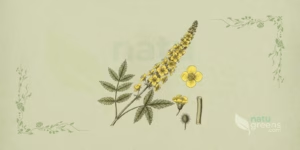
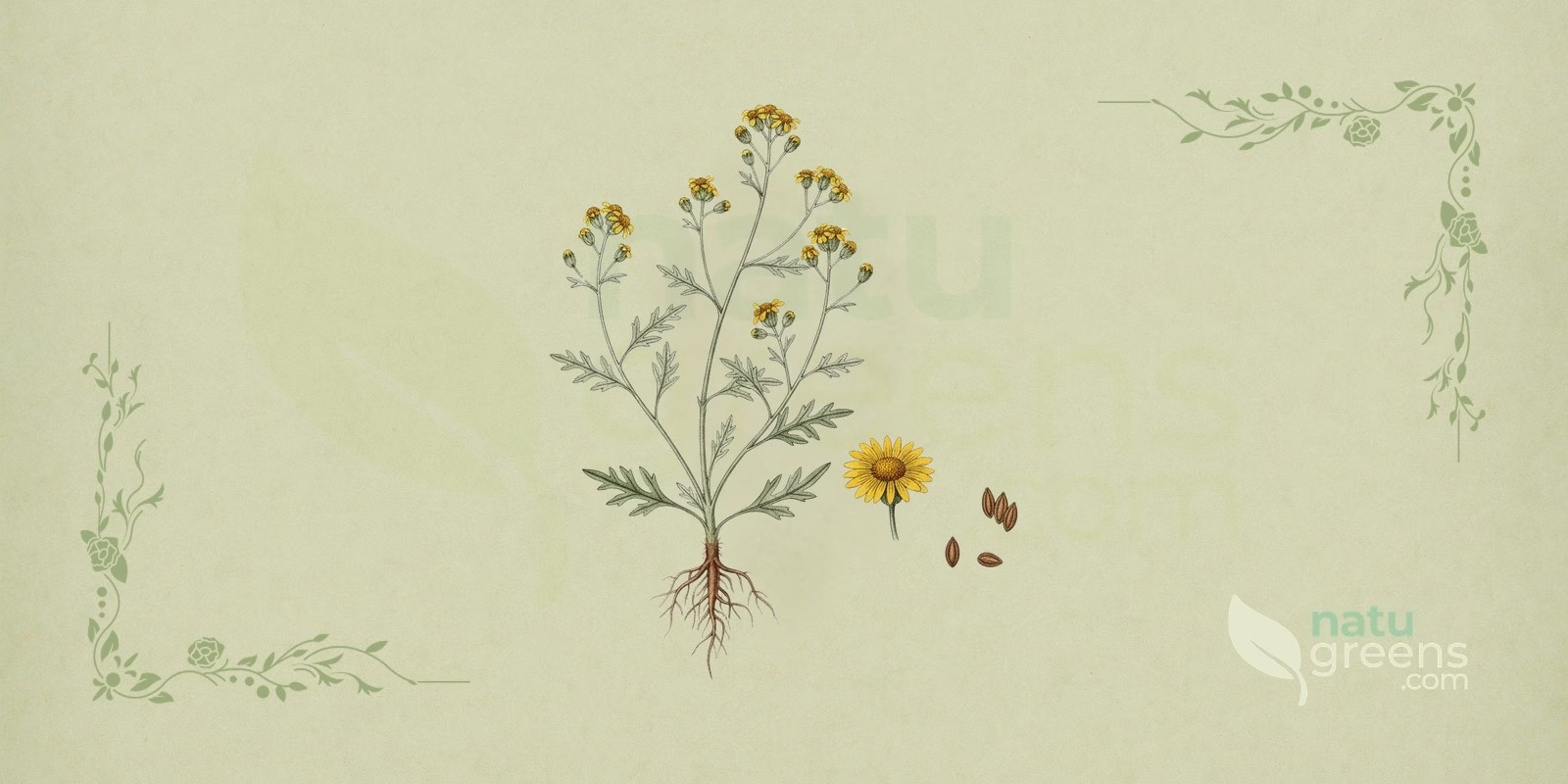
Davana (Artemisia pallens Wall. ex DC.) is an aromatic herb of the genus Artemisia, in the Asteraceae family, native to southern India, where it is grown commercially for its fragrant leaves and flowers. The main and best-documented use of davana is in perfumery and aromatherapy, since the essential oil distilled from the flowering aerial parts goes into perfumes, incense and personal care products, and the flowers are traditionally offered in religious rituals. Ayurvedic medicine and Indian folk tradition also record uses of the plant for digestive, respiratory and metabolic complaints, but these uses have not been confirmed in clinical studies, and the data on blood sugar come only from preliminary animal studies. The aroma and much of the scientific interest in the species are due to davanone, davana ethers and other sesquiterpenes present in the oil.
Popular and International Names of Davana
- English: davana.
- French: davana.
- German: Davana.
- Italian: davana.
- Portuguese: artemísia-pálida, davana.
- Spanish: davana.
- Kannada: ದವನ (davana).
- Marathi: दवणा (davana).
- Sanskrit: दमनक (damanaka).
- Tamil: மரிக்கொழுந்து (marikolunthu), தவணம் (davanam).
Botanical Synonyms of Davana
Artemisia pallens Wall. ex DC. is the accepted botanical name for the species, described from material from southern India and associated with the names of Nathaniel Wallich and Augustin Pyramus de Candolle. Some older works record the plant under other names, now treated as historical synonyms and practically absent from recent literature. Because the genus Artemisia includes hundreds of species with very different chemistry and risks, checking the full binomial is essential when buying essential oil or plant material.
- Artemisia absinthii B.Heyne ex Hook.f.
- Artemisia orientalis Herb.Madr. ex DC.
- Artemisia paniculata Roxb.
Botanical Family: Asteraceae
The Asteraceae family, also known as Compositae, is one of the largest and most diverse families of flowering plants, with more than 32,000 species in about 1,900 genera. Its characteristic feature is the flower head, in which dozens of small flowers cluster to form a structure that looks like a single flower, and its members include plants of great food, economic and medicinal importance, such as sunflower, lettuce and calendula. Davana shares these traits, with small yellowish flower heads, as well as the bioactive compounds typical of the family, such as sesquiterpene lactones and flavonoids. This kinship has a practical consequence, because people allergic to other Asteraceae may react to davana.
Parts of Davana Used
- Essential oil (from the flowering aerial parts)
- Flowers
- Leaves
Ethnobotanical and Traditional Uses of Davana
- Essential oil in perfumes, incense and aromatherapy.
- Flowers in garlands and religious offerings.
- Traditionally recorded for anxiety and stress.
- Traditionally recorded for asthma, colds, cough and respiratory congestion.
- Traditionally recorded for diabetes and high blood pressure (not proven in humans).
- Traditionally recorded for digestive problems such as indigestion and nausea.
- Traditionally recorded for measles.
- Traditionally recorded for menstrual cramps and menopausal symptoms.
- Traditionally recorded for wounds and skin infections.
Therapeutic Properties of Davana
- Anthelmintic (traditional record)
- Anti-inflammatory (observed in cells and in rats with experimental arthritis)
- Antimicrobial (essential oil activity in laboratory studies)
- Antioxidant (attributed to phenols and flavonoids in in vitro assays)
- Antipyretic (traditional record)
- Antispasmodic (traditional record for cramps)
- Anxiolytic (traditional record, no clinical studies)
- Emmenagogue (traditional record, a reason to avoid it in pregnancy)
- Expectorant (traditional record in inhalations)
- Hypoglycemic (preliminary studies in rats, no demonstrated efficacy in humans)
- Wound-healing (traditional record of topical use)
Detailed Phytochemical Profile of Davana
Davana essential oil has a highly characteristic composition, dominated by davanone, mainly in the form of cis-davanone, accompanied by davana ethers, davana furan, 2-hydroxyisodavanone and compounds such as linalool, ethyl cinnamate, methyl cinnamate, geranyl acetate, bicyclogermacrene, eugenol and farnesol. Sesquiterpene lactones have been isolated from the aerial parts, including germacranolides described for the first time in the species, along with phenols and flavonoids to which the antioxidant activity observed in the laboratory is attributed. Studies with the oil and with cis-davanone showed inhibition of inflammatory cytokines in cells, and sesquiterpenoids isolated from the plant have been tested in experimental models of neurodegeneration in worms, but all these results are preliminary and do not translate into any indication for medicinal use.
- 2-Hydroxyisodavanone
- Bicyclogermacrene
- Davana ether
- Davana furan
- Davanone (cis-davanone)
- Ethyl cinnamate
- Eugenol
- Farnesol
- Geranyl acetate
- Germacranolides
- Linalool
- Methyl cinnamate
- Sesquiterpene lactones
Preparation and Administration Forms of Davana
- Creams and ointments (topical use)
- Essential oil (only diluted topical use, inhalation or diffusion)
- Extracts (fluid and dry, use guided by a professional)
- Infusion (tea, traditional use)
- Tincture (use guided by a professional)
Synergy with Other Medicinal Plants
Relaxing Aromas with Valerian and Passionflower
In aromatherapy blends and traditional preparations aimed at relaxation, davana is combined with valerian (Valeriana officinalis) and passionflower (Passiflora incarnata), two plants with a long history of use for nervousness and difficulty sleeping. This pairing is traditionally used in moments of tension, with no studies evaluating the combination, and anyone taking sedatives, anxiolytics or antidepressants should talk to their doctor before taking valerian or passionflower, since the effects may add up.
Digestive Infusions with Peppermint and Lemon Balm
Folk tradition pairs davana with peppermint (Mentha × piperita) and lemon balm (Melissa officinalis) in infusions traditionally used for poor digestion, gas and mild intestinal cramps. The antispasmodic and carminative effects attributed to the menthol in peppermint and to the phenolic compounds in lemon balm would complement the folk use of davana, but this blend is a traditional record and does not replace medical evaluation of persistent symptoms.
Topical Use with Calendula and St. John's Wort
In preparations for external use, davana is combined with calendula (Calendula officinalis) and St. John's wort (Hypericum perforatum) in oils and ointments traditionally applied to minor irritations and scrapes. The pairing rests on the topical history of calendula and hypericum oil, with no studies of the blend, and should be limited to intact skin or superficial lesions, because St. John's wort can cause photosensitivity and, taken orally, interacts with many medicines.
Recipes and Usage Protocols of Davana
Traditional Leaf and Flower Infusion
A preparation from Indian folk tradition, traditionally taken after meals or in the evening as an aromatic, relaxing drink.
Ingredients: dried davana leaves and flowers, boiling water and honey (optional).
Preparation: In the traditional method, the leaves and flowers are placed in a cup, covered with freshly boiled water and left covered for a few minutes before straining. Since there is no safety data on regular internal consumption, the amount and frequency should be set with a health professional, and the infusion should not be used during pregnancy, breastfeeding or by children.
Aromatic Essential Oil Inhalation
An aromatherapy use traditionally applied for colds and a blocked nose.
Ingredients: 2 to 3 drops of davana essential oil and a bowl of hot water.
Preparation: Drop the essential oil into the hot water, cover your head with a towel and inhale the steam for 5 to 10 minutes, keeping your eyes closed and a safe distance from the water. Do not use on young children or on people with asthma without guidance, and stop if irritation occurs.
Aromatic Massage Oil
A preparation for external use only, traditionally used in massages on tense, sore muscles.
Ingredients: 5 drops of davana essential oil and 30 ml of a carrier vegetable oil, such as sweet almond or jojoba.
Preparation: Mix the essential oil into the vegetable oil in a dark glass bottle and apply to clean skin, gently massaging the tense areas. Do a patch test on a small area before first use, avoid sun exposure right after application and do not use on open wounds.
The preparations above follow traditional records and do not replace professional guidance. Before any internal use, check the contraindications and interactions described in this article.
Therapies Associated with Davana
Aromatherapy
In aromatherapy, davana essential oil is highly valued for its sweet, fruity and balsamic scent, and it is often used in diffusers and in massages with diluted oil to promote relaxation and a sense of well-being in stressful moments. It also goes into blends traditionally used for mild respiratory complaints and menstrual cramps, besides being a popular component of perfumes and personal care products. The essential oil is not for internal use and must always be diluted before it touches the skin.
Herbal Medicine
In herbal medicine, Artemisia pallens is the subject of research for the anti-inflammatory, antimicrobial and hypoglycemic activities observed in the laboratory and in animals. A 1996 study recorded a drop in glucose in diabetic rats, and recent work has evaluated extracts in rats with experimental arthritis, but these findings are preliminary and do not justify using the plant to treat diabetes, infections or inflammatory diseases. Traditional Ayurvedic use guides the research, and any medicinal use requires professional supervision.
Contraindications and Side Effects of Davana
Species Identity
Davana (Artemisia pallens) must not be confused or mixed up with Artemisia annua (sweet wormwood) or Artemisia absinthium (wormwood), which belong to the same genus but have completely different uses and risks; wormwood, for example, contains thujone, a substance toxic to the nervous system. No information on these species applies to davana, and the scientific name should be checked on the label of oils and herbs.
General Contraindications
Aromatic and cosmetic use of the diluted oil is usually well tolerated, but people sensitive to plants of the Asteraceae family, such as ragweed, chrysanthemum or daisy, are at risk of an allergic reaction. Davana should be avoided during pregnancy because of the lack of safety data and the emmenagogue effect described in tradition, and safety during breastfeeding and in children has not been established either. The essential oil is not for internal use and should only be used in diluted topical application, inhalation or diffusion, never neat on the skin.
Drug Interactions
There are no specific interaction studies for Artemisia pallens. The antidiabetic data come only from preliminary studies in rats, and in this research context it is prudent for people taking antidiabetic drugs not to take extracts of the plant without medical guidance, given the theoretical risk of additive effects. People taking sedatives, anxiolytics or antidepressants who plan to combine davana with calming plants such as valerian and passionflower should also consult their doctor first.
Historical Notes and Interesting Facts about Davana
Cultivation in India
Artemisia pallens is grown mainly in the southern Indian states of Andhra Pradesh, Karnataka, Maharashtra and Tamil Nadu, where the climate favors its growth and the plant has become an important commercial crop for its aromatic qualities. Farmers recognize two distinct morphological types, one short and early-flowering and the other taller and late-flowering, and breeding programs seek to increase essential oil yield.
Religious Offerings
In India, davana flowers are traditionally offered to the god Shiva, especially during religious festivals, and used to decorate altars and make garlands. In some regions the plant is considered sacred, which shows davana's deep cultural and spiritual ties to the traditions of the south of the country.
Perfumery and a Unique Scent
In the perfume industry, davana oil is prized for its sweet, fruity, woody and slightly balsamic scent, often used in fine fragrances to create exotic notes. Perfumers often remark that the oil's scent changes considerably depending on the wearer's skin, a trait that makes it a versatile and intriguing ingredient, and in India it also scents incense used in household and religious ceremonies.
Frequently Asked Questions about Davana
What Is Davana?
Davana is the common name of Artemisia pallens, an aromatic herb of the Asteraceae family native to southern India. Its fragrant leaves and flowers are used in perfumery, religious rituals and traditional medicine, and the plant is grown commercially for its essential oil.
What Is Davana Used For?
The main use of davana is in perfumery and aromatherapy, where the essential oil is used for relaxation and well-being. Traditional Indian medicine also uses it for digestive problems, anxiety and menstrual cramps, but these uses are a traditional record, and the anti-inflammatory and hypoglycemic effects have only been observed in the laboratory or in animals.
Does Davana Have Side Effects?
In aromatic and diluted topical use, davana is usually well tolerated, but it can cause allergies in people sensitive to plants of the Asteraceae family. It should be avoided during pregnancy, and anyone with medical conditions or taking medicines, such as antidiabetics and sedatives, should consult a health professional before any use.
How Is Davana Essential Oil Used?
The essential oil can be used in diffusers, in inhalations or diluted in vegetable oil for massages. It should never be applied neat to the skin or swallowed, because it is highly concentrated and potentially irritating.
What Is the Difference between Davana and Other Artemisias?
Davana is one of the many species of the genus Artemisia and has its own chemical profile and aroma, prized above all in perfumery. It should not be confused with wormwood (Artemisia absinthium), which contains thujone, or with sweet wormwood (Artemisia annua), because these species have completely different uses and risks and no information about them applies to davana.
Can Davana Be Used during Pregnancy?
No. Davana should be avoided during pregnancy because of the lack of safety data and the emmenagogue effect described in tradition, and the same caution applies to breastfeeding. This includes teas, extracts and the use of the essential oil.
Notice: this content is for informational purposes and does not replace professional medical advice. Consult a physician or herbal practitioner before using medicinal plants, especially during pregnancy, breastfeeding, or alongside medication.
How to cite this article
NATUGREENS. Davana (Artemisia pallens): Properties and Benefits. Natugreens, 10 Nov. 2026. Disponível em: https://natugreens.com/davana-artemisia-pallens/. Accessed: Nov. 10, 2026.
Natugreens. (2026). Davana (Artemisia pallens): Properties and Benefits. Natugreens. https://natugreens.com/davana-artemisia-pallens/
References and Scientific Studies
- PMC2024 Ahmad T, et al. Artemisia pallens W. Attenuates Inflammation and Oxidative Stress in Freund's Complete Adjuvant-Induced Rheumatoid Arthritis in Wistar Rats. Diseases. 2024.
- PMC2000 Pujar PP, et al. A new germacranolide from Artemisia pallens. Fitoterapia. 2000.
- PMC2011 Ruikar AD, et al. Studies on aerial parts of Artemisia pallens wall for phenol, flavonoid and evaluation of antioxidant activity. J Pharm Bioallied Sci. 2011.
- PMC2011 Ruikar AD, et al. Sesquiterpene lactone, a potent drug molecule from Artemisia pallens wall with anti-inflammatory activity. Arzneimittelforschung. 2011.
- PMC2021 Singh S, et al. New Insights into the Chemical Composition, Pro-Inflammatory Cytokine Inhibition Profile of Davana (Artemisia pallens Wall. ex DC.) Essential Oil and cis-Davanone in Primary Macrophage Cells. Chem Biodivers. 2021.
Take your time and tell us everything you think, details included. Every response is read by someone on our editorial team and goes into the article's revision. An honest critique helps us more than a polite compliment.
Take your time and tell us everything you think, details included. Every response is read by someone on our editorial team and goes into the article's revision. An honest critique helps us more than a polite compliment.
You May Also Like