Quick summary
Few people picture hemp seed oil in a cold salad or a light serum for dry skin, yet those are exactly the uses where it shows its best side. Pressed from the seed, it carries a fat profile that is rare among cooking oils: plenty of omega-6, a good dose of omega-3 and a touch of gamma-linolenic acid. In this guide you…
Main caution: For most people, hemp seed oil is well tolerated both on the skin and in the diet. The most commonly reported side effects are digestive. In high doses it can cause mild diarrhea, and whole seeds with the hull, eaten in…
Few people picture hemp seed oil in a cold salad or a light serum for dry skin, yet those are exactly the uses where it shows its best side. Pressed from the seed, it carries a fat profile that is rare among cooking oils: plenty of omega-6, a good dose of omega-3 and a touch of gamma-linolenic acid. In this guide you will find what is actually known about the oil, from its chemistry to what to check before buying. Throughout, the line stays clear between what has study support and what is still tradition or label promise.
What Is Hemp Seed Oil
Hemp seed oil is the oil extracted from the seeds of the plant botanically identified as Cannabis sativa L., a species described by Linnaeus in 1753. It belongs to the Cannabaceae family, the same family as the hops used in beer. On store shelves the product is often labeled simply as hemp oil, but hemp seed oil is the more precise name, since it makes clear that the raw material is the seed alone. The oil is liquid at room temperature and ranges from light green to olive green when cold-pressed, with an aroma that recalls nuts and freshly cut grass. Chemically, it is a fixed oil, meaning it is made up mainly of triglycerides, and more than 70% of its fatty acids are polyunsaturated. That places it among the drying oils, which harden into a thin film as they oxidize in contact with air. The same property, in fact, once earned it a place in paints and varnishes.
Origin and History of the Plant
The Plant and Where It Grows
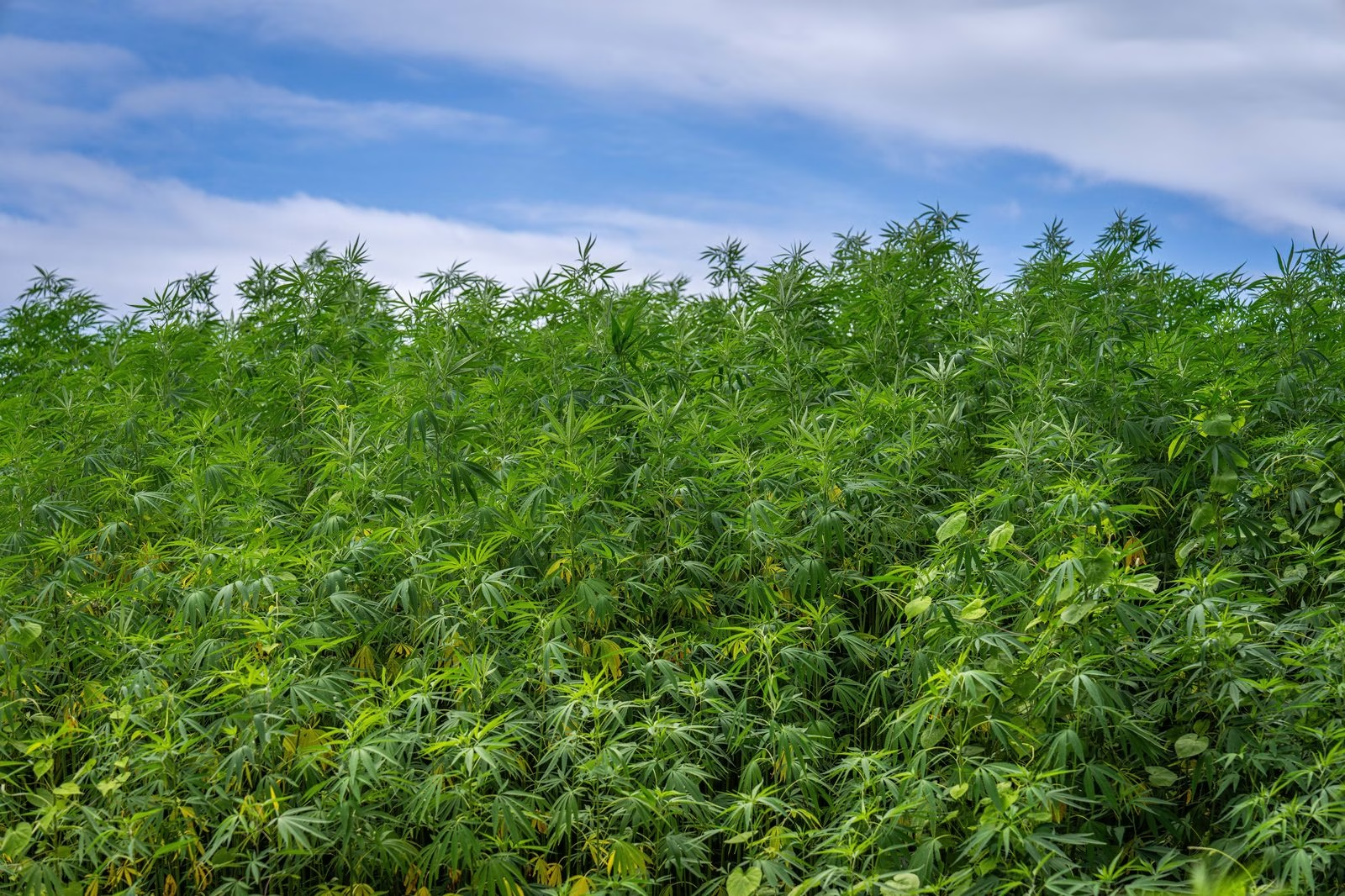
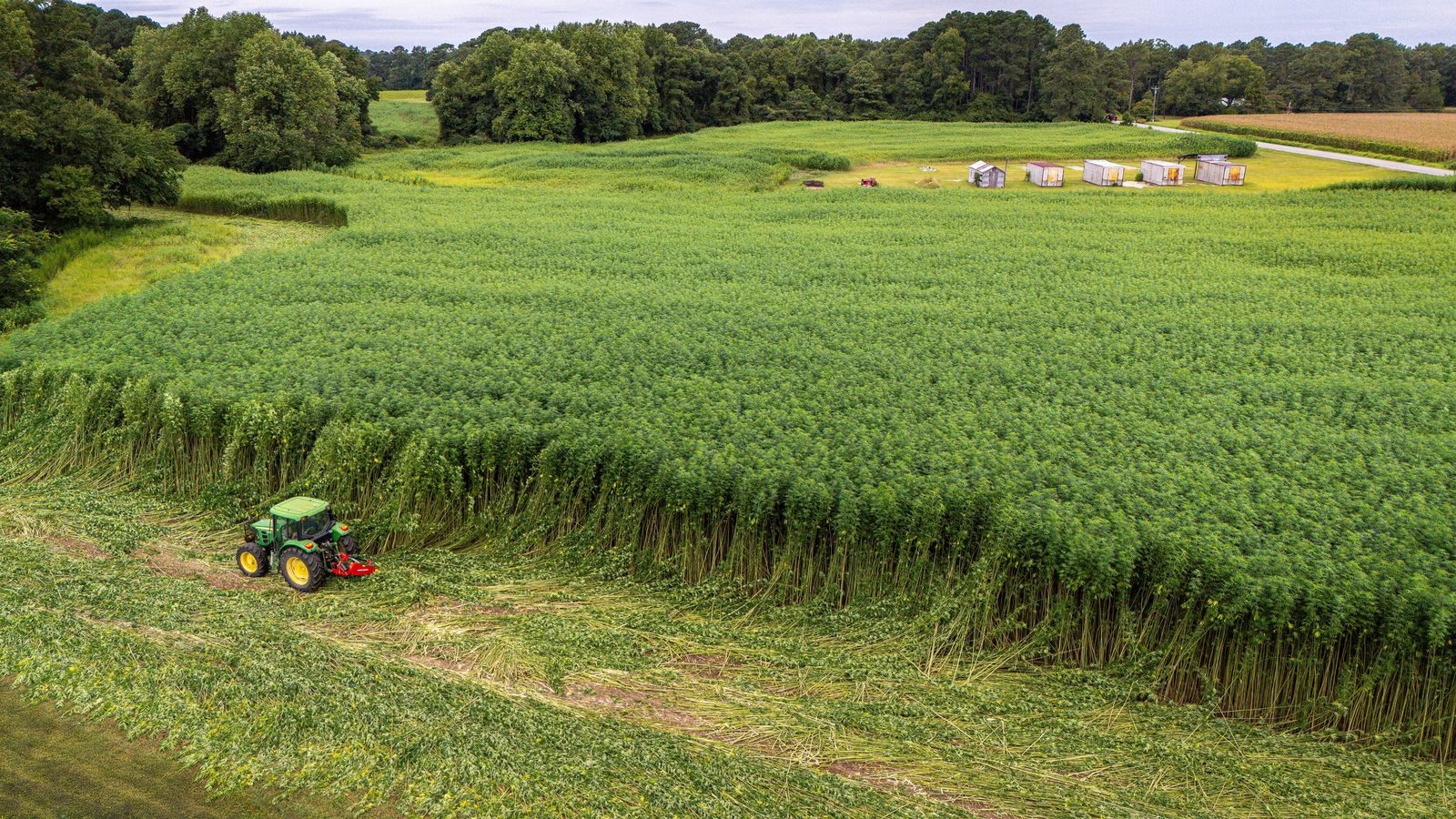
Hemp is a fast-growing annual herb that can reach more than two meters in height. Its taproot draws water and nutrients from deep soil layers, especially in loose ground. The plant was probably first cultivated in the temperate regions of Asia, but today it adapts to very different climates. Fiber varieties grow tall and sparsely branched, planted close together. Seed varieties, by contrast, became shorter and earlier-maturing through breeding, which makes mechanical harvesting easier during short northern summers. Within the European Union, France is by far the leading hemp producer, according to the European Commission.
Historical Records
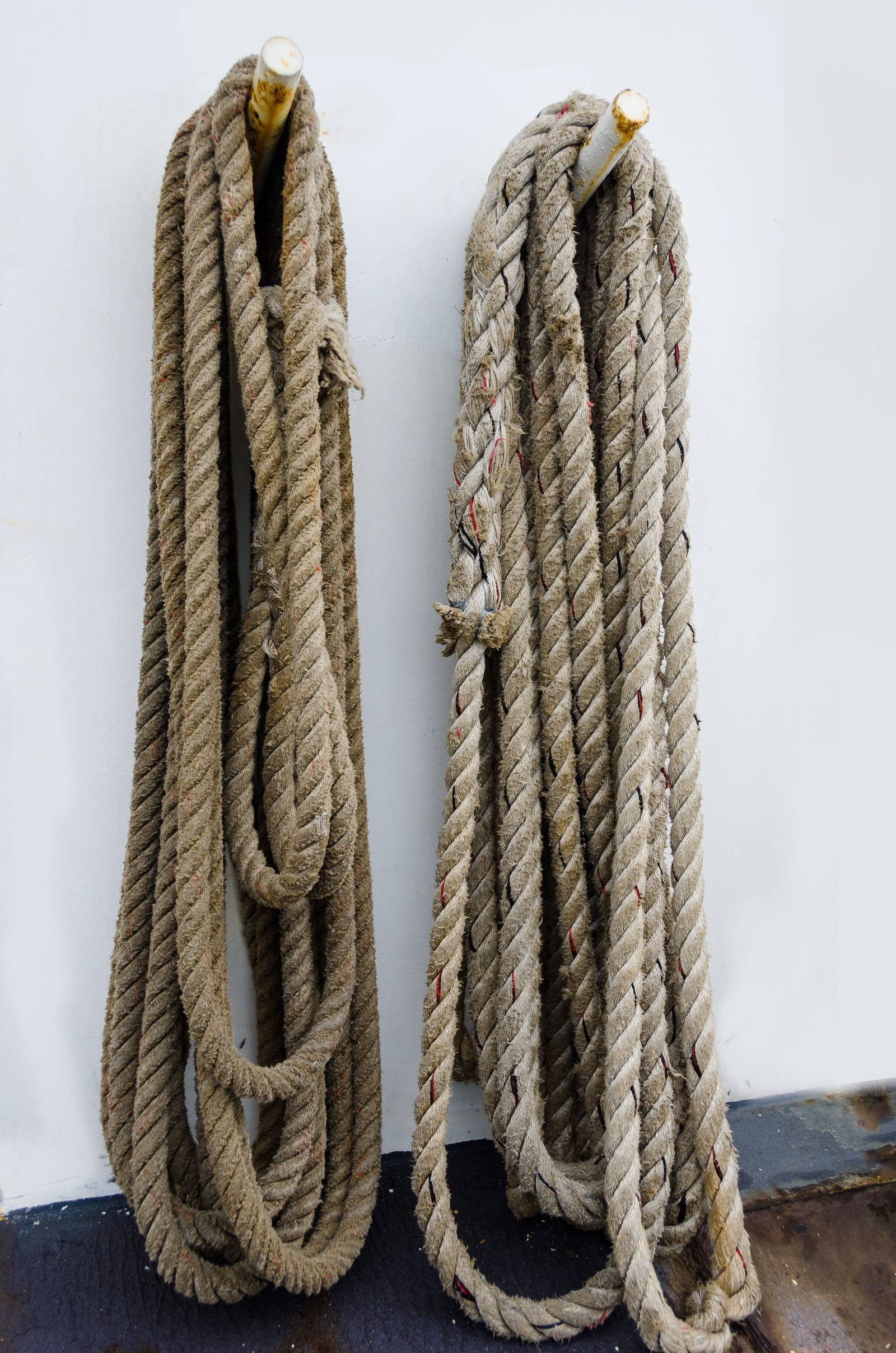
Few plants have been with humanity for so long. There is evidence that people in China were harvesting hemp many thousands of years ago, and remnants of cloth woven from its fiber are among the oldest known. Some of the earliest Chinese paper also had hemp fiber in the pulp. Over time the crop reached western Asia, Egypt and later Europe (Crini et al. 2020), where it became the main source of rope and ship sails until the early nineteenth century. In the Americas, records place its arrival in Chile in 1545 and in Acadia, in present-day Canada, in 1606 (Small and Marcus 2002). All the while, the seed kept circulating as food for people and animals, and the oil followed the same path to peasant tables.
How Hemp Seed Oil Is Extracted
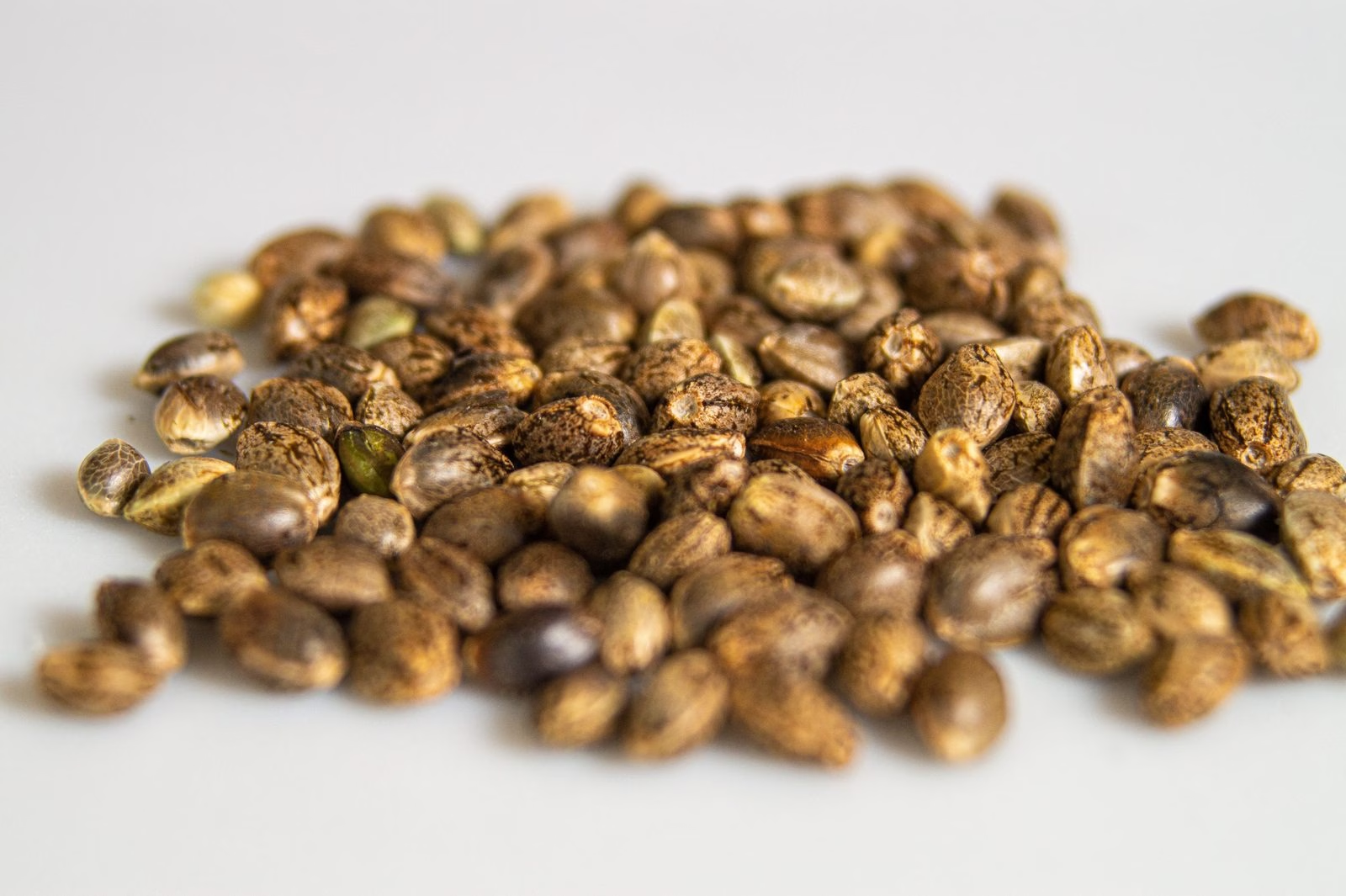
Hemp seed holds somewhere between 25% and 35% oil, depending on variety, climate and harvest (Leonard et al. 2020). How that oil is removed, however, changes the final product considerably. In cold pressing, a screw press squeezes the seeds without external heat, and the temperature stays low throughout the process. What comes out is a green oil, rich in chlorophyll and with a pronounced nutty flavor, which retains tocopherols and other heat-sensitive compounds. Because the press does not extract everything, a considerable share of the oil remains in the press cake, which goes on to become animal feed or protein flour.
Solvent extraction, usually with hexane, recovers nearly all the oil but calls for refining afterward to remove residues. Full refining includes neutralization, bleaching and deodorization. The end result is a pale yellow, almost odorless oil that keeps longer on the shelf, although it loses some of the antioxidants and color of the virgin product. Techniques such as microwave-assisted extraction and supercritical CO2 show up in recent studies (Rezvankhah et al. 2019), but they have barely reached retail. For skin or table, it is unrefined, cold-pressed oil that carries the qualities described in this guide.
Composition and Properties of Hemp Seed Oil
Hemp seed oil owes its identity to three traits: a lot of linoleic acid (omega-6), plenty of alpha-linolenic acid (omega-3) and small amounts of fatty acids that few table oils offer.
Fatty Acid Profile
| Fatty acid | Type | Typical range (%) |
|---|---|---|
| Linoleic | Omega-6, polyunsaturated | 50 to 60 |
| Alpha-linolenic | Omega-3, polyunsaturated | 15 to 25 |
| Oleic | Omega-9, monounsaturated | 10 to 16 |
| Palmitic | Saturated | 5 to 7 |
| Stearic | Saturated | 2 to 3 |
| Gamma-linolenic (GLA) | Omega-6, polyunsaturated | 1 to 4 |
| Stearidonic (SDA) | Omega-3, polyunsaturated | 0.5 to 2 |
The omega-6 to omega-3 ratio usually falls between 2:1 and 3:1, a proportion many authors consider balanced. GLA is unusual among edible oils and better known from borage and evening primrose oils. SDA, in turn, is an intermediate omega-3 in the same metabolic pathway. The ranges in the table follow the reviews by Callaway (2004) and Leonard et al. (2020). Since they shift with variety and climate, a given batch may fall slightly outside them.
Unsaponifiable Fraction and Antioxidants
The unsaponifiable fraction is the part of the oil that does not turn into soap when it reacts with an alkali. It makes up about 2% of the total and gathers phytosterols, tocopherols and other minor compounds. Among the sterols, beta-sitosterol dominates by a wide margin, followed by campesterol. Tocopherols, which are forms of vitamin E, are present at high levels, and gamma-tocopherol clearly predominates among them, protecting the oil itself against oxidation (Callaway 2004). Cold-pressed batches also carry chlorophyll and carotenoids, which account for the color.
The iodine value, which measures how many double bonds exist in the fat chains, is high, in line with its classification as a drying oil. For the same reason, the oil stays liquid well below zero. The trade-off is low oxidative stability, so it turns rancid faster than olive oil. Popular lists rate its comedogenicity as low, but that figure is reported on non-standardized scales.
What Science Has Shown about Hemp Seed Oil
Clinical research on hemp seed oil is still modest, and much of what circulates online stretches small studies too far. In atopic dermatitis, a small crossover trial with 20 patients (Callaway 2005) observed an improvement in symptoms; it has not been widely replicated to date. In that Finnish study, participants took hemp seed oil or olive oil by mouth, in alternating periods. During the hemp phase, they reported less dryness and itching and relied less on topical medication. Water loss through the skin fell, though not to a statistically significant degree. On top of that, the small sample rules out firm conclusions.
For cardiovascular markers, the results are preliminary, not conclusive. A double-blind trial in 14 healthy adults compared 30 mL a day of hemp seed oil and of flaxseed oil, for four weeks each (Schwab et al. 2006). There was no significant difference in total cholesterol, lipid fractions, glucose, insulin or clotting factors. Another trial followed 86 volunteers who took 2 g a day in capsules for 12 weeks (Kaul et al. 2008). Here, too, the hemp group showed no change in lipids, platelet aggregation or inflammatory markers. The platelet effects described in reviews come mostly from animal models (Rodriguez-Leyva and Pierce 2010).
The anti-inflammatory action attributed to the oil remains under study, with laboratory data that do not yet translate into any clinical recommendation. For now, it makes more sense to see the oil as a source of essential fatty acids in a proportion considered balanced than as a treatment for any condition.
Traditional Uses and Ethnobotanical Record
The ethnobotanical record of hemp revolves more around the seed as food than around the oil as medicine. In Chinese materia medica, the seed appears under the name huo ma ren, with a traditional record of use for mild constipation and no clinical confirmation for the isolated oil. In Eastern Europe, the seeds go into festive dishes such as siemieniotka, a Christmas Eve soup from Polish Silesia. Hemp seed paste, for its part, belongs to traditional Latvian cooking. There is also a traditional record of the oil being used as an emollient for skin chapped by the cold, again without clinical confirmation. The fiber, meanwhile, held an enormous place in everyday life, in ropes, sails, nets and paper. That constant presence helps explain why the oil never fully left European peasant kitchens.
Hemp Seed Oil for Skin
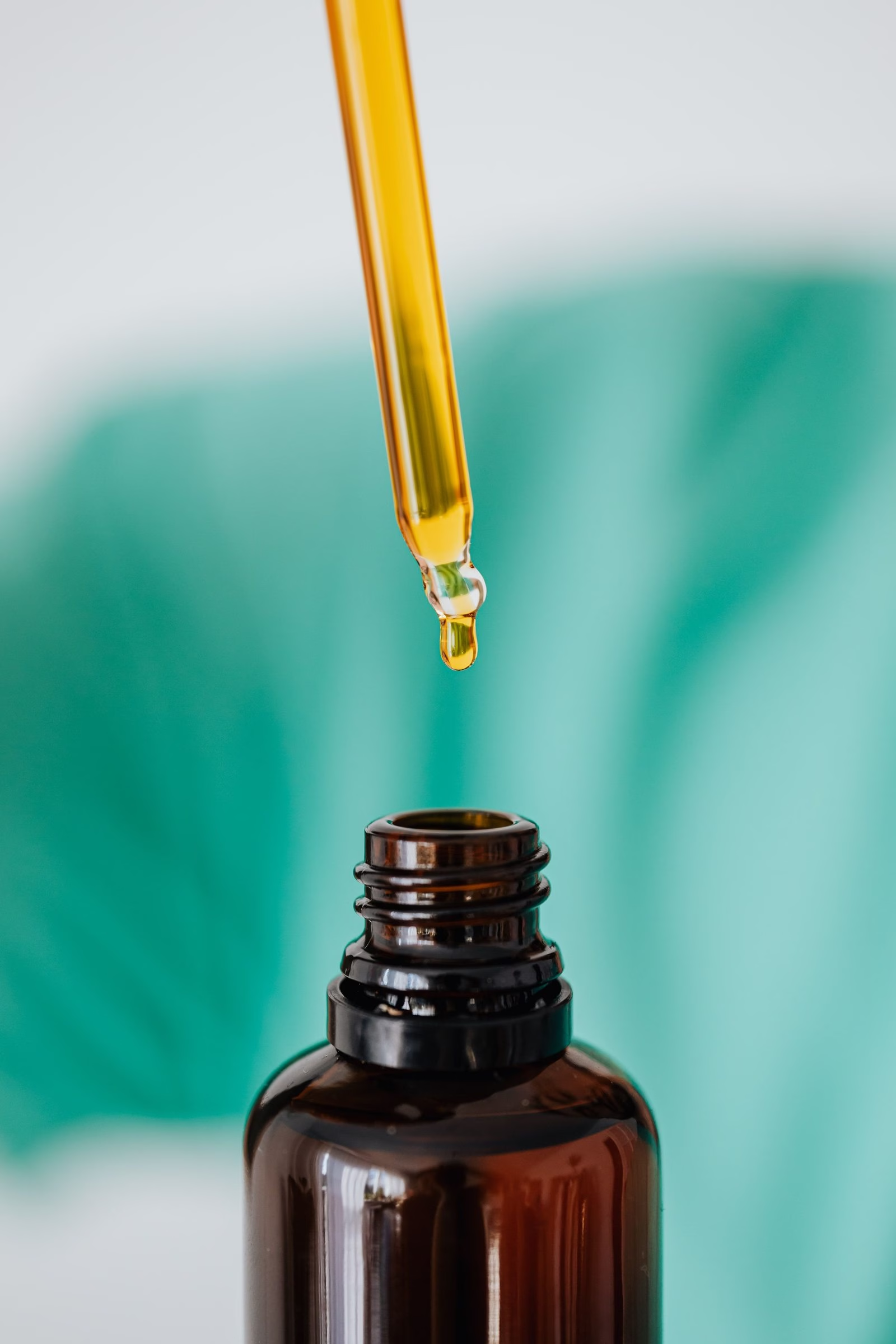
On the skin, hemp seed oil works as a light emollient. It spreads easily, absorbs fairly quickly and leaves little residue, which appeals to people with combination or oily skin.
Skin Barrier
Linoleic acid is part of the ceramides in the stratum corneum, the outermost layer of the skin. There, these lipids help seal the gaps between cells. That is why oils rich in linoleic acid appear in research as support for the skin barrier, especially in dry skin. With hemp, though, the only relevant clinical data come from the study with oil taken by mouth, and no robust topical trial with it has been published. The reasoning is plausible, but it still lacks direct confirmation.
Moisturizing
Like any oil, it moisturizes mainly through partial occlusion, forming a thin film that reduces water loss. It works best on skin that is still damp, right after a shower. You can use it neat in small amounts or as the oil phase of homemade creams, typically at 5% to 20% of the formula. People prone to blackheads often prefer light oils like this one, but every skin reacts differently.
Nails and Cuticles
A drop massaged into the cuticles at night helps soften the skin around the nails. It is a simple routine that makes good use of the oil's fluid texture. There is no specific study on nail strengthening with hemp seed oil, so the expected gain is comfort and appearance.
Hemp Seed Oil for Hair
On hair, hemp seed oil works more on the outside than the inside. Oils rich in medium-chain saturated fatty acids, such as coconut oil, partly penetrate the hair shaft. Polyunsaturated oils like this one have bulkier molecules and tend to stay on the surface. In practice, it lubricates the cuticle, the outer layer of scales on each strand, reduces friction and adds shine, all without weighing hair down as much as butters or thick oils do.
This profile suits a few uses: finishing dry ends, serving as a pre-shampoo treatment for fine hair or doing a short oil soak of 30 minutes to an hour. On very porous or tightly coiled hair, it works better alongside a denser oil or a butter, which keeps the seal in place longer. No clinical studies show that hemp seed oil strengthens hair or makes it grow, and promises along those lines go beyond what is known. On the scalp, go easy, because too much leaves the roots greasy and may oxidize between washes.
Culinary Use
Hemp seed oil is, above all, an edible oil sold to be eaten raw. Its nutty flavor with an herbal undertone goes well with salads, steamed vegetables, soups once they are served, hummus and smoothies. Because it contains so many polyunsaturated fats, it has a low smoke point, around 165 °C, and is not suitable for frying. Use it cold, drizzled over the finished dish. One tablespoon a day is the usual serving in recipes, and larger amounts can loosen the bowels. Hulled seeds are edible too and provide protein, fiber and the oil itself. The sale of these foods follows each country's food safety rules, so check that the product is properly authorized where you live.
How to Use Hemp Seed Oil in Practice
Before using it on your skin for the first time, do a patch test. Apply a drop to the inner forearm, cover it with a bandage and watch for 24 to 48 hours. If redness, itching or stinging appears, it is better not to use it. Once the test is passed, the amounts below make a good starting point.
- Body: spread 5 to 10 mL right after a shower, while the skin is still wet.
- Cuticles: massage 1 drop into each hand before bed.
- Face: warm 2 to 3 drops between your palms and press them onto clean, damp skin at night.
- Hair: apply 1 to 2 drops to dry ends or about 5 mL along the lengths, 30 to 60 minutes before washing.
Simple Blends
For a light facial serum, mix 15 mL of hemp seed oil with 15 mL of jojoba oil in a dark dropper bottle. Jojoba, which is technically a liquid wax, makes the blend more stable. A body oil for dry skin comes together with 30 mL of hemp seed oil and 20 mL of sweet almond oil. As a pre-shampoo for parched ends, 10 mL of hemp seed oil with 5 mL of melted coconut oil works well.
Store the oil in dark glass, tightly closed and away from light, and keep it in the fridge once opened. Ideally, use it within a few months, preferably no more than three. Homemade blends without an antioxidant should be made in small batches meant to last a few weeks.
How to Choose a Quality Hemp Seed Oil
Start with the label. The INCI list is the international nomenclature for cosmetic ingredients, and on it hemp seed oil appears as the botanical name of the species followed by "Seed Oil". On food products, the description should state hemp seed oil. If the INCI places this ingredient after several other oils, the amount tends to be small, even when the packaging gives the name pride of place.
The terms "cold-pressed" and "unrefined" show that the oil has kept its color, aroma and antioxidants. A good virgin oil is green, from light to deeper shades, and has a pleasant smell of nuts and cut grass. When it is nearly colorless and odorless, it has probably been refined. That is not exactly a defect in industrial cosmetics, but it does change the product. Choose amber glass or a tin, never clear plastic exposed to light, and check the production date.
Organic certification seals, whether for cosmetics or food, help trace the origin, provided the certifier is recognized and the seal carries a verifiable code. The specialty oil market has its share of blends cut with cheaper oils and of old batches that arrive already oxidized. A rancid oil smells of paint, fish or wet cardboard and leaves a bitter taste in the throat. In those cases, throw it out.
Hemp Seed Oil Compared with Similar Oils
When choosing among light oils rich in unsaturated fats, people usually weigh hemp seed oil against four familiar options. The table below sets out how they differ in composition, texture, use and price.
| Oil | Dominant fatty acid | Texture and absorption | Best use | Relative price |
|---|---|---|---|---|
| Hemp seed | Linoleic, with high alpha-linolenic | Fluid, fast absorption | Combination and oily skin, cold culinary use | Medium |
| Argan | Oleic and linoleic in similar proportions | Medium, dry touch | Face and hair ends | High |
| Flaxseed | Alpha-linolenic | Fluid, oxidizes very quickly | Cold culinary use | Low to medium |
| Rosehip | Linoleic and alpha-linolenic | Fluid, fast absorption | Nighttime facial care | High |
| Sunflower | Linoleic, in the regular version | Fluid, medium absorption | Massage and formulation base | Low |
In this comparison, hemp seed oil occupies a useful middle ground. It has more omega-3 than sunflower, oxidizes less than flaxseed and usually costs less than argan and rosehip. Even so, it does not replace argan when the goal is a more stable oil that can last months on the shelf without refrigeration. In the kitchen, flaxseed has the edge in omega-3, while hemp wins people over with its milder flavor. For oily skin, it shares the spotlight with rosehip, which has a similar texture and a much higher price.
Safety, Allergies and Contraindications of Hemp Seed Oil
For most people, hemp seed oil is well tolerated both on the skin and in the diet. The most commonly reported side effects are digestive. In high doses it can cause mild diarrhea, and whole seeds with the hull, eaten in large quantities, have a laxative effect. Starting with a teaspoon and increasing gradually usually avoids the discomfort.
Allergy to hemp seed is rare, but cases have been reported in the literature, including severe reactions after eating the seeds. Anyone with a history of allergy to seeds or tree nuts should talk to an allergist before trying it. For topical use, the patch test applies to everyone.
If you take anticoagulants or antiplatelet drugs, talk to your doctor before adopting the oil as a daily supplement. In theory, high doses of omega-3 could add to the effect on blood clotting. No strong interaction has been documented with this oil, but caution is justified. During pregnancy and breastfeeding, specific studies on the oil as a supplement are lacking. The most prudent course is to stay within the amounts used in food, always with professional guidance. With children the same logic applies: small portions in food and topical use only on intact skin.
Hemp seed oil has no psychoactive effect. The seed does not concentrate the compounds that other parts of the plant produce, and the oil sold in the European Union meets purity limits set by regulation (EU Reg. 2023/915, which consolidated the values of Reg. 2022/1393).
Sustainability and Social Impact
Hemp has a reputation as a low-impact crop, and part of that reputation is deserved. According to the European Commission, few pests attack the plant, so insecticides, herbicides and fungicides can generally be left out. The leaves cover the ground about three weeks after germination, which reduces erosion and water loss. Each hectare sequesters 9 to 15 tonnes of CO2 over a cycle of roughly five months. Flowering, between July and September, provides pollen at a time when other European crops offer almost none. In crop rotation, it also helps break disease cycles and smother weeds.
Almost nothing goes to waste, either. The seed becomes oil and food, the press cake becomes animal feed or protein flour, and the stalk supplies fiber for textiles, paper and thermal insulation. That versatility feeds a supply chain stretching from the kitchen to the textile industry and construction (Crini et al. 2020).
Frequently Asked Questions
Does Hemp Seed Oil Affect the Mind or Perception?
Hemp seed oil has no psychoactive effect. The seed does not concentrate the compounds that other parts of the plant produce, and the oil sold in the European Union meets purity limits set by regulation (EU Reg. 2023/915, which consolidated the values of Reg. 2022/1393).
Can I Cook with Hemp Seed Oil?
It is not suited to heat. The smoke point sits around 165 °C, and heating breaks down the polyunsaturated fatty acids that give the oil its value. Heat also turns the flavor bitter. It is best used cold, drizzled over salads, served soups, cooked vegetables or smoothies, always after the dish comes off the stove.
Does Hemp Seed Oil Clog Pores?
Popular lists give it a low comedogenicity rating, but these scales are not standardized and vary from source to source. Thanks to its fluid texture and high linoleic acid content, many people with combination or oily skin get along well with it. Even so, every skin reacts differently, and a patch test remains a good idea.
How Long Does Hemp Seed Oil Last Once Opened?
Because it is rich in polyunsaturated fats, it oxidizes faster than most oils. Once opened, keep it in the fridge in a dark, tightly closed bottle and try to use it within a few months, preferably no more than three. A smell of paint, fish or cardboard and a bitter taste signal rancidity. In that case, the oil belongs in the trash.
Does Hemp Seed Oil Help with Atopic Dermatitis?
A small crossover trial with 20 patients observed less dryness and itching with the oil taken by mouth, compared with olive oil. This result has not been replicated in large studies. For that reason, the oil does not replace the treatment prescribed by a dermatologist and should be seen, at most, as a complement to discuss at your appointment.
What Is the Difference between Hemp Seed Oil and Flaxseed Oil?
Both are rich in polyunsaturated fats, but in different proportions. Flaxseed oil is dominated by the omega-3 alpha-linolenic acid, while hemp seed oil has more omega-6 and a ratio between the two close to 3:1. It also carries small amounts of GLA. In practice, hemp seed oil tends to oxidize a little less and has a milder flavor.
Notice: this content is for informational purposes and does not replace professional medical advice. Consult a physician or herbal practitioner before using medicinal plants, especially during pregnancy, breastfeeding, or alongside medication.
How to cite this article
NATUGREENS. Hemp Seed Oil: Composition, Skin Uses and Precautions. Natugreens, 9 Nov. 2026. Disponível em: https://natugreens.com/hemp-seed-oil/. Accessed: Nov. 9, 2026.
Natugreens. (2026). Hemp Seed Oil: Composition, Skin Uses and Precautions. Natugreens. https://natugreens.com/hemp-seed-oil/
References
View All 11 Cited References
Peer-Reviewed Scientific Studies (8)
- DOI2005 Callaway J, et al. Efficacy of dietary hempseed oil in patients with atopic dermatitis. Journal of Dermatological Treatment. 2005.
- DOI2004 Callaway JC. Hempseed as a nutritional resource: an overview. Euphytica. 2004.
- DOI2020 Crini G, et al. Applications of hemp in textiles, paper industry, insulation and building materials, horticulture, animal nutrition, food and beverages, nutraceuticals, cosmetics and hygiene, medicine, agrochemistry, energy production and environment: a review. Environmental Chemistry Letters. 2020.
- DOI2008 Kaul N, et al. A comparison of fish oil, flaxseed oil and hempseed oil supplementation on selected parameters of cardiovascular health in healthy volunteers. Journal of the American College of Nutrition. 2008.
- DOI2020 Leonard W, et al. Hempseed in food industry: nutritional value, health benefits, and industrial applications. Comprehensive Reviews in Food Science and Food Safety. 2020.
- DOI2019 Rezvankhah A, et al. Microwave-assisted extraction of hempseed oil: studying and comparing of fatty acid composition, antioxidant activity, physiochemical and thermal properties with Soxhlet extraction. Journal of Food Science and Technology. 2019.
- DOI2010 Rodriguez-Leyva D, Pierce GN. The cardiac and haemostatic effects of dietary hempseed. Nutrition & Metabolism. 2010.
- DOI2006 Schwab US, et al. Effects of hempseed and flaxseed oils on the profile of serum lipids, serum total and lipoprotein lipid concentrations and haemostatic factors. European Journal of Nutrition. 2006.
Institutional Sources (1)
- GOV2002 Small E, Marcus D. Hemp: a new crop with new uses for North America. Trends in New Crops and New Uses, ASHS Press. 2002.
Supplementary Readings (2)
- 2023 European Commission. Commission Regulation (EU) 2023/915 on maximum levels for certain contaminants in food. Official Journal of the European Union. 2023.
- 2026 European Commission. Hemp. Agriculture and Rural Development, European Commission. Accessed 2026.