Quick summary
In southern China, scientific reviews place the cultivation of the tea-oil camellia more than two thousand years back, while in the West it arrived first through cosmetic labels. Behind the bottle stands a plant little known outside Asia, a chemistry close to that of olive oil and a handful of studies that measure…
Main caution: The expert panel of the Cosmetic Ingredient Review (CIR), which assesses cosmetic ingredients in the United States, reviewed 244 plant oils rich in fatty acids, among them C. oleifera seed oil and its hydrogenated form…
In southern China, scientific reviews place the cultivation of the tea-oil camellia more than two thousand years back, while in the West it arrived first through cosmetic labels. Behind the bottle stands a plant little known outside Asia, a chemistry close to that of olive oil and a handful of studies that measure less than the labels promise. This guide follows that path all the way to use on skin and hair, keeping the scientific evidence apart from what belongs to tradition.
What Is Camellia Oil
Camellia oil is pressed from the seeds of Camellia oleifera Abel., a Chinese shrub in the Theaceae family, the same family as ornamental camellias and the tea plant. That kinship tends to cause three mix-ups, and they are worth clearing up right away. The first involves green tea, made from the leaves of Camellia sinensis, a different species with a different use and a different chemistry. The second involves tsubaki, the traditional Japanese hair oil, which comes from Camellia japonica L. The third concerns Camellia sasanqua Thunb., also pressed in Japan for cosmetic purposes. Oils from the three camellias (oleifera, japonica and sasanqua) are quite similar in composition and use, but the Chinese species is the one that supports large-scale production. It is also sold as tea seed oil or tea oil, names that should not be read as oil from green tea seeds. This is a liquid oil made up almost entirely of triglycerides.
Origin and History of the Plant
The Plant and Where It Grows
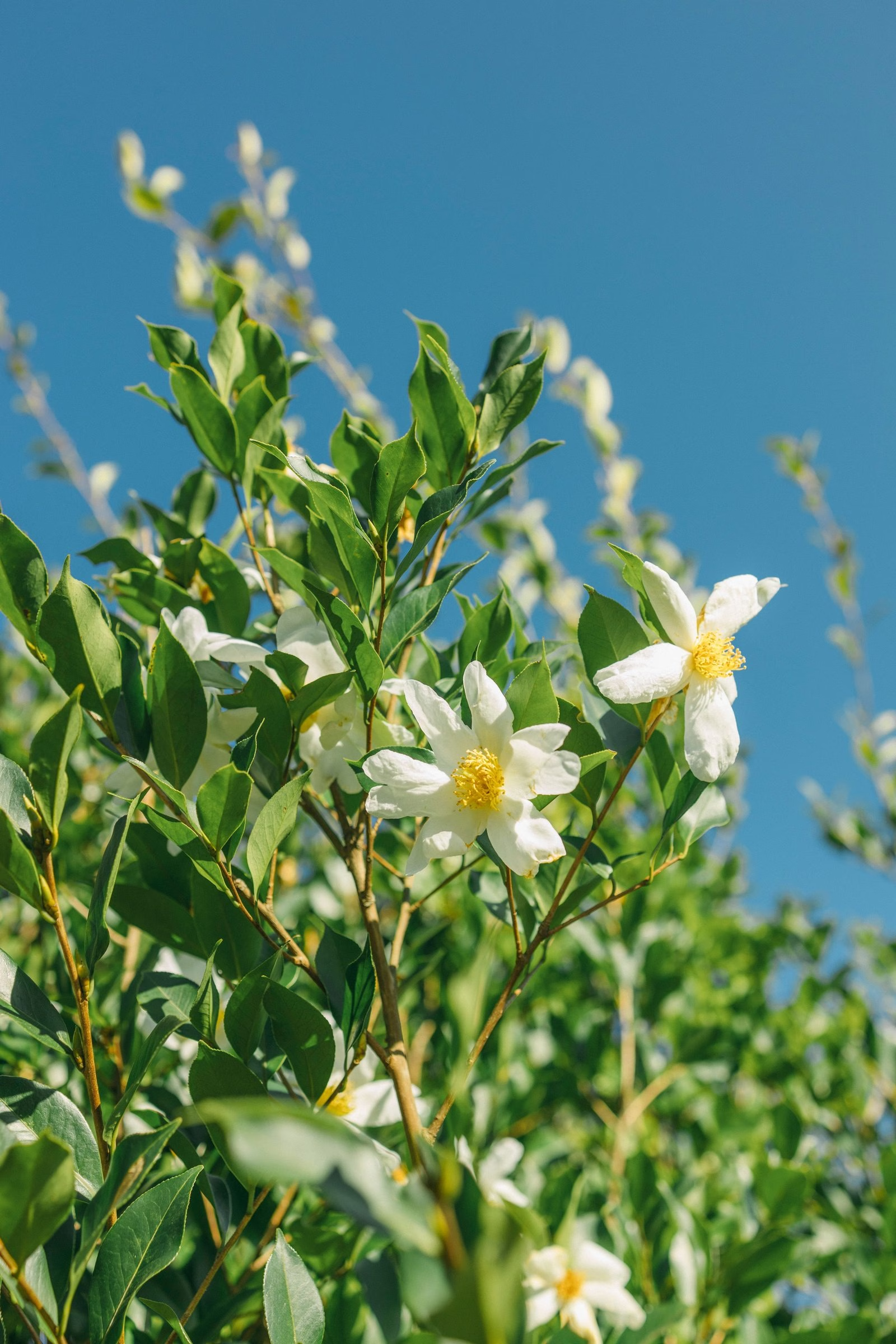
C. oleifera is an evergreen shrub or small tree with leathery leaves and white flowers that open in autumn. Its fruit is a woody capsule holding one to a few dark, oil-rich seeds. The species adapts well to the red, acidic soils on the hillsides of central and southern China, where it often occupies slopes unsuited to annual crops. Today cultivation is concentrated in provinces such as Guangxi, Henan, Hunan, Jiangxi and Zhejiang, and the review by Hu and colleagues ranks it among the world's four main woody edible oil plants, alongside the oil palm, the olive tree and the coconut palm. In 2023, the Chinese government launched a three-year plan to expand the planted area to more than 6 million hectares by 2025, with a production target above 2 million tonnes of oil.
Historical Records
Recent reviews describe the species as an oil crop of southern China for more than 2,300 years, although that figure gets repeated from author to author without any citation of the ancient document behind it. A more concrete written record is the Compendium of Materia Medica (Bencao Gangmu), by the Ming dynasty pharmacologist Li Shizhen. According to the 2024 study by Ouyang and colleagues, the work describes the oil as cool in nature and credits it with cooling the blood and stopping bleeding, within the logic of Chinese medicine. In Japan, the parallel story belongs to tsubaki, tied to the Japanese species, so it stays out of this account.
How Camellia Oil Is Extracted
After harvest, the fruits dry in the sun until the capsule splits, and only then are the seeds separated, hulled and ground. From there, three main routes are possible. In cold pressing, the seed mass goes through screw or hydraulic presses without intense heat, which better preserves vitamin E, sterols and the mild aroma. In a comparative study cited by a 2025 review, cold pressing recovered about 90% of the oil available in the seed.
Traditional Chinese pressing, however, usually roasts the seeds first, and the resulting oil comes out darker, with a toasted flavor typical of the regional cuisine. Solvent extraction, generally with hexane, yielded 41% to 44% of seed weight under optimized conditions, according to the same review (a figure measured on a different basis, which should not be compared directly with the 90% above), and it produces a crude oil that must then be refined, bleached and deodorized. That refining leaves the oil almost colorless and neutral, but it sacrifices part of the minor compounds. Among newer methods, enzyme-assisted aqueous extraction recovered more than 94% of the free oil in laboratory tests, and supercritical CO2 is also being studied as an alternative without chemical solvents.
Composition and Properties of Camellia Oil
Composition varies a great deal with variety, climate and growing region, so the figures below are ranges reported in the literature rather than fixed values.
Fatty Acid Profile
Oleic acid, the same one that dominates olive oil, usually exceeds 75% and, in many samples, 80%. Even so, the review by Hu and colleagues gathered Chinese batches with much lower levels, which explains the wide range in the table.
| Fatty acid | Type | Reported range (%) |
|---|---|---|
| Oleic (C18:1, omega-9) | Monounsaturated | 52 to 87 |
| Linoleic (C18:2, omega-6) | Polyunsaturated | 3 to 24 |
| Palmitic (C16:0) | Saturated | 7.5 to 17 |
| Stearic (C18:0) | Saturated | 1 to 4 |
| Others (eicosenoic, palmitoleic and traces) | Mixed | up to about 1 |
Unsaponifiable Fraction and Antioxidants
The part that does not turn into soap, called the unsaponifiable fraction, is small, but it holds compounds of interest. The values below come from the review by Hu and colleagues. Tocopherols add up to roughly 11 to 34 mg per 100 g, and nearly all of that total is alpha-tocopherol, the most active form of vitamin E. Phytosterols range from 1,500 to 7,600 mg/kg, led by beta-sitosterol. Squalene appears across a wide span, from about 120 to 750 mg/kg. Total phenolic compounds run from 23 to 53 mg per 100 g, with naringenin as the most abundant of them. Because monounsaturated fat dominates it, the oil is classed as non-drying, meaning it does not harden on contact with air. The same review describes its storage stability as comparable to olive oil and better than sunflower oil. It stays liquid at room temperature and may turn cloudy in the fridge, with no loss of quality. Comedogenicity is usually described as low, though that rating comes from non-standardized scales.
What Science Has Shown About Camellia Oil
Research is plentiful on chemistry and scarce in humans. The only randomized clinical trial found with published outcomes looked at the oil in the diet, not on the skin: in 2016, researchers at Mahidol University in Thailand followed 50 women with high cholesterol for eight weeks, comparing foods prepared with camellia oil and with soybean oil. In the camellia group, malondialdehyde, a marker of oxidation, fell by 11.2%, and oxidized LDL dropped by 8.7%, while other inflammatory markers did not change. Since it was a small, single-blind study limited to women with high cholesterol, it points to an effect that still needs to be replicated.
For topical use, the evidence stops at the lab and at animals. In 2024, an in vitro test showed moisture retention similar to glycerin and a reduction in nitric oxide in mouse macrophages, cells that are not equivalent to human skin. That same year, a mouse study (five animals per group) tested aged oil on chemically induced dermatitis and saw improvement, though less than with the corticosteroid used as a comparator. In 2025, another animal model reported an increase in filaggrin, a protein linked to the skin barrier. These are animal-model data, with no confirmation in people.
Traditional Uses and Ethnobotanical Record
In the producing provinces, the oil has always had a double household role, in the pan and on the body. According to the study by Ouyang and colleagues, the Hakka people of the Gannan region, in southern Jiangxi, apply the oil to skin affected by eczema and often keep it for years, believing that the older it is, the better it works. The 2024 mouse study mentioned above started precisely from this belief, and the authors themselves stress that it has no clinical support. In classical Chinese medicine, the Bencao Gangmu also links the oil to the idea of clearing heat and toxins, concepts from a system of its own that have no direct translation into modern pharmacology.
Camellia Oil for Skin
Moisturizing
As an oil rich in oleic acid, it works mainly as an emollient, filling the gaps between cells in the outermost layer of the skin and reducing water loss. It feels lighter than you might expect from such an oleic oil, so it tends to suit dry and normal skin. In the 2024 in vitro test, an emulsion with 4% camellia oil held more moisture than the same base without oil, a result consistent with that emollient role, even though it was obtained outside human skin.
Skin Barrier
The two mouse studies on dermatitis suggest the oil may help the barrier, since one of them measured an increase in filaggrin and the other a drop in inflammatory markers. Still, the review by Lin and colleagues on topical plant oils points out that oils very high in oleic acid, such as olive oil, can impair the skin barrier, so anyone with atopic dermatitis should test it carefully and never use it in place of the treatment prescribed by their dermatologist.
Nails and Cuticles
A drop massaged into the cuticles before bed tends to soften the skin around the nail and mask its dry look. There is no specific study for this use, which rests only on the oil's emollient action. We found no data with this species for stretch marks or scars, and so the topic is left out of this guide.
Camellia Oil for Hair
On hair, the main effect is lubrication of the cuticle, the layer of scales that coats each strand. By filling gaps in that layer, the oil reduces friction between strands, makes detangling easier and restores shine, which explains the reputation of Japanese tsubaki, its close relative. In other words, what you notice day to day is a surface effect, not an internal transformation of the hair.
Research on the subject is still limited. In 2022, Korean researchers formulated conditioners with camellia oil, argan oil and isolated fatty acids to compare their action on hair damaged by bleaching. They attributed the differences they observed to the fatty acid profile of each oil. The authors themselves acknowledge that studies on camellia in hair care are few. No work has shown that the oil makes hair grow or strengthens it from within, so those label promises deserve skepticism.
Culinary Use
Camellia oil is edible and ranks among the most traditional cooking oils of southern China, where it earned the nickname "olive oil of the East", recorded in the review by Hu and colleagues, for its oleic acid content similar to that of olive oil. The roasted-seed version has a strong flavor and goes into stir-fries and regional dishes. The refined kind, by contrast, tastes neutral and works for everyday cooking. Read the label carefully, though, because a bottle sold as a cosmetic does not follow food standards and should not go into the pan. For eating, buy only a product identified as food grade.
How to Use Camellia Oil in Practice
Before the first use, apply 1 drop to the inside of your forearm and watch for 24 to 48 hours. If redness, itching or burning appears, do not use it. Once the test is passed, the amounts below work well as a starting point:
- Body: about 5 mL on still-damp skin, right after a bath or shower.
- Cuticles: 1 drop per hand, massaged in at night.
- Face: 2 or 3 drops warmed between the fingers and pressed onto clean skin, preferably at night.
- Hair: 1 or 2 drops spread between the palms and applied to the ends only, on damp or dry hair.
Three simple blends help vary the routine:
- Light body oil: 30 mL of camellia oil with 20 mL of jojoba oil, stored in a dark bottle.
- Overnight face serum: 10 mL of camellia oil with 5 mL of jojoba oil, using 3 drops per application.
- Pre-wash hair mask: 1 tablespoon (15 mL) of camellia oil on the lengths for 30 minutes before shampooing.
To store it, keep the bottle tightly closed, away from light and heat. Because the oil is low in polyunsaturated fatty acids, it handles room temperature well, but the fridge extends its shelf life, especially once opened.
How to Choose a Quality Camellia Oil
Start with the INCI list. The correct name for the Chinese species is Camellia Oleifera Seed Oil, while Camellia Japonica Seed Oil indicates the Japanese oil, also good but from another plant. If the label says only camellia oil or tea oil, with no species, be wary. One extra caution: tea tree oil is not camellia oil but the essential oil of melaleuca, a completely different product.
For use on the skin, choose cold-pressed, unrefined oil, which ranges from pale yellow to golden and has a faint, slightly herbaceous scent. An almost clear, odorless oil has probably been refined, which does not make it bad, only poorer in vitamin E and polyphenols. Pick amber glass or opaque packaging with a visible manufacturing date.
When the label carries a recognized organic certification seal, check the certifier's website to confirm the brand actually appears on its list of approved products. Since camellia oil costs more than ordinary cooking oils, blending with cheaper oils is a real risk, and brands that disclose origin and batch deserve preference. At home, a smell of paint or crayons, or a bitter taste, signals rancidity, and in that case the oil should be thrown away.
Camellia Oil Compared With Similar Oils
Among oils rich in oleic acid, camellia stands out for its light feel and good stability, but each option has its place in a routine. Anyone looking for a whole-body oil will usually prefer sweet almond, which is cheaper, while camellia goes further on small areas such as hair ends and cuticles. The table sums up the practical differences.
| Oil | Dominant component | Texture and absorption | Best use | Relative price |
|---|---|---|---|---|
| Argan | Oleic and linoleic acids in balance | Medium, barely greasy feel | Face, body and hair ends | High |
| Camellia | Oleic acid | Light, barely greasy feel | Hair ends, dry facial skin and cuticles | Medium |
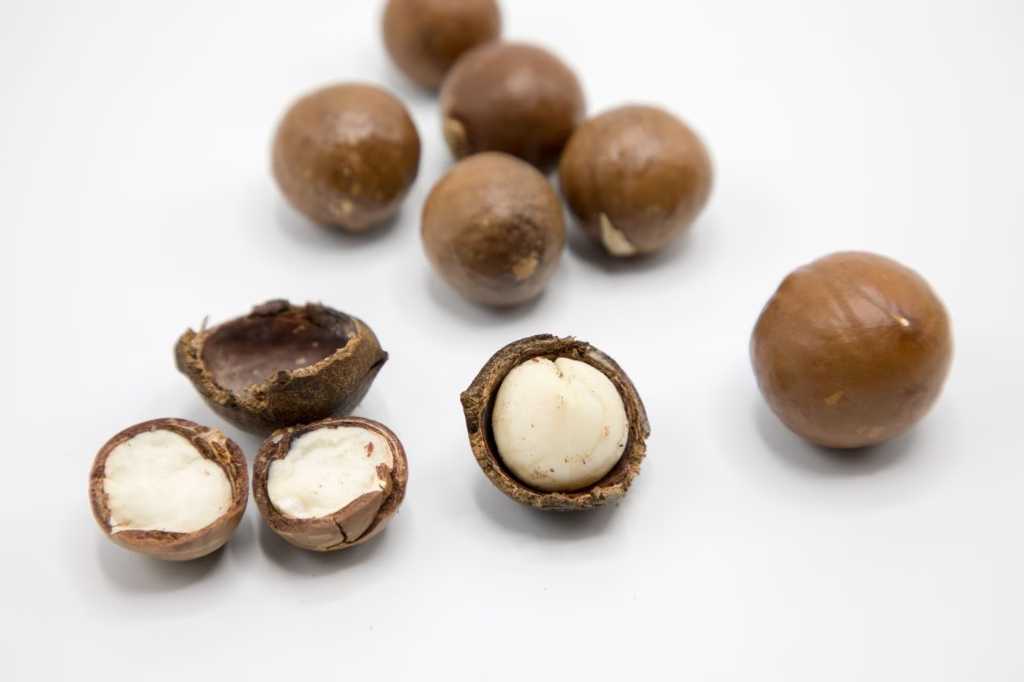
| Macadamia | Oleic and palmitoleic acids | Light to medium, silky | Mature and dry skin | Medium to high |
| Sweet almond | Oleic acid | Medium, slightly denser | Body and massage | Low |
Safety, Allergies and Contraindications of Camellia Oil
The expert panel of the Cosmetic Ingredient Review (CIR), which assesses cosmetic ingredients in the United States, reviewed 244 plant oils rich in fatty acids, among them C. oleifera seed oil and its hydrogenated form, and concluded in 2017 that they are safe under the conditions of use in cosmetics. Because these are edible oils with low potential for systemic toxicity, the assessment focused on effects on the skin.
We found no published reports of allergy specific to camellia oil, but any plant oil can cause contact dermatitis in sensitive people. The seed is not a nut in the botanical sense, yet anyone allergic to seeds or tree nuts should still do the forearm test before use. On skin with active dermatitis, the high oleic acid content may irritate, so application should be discussed with a dermatologist.
For pregnancy and breastfeeding, there are no clinical studies on topical use. Since this is a traditional food oil, cosmetic use in small amounts carries no known warning, but the lack of data makes it wise to talk to your obstetrician before adding it to your routine. With children, the same caution and the prior test apply, and the oil should never be applied near a baby's eyes. Old or rancid oil should not go on the skin, contrary to the folk belief about aged oil, because oxidation compounds can irritate. There is no known drug interaction for topical use.
Sustainability and Social Impact
The expansion of the tea-oil camellia is part of China's strategy to reduce its dependence on imported oils. The plan launched in 2023 called for planting another 19.17 million mu (about 1.3 million hectares) and upgrading a further 12.76 million mu of low-yield plantations by 2025. Because the shrub grows on hillsides with poor soil, cultivation tends to occupy land that would hardly take any other crop.
On the social side, the Chinese government itself credits the tea-oil camellia with a significant role in reducing rural poverty, according to the official announcement of the plan, but independent assessments of how that income is shared among smallholders are lacking. Harvesting the fruit on steep slopes still relies heavily on manual labor. For that reason, when buying, it pays to look for brands that state the origin and the cooperative the oil comes from.

Frequently Asked Questions
Are Camellia Oil and Green Tea Oil the Same Thing?
No. The camellia oil covered here comes from the seeds of Camellia oleifera, while green tea is made from the leaves of Camellia sinensis, another species. The two plants belong to the same genus but differ in composition and uses. The name tea seed oil is confusing because it refers to the tea-oil camellia, not to the seeds of the tea plant.
Does Camellia Oil Clog Pores?
It is usually rated as low in comedogenicity, but those ratings come from non-standardized scales, and reactions vary from person to person. If you have oily or acne-prone skin, start with 1 or 2 drops at night on a small area of the face and watch the result for a few weeks before using more.
What Is the Difference Between Camellia Oil and Tsubaki Oil?
Tsubaki is the oil of Camellia japonica, a Japanese species used for centuries in hair care, while the camellia oil sold most widely around the world comes from the Chinese species. Oleic acid dominates both, and they feel alike, so they work in similar ways in a routine. The difference lies in the source plant, which the INCI label states.
Can I Use Camellia Oil on My Hair Every Day?
Yes, as long as the amount is small, something like 1 or 2 drops on the ends. The oil lubricates the cuticle and leaves the hair surface smoother to the touch, but too much weighs hair down and makes it look greasy, especially when it is fine. On thick or curly hair the amount can go up a little, always focused on the lengths and away from the roots.
Can Cosmetic Camellia Oil Be Used for Cooking?
It is not advisable. A bottle sold as a cosmetic does not go through the controls required for food and may contain additives or have been bottled without food-grade standards. For cooking, buy oil labeled as food, which is common in Asian grocery stores and comes in refined and roasted-seed versions.
Does Camellia Oil Need to Be Refrigerated?
It is not required, because the oil is low in polyunsaturated fatty acids and resists oxidation well at room temperature. Even so, keeping the closed bottle in the fridge after opening extends its shelf life, especially in hot climates. If the oil turns cloudy in the cold, just leave it out for a few minutes and it will return to its normal look.
Notice: this content is for informational purposes and does not replace professional medical advice. Consult a physician or herbal practitioner before using medicinal plants, especially during pregnancy, breastfeeding, or alongside medication.
How to cite this article
NATUGREENS. Camellia Oil: Origin, Composition, Uses and Precautions. Natugreens, 9 Nov. 2026. Disponível em: https://natugreens.com/camellia-oil/. Accessed: Nov. 9, 2026.
Natugreens. (2026). Camellia Oil: Origin, Composition, Uses and Precautions. Natugreens. https://natugreens.com/camellia-oil/
References
View All 11 Cited References
Peer-Reviewed Scientific Studies (9)
- DOI2016 Bumrungpert A, et al. Camellia Oil-Enriched Diet Attenuates Oxidative Stress and Inflammatory Markers in Hypercholesterolemic Subjects. Journal of Medicinal Food. 2016.
- DOI2017 Burnett CL, et al. Safety Assessment of Plant-Derived Fatty Acid Oils. International Journal of Toxicology. 2017.
- DOI2025 Hu Z, et al. The Extraction Technologies, Nutritional Compositions, and Health Benefits of Camellia oleifera Seed Oil: A Review. Journal of Oleo Science. 2025.
- DOI2025 Jiao S, et al. Restorative effects of camellia oil on the skin-barrier function in a model of DNCB-induced atopic dermatitis. European Journal of Histochemistry. 2025.
- DOI2018 Jiang X, et al. Physicochemical properties, flavor intensity and oxidative stability of different camellia oils. International Journal of Agricultural and Biological Engineering. 2018.
- DOI2022 Lee SH, et al. Effect of rinse-off hair conditioner containing argan oil or camellia oil on the recovery of hair damaged by bleaching. Fashion and Textiles. 2022.
- DOI2017 Lin TK, et al. Anti-Inflammatory and Skin Barrier Repair Effects of Topical Application of Some Plant Oils. International Journal of Molecular Sciences. 2017.
- DOI2024 Ouyang XL, et al. Can aged Camellia oleifera Abel oil truly be used to treat atopic dermatitis?. Frontiers in Pharmacology. 2024.
- DOI2024 Zhou L, et al. The Antioxidant, Anti-Inflammatory and Moisturizing Effects of Camellia oleifera Oil and Its Potential Applications. Molecules. 2024.
Supplementary Readings (2)
- 2025 GBIF. Camellia oleifera Abel.. Global Biodiversity Information Facility. 2025.
- 2023 Xinhua. China to further expand tea-oil camellia planting area. The State Council of the People's Republic of China. 2023.