Quick summary
Few plant oils have become famous as quickly as argan. In little more than two decades, it moved from kitchens in southwestern Morocco to cosmetic shelves around the world. This guide covers the tree, the chemistry, the clinical trials and the cooperatives, sorting out what has scientific support from what belongs to…
Main caution: The Cosmetic Ingredient Review (CIR) Expert Panel assesses cosmetic ingredients in the United States. In 2017, it included argan oil in a broad assessment of plant oils and concluded that these oils are safe in the…
Few plant oils have become famous as quickly as argan. In little more than two decades, it moved from kitchens in southwestern Morocco to cosmetic shelves around the world. This guide covers the tree, the chemistry, the clinical trials and the cooperatives, sorting out what has scientific support from what belongs to tradition.
What Is Argan Oil
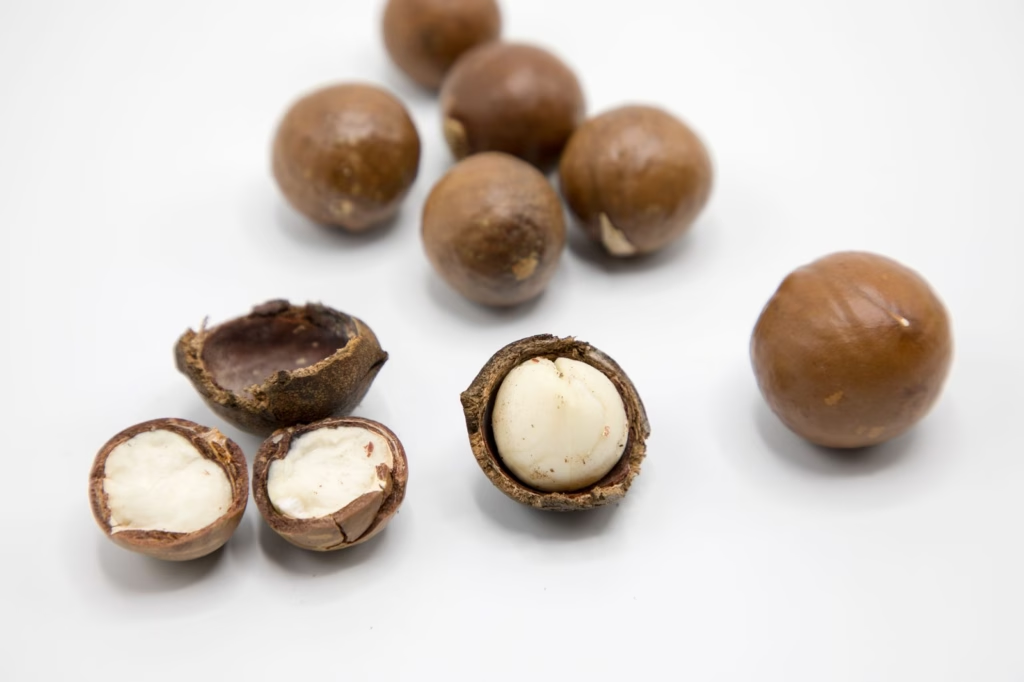
Argan oil is pressed from the kernels of a thorny Moroccan tree known to science as Sideroxylon spinosum L. and still cited in most studies and in the INCI as Argania spinosa (L.) Skeels. The species belongs to the Sapotaceae family, the same family as shea. The name change came from a 2014 phylogenetic revision that merged the former genus Argania into Sideroxylon. Because the market still uses the old name, that is the one you will find on packaging and in searches. The useful part is the kernel, locked inside a very hard nut at the center of the fruit. The oil is liquid at room temperature and made almost entirely of triglycerides, molecules built from three fatty acids attached to a glycerol backbone. It comes in two versions: cosmetic argan oil, cold-pressed from raw kernels, and culinary argan oil, made from roasted ones.
Origin and History of the Plant
The Plant and Where It Grows
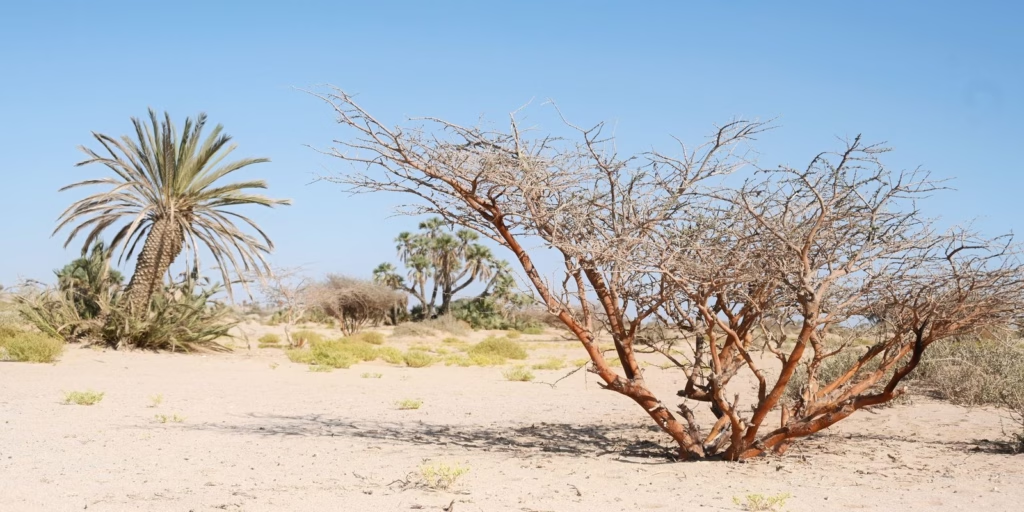
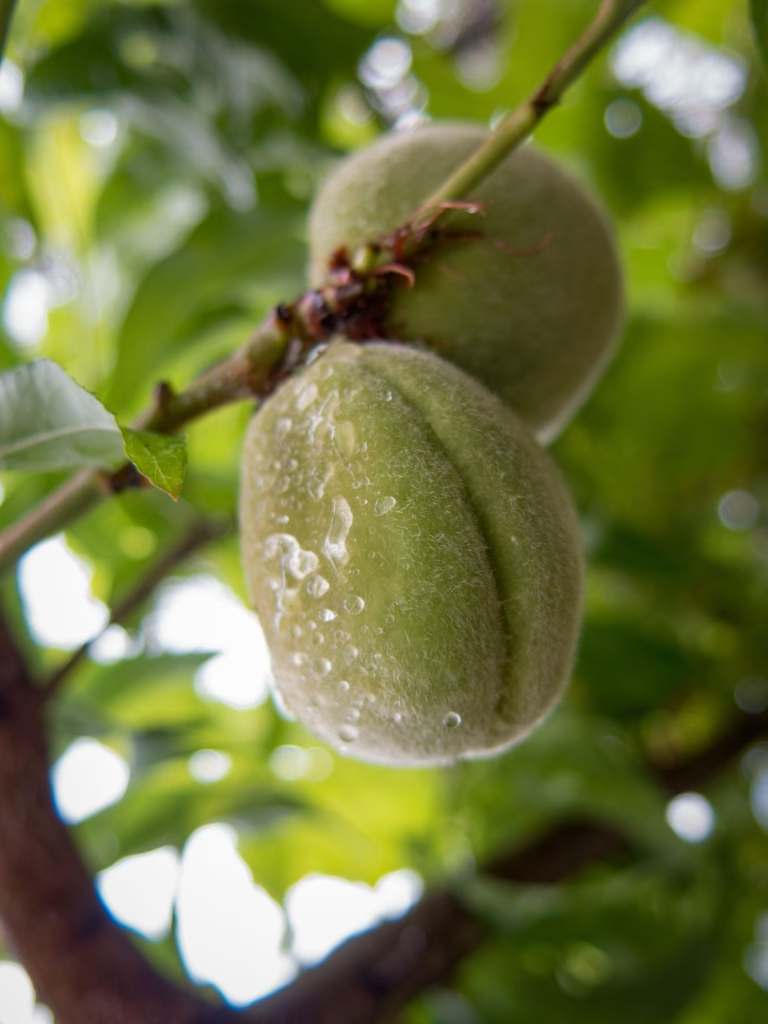
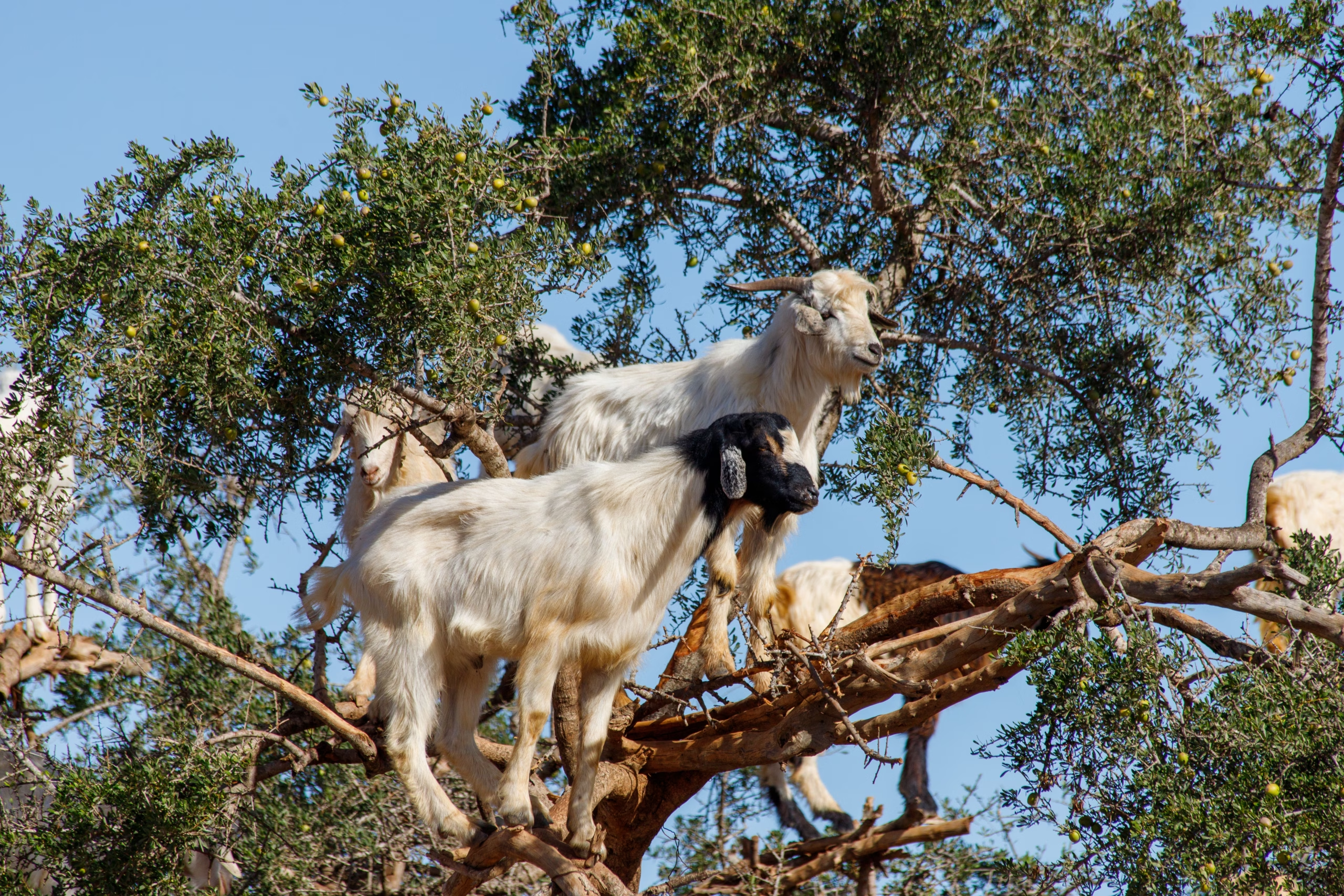
The argan tree is endemic to southwestern Morocco, concentrated in the Souss-Massa region and around Essaouira, where the semi-arid climate rules out most other trees. According to the FAO, it tolerates temperatures of up to 50 °C (122 °F), and its deep roots hold the soil against erosion, which makes it a natural barrier against the spread of the desert. In 1998 UNESCO recognized the Arganeraie Biosphere Reserve, covering about 2.5 million hectares, although the area actually covered by argan trees is much smaller. The fruit looks like a large olive and, once dried, reveals a woody nut holding one to three kernels. The goats that climb into the branches to eat leaves and fruit have become the region's most famous image, and they are part of an old agro-sylvo-pastoral system that combines trees, crops and livestock on the same land.
Historical Records
Linnaeus described the species in 1753 within the genus Sideroxylon, and only in the twentieth century did it receive its own genus, Argania, now abandoned by the taxonomic databases. Long before any of this, however, the Amazigh (Berber) people were already extracting the oil for cooking and for skin and hair care. That body of knowledge was added to UNESCO's Intangible Cultural Heritage list in 2014. Four years later, the FAO recognized the agricultural system of Ait Souab-Ait Mansour as a Globally Important Agricultural Heritage System (GIAHS). Outside Morocco, the oil only reached commercial scale in the early 2000s, when the cosmetics industry began using it in creams, shampoos and soaps.
How Argan Oil Is Extracted
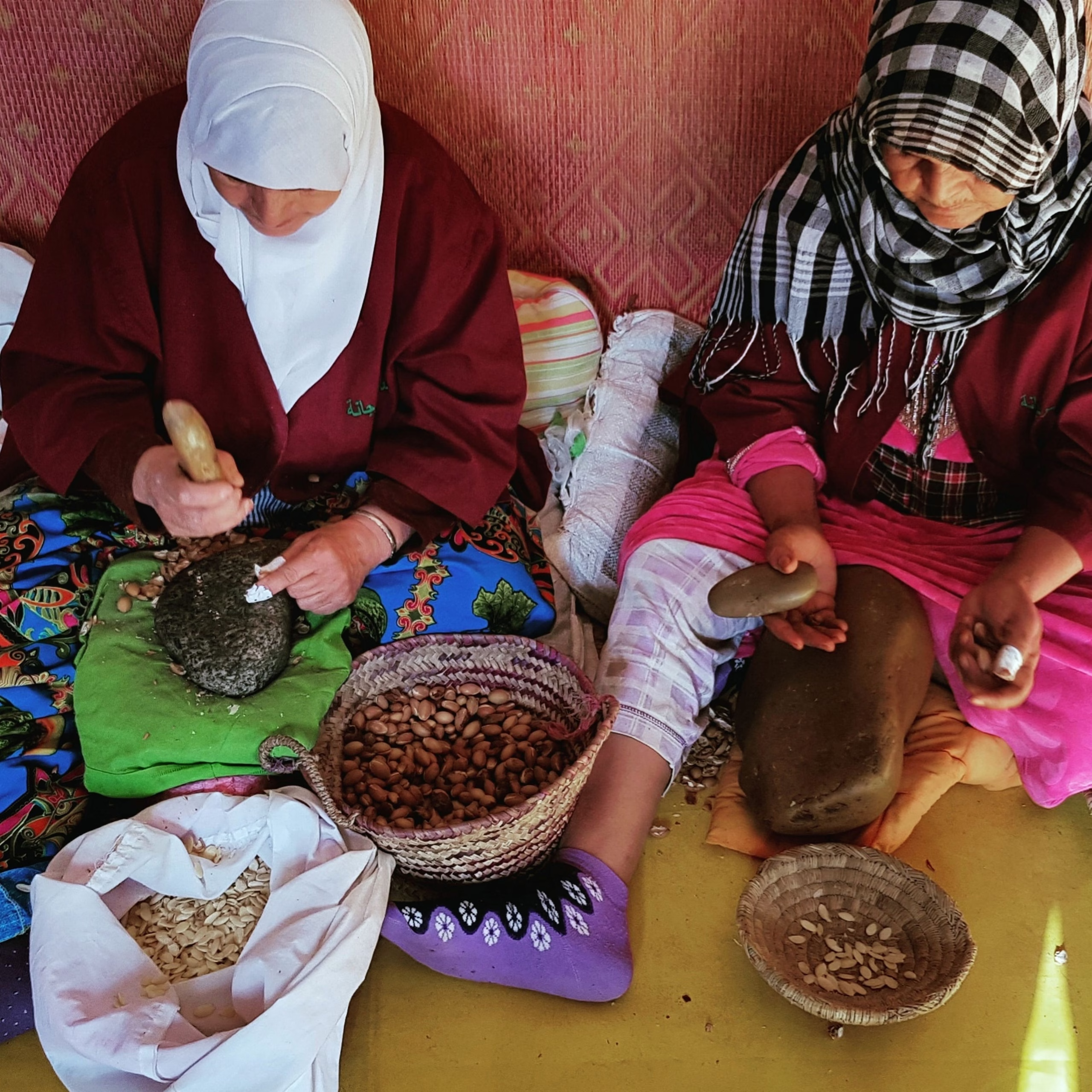
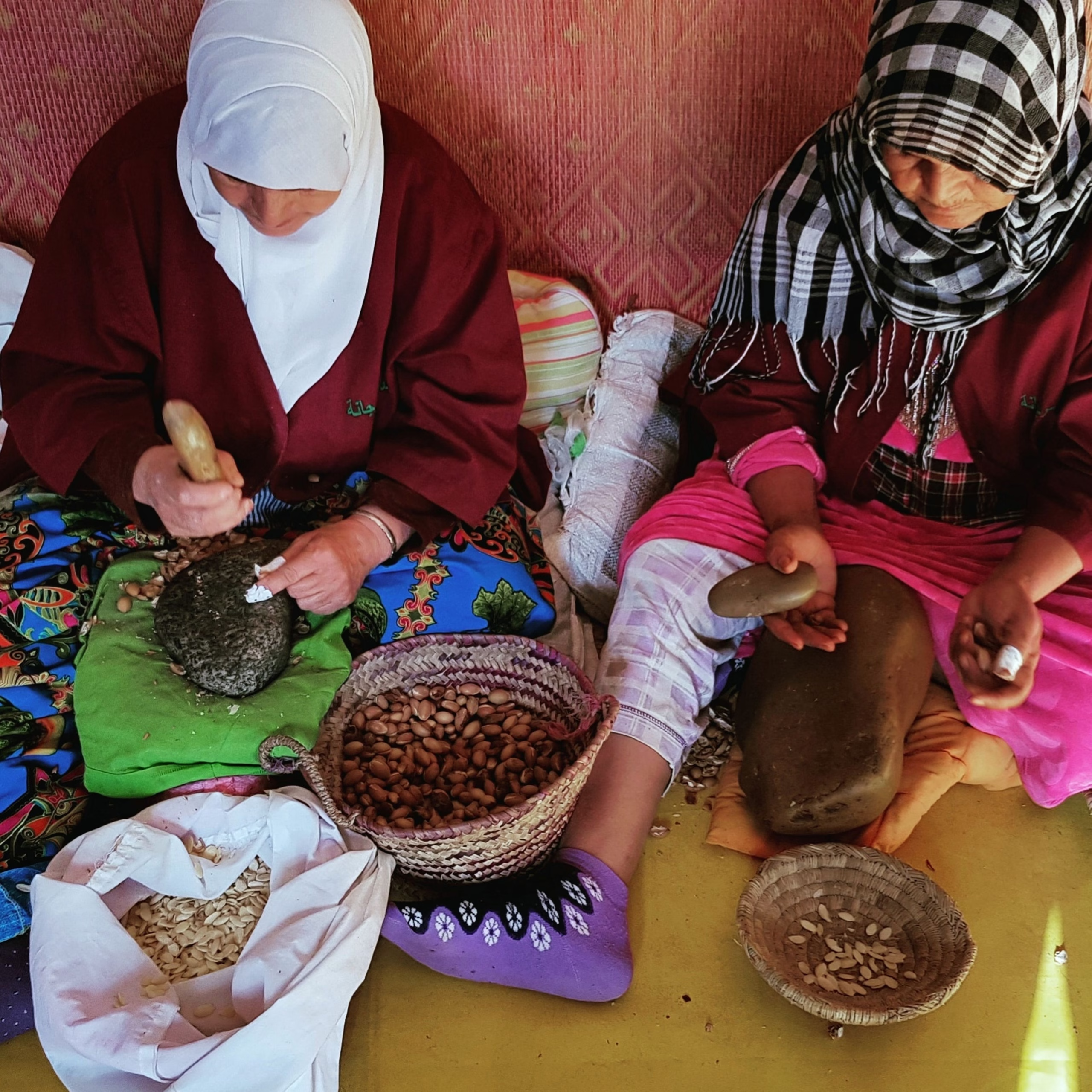
It all starts with harvesting the ripe fruit, which dries in the sun before the pulp is removed. Next comes the most laborious step, cracking the nut to free the kernels, a job still done by hand with stones for a large share of production. In the traditional home method, women grind the kernels and knead the paste with a little warm water until the oil separates. By this process, according to the FAO, 50 kg of fruit yields about half a liter. Mechanical cold pressing, adopted by cooperatives and industry, needs no water, preserves the final product better and reaches about 43% oil relative to kernel weight. Solvent extraction gets 50 to 55%, but it produces an oil of poorer sensory quality that is reserved for industrial uses. For the culinary version, the kernels are roasted before pressing, which darkens the color and brings out a hazelnut aroma.
Composition and Properties of Argan Oil
About 99% of argan oil consists of triglycerides, while the rest, known as the unsaponifiable fraction, holds many of the compounds that set it apart from other oils.
Fatty Acid Profile
Levels vary with the origin of the trees, the extraction method and the laboratory, so they are shown below as typical ranges reported in the literature.
| Fatty acid | Type | Typical range (%) |
|---|---|---|
| Oleic (C18:1, omega-9) | Monounsaturated | 43 to 49 |
| Linoleic (C18:2, omega-6) | Polyunsaturated | 29 to 37 |
| Palmitic (C16:0) | Saturated | 11 to 15 |
| Stearic (C18:0) | Saturated | 4 to 7 |
| Alpha-linolenic (C18:3, omega-3) | Polyunsaturated | Traces, below 0.5 |
Since about 80% of the fatty acids are unsaturated, the oil stays liquid at room temperature. Its iodine value, which measures the degree of unsaturation, falls between 91 and 110 according to a 2022 review, higher than olive oil (75 to 94) and lower than oils very rich in linoleic acid, such as sunflower oil at around 130.
Unsaponifiable Fraction and Antioxidants
The unsaponifiable fraction makes up roughly 1% and includes tocopherols, sterols, squalene, carotenoids and polyphenols. Tocopherols, the forms of vitamin E, appear at high levels, above 600 mg/kg in several analyses, with gamma-tocopherol predominating. The sterols also stand out, since argan's main ones are schottenol and spinasterol rather than the beta-sitosterol that dominates most plant oils. Campesterol is almost absent, a detail laboratories use to detect adulteration. Among the polyphenols, present in small amounts, researchers have identified caffeic acid, vanillic acid, tyrosol and catechin. In accelerated oxidation tests, roasted oil resists rancidity better than raw cosmetic oil, an effect researchers attribute to roasting products, phospholipids and tocopherols.
What Science Has Shown about Argan Oil
Most research on argan oil has been done in the laboratory or in animals, and clinical trials in humans remain few and small. The two most cited come from the same Moroccan group and involved 60 postmenopausal women split into two groups of 30. Half consumed culinary argan oil and the other half olive oil, while all of them applied cosmetic argan oil to one forearm for 60 days. In the elasticity study, published in 2015, the parameters measured with a Cutometer improved with both oral intake and topical use. In the hydration analysis, published in 2014, water loss through the skin dropped and the water content of the epidermis rose with both forms of use.
These are interesting results, but they are limited by a small sample, a short duration, the lack of a topical comparison with another oil and the absence of replication by independent groups. Away from living human skin, a 2013 Brazilian trial on cut hair tresses suggests that formulations with argan oil reduced protein loss after oxidative hair dyeing. The 2018 review by Lin and colleagues also cites better healing of second-degree burns in rats, while noting that translating experimental results into clinical practice requires larger studies. For now, the evidence supports argan oil as a reasonable cosmetic moisturizer, not as a treatment for any skin disease.
Traditional Uses and Ethnobotanical Record
In southwestern Morocco, argan oil was always food first and cosmetic second. Amazigh families use it to dress dishes, to dip bread at breakfast and to make amlou, a spread of roasted almonds, honey and argan oil. On skin and hair there are traditional records of use for dryness, for adding shine to the hair and against skin infections, with no clinical confirmation for any of these indications. Other parts of the tree have their own roles in the local economy: the leaves and pulp feed the herds, the press cake left over after pressing becomes animal feed and the wood is burned as fuel. This use of the whole tree, passed down from generation to generation, is what UNESCO describes as the intangible heritage tied to the argan tree.
Argan Oil for Skin
Moisturizing
Because it is rich in oleic and linoleic acids, argan oil works as an emollient, filling the gaps between cells in the outermost layer of the skin and leaving the surface softer to the touch. This effect shows up in the 2014 trial with postmenopausal women, where daily application reduced transepidermal water loss. Results tend to be better on skin that is still damp, right after a shower, when the oil helps hold in the water that is already there.
Skin Barrier
Linoleic acid takes part in forming ceramides, the lipids that keep the skin barrier intact, which is why oils containing a good amount of it are often studied in this context. For argan, the available human data come from that same small trial, so they count as a hint rather than proof.
Stretch Marks and Scars
Robust clinical trials on argan oil alone for preventing or reducing stretch marks are lacking. A preliminary Romanian study from 2016, with 22 volunteers, tested a cream containing argan oil and recorded improved epidermal elasticity on ultrasound, without measuring the stretch marks themselves. Reviews of topical products for pregnancy stretch marks also show no clear advantage for any oil, so promises of this kind have no solid basis. The wound healing data come from burns in rats and still need confirmation in humans.
Nails and Cuticles
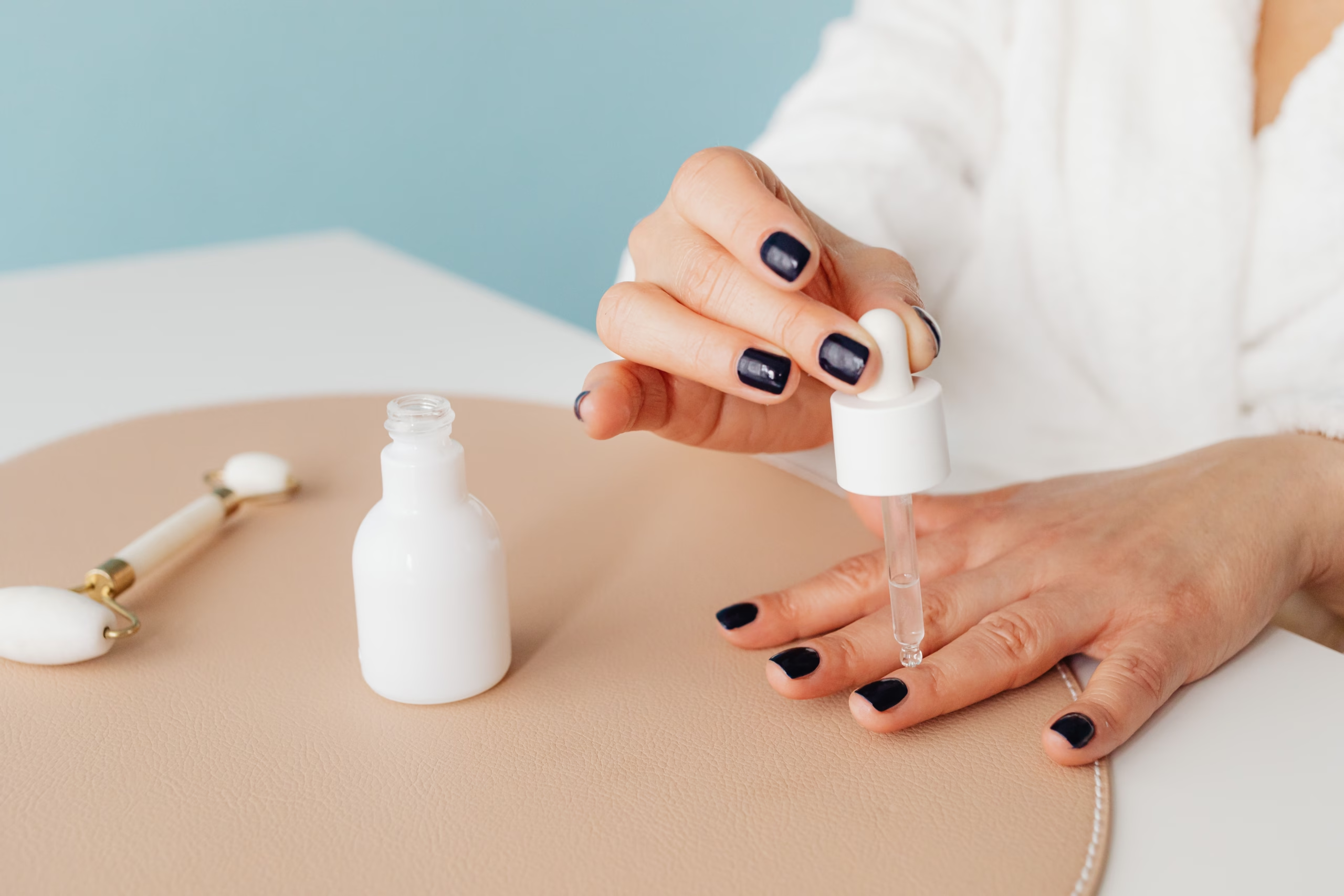
One or two drops massaged into the cuticles at night soften the skin around the nails and make dryness less visible, a purely emollient effect. Although there is no specific study on brittle nails, the practice is simple and low risk.
Argan Oil for Hair
Lauric acid in coconut oil, with its small, linear molecule, enters the cortex, the inner part of the hair shaft, more easily. Argan oil, on the other hand, is dominated by long-chain unsaturated fatty acids, so it acts mainly on the surface, where it lubricates the cuticle, the layer of scales that covers the strand. In doing so, it reduces friction between strands and forms a thin film that adds shine and cuts down on frizz. Some partial penetration is possible, but the visible effect comes mostly from this outer sealing.
The 2013 trial with dyed tresses is a laboratory finding on cut hair, with no volunteers involved. There is no evidence that the oil makes hair grow or strengthens the root, and the impression of tougher hair comes from less breakage due to friction. For fine hair, a few drops on the ends are enough, while thick, curly or coily hair usually takes larger amounts without being weighed down.
Culinary Use
Culinary argan oil exists, but it is a different product. Made from roasted kernels, it has a darker amber color and a flavor reminiscent of hazelnut. It is used raw in salads, over couscous, on breakfast bread and in amlou. Cosmetic oil, by contrast, comes from raw kernels and does not always go through the controls required for food, so it should stay out of the kitchen. At the Moroccan table, culinary argan oil is usually added as a finishing touch, without strong heating. When buying, look for a clear statement of food use on the label.
How to Use Argan Oil in Practice
Before the first use, do a patch test by applying one drop to the inside of your forearm and watching the area for 24 to 48 hours. If redness, itching or swelling appears, do not use the product. Once the test is done, the amounts below are a starting point.
- Body: 1 to 2 mL, about half a teaspoon, right after a shower, on the driest areas such as elbows, knees and shins.
- Face: 2 to 3 drops warmed between the palms and pressed onto still-damp skin at night, after cleansing.
- Hair: 2 to 4 drops spread over the ends, dry or damp, or 5 to 10 mL from mid-lengths to ends as a pre-wash treatment for 30 minutes.
Three simple combinations work well for everyday use.
- Enriched hand cream: 3 drops of argan oil mixed into a portion of fragrance-free moisturizer at the moment of application.
- Hair mask: 1 tablespoon (15 mL) of argan oil with 2 tablespoons of conditioner, left on for 20 minutes before rinsing.
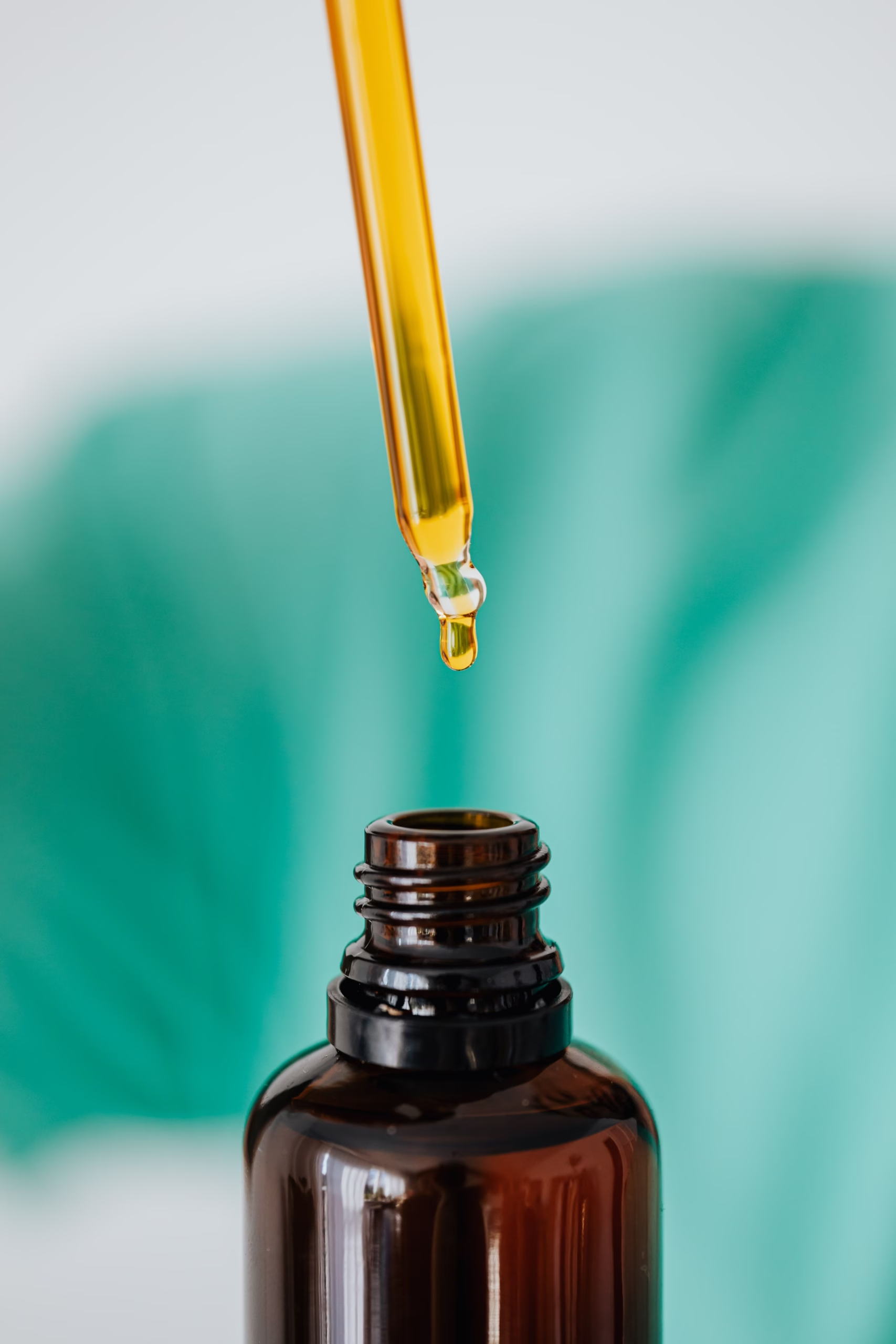
- Light facial serum: 10 mL of argan oil with 10 mL of jojoba oil in a dark dropper bottle.
To store it, keep the bottle tightly closed, away from light and heat, and respect the date on the label. Because about a third of the fatty acids are linoleic, the refrigerator helps extend freshness in hot climates. The slight cloudiness caused by cold disappears once the oil returns to room temperature.
How to Choose a Quality Argan Oil
The first step is to read the ingredient list. In the INCI, pure oil lists only Argania Spinosa Kernel Oil. Any other item, such as Helianthus Annuus Seed Oil (sunflower), silicones like dimethicone or parfum, indicates a blend. Many hair products sold as argan oil are actually silicone bases with a small percentage of the oil. The terms "cold-pressed" and "virgin" indicate unrefined oil, while refined and deodorized oil comes out almost colorless and odorless, useful in formulations but with fewer minor compounds.
The expected color for raw cosmetic oil is light gold, with a mild, slightly herbaceous and nutty scent. A strong toasted smell in a skin product suggests roasted kernels or a blend. Choose amber or dark glass in small bottles, and avoid clear plastic exposed to light. Certifications such as COSMOS, Ecocert, Fair for Life and USDA Organic exist, and each certifier lets you check the seal on its own website. Keep in mind, though, that a fair trade seal tells you about working conditions, not purity.
The best-known adulteration is dilution with cheaper oils such as sunflower, which laboratories detect through campesterol or alpha-linolenic acid above expected levels. Rancid oil, for its part, gives itself away with a smell of paint or putty, a sticky feel and a bitter taste, and in that case the best option is to throw it out.
How Argan Oil Compares with Similar Oils
The table places argan beside three oils that compete for the same spot in a care routine, with general data on composition and use.
| Oil | Dominant component | Texture and absorption | Best use | Relative price |
|---|---|---|---|---|
| Argan | Balanced oleic and linoleic acids | Medium, barely greasy feel | Face, body and hair ends | High |
| Jojoba | Wax esters (gadoleic acid) | Light, fast absorption | Scalp and oily skin | Medium to high |
| Rosehip | Linoleic and alpha-linolenic acids | Light, dry feel | Face and areas with marks | Medium to high |
| Sweet almond | Oleic acid | Medium, slightly denser | Body and massage | Low |
Technically, jojoba is a liquid wax and not an oil, which explains its greater stability. Rosehip, on the other hand, oxidizes faster because of its omega-3 content, while argan sits in the middle ground between comfort, stability and versatility.
Safety, Allergies and Contraindications of Argan Oil
The Cosmetic Ingredient Review (CIR) Expert Panel assesses cosmetic ingredients in the United States. In 2017, it included argan oil in a broad assessment of plant oils and concluded that these oils are safe in the practices of use and concentrations described. That does not rule out individual reactions, which do occur and are documented.
There are case reports of allergic contact dermatitis after cosmetic use. In 2010, French researchers described anaphylaxis to argan oil in an adult man, with sensitization confirmed by skin tests and analysis of the oil's proteins. Cases like these remain rare in the literature. There are no data on cross-reactivity with tree nuts or with shea, which belongs to the same Sapotaceae family. Even so, people allergic to either should be extra careful with the patch test and, if they have a history of severe reactions, talk to an allergist first.
During pregnancy and breastfeeding, there are no specific studies on topical safety, but the literature also describes no warnings for cosmetic use in small amounts or for ordinary dietary consumption. If in doubt, avoid products blended with essential oils. For young children, use minimal amounts, always after a patch test, and avoid broken skin without guidance from a pediatrician. For dogs and cats, we found no specific safety data, so any use should go through a veterinarian. No drug interactions have been described for application to the skin either.
Sustainability and Social Impact
The argan tree supports the income of many rural families and, at the same time, suffers from overgrazing, cutting for firewood and prolonged droughts. From the 1990s onward, women's cooperatives emerged in which members cracked nuts, pressed and sold the oil, earning their own income. In the region, the product earned the nickname women's gold. Today the sector brings together hundreds of small businesses, most of them cooperatives, some grouped into unions such as UCFA. Even so, the model faces problems. Press reports point to wages below the national minimum in parts of the supply chain, middlemen taking the largest margin and industrial presses paying little for the fruit. For buyers, fair trade seals and traceable cooperative origin are the most concrete way to favor the people who do the manual work. Since 2021, the UN has marked May 10 as the International Day of Argania, adding weight to the protection of the tree and its agricultural system.
Frequently Asked Questions
Does Argan Oil Clog Pores?
It is often described as low in comedogenicity, but these ratings come from non-standardized scales and the response varies from person to person. If you have oily or acne-prone skin, you can try 1 or 2 drops at night on a small area and watch it for a few weeks before using it on your whole face.
Can I Use Argan Oil on My Face Every Day?
Yes, as long as the patch test came back negative and your skin tolerates it well. Two or three drops at night on damp skin are usually enough, and if blackheads, irritation or a heavy feeling appear, cut back on frequency or switch to jojoba.
What Is the Difference between Cosmetic and Culinary Argan Oil?
Cosmetic oil comes from raw kernels and has a mild scent, while culinary oil comes from roasted kernels and tastes of hazelnut. They are not interchangeable, because cosmetic oil does not always meet food standards and culinary oil smells too strong for the skin.
Does Argan Oil Make Hair Grow?
There is no evidence for that. The oil lubricates the cuticle and reduces friction, frizz and breakage, and it is this reduced breakage that gives the impression of growth, with no connection to the root or the scalp.
Can Pregnant Women Use Argan Oil?
There are no specific safety studies in pregnancy, nor any described warnings for cosmetic use in small amounts or for ordinary dietary consumption. As a precaution, choose pure oil without essential oils, do a patch test and talk to your obstetrician if in doubt.
How Can You Tell If Argan Oil Is Pure?
The label should list only Argania Spinosa Kernel Oil in the INCI, and the oil should have a light gold color, a mild scent and a dark bottle. Definitive confirmation requires laboratory analysis looking for markers such as campesterol and alpha-linolenic acid, which is why reputable brands usually provide batch test reports.
Notice: this content is for informational purposes and does not replace professional medical advice. Consult a physician or herbal practitioner before using medicinal plants, especially during pregnancy, breastfeeding, or alongside medication.
How to cite this article
NATUGREENS. Argan Oil: A Complete Guide for Skin, Hair and Cooking. Natugreens, 9 Nov. 2026. Disponível em: https://natugreens.com/argan-oil/. Accessed: Nov. 9, 2026.
Natugreens. (2026). Argan Oil: A Complete Guide for Skin, Hair and Cooking. Natugreens. https://natugreens.com/argan-oil/
References
View All 14 Cited References
Peer-Reviewed Scientific Studies (12)
- DOI2010 Astier C, et al. Anaphylaxis to argan oil. Allergy. 2010.
- DOI2016 Bogdan C, et al. Preliminary study on the development of an antistretch marks water-in-oil cream: ultrasound assessment, texture analysis, and sensory analysis. Clinical, Cosmetic and Investigational Dermatology. 2016.
- DOI2014 Boucetta KQ, et al. Skin hydration in postmenopausal women: argan oil benefit with oral and/or topical use. Przegląd Menopauzalny. 2014.
- DOI2015 Boucetta KQ, et al. The effect of dietary and/or cosmetic argan oil on postmenopausal skin elasticity. Clinical Interventions in Aging. 2015.
- DOI2017 Burnett CL, et al. Safety Assessment of Plant-Derived Fatty Acid Oils. International Journal of Toxicology. 2017.
- DOI2013 Faria PM, et al. Hair Protective Effect of Argan Oil (Argania spinosa Kernel Oil) and Cupuassu Butter (Theobroma grandiflorum Seed Butter) Post Treatment with Hair Dye. Journal of Cosmetics, Dermatological Sciences and Applications. 2013.
- DOI2014 Foti C, et al. Allergic contact dermatitis caused by argan oil. Contact Dermatitis. 2014.
- DOI2022 Gharby S, et al. Argan Oil: Chemical Composition, Extraction Process, and Quality Control. Frontiers in Nutrition. 2022.
- DOI2005 Hilali M, et al. Influence of origin and extraction method on argan oil physico-chemical characteristics and composition. Journal of Agricultural and Food Chemistry. 2005.
- DOI2018 Lin TK, et al. Anti-Inflammatory and Skin Barrier Repair Effects of Topical Application of Some Plant Oils. International Journal of Molecular Sciences. 2018.
- DOI2012 Ourrach I, et al. Detection of argan oil adulterated with vegetable oils: new markers. Grasas y Aceites. 2012.
- DOI2014 Zaanoun I, et al. Kinetic parameter determination of roasted and unroasted argan oil oxidation under Rancimat test conditions. Grasas y Aceites. 2014.
Supplementary Readings (2)
- 2018 FAO. Argan-based agro-sylvo-pastoral system within the area of Ait Souab-Ait Mansour, Morocco. Globally Important Agricultural Heritage Systems. 2018.
- 2014 UNESCO. Argan, practices and know-how concerning the argan tree. Intangible Cultural Heritage. 2014.