Quick summary
Light, stable and rich in a fatty acid that few plant oils contain, macadamia oil holds an unusual place in natural skin care. It comes from an Australian tree that spent almost a century under the wrong name, and that mistake still shows up on many labels. This guide brings together the botany, the chemistry, the…
Main caution: In 2017, the Expert Panel of the Cosmetic Ingredient Review (CIR) in the United States assessed 244 plant oils, macadamia oil among them. It concluded that they are safe in the present practices of use and concentration…
Light, stable and rich in a fatty acid that few plant oils contain, macadamia oil holds an unusual place in natural skin care. It comes from an Australian tree that spent almost a century under the wrong name, and that mistake still shows up on many labels. This guide brings together the botany, the chemistry, the handful of studies available and the safety precautions, separating what has scientific support from what is little more than a packaging promise.
What Is Macadamia Oil
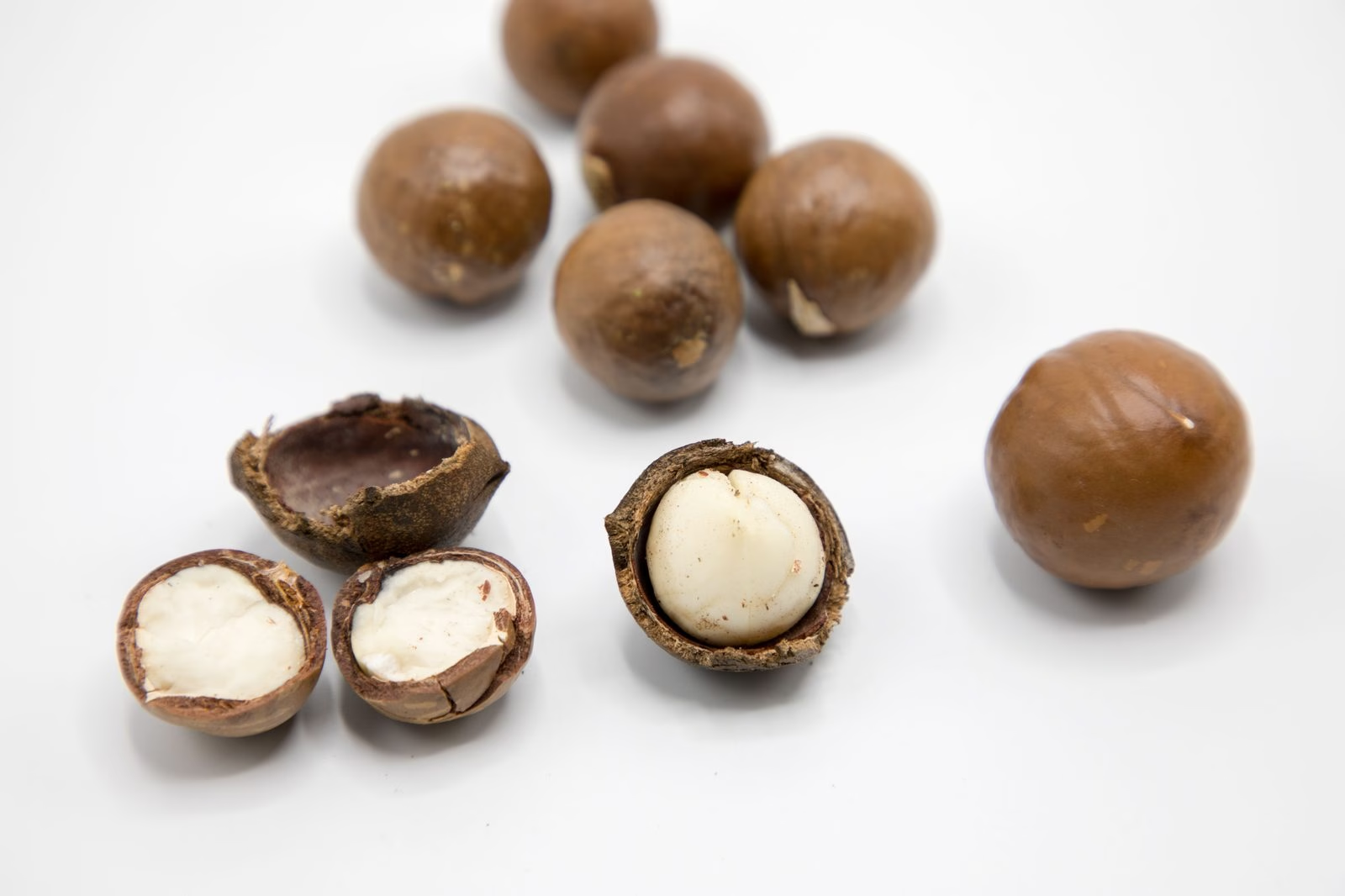
Macadamia oil is pressed from the kernel, the nut itself, of Australian trees in the genus Macadamia. They belong to the family Proteaceae, which also includes proteas and grevilleas. The main commercial source is Macadamia integrifolia Maiden & Betche, although many orchards also grow M. tetraphylla and hybrids between the two species. That is why the current INCI name is Macadamia Integrifolia/Tetraphylla Seed Oil. Plenty of packages still say Macadamia Ternifolia Seed Oil, a leftover from a classification error explained further down. Sealed inside an extremely hard woody shell, the kernel holds between 73 and 78% fat, according to an analysis of 15 cultivars published in 2021. It yields an oil that stays liquid at room temperature and is made up almost entirely of triglycerides. What sets it apart is palmitoleic acid, a 16-carbon monounsaturated fat that is rare in other seeds.
Origin and History of the Plant
The Plant and Where It Grows
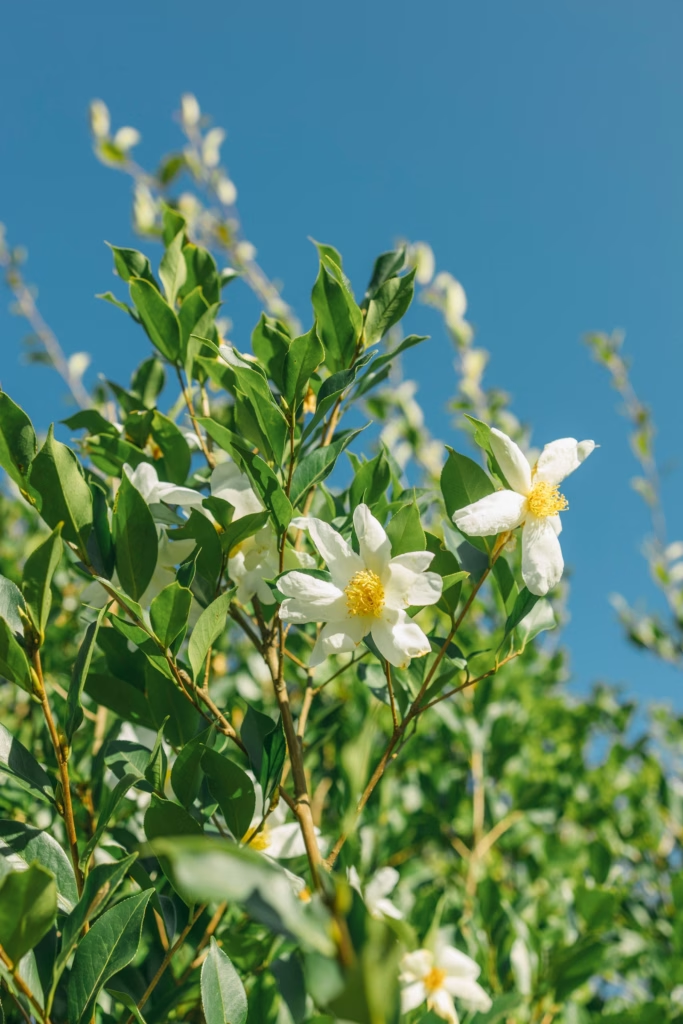
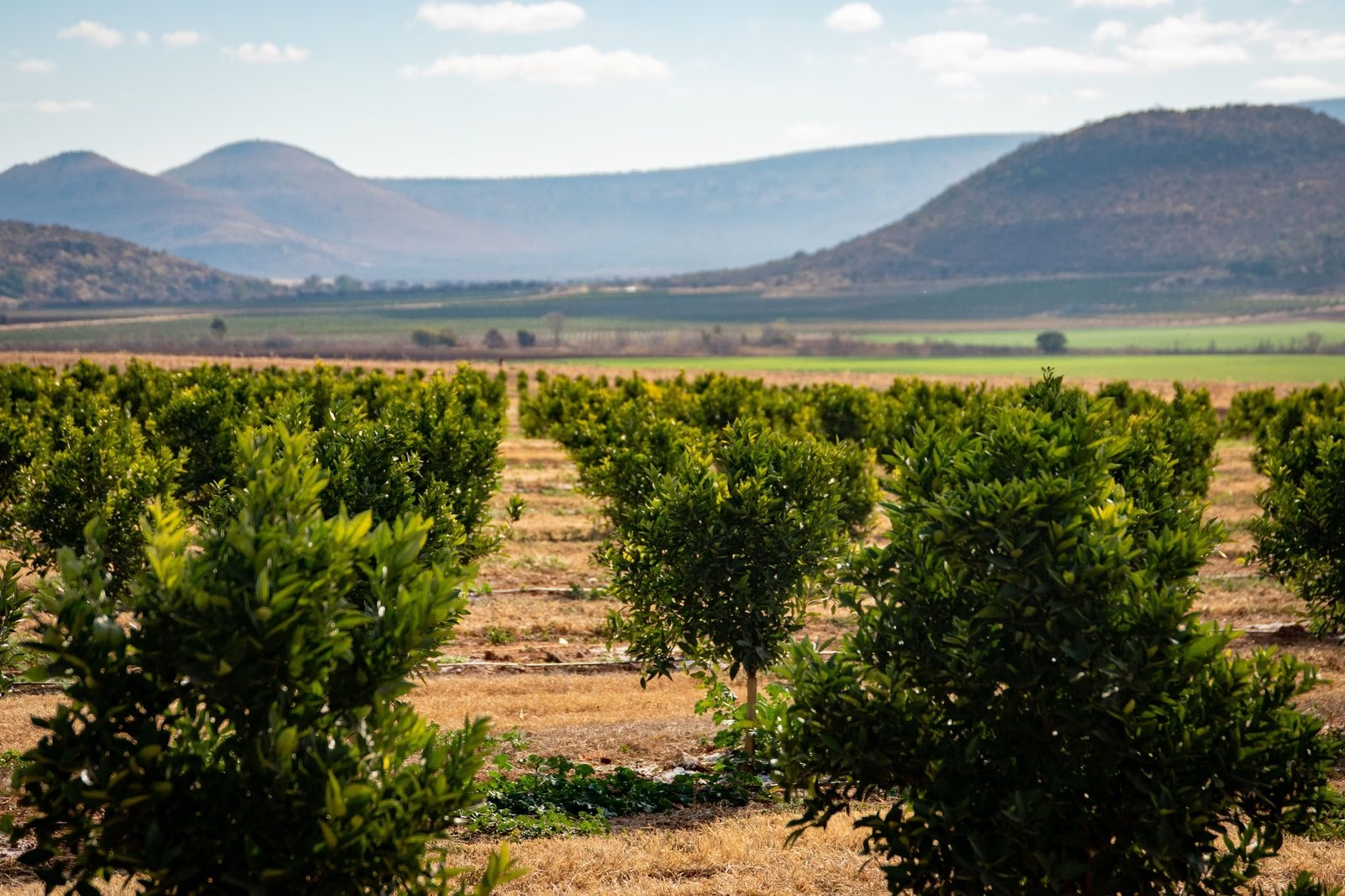
The macadamia is a rainforest tree that can grow taller than 15 meters, with long sprays of cream or pinkish flowers. In the wild, M. integrifolia grows in the coastal forests of southeast Queensland, while M. tetraphylla occurs a little farther south, in the far north of New South Wales. Land clearing has shrunk the wild populations, and both species are listed as vulnerable under Australian environmental law. In 2023 the government approved a national recovery plan for the genus. Outside Australia, major orchards are found in Brazil, China, Hawaii, Kenya and South Africa.
Historical Records
Aboriginal peoples of eastern Australia were eating the nuts long before colonization. For European botany, the story begins in 1857, when Ferdinand von Mueller described the genus and named the plant M. ternifolia. The genus name honored John Macadam, a chemist and politician based in Melbourne. The following year Walter Hill, superintendent of the Brisbane botanic garden, planted the tree usually cited as the first cultivated macadamia. Commercial production, however, only took shape in the 1920s, in Hawaii, from nuts gathered in the forests of southeast Queensland. For close to a century, different species were also lumped together under a single name. Only in 1956 did Lindsay Smith, a botanist with the Queensland government, clearly separate the three main ones. The detail matters, because the national recovery plan describes the kernel of M. ternifolia as bitter, cyanogenic (able to release cyanide) and inedible. Even so, the cosmetics industry kept the old name, which explains the outdated INCI.
How Macadamia Oil Is Extracted
Before extraction, the nuts are dried to remove moisture and then sent for mechanical cracking of the shell, one of the hardest among edible nuts. The oil preferred for skin care comes from cold pressing, done in a screw or hydraulic press without significant external heat. It comes out pale yellow to golden, with a faint nutty aroma, and it keeps its sterols, squalene and polyphenols. Since the kernel is more than 70% fat, the potential yield is high. Some oil always stays trapped in the press cake, though, which usually goes to animal feed or to a second extraction with solvent. In 2020, Brazilian researchers compared six combinations of pretreatment and pressing. The best results for yield, stability and peroxide value came from microwave heating before hydraulic pressing. Refined oil, on the other hand, is usually extracted with hexane and then neutralized, bleached and deodorized. The result is almost colorless and odorless, with a higher smoke point, but it loses a good share of the minor compounds.
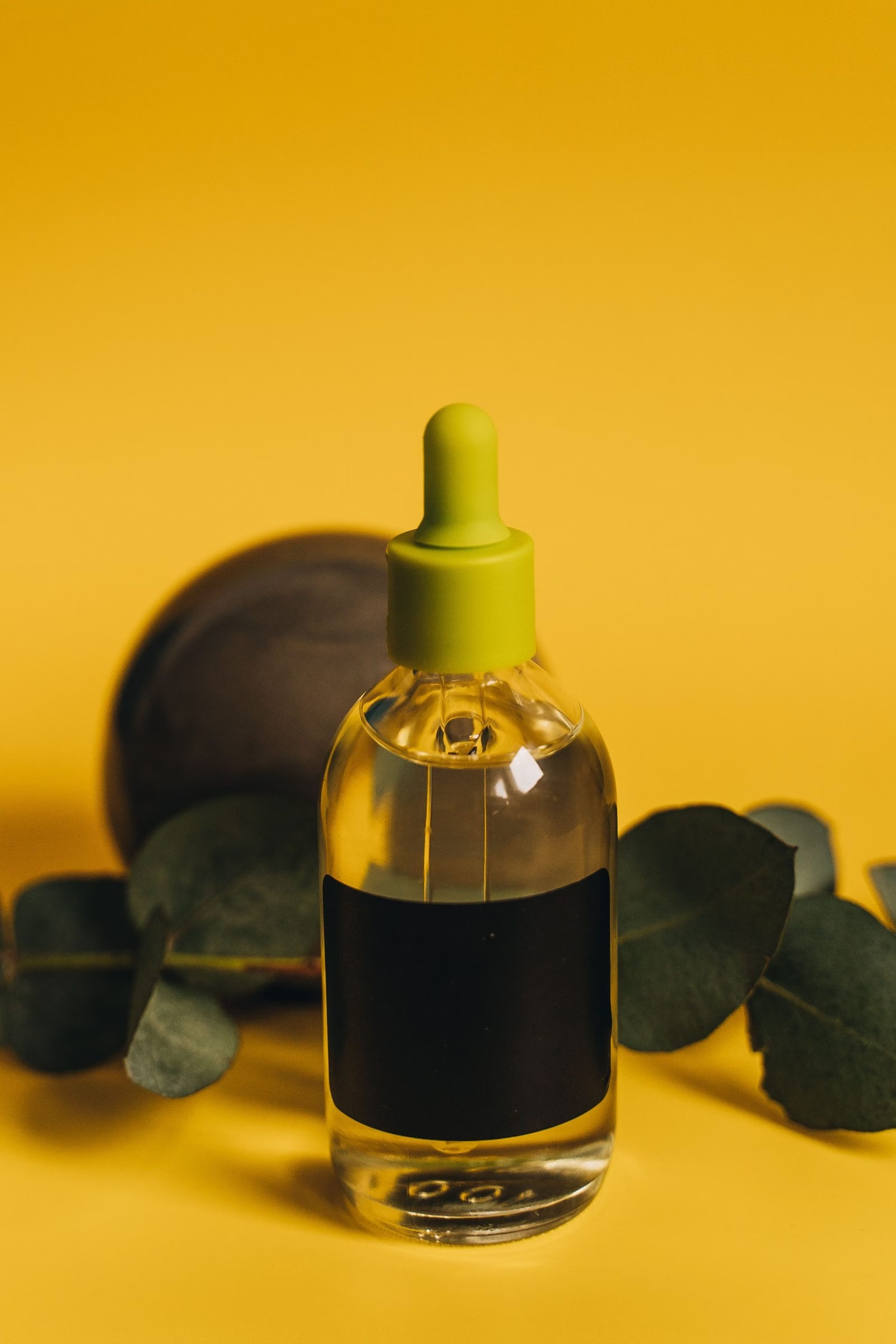
Composition and Properties of Macadamia Oil
Like nearly every plant oil, macadamia oil consists mostly of triglycerides. What makes it different is the pairing of a large amount of oleic acid with a share of palmitoleic acid that almost no other seed oil reaches.
Fatty Acid Profile
The ranges below come from an analysis of 15 M. integrifolia cultivars published in the journal Foods in 2021. Other studies, using different varieties and regions, found palmitoleic acid closer to 20%, so the figures work as a reference rather than a specification.
| Fatty acid | Type | Reported range (%) |
|---|---|---|
| Oleic (C18:1, omega-9) | Monounsaturated | 61.7 to 66.5 |
| Palmitoleic (C16:1, omega-7) | Monounsaturated | 13.2 to 17.6 |
| Palmitic (C16:0) | Saturated | 6.8 to 8.3 |
| Stearic (C18:0) | Saturated | 2.5 to 4.1 |
| Arachidic (C20:0) | Saturated | 2.5 to 3.2 |
| Eicosenoic (C20:1) | Monounsaturated | 2.2 to 3.2 |
| Linoleic (C18:2, omega-6) | Polyunsaturated | 1.2 to 2.5 |
| Alpha-linolenic (C18:3, omega-3) | Polyunsaturated | 0.2 to 0.4 |
Monounsaturated fats come close to 80% of the total, while polyunsaturated fats stay under 3%. With so little multiple unsaturation, the oil behaves as a non-drying oil, meaning it does not form a hardened film when exposed to air. In accelerated oxidation tests, resistance varies considerably from one cultivar to another and from batch to batch. The comedogenic ratings found in online charts rely on unstandardized scales and do not agree with one another. There is also a point that marketing tends to leave out: the 16-carbon acid typical of human sebum is sapienic acid, an isomer of palmitoleic acid, so the much-advertised resemblance to skin is only partial.
Unsaponifiable Fraction and Antioxidants
The unsaponifiable fraction is small but interesting. In the 2021 study, phytosterols added up to 1,570 to 2,065 mg/kg, dominated by beta-sitosterol, followed by delta-5-avenasterol and campesterol. Squalene ranged from 91 to 268 mg/kg, and total polyphenols from 20 to 123 mg/kg in gallic acid equivalents. The only form of vitamin E detected was alpha-tocotrienol, at 28 to 53 mg/kg, a modest amount for a plant oil. The oil's stability therefore owes more to its low polyunsaturated content than to antioxidants.
What Science Has Shown About Macadamia Oil
Almost all clinical research on macadamia involves the whole nut, not the oil applied to skin, a distinction that many cosmetics websites ignore. In 2003, an Australian trial followed 17 men with high cholesterol for four weeks. They ate 40 to 90 g of nuts a day, and their total and LDL cholesterol fell modestly. Five years later, a crossover trial in the United States with 25 adults with mildly elevated cholesterol compared a macadamia-rich diet with a typical American diet over five weeks. Total and LDL cholesterol were lower after the nut period, while triglycerides did not change. Both studies, however, were small and short.
For skin, the data are even more indirect. In 2018, a study in rats showed that isolated palmitoleic acid, applied to wounds, sped up closure and lowered inflammatory markers. Macadamia oil itself was not tested. In 2017, small trials in volunteers evaluated a sebum-mimicking lipid made from chemically modified jojoba and macadamia oils. The authors reported faster barrier recovery and better hydration than with the comparators. Because the ingredient was a transesterified blend and the research came from an ingredient supplier, the finding does not automatically apply to the pure oil.
Traditional Uses and Ethnobotanical Record
The ethnobotanical record for macadamia is mostly about food. For Aboriginal peoples of eastern Australia, the nuts were a valued food, a trade item and a cultural resource, according to the national recovery plan, which records women gathering, cracking and roasting them. Nut-cracking stones, a base rock paired with a hammer stone, turn up at archaeological sites in the region. We found no documented Aboriginal use of the oil on skin or hair. Articles that speak of an ancient macadamia beauty tradition are usually marketing. European settlers nicknamed the tree the Queensland nut, and Queensland nut tree is still the common name for M. integrifolia in Australia. Cosmetic use is modern and followed the commercial expansion of the crop in the 20th century. What exists, then, is a traditional record of the nuts eaten as an energy-rich food, with no clinical confirmation of any therapeutic effect.
Macadamia Oil for Skin
Moisture
Like any oil, macadamia oil works mainly as an emollient. It leaves a thin film that slows water loss and makes skin feel softer. With its high monounsaturated content, it feels light and spreads easily without leaving a lasting shine, which is why it shows up in lotions, face creams and massage oils. It works best on skin that is still damp, right after a shower, when it helps hold in the water already there.
Skin Barrier
When it comes to barrier repair, the only human evidence comes from the modified ingredient described in the previous section, not from the pure oil. There is also an indirect warning. In a 2013 study of 19 adults, some with a history of atopic dermatitis, olive oil, another oil dominated by oleic acid, applied twice a day for about a month weakened the integrity of the stratum corneum and caused mild redness. Macadamia oil was not tested, but people with atopic dermatitis should start cautiously and watch how their skin responds.
Stretch Marks and Scars
No studies have looked at macadamia oil for stretch marks or scars. The palmitoleic acid wound study was done in rats with the isolated compound, which gives no grounds to promise results on human scars. For massaging areas with stretch marks, it makes a comfortable glide base, and that is the realistic benefit.
Nails and Cuticles
A drop massaged into the cuticles at night softens the skin around the nails and improves a dry look. Any stable oil can do this, but the fine texture of macadamia oil makes the habit pleasant.
Macadamia Oil for Hair
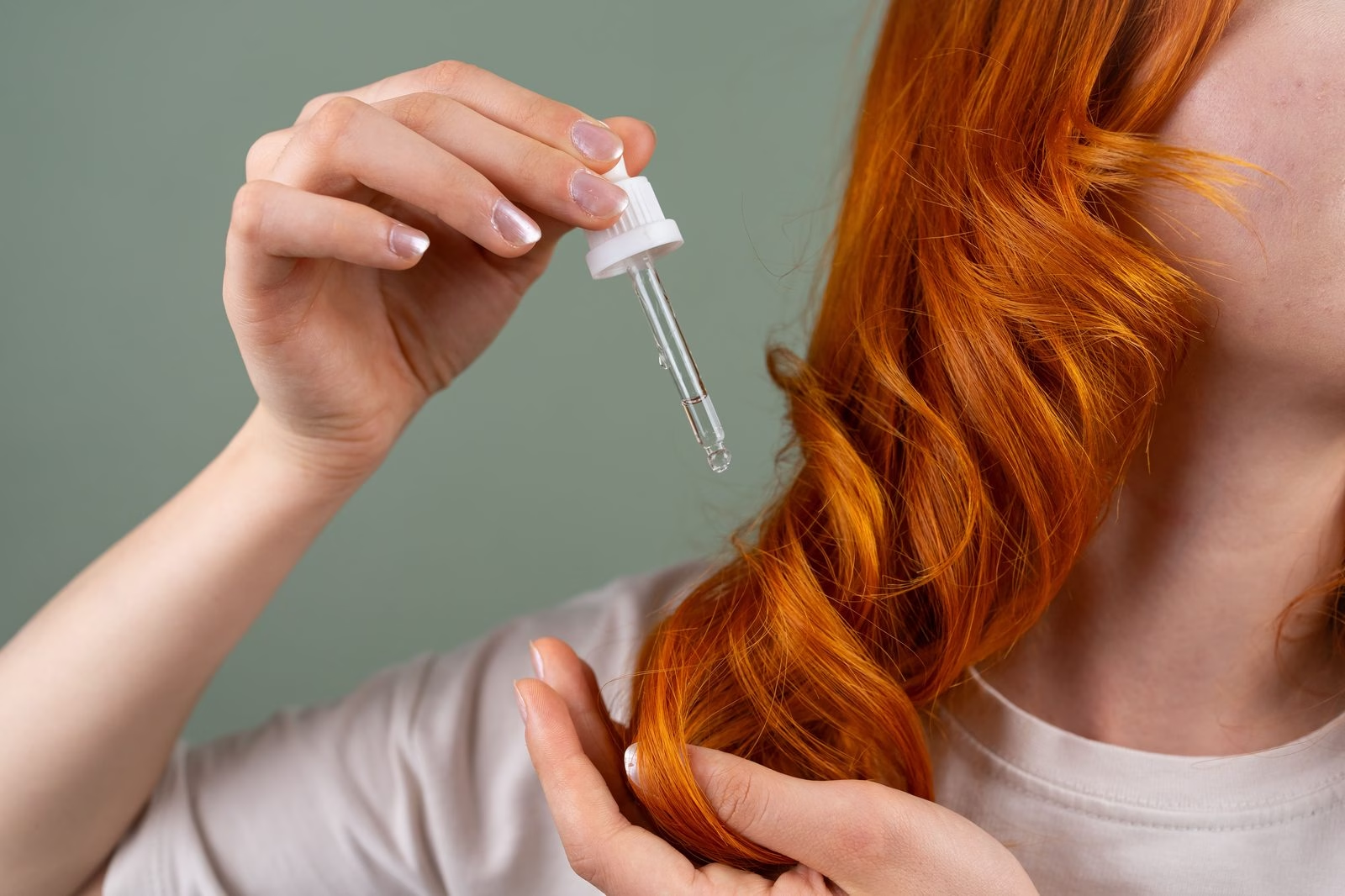
On hair, macadamia oil works mainly at the surface, and no studies have measured how much of it penetrates the fiber. In practice, its most consistent effect is lubricating the cuticle, the outer layer of scales on each strand, which reduces friction and frizz. The light texture suits fine or wavy hair that gets weighed down by heavy butters. If your scalp is oily, keep the oil away from the roots and apply it only from the mid-lengths to the ends. On bleached or chemically treated hair, which is more porous, small amounts help reduce roughness to the touch without weighing it down. No studies show that it strengthens hair from within or speeds up growth. If hair seems longer after weeks of use, the likely reason is that lubrication cut down on breakage at the ends. Nor is there any basis for using it against hair loss, which can have hormonal, nutritional or inflammatory causes and calls for a dermatologist's assessment.
Culinary Use
Macadamia oil is edible and has an established place in cooking, especially in Australia, where supermarkets sell it as a cooking oil. Its flavor is mild and slightly buttery, and it pairs well with salads, fish and vegetables. With few polyunsaturated fats, it holds up well to sautéing. In 2019, a frying study found that blending macadamia oil with palm olein improved the nutritional quality and thermal stability of the mix. The cholesterol trials mentioned above, however, tested the whole nut, so their results do not carry over to the oil. One practical caution: oil sold in cosmetics shops does not always meet food safety standards. For cooking, buy only oil labeled as food grade.
How to Use Macadamia Oil
Before the first application, do a patch test: put 1 or 2 drops on the inner forearm, cover with a bandage and watch for 24 to 48 hours. If redness, itching or burning appears, stop using it. Once the test comes back clear, these amounts are usually enough:
- Body: about 5 mL, one teaspoon, on damp skin right after a shower.
- Cuticles: 1 drop per hand, massaged in before bed.
- Face: 2 or 3 drops warmed between the palms and pressed onto damp skin at night.
- Hair: 2 to 4 drops spread over dry ends, or 5 to 10 mL through the lengths half an hour before shampooing.
Three simple blends to get started:
- Lip scrub: 1 teaspoon of fine sugar with half a teaspoon of macadamia oil, used once a week.
- Post-shower body oil: 20 mL of macadamia oil with 10 mL of jojoba oil in a dark glass bottle.
- Pre-wash hair mask: 15 mL of macadamia oil with 15 mL of shea butter melted in a water bath, applied to the ends for 30 minutes.
Store the oil in a dark, tightly closed bottle away from sunlight and heat. Because it is low in polyunsaturated fats, it keeps longer than rosehip oil and does not need refrigeration. In hot climates, though, the fridge helps, even if it turns the oil cloudy for a while.
How to Choose a Quality Macadamia Oil
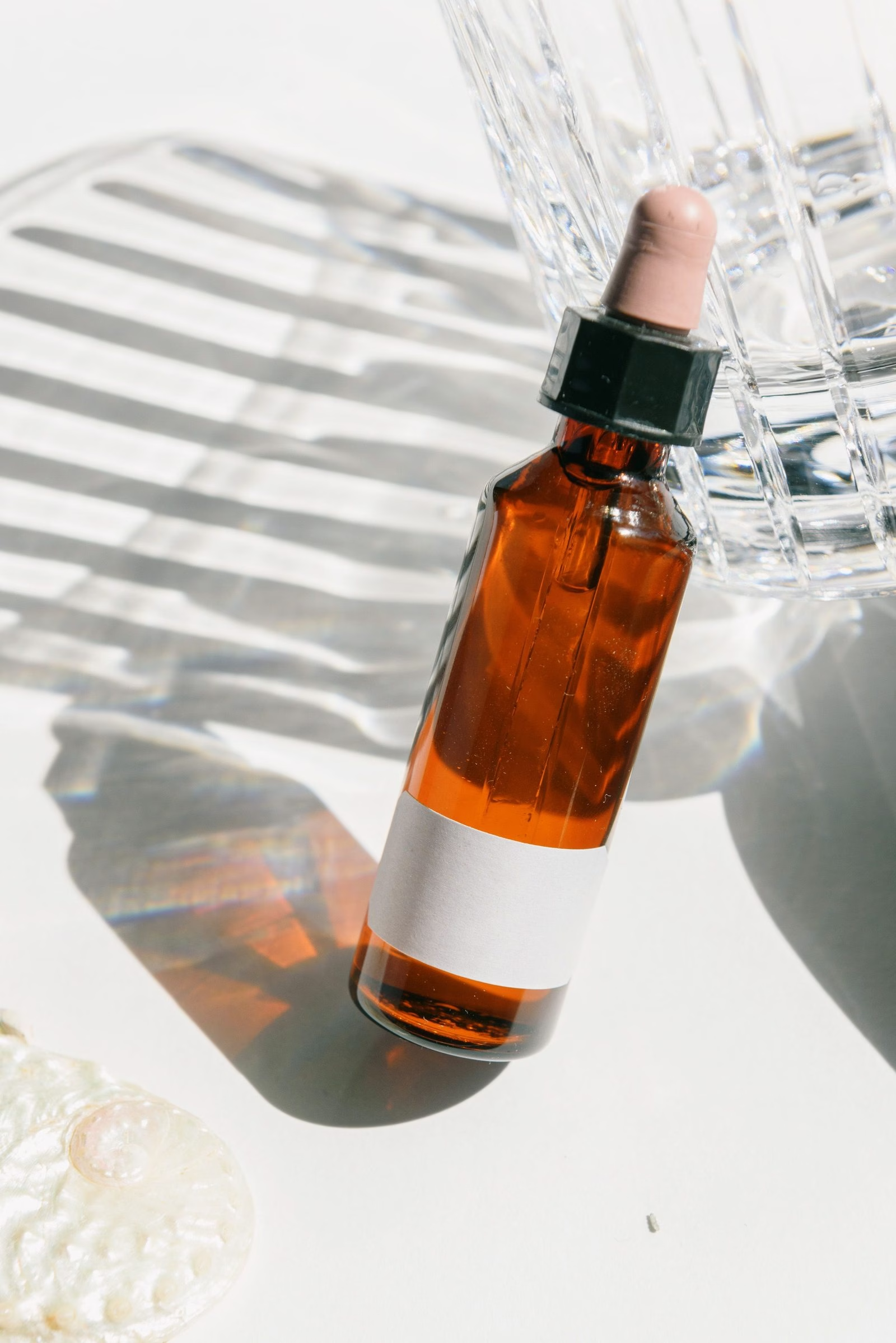
A pure oil lists a single ingredient on the INCI label. It may appear as Macadamia Integrifolia/Tetraphylla Seed Oil, Macadamia Integrifolia Seed Oil or Macadamia Ternifolia Seed Oil, all of which refer to the same product. If the label lists other oils, fragrance or the word blend, you are looking at a mixture. For skin care, look for cold pressed and unrefined, or virgin. This kind of oil is pale yellow to golden, with a soft nutty aroma. A colorless, odorless oil has probably been refined, which does not make it bad, just poorer in minor compounds. Choose amber glass or opaque bottles with a seal and a visible batch number and expiry date.
Organic or fair trade seals, such as COSMOS, Ecocert, Fair for Life and USDA Organic, only count when they show the certificate number and the name of the certifying body. We found no studies documenting widespread adulteration of macadamia oil. Still, it costs more than soybean or sunflower oil, so a price far below average deserves suspicion. A smell of paint or stale nuts, a bitter taste and a darkened color are signs of rancidity, and at that point the bottle belongs in the trash.
Macadamia Oil Compared to Similar Oils
The table compares macadamia oil with four other lipids that often compete for the same shelf space. Sea buckthorn is included because its pulp oil is also rich in palmitoleic acid, and jojoba appears because, technically, it is a liquid wax.
| Oil | Dominant fatty acid | Texture and absorption | Best use | Relative price |
|---|---|---|---|---|
| Avocado | Oleic | Heavy, slow absorption | Very dry skin and hair masks | Medium |
| Jojoba | Eicosenoic, in wax esters | Light, dries quickly | Face, oily skin and scalp | High |
| Macadamia | Oleic, with 13 to 18% palmitoleic | Light, fast absorption | Face, body and hair ends | Medium to high |
| Sea buckthorn (pulp) | Palmitoleic and palmitic | Medium, orange color that can stain | Small amounts in facial blends | High |
| Sweet almond | Oleic | Medium, glides well | Massage and body moisturizing | Low |
For everyday use, macadamia gives a feel almost as light as jojoba, at a price that usually falls between jojoba and sweet almond.
Safety, Allergies and Contraindications of Macadamia Oil
In 2017, the Expert Panel of the Cosmetic Ingredient Review (CIR) in the United States assessed 244 plant oils, macadamia oil among them. It concluded that they are safe in the present practices of use and concentration described. The report itself treats Macadamia Integrifolia Seed Oil and Macadamia Ternifolia Seed Oil as the same ingredient.
Macadamia is a tree nut, and allergy to it has been described, although it is less common than allergy to other nuts. Refined oils tend to carry less protein, but that is no guarantee of safety. Anyone with a tree nut allergy should avoid the oil or talk to an allergist first.
During pregnancy and breastfeeding, specific studies on topical safety are lacking, but no warnings have been described for moderate cosmetic use either. On children, use minimal amounts and avoid broken skin unless a pediatrician advises otherwise. No drug interactions have been described for application to the skin.
Safety note for pets: macadamia nuts are toxic to dogs (causing weakness, tremors and fever, usually reversible), through a mechanism that veterinary science has not yet fully explained. The oil has no equivalent reports of toxicity, but keep nuts and macadamia-based products out of reach of pets.
In a case review published in 2000 by the ASPCA animal poison control center, covering 29 cases, the most common signs were weakness, lethargy and vomiting, and most dogs recovered within one to two days. Even so, if your dog eats macadamia nuts, contact a veterinarian.
Sustainability and Social Impact
The Australian government itself describes the genus as the country's main native commercial food crop, but this story has a less familiar side. While orchards multiplied, the wild populations, which hold the genetic diversity of the genus, came under threat from land clearing and fragmentation. The national recovery plan approved in 2023 also points to crossbreeding with cultivated trees, which carries genes from nearby orchards into the forests. For this reason, the plan calls for protecting the remaining stands, many of them on private land, with the involvement of landholders. Today production is spread across Australia, Brazil, China, Kenya, South Africa and the United States (Hawaii), among others, with large mechanized farms alongside smallholders. For buyers, a stated origin, fair trade seals and organic certification are the most concrete clues to a transparent supply chain.
Frequently Asked Questions
Does Macadamia Oil Clog Pores?
It is often described as low in comedogenicity, but those ratings come from unstandardized scales and the answer varies from person to person. If your skin is oily or acne-prone, test 1 or 2 drops at night on a small area and watch for a few weeks before using it on your whole face.
Is Macadamia Oil Good for Oily Skin?
It can be, because it has a light texture and leaves the surface quickly, but no study has compared its effect on oily skin. Start with 1 or 2 drops mixed into your moisturizer, at night only, and see how your skin reacts. If blackheads or a heavy feeling appear, jojoba is usually a better tolerated alternative.
Can People with Nut Allergies Use Macadamia Oil?
As a precaution, it is best to avoid it or use it only after talking to an allergist. Macadamia is a tree nut, and even refined oil may contain traces of protein. For people with no known allergy, a patch test on the forearm for 24 to 48 hours is the recommended precaution before first use.
Does Macadamia Oil Make Hair Grow?
There is no evidence that it does. The oil lubricates the cuticle and reduces friction, frizz and breakage at the ends, and it is this reduced breakage that can give the impression of growth. It does not act on the roots or on the follicle cycle, and persistent hair loss deserves an assessment by a dermatologist.
Why Does the Label Say Macadamia Ternifolia?
It is a historical leftover. In 1857, Ferdinand von Mueller described the genus under the name M. ternifolia, and for decades plants of different species circulated under that label, until the species were clearly separated in 1956. The cosmetics industry kept the old name, but commercial oil comes from M. integrifolia, M. tetraphylla or their hybrids, and the updated INCI already reflects this.
Is Macadamia Oil Dangerous for Dogs?
The nut is toxic to dogs and can cause weakness, tremors and fever, almost always reversible. The oil has no equivalent reports of toxicity. Even so, keep nuts, creams and bottles out of reach of animals and contact a veterinarian if your dog swallows anything containing macadamia.
Notice: this content is for informational purposes and does not replace professional medical advice. Consult a physician or herbal practitioner before using medicinal plants, especially during pregnancy, breastfeeding, or alongside medication.
How to cite this article
NATUGREENS. Macadamia Oil: A Complete Guide for Skin and Hair. Natugreens, 9 Nov. 2026. Disponível em: https://natugreens.com/macadamia-oil/. Accessed: Nov. 9, 2026.
Natugreens. (2026). Macadamia Oil: A Complete Guide for Skin and Hair. Natugreens. https://natugreens.com/macadamia-oil/
References
View All 13 Cited References
Peer-Reviewed Scientific Studies (10)
- PMC2017 Addy J, et al. A botanically derived skin surface lipid mimetic based on the composition of healthy 22-year-old females. Journal of Cosmetic Science. 2017.
- DOI2017 Burnett CL, et al. Safety Assessment of Plant-Derived Fatty Acid Oils. International Journal of Toxicology. 2017.
- DOI2013 Danby SG, et al. Effect of olive and sunflower seed oil on the adult skin barrier: implications for neonatal skin care. Pediatric Dermatology. 2013.
- DOI2003 Garg ML, et al. Macadamia nut consumption lowers plasma total and LDL cholesterol levels in hypercholesterolemic men. Journal of Nutrition. 2003.
- DOI2008 Griel AE, et al. A macadamia nut-rich diet reduces total and LDL-cholesterol in mildly hypercholesterolemic men and women. Journal of Nutrition. 2008.
- PMC2000 Hansen SR, et al. Weakness, tremors, and depression associated with macadamia nuts in dogs. Veterinary and Human Toxicology. 2000.
- DOI2019 Koohikamali S, Alam MS. Improvement in nutritional quality and thermal stability of palm olein blended with macadamia oil for deep-fat frying application. Journal of Food Science and Technology. 2019.
- DOI2020 Ribeiro APL, et al. Characterization of macadamia oil (Macadamia integrifolia) obtained under different extraction conditions. Emirates Journal of Food and Agriculture. 2020.
- DOI2021 Shuai X, et al. Comparative Study of Chemical Compositions and Antioxidant Capacities of Oils Obtained from 15 Macadamia (Macadamia integrifolia) Cultivars in China. Foods. 2021.
- DOI2018 Weimann E, et al. Topical anti-inflammatory activity of palmitoleic acid improves wound healing. PLOS ONE. 2018.
Supplementary Readings (3)
- 2023 Department of Climate Change, Energy, the Environment and Water. Environment Protection and Biodiversity Conservation (National Recovery Plan for Macadamia Species) Instrument 2023. Australian Government, Federal Register of Legislation. 2023.
- 2026 Sunshine Coast Council. Macadamia: what's in a name. Mary Cairncross Scenic Reserve. Accessed 2026.
- 2026 Wild Macadamia Conservation. History. Wild Macadamia Conservation. Accessed 2026.