Quick summary
Anyone who reads the labels on moisturizers, makeup removers and hair serums runs into jojoba oil again and again, and there is a chemical reason for that. Unlike most plant oils, it is not made of triglycerides but of long-chain wax esters. That structure resembles part of the skin's own sebum and holds up remarkably…
Main caution: Safety note: jojoba wax is indigestible and must not be swallowed; the seeds contain simmondsin, a substance that was toxic in animal studies and has been linked to reports of gastrointestinal upset in humans. For…
Anyone who reads the labels on moisturizers, makeup removers and hair serums runs into jojoba oil again and again, and there is a chemical reason for that. Unlike most plant oils, it is not made of triglycerides but of long-chain wax esters. That structure resembles part of the skin's own sebum and holds up remarkably well against oxidation. This guide covers the plant, its composition, the available evidence, practical uses and safety precautions, always keeping traditional records apart from what has actually been studied.
What Is Jojoba Oil
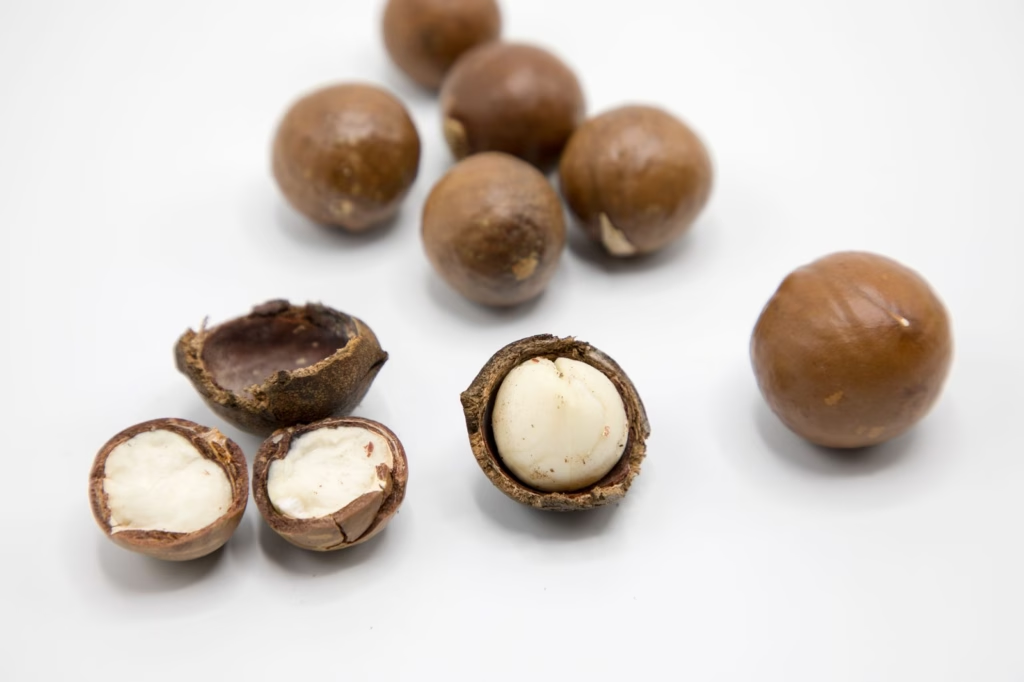
Jojoba oil is the golden liquid obtained from the seeds of Simmondsia chinensis (Link) C.K.Schneid., a desert shrub in the family Simmondsiaceae. This family contains a single genus and a single species. Jojoba was once grouped with boxwood, and the original name given by the botanist Link, Buxus chinensis, still carries that mistake. The epithet "chinensis" is misleading too, since it came from a labeling error: the plant never came from China. It grows wild in the Sonoran Desert, which spans Mexico and the southwestern United States.
Although the market calls it an "oil", the product is technically a liquid wax. Analyses by Busson-Breysse and colleagues show that nearly all of it, around 97 to 98%, consists of wax esters, meaning molecules that join a fatty acid to a fatty alcohol, both with long chains. Ordinary oils such as sunflower, by contrast, are triglycerides, with three fatty acids attached to glycerol. Almost everything that makes jojoba unusual stems from this difference.
Origin and History of the Plant

The Plant and Where It Grows
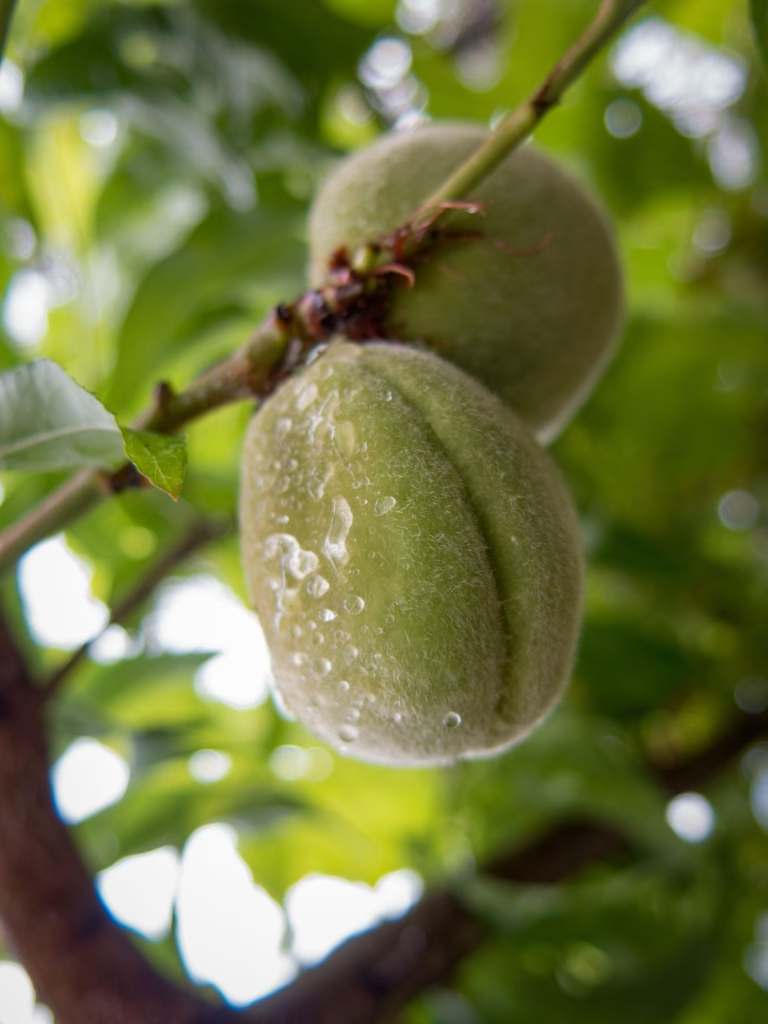
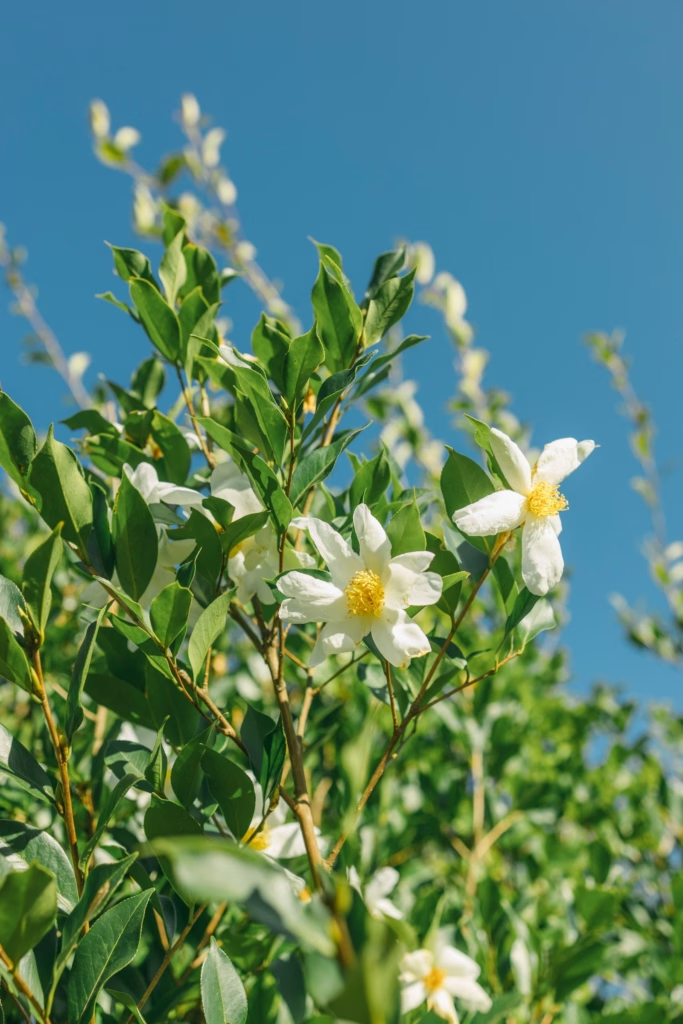
Jojoba is a woody perennial shrub, usually only a few meters tall. Its thick, gray-green leaves stand almost vertically, which cuts down their exposure to the midday sun. The species is dioecious, so there are separate male and female plants, and only the females produce seeds. According to the alternative field crops manual from the universities of Wisconsin and Minnesota, the taproot reaches great depths in search of water, and native populations survive on annual rainfall of roughly 75 to 450 mm. Beyond its home range in Arizona, California and northwestern Mexico, the review by Al-Obaidi and colleagues records commercial plantings in countries such as Argentina, Egypt and Israel.
Historical Records
The name "jojoba" comes from Indigenous languages of the Sonora region. Desert peoples rubbed the oil on wounds, on sun-damaged skin and on the scalp, and Jesuit missionaries who traveled through Baja California in the 18th century left accounts of these customs, describing the seed as food and the oil as medicine.
The commercial turning point came in the early 1970s, when the United States began restricting imports of sperm whale products. Oil from this whale supplied lubricants and cosmetics, and reviews by the groups of Al-Obaidi and Gad describe how jojoba wax, with its similar structure, became the natural substitute. The first commercial plantations followed.
How Jojoba Oil Is Extracted
The jojoba seed is generous: according to the manual by Undersander and colleagues, wax makes up about half of its weight. In natural cosmetics, the preferred method is cold pressing, in which a mechanical press crushes the seeds without external heat. After filtering, the liquid keeps its golden color, its faint, slightly nutty aroma and its natural antioxidants.
The press does not remove all of the wax, though. For that reason the leftover seed cake can go on to solvent extraction, usually with hexane, which recovers the rest. This material is often refined, with bleaching over activated charcoal and alkaline treatment. The result is almost colorless and odorless, ideal for neutral formulas, although it loses some of its tocopherols and a little stability.
Industry also makes derivatives. Hydrogenation turns the wax into a white, crystalline solid, while interesterification produces jojoba esters, common in lipsticks and in exfoliants made with microbeads. These products have their own uses and are not equivalent to pressed oil.
Composition and Properties of Jojoba Oil
In the work of Busson-Breysse and colleagues, jojoba esters generally contain 40 to 44 carbon atoms. They derive mainly from acids and alcohols with 20 and 22 carbons, nearly all with a single double bond. With few unsaturated sites to attack, oxygen acts slowly, and the crude product lasts far longer than oils rich in linoleic acid.
Fatty Acid Profile
The values below combine the analyses by Busson-Breysse (1994) and Awad (2022), each with colleagues, and they vary with genotype, climate and harvest. They refer to the fatty acids bound in the esters.
| Fatty acid | Type | Approximate content (%) |
|---|---|---|
| Gondoic (eicosenoic) | C20:1 | 66 to 77 |
| Erucic | C22:1 | 10 to 20 |
| Oleic | C18:1 | 5 to 15 |
| Palmitic | C16:0 | 0.2 to 3 |
| Nervonic | C24:1 | up to 1.5 |
| Others (linoleic, palmitoleic, stearic, vaccenic) | various | up to 3 |
Among the fatty alcohols, eicosenol and docosenol predominate, with a smaller share of tetracosenol. The product is liquid at room temperature but clouds and hardens between 7 and 10 °C, which is normal and reversible. The iodine value, a measure of unsaturation, sits at around 80 g/100 g. The saponification value tends to be much lower than in common oils, because the molecules are larger and contain no glycerol.
Unsaponifiable Fraction and Antioxidants
Outside the esters there are free fatty acids and free alcohols, each group at about 1%. Sterols such as beta-sitosterol, campesterol, stigmasterol and isofucosterol are present as well. Among the forms of vitamin E described by Busson-Breysse and colleagues, gamma-tocopherol dominates, alongside alpha- and delta-tocopherol. Squalene does not show up as a relevant component in the analyses consulted. As for comedogenicity, jojoba gets low scores in popular charts, but those scores come from non-standardized scales and are no guarantee.
What Science Has Shown About Jojoba Oil
Nearly all jojoba research comes from the lab and from animal models. Human data are scarce and come from small studies or studies without a control group. A 2022 review by Blaak and Staib acknowledges this situation and points to questionable study designs in the literature on plant oils for skin.
The most frequently cited clinical data come from a 2012 German observational study of a clay and jojoba oil mask, carried out in people with lesioned skin and mild acne. Of the 194 participants who returned their diaries, 133 had complete counts. In that group, total lesions fell by 54% after six weeks of use two to three times a week. Yet there was no comparison group, nearly all the volunteers were women, and the mask also contained clay. The result therefore cannot be attributed to the oil, and the authors themselves described the evidence as preliminary.
In cell culture, a 2011 Italian study saw the wax speed up the closure of simulated wounds in human keratinocytes and fibroblasts. The same work recorded stimulation of type I collagen synthesis and very low cell toxicity. In rats and mice, another study from 2005 observed less swelling and fewer inflammatory markers after application. These are cell and animal data, useful for guiding new research but not enough to promise any effect on human skin.
Traditional Uses and Ethnobotanical Records
Traditional knowledge about jojoba comes mainly from the Indigenous peoples of the Sonoran Desert, passed down orally and later written down by missionaries and chroniclers. There are traditional records of the oil being used on wounds, sunburn and dry skin, without clinical confirmation. The review by Gad and colleagues also mentions applying it to the scalp and hair to soften strands and reduce flaking, likewise without clinical confirmation.
The ethnobotanical literature also mentions internal uses, such as for sore throats, liver and kidney problems, and childbirth. Here too there are traditional records of use, without clinical confirmation and without safety support, because the wax is indigestible and the seed contains simmondsin. These accounts have historical and cultural value but do not serve as guidance for consumption. The same goes for the old habit of eating the seeds, which is not recommended today.
Jojoba Oil for Skin
Wax esters are among the main components of human sebum, making up about a quarter of it in the synthetic sebum formulation that Wertz described in 2009. In that research formula, jojoba is included precisely as a source of these esters. This helps explain its dry feel and why it suits so many skin types, although jojoba does not replace sebum or regulate oiliness.
Moisturizing
Like any lipid applied to the skin, jojoba forms a thin film that reduces water loss from the surface. It works best on slightly damp skin right after a shower, since it holds in the water already there.
Skin Barrier
The review by Blaak and Staib indicates that plant oils may support the stratum corneum, the outermost layer of the skin. For jojoba, however, human data remain limited. For now, the fair approach is to treat it as a stable, well-tolerated emollient without expecting proven repair.
Acne and Oily Skin
People with oily skin often prefer jojoba to heavier oils. The evidence on acne, however, comes down to the clay mask study mentioned above, and moderate or severe cases call for a dermatologist.
Nails and Cuticles
A drop massaged into the cuticles before bed helps soften the skin around the nails and makes a dry look less noticeable.
Jojoba Oil for Hair
On hair, molecular size makes a difference. Jojoba esters have about 40 carbons or more, whereas coconut oil, which is rich in lauric acid, has smaller molecules. Rele and Mohile showed in 2003 that coconut oil penetrates the hair shaft and reduces protein loss, but no equivalent demonstration exists for jojoba. The more likely mechanism is a different one: it coats the cuticle, the outer layer of scales, reduces friction between strands and seals in some moisture.
This lubrication shows up as shine, less frizz and easier detangling, especially at the ends. Curly and coily hair, which tends to be drier, often benefits from this protective layer before styling. The 2021 review by Gad and colleagues cites thioglycolate straighteners in which jojoba reduced protein loss and breakage. That is formulation data, though, not a clinical trial.
No reliable research shows that jojoba makes hair grow or strengthens the roots. On the scalp, it works as a massage oil before washing. Persistent hair loss, on the other hand, deserves a medical evaluation, because it usually has a hormonal, nutritional or dermatological cause.
Food Use
Jojoba oil is not used as food. Because it is a wax, the human body cannot digest it, and the review by Gad and colleagues gathers animal studies in which much of the ingested wax was not absorbed. In addition, the seed and seed cake contain simmondsin, which reduced appetite in rats in the experiment by Cokelaere and colleagues. Products sold for skin and hair are for external use only and do not belong in the kitchen. Anyone looking for an oil for dressing or cooking will find options made for consumption, such as canola, olive or sunflower.
How to Use Jojoba Oil in Practice
Before the first use, do a patch test. Apply a drop to the inner forearm and watch it for 24 to 48 hours, stopping if redness, itching or stinging appears.
On the face, two or three drops are enough, warmed between the palms and pressed onto damp skin. On the body, a teaspoon, about 5 mL, covers the arms and legs after a shower. For hair, start with three to five drops on the dry ends only, because too much weighs it down. As a pre-wash treatment, massage 5 to 10 mL into the scalp and lengths, wait 20 to 30 minutes and wash as usual.
A few simple combinations:
- Body balm: melt 30 g of shea butter in a double boiler, add 30 mL of jojoba oil and let it cool until firm.
- Cuticle oil: mix 10 mL of jojoba with 2 to 3 drops of lavender essential oil in a roll-on bottle, which gives a dilution of about 1%.
- Makeup remover: moisten a cotton pad with a few drops, wipe without rubbing and finish with a gentle cleanser.
To store it, keep the bottle tightly closed and away from direct light and heat. Jojoba does not need refrigeration, since it has very few polyunsaturated chains. If it turns cloudy in the cold, just leave it at room temperature and it will return to normal.
How to Choose a Quality Jojoba Oil
Start with the INCI list, the international nomenclature for cosmetic ingredients. Pure oil appears as Simmondsia Chinensis (Jojoba) Seed Oil, ideally as the only item. Names such as Hydrogenated Jojoba Oil, Hydrolyzed Jojoba Esters and Jojoba Esters indicate modified derivatives.
Unrefined cold-pressed oil ranges from light gold to amber, with a mild, slightly nutty aroma. Refined oil is nearly clear and odorless, which is not a flaw, though it carries fewer antioxidants. Look for amber glass or metal with a cap that seals well.
Genuine certifications help trace the origin, such as COSMOS, Ecocert, Fair for Life and USDA Organic. Check that the seal shows the certifier's name and a code, not just a generic leaf drawing.
Because it is expensive, jojoba oil is prone to being cut with cheaper oils, and a price far below average is a warning sign. The refrigerator test, in which pure jojoba clouds and hardens evenly, is often cited but is not conclusive, since some blends also cloud in the cold. Only chromatographic analysis confirms purity, which is why reputable suppliers usually show the batch certificate of analysis. A smell of paint, crayons or rancidity signals oxidation, and the bottle should be thrown out.
Jojoba Oil Compared With Similar Oils
The table shows when jojoba is worth it and when another oil does the job for less. Prices are a relative estimate based on the natural cosmetics market and vary by brand and region.
| Oil | Dominant component | Texture and absorption | Best use | Relative price |
|---|---|---|---|---|
| Jojoba | Wax esters (gondoic acid) | Light, dry and silky feel | Face, oily skin, hair ends | High |
| Argan | Oleic and linoleic acids | Medium, reasonable absorption | Dry hair and mature skin | High |
| Coconut | Lauric acid | Solid below about 24 °C, slow absorption | Hair pre-wash and body | Low |
| Rosehip | Linoleic and linolenic acids | Fluid, fast absorption | Face and marked areas | High |
| Sweet almond | Oleic acid | Medium, richer feel | Massage and body moisturizing | Low |
Next to argan and rosehip, jojoba's great advantage is stability. It takes much longer to go rancid and therefore works well as a base for oils that are more sensitive to oxidation.
Jojoba Oil Safety, Allergies and Contraindications
Safety note: jojoba wax is indigestible and must not be swallowed; the seeds contain simmondsin, a substance that was toxic in animal studies and has been linked to reports of gastrointestinal upset in humans. For external use only.
On the skin, jojoba has a good track record. In 1992, the Cosmetic Ingredient Review panel, which assesses cosmetic ingredients in the United States, published a report on jojoba oil and jojoba wax. It concluded that they were safe under the cosmetic conditions of use evaluated. In the patch tests gathered in the report, reactions were rare. Even a well-tolerated ingredient can irritate a particular person's skin, so the patch test still matters. Jojoba is not a nut, but people with tree nut allergies or reactive skin should do the forearm test with extra care.
The reviews consulted include no specific studies of topical jojoba during pregnancy and breastfeeding. Cosmetic use in small amounts is common, and these sources describe no sign of risk. Even so, when in doubt, the decision belongs to the obstetrician, and the oil should not be left on the nipples at nursing time.
Data for children are also lacking, so use a small amount, do the patch test and keep the bottle out of reach. As for dogs and cats, we found no studies on topical use, and the simmondsin experiments in rats are reason enough to keep seeds, seed cake and open bottles away from them. The sources consulted describe no drug interactions for topical use.
Sustainability and Social Impact
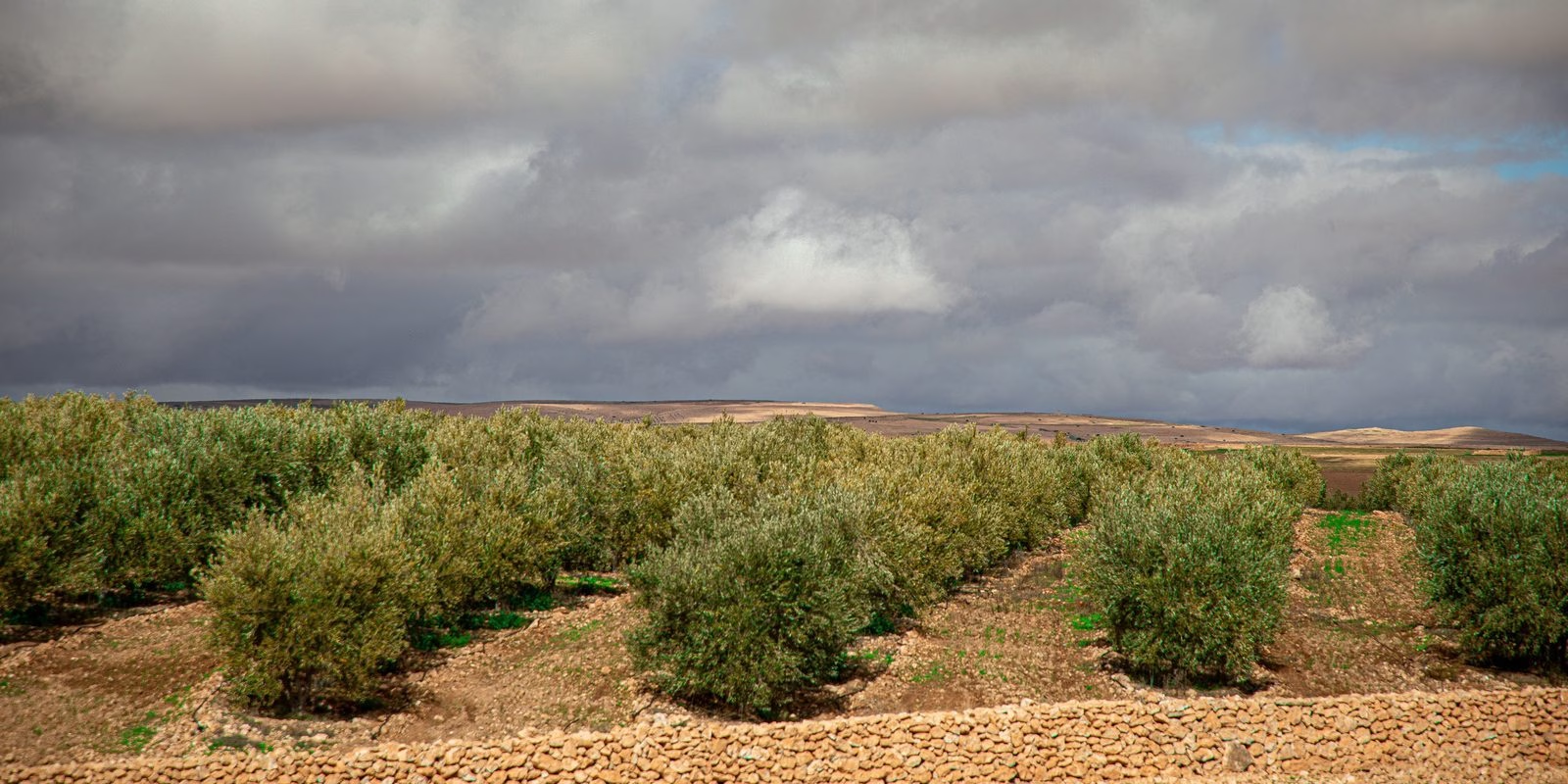
Jojoba is one of the few oilseed crops adapted to arid, marginal land where conventional grains fail. It tolerates intense heat and saline soils, and its deep roots reach water beyond the grasp of other crops. The review by Al-Obaidi and colleagues even points to it as a possible tool against desertification. Commercial fields usually get drip irrigation, especially while the plants are getting established, but water demand is modest for a commercial crop.
There is also an environmental chapter that rarely gets mentioned. By taking the place of sperm whale oil from the 1970s onward, jojoba gave industry a plant-based alternative to a product that depended on whaling.
Growing it has its challenges, described by Al-Obaidi and colleagues, such as unproductive male plants in fields started from seed and a wait of several years before the first significant harvest. On the social side, the supply chain began with the gathering of wild seeds in Sonora, and the name itself preserves the heritage of the peoples who first used the plant. Brands with fair trade certification are a practical way to support producers who pay harvesters well.
Frequently Asked Questions
Does Jojoba Oil Clog Pores?
Jojoba gets low scores on comedogenicity charts, but those charts use non-standardized scales and cannot guarantee how it will behave on every skin. Many people with oily skin tolerate it well. If you are prone to blackheads, use just a few drops, watch your skin for two weeks and stop if new breakouts appear.
Is Jojoba Oil Good for Oily Skin?
It works as a light emollient, thanks to its dry feel and wax esters similar to part of human sebum. That does not mean it controls oiliness, since no study has proven that effect. The sensible approach is to apply two drops to damp skin and track the response for a few days before using it more often.
Can I Use Jojoba Oil on My Hair Every Day?
Yes, as long as you use a small amount and focus on the ends, where the hair is most porous. Three to five drops are usually enough for medium-length hair. On fine hair or hair with oily roots, daily use tends to weigh it down, and in that case alternating days or using jojoba only as a pre-wash works better.
Why Did My Jojoba Oil Turn Cloudy in the Fridge?
Jojoba is a liquid wax and starts to solidify between 7 and 10 °C. This cloudiness is normal and does not mean the product has gone bad. Leave the bottle at room temperature for a few hours and it will turn clear again. Since it is very stable, jojoba does not need to live in the fridge either.
Can Jojoba Oil Be Ingested?
No. The human body does not digest jojoba wax, and the seed contains simmondsin, which was toxic in animal studies and has been linked to reports of gastrointestinal upset in people. The products on sale are for external use only and should be kept out of reach of children and pets.
What Is the Difference Between Jojoba Oil and Jojoba Esters?
Jojoba oil is the liquid wax that comes straight from the seeds, through pressing or extraction. Jojoba esters are industrial derivatives made by interesterification or partial hydrogenation of that wax. The process changes the consistency and makes it possible to create pastes, solid waxes and microbeads. Both appear in cosmetics, but they offer different textures and uses.
Notice: this content is for informational purposes and does not replace professional medical advice. Consult a physician or herbal practitioner before using medicinal plants, especially during pregnancy, breastfeeding, or alongside medication.
How to cite this article
NATUGREENS. Jojoba Oil: A Guide to the Liquid Wax for Skin and Hair. Natugreens, 9 Nov. 2026. Disponível em: https://natugreens.com/jojoba-oil/. Accessed: Nov. 9, 2026.
Natugreens. (2026). Jojoba Oil: A Guide to the Liquid Wax for Skin and Hair. Natugreens. https://natugreens.com/jojoba-oil/
References
View All 13 Cited References
Peer-Reviewed Scientific Studies (12)
- DOI2017 Al-Obaidi JR, et al. A review on plant importance, biotechnological aspects, and cultivation challenges of jojoba plant. Biological Research. 2017.
- DOI2022 Awad NA, et al. Evaluation of the Effect of Elite Jojoba Lines on the Chemical Properties of their Seed Oil. Molecules. 2022.
- DOI2022 Blaak J, Staib P. An updated review on efficacy and benefits of sweet almond, evening primrose and jojoba oils in skin care applications. International Journal of Cosmetic Science. 2022.
- DOI1994 Busson-Breysse J, Farines M, Soulier J. Jojoba wax: Its esters and some of its minor components. Journal of the American Oil Chemists' Society. 1994.
- DOI1995 Cokelaere MM, et al. Devazepide reverses the anorexic effect of simmondsin in the rat. Journal of Endocrinology. 1995.
- DOI1992 Cosmetic Ingredient Review Expert Panel. Final Report on the Safety Assessment of Jojoba Oil and Jojoba Wax. Journal of the American College of Toxicology. 1992.
- DOI2021 Gad HA, et al. Jojoba Oil: An Updated Comprehensive Review on Chemistry, Pharmaceutical Uses, and Toxicity. Polymers. 2021.
- DOI2005 Habashy RR, et al. Anti-inflammatory effects of jojoba liquid wax in experimental models. Pharmacological Research. 2005.
- DOI2012 Meier L, et al. Clay jojoba oil facial mask for lesioned skin and mild acne: results of a prospective, observational pilot study. Forschende Komplementärmedizin. 2012.
- DOI2011 Ranzato E, Martinotti S, Burlando B. Wound healing properties of jojoba liquid wax: an in vitro study. Journal of Ethnopharmacology. 2011.
- PMC2003 Rele AS, Mohile RB. Effect of mineral oil, sunflower oil, and coconut oil on prevention of hair damage. Journal of Cosmetic Science. 2003.
- DOI2009 Wertz PW. Human synthetic sebum formulation and stability under conditions of use and storage. International Journal of Cosmetic Science. 2009.
Institutional Sources (1)
- GOV1990 Undersander DJ, et al. Jojoba. Alternative Field Crops Manual, University of Wisconsin and University of Minnesota. 1990.