Quick summary
Few raw materials in natural cosmetics are as closely tied to a landscape and a group of people as shea butter. It comes from a wild tree of the African savanna and passes through the hands of millions of women before it reaches the market. Today it turns up in creams, soaps, balms and even chocolate. This guide…
Main caution: In 2024, the Cosmetic Ingredient Review expert panel assessed 13 shea-derived ingredients. It concluded that they are safe in current practices and concentrations of use in cosmetics, provided the final formula is not…
Few raw materials in natural cosmetics are as closely tied to a landscape and a group of people as shea butter. It comes from a wild tree of the African savanna and passes through the hands of millions of women before it reaches the market. Today it turns up in creams, soaps, balms and even chocolate. This guide brings together what is known about the plant, its composition and extraction, and its use on skin and hair, along with the limits of the scientific evidence and the safety precautions worth knowing.
What Is Shea Butter
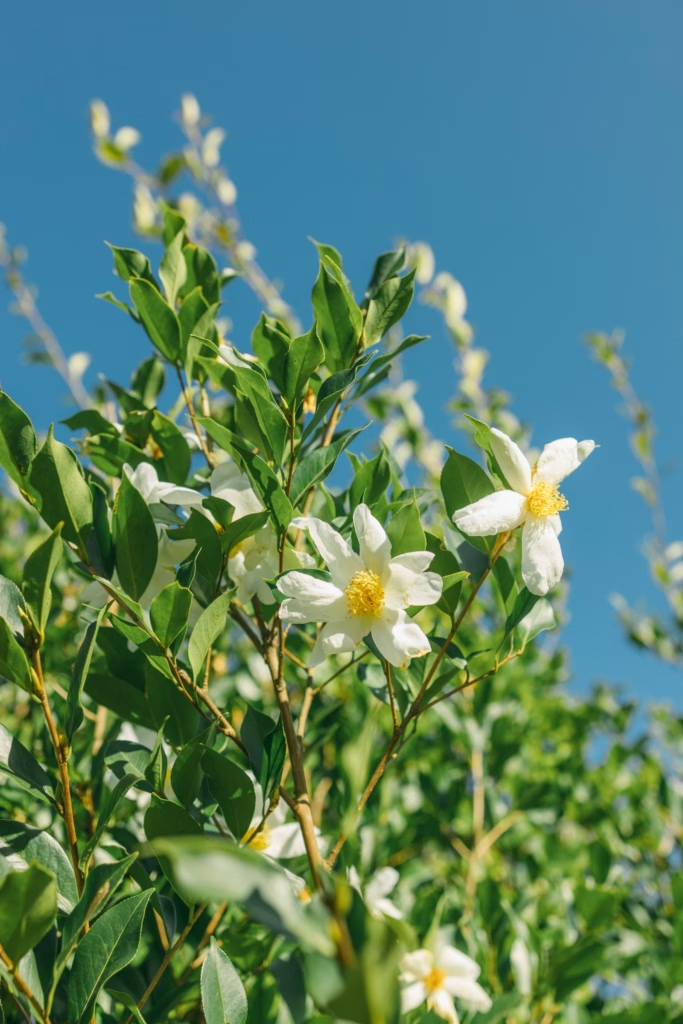
Shea butter is the fat extracted from the kernel of the fruit of the shea tree, Vitellaria paradoxa C.F.Gaertn., a member of the Sapotaceae family. On cosmetic labels it usually appears under the INCI name Butyrospermum Parkii Butter. The reason is that the old botanical name, Butyrospermum parkii, became established in the trade and stayed there even after botanists accepted Vitellaria as the genus.
Botanists recognize two subspecies. Subsp. paradoxa grows in West Africa and accounts for more than 95% of international trade. Subsp. nilotica (Kotschy) A.N.Henry, Chithra & N.C.Nair occurs in Sudan, South Sudan and Uganda, where it yields a softer butter richer in oleic acid. Because it is solid at room temperature, the correct name is butter rather than oil, although it softens with the warmth of your hands.
Origin and History of the Plant
The Plant and Where It Grows
The shea tree occupies a broad strip of savanna that crosses Africa from Senegal to Uganda, known as the shea belt. Burkina Faso, Ghana, Mali and Nigeria rank among the largest producers. In Burkina Faso, the tree is found across much of the country.
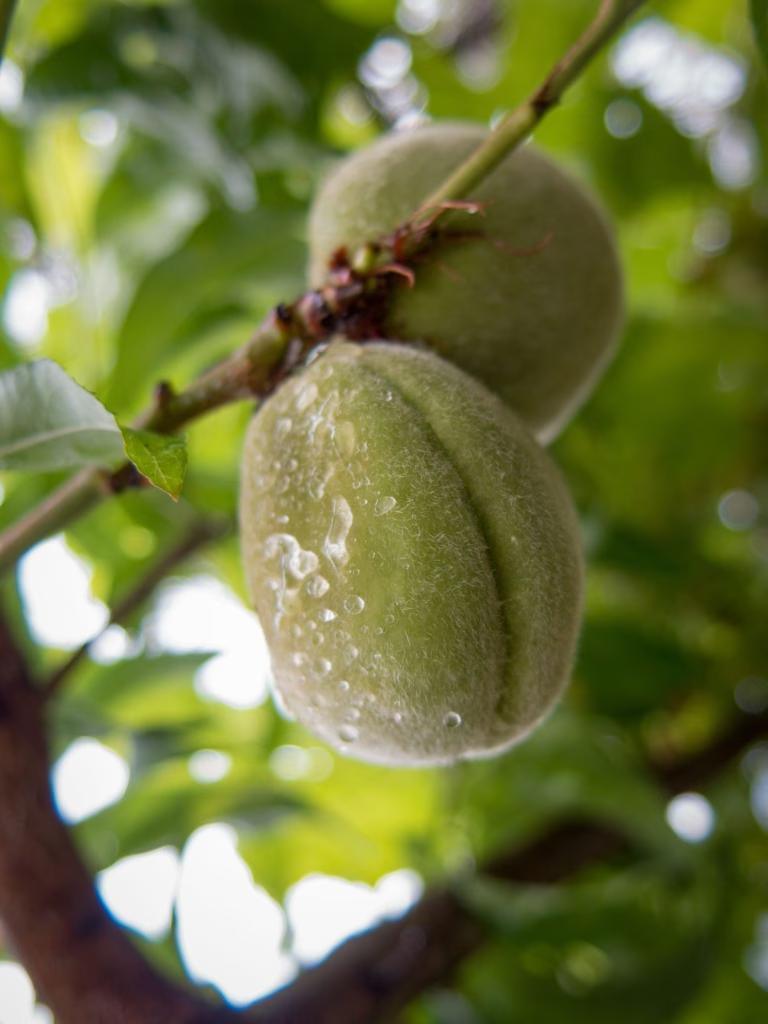
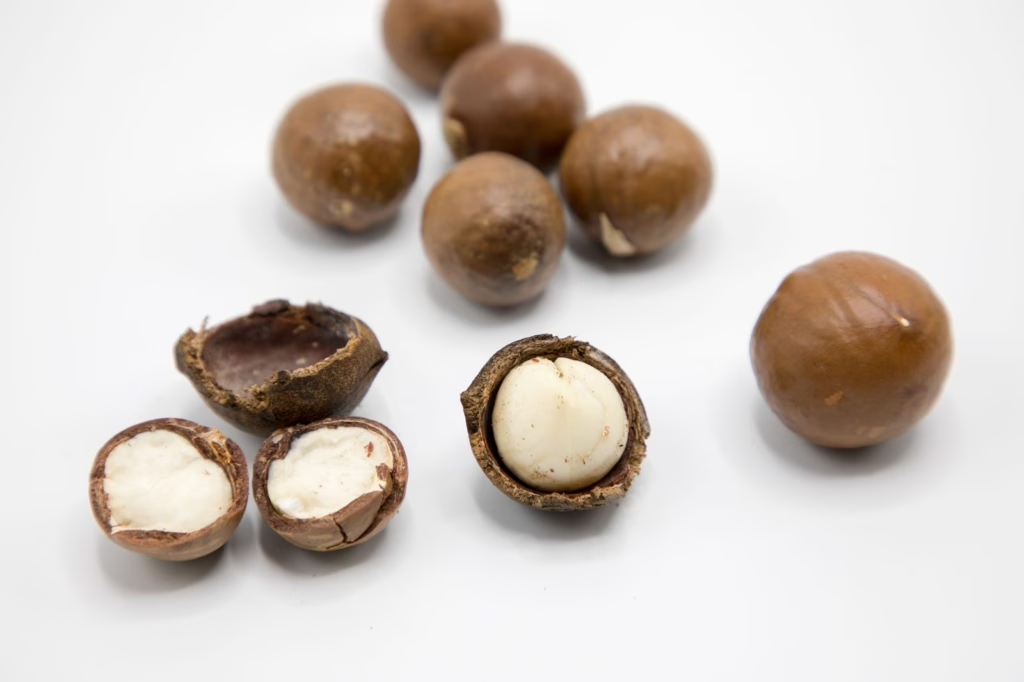
Hardly anyone plants shea as a crop. When farmers clear land for cultivation, they leave the native trees standing and create what are called agroforestry parklands, where shea grows alongside maize, sorghum and millet. The tree grows very slowly, and the first harvest usually comes only 15 to 20 years after germination. Its fruit looks like a green plum, has edible pulp and holds a hard seed whose kernel is very rich in fat.
Historical Records
In the 14th century, the Moroccan traveler Ibn Battuta described the trade in shea butter along West African routes. His account shows that the product already traveled far beyond the villages where it was made. Centuries later, the Scottish explorer Mungo Park recorded how important the butter was in the regions that now correspond to Mali and Senegal. The epithet parkii, from the old scientific name, honors him.

How Shea Butter Is Extracted
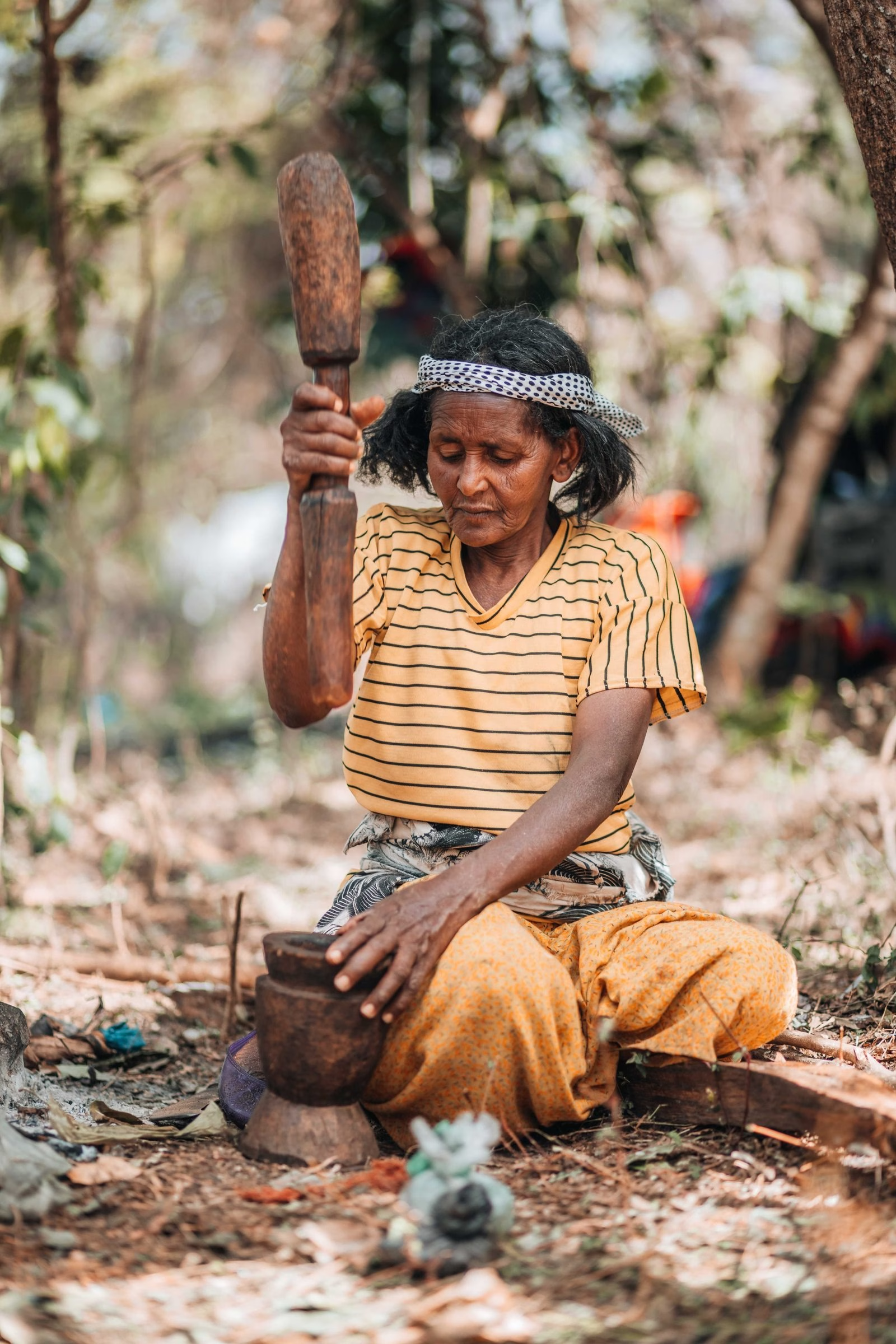
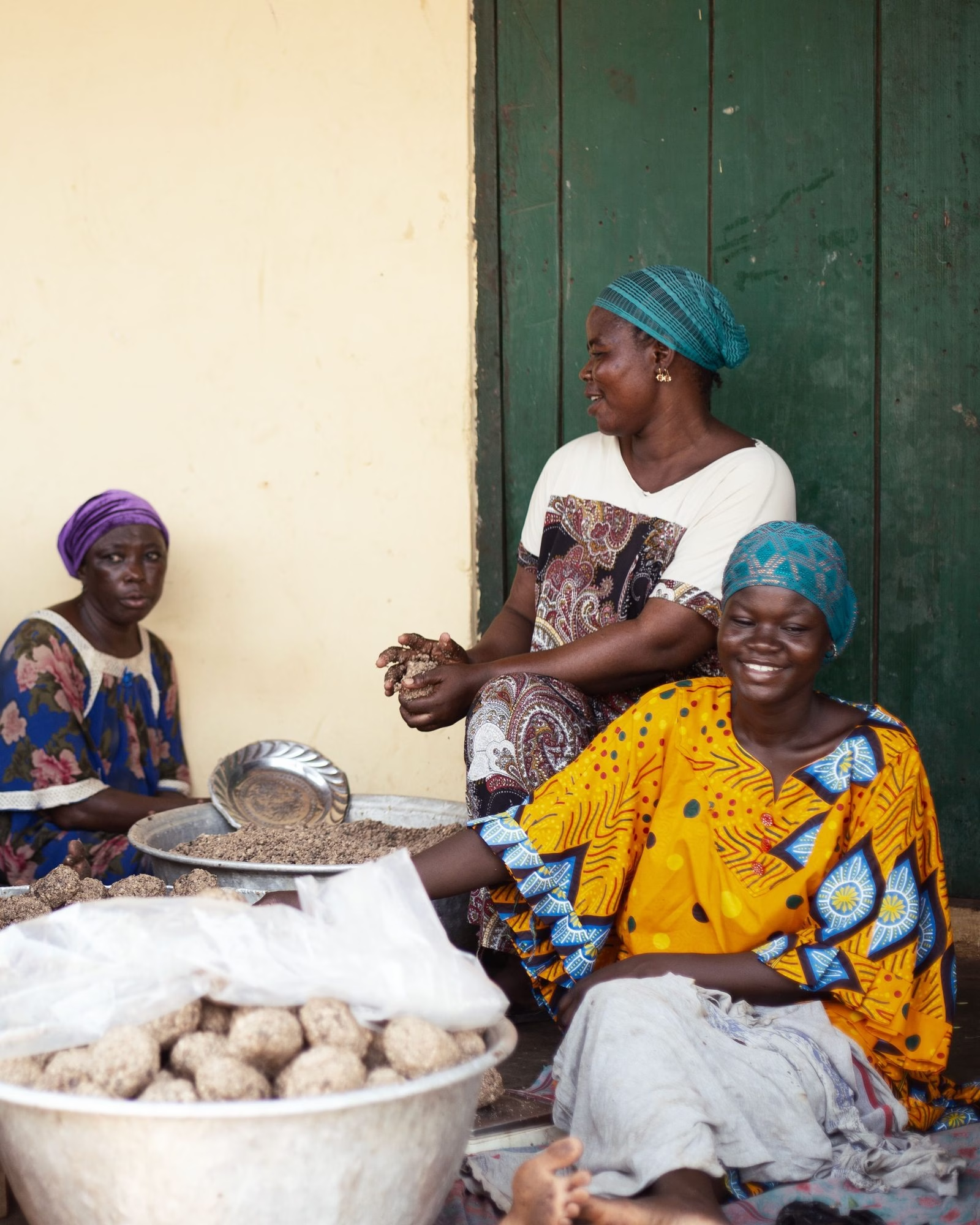
In the traditional process, which still prevails in West Africa, women gather the fallen fruit and remove the pulp. They then boil or dry the seeds and crack the shells to free the kernels. Roasting and grinding follow, and then comes a stage in which the paste is beaten by hand with warm water until the fat rises to the surface. The producers skim off this fat, heat it to clarify it and leave it to cool until it hardens. According to the review by Goumbri and colleagues, the yield ranges from 20 to 35%, and the physical labor involved is enormous.
The screw press is now the most widely used modern method, with yields close to 82% in the studies gathered by the same review. These figures are not directly comparable, because each study calculates yield in its own way. Solvent extraction, usually with hexane, recovers even more fat but requires refining to remove residues.
These differences show up in the jar. Unrefined butter is ivory to yellowish in color and has a faintly smoky scent, because it keeps some of the minor compounds of the kernel. The refined version goes through neutralization, bleaching and deodorization. It ends up white and almost odorless, but it may lose part of the unsaponifiable compounds that matter for cosmetics.
Shea Butter Composition and Properties
Fatty Acid Profile
Almost all of the butter consists of triglycerides, and two fatty acids dominate the mix. The ranges below come from reviews that compile analyses from several countries. They vary considerably with origin, since East African butters tend to contain more oleic and less stearic acid than those from West Africa.
| Fatty acid | Type | Reported range (%) |
|---|---|---|
| Oleic (C18:1) | Monounsaturated | 34 to 62 |
| Stearic (C18:0) | Saturated | 25 to 56 |
| Palmitic (C16:0) | Saturated | 2 to 10 |
| Linoleic (C18:2) | Polyunsaturated | 1 to 10 |
Thanks to stearic acid, the butter stays firm in mild weather and softens near body temperature. With only a small share of polyunsaturated fats, it oxidizes more slowly than oils rich in linoleic acid. On comedogenicity, it usually gets low scores on non-standardized scales, which serve only as a rough reference.
Unsaponifiable Fraction and Antioxidants
What sets shea apart from other fats is its unsaponifiable fraction, the portion that does not turn into soap when it reacts with lye. It usually makes up 5 to 7% of the butter, well above the roughly 1% found in many vegetable oils. The main components of this fraction are triterpene alcohols such as alpha- and beta-amyrin, lupeol and butyrospermol, which account for 68 to 75% of the total. There are also phytosterols and tocopherols, the latter at 29 to 805 micrograms per gram, with alpha-tocopherol predominating. Rounding out the list are catechins from the kernel and a polyisoprene-type hydrocarbon called karitene.
What Science Has Shown about Shea Butter
Much of what is said about shea comes from chemistry and laboratory work, while clinical trials with the butter itself remain scarce. In 2010, Japanese researchers isolated triterpene esters from shea fat, among them acetates and cinnamates. These compounds reduced induced inflammation in mouse ears. Since the data come from an animal model and use purified substances, they do not allow the same conclusion for the butter applied to human skin.
In humans, a Hong Kong study published in 2015 followed 34 children with atopic dermatitis for four weeks. They used a cream and a cleanser containing a lipid complex with shea butter extract. About three quarters found the product acceptable, and those who accepted it reported less itching and a better quality of life. It was, however, an unrandomized case series, and the formula contained more than shea alone. The comparison with a ceramide precursor moisturizer relied on data from an earlier study.
A double-blind Australian trial tested a concentrated oral shea extract in 89 people with osteoarthritis. Changes in markers of inflammation and cartilage appeared only in the subgroup with higher baseline values, and the company that owns the ingredient funded the research. In 2020, another study found that the butter increased the photostability and SPF of a stick sunscreen. That does not make it a sunscreen on its own.
Traditional Uses and Ethnobotanical Record
In West Africa, shea butter is first and foremost a household fat, used for cooking and for making soap. It also protects skin and hair during the dry season, when the harmattan wind blows down from the Sahara and dries everything out. Massaging newborns with it is another common custom, handed down through generations of mothers and grandmothers. Beyond the butter, the sweet pulp of the fruit is eaten during the lean season before the grain harvest, which adds to the tree's place in the local diet.
Ethnobotanical sources also describe massaging the butter into joints and rubbing it on the nose and chest during congestion. These are records of traditional use, with no clinical confirmation for joint pain or nasal congestion. They show how the plant became part of everyday life, but they do not replace a medical evaluation of any health problem.
Shea Butter for Skin
Skin Barrier
The outermost layer of the skin works like a wall of cells and lipids that holds in water and keeps irritants out. Fats rich in stearic and oleic acid form a film that reduces water loss from the surface, an effect dermatologists call occlusive. That is why the butter appears in formulas for dry and sensitive skin, even though clinical studies on the ingredient alone are few and small.
Stretch Marks and Scars
Shea is among the ingredients most often listed in creams for pregnant women. Even so, the literature contains no robust controlled trials showing that the butter prevents or reduces stretch marks. It can keep the skin softer as it stretches, and using it for that purpose makes sense, as long as you do not expect it to erase marks that have already formed.
Moisturizing
In practice, the butter works best right after a shower, while the skin is still slightly damp, because it helps hold in the water just absorbed. Elbows, knees and heels respond well. On the face, use only a little, especially if your skin is oily or prone to acne.
Nails and Cuticles
At night, massage a rice-grain-sized amount into each cuticle. This softens the skin around the nails and reduces the small cracks that come from frequent hand washing. It is a simple, low-risk use that suits the firm texture of the butter well.
Shea Butter for Hair
On hair, shea butter acts mainly on the surface of the strand. It combines long-chain triglycerides and stearic acid, large molecules that tend to coat the cuticle rather than penetrate deep into the fiber. Coconut oil, by contrast, has smaller molecules and a greater affinity for hair protein. The most visible result of shea is lubrication of the cuticle scales, which cuts down on friction, frizz and breakage during combing.
This sealing effect helps coily and curly hair above all, since these textures tend to be drier. In them, the natural oil of the scalp has a hard time traveling down the strands. On fine, straight hair, however, the butter easily weighs it down and leaves it looking greasy. In those cases it works better as a pre-wash mask, rinsed out afterward with shampoo, than as a finishing product.
There is no evidence that shea butter makes hair grow or strengthens the roots. When a product promises that, the promise is not backed by studies on the ingredient. The most honest approach is to treat it as a surface treatment that protects the ends and makes combing easier.
Use in Food
In its region of origin, shea butter is an everyday food and has served as a cooking fat for centuries. In industry, fractions of the butter are used as a cocoa butter equivalent in chocolate and confectionery, because their triglyceride structure is similar. A European directive from 2000 began allowing chocolate to contain up to 5% of vegetable fats other than cocoa butter, shea among them. In 2004, an article published by the FAO reported that more than 90% of exported kernels went to the food industry.
That does not make every jar edible. Butter sold as a cosmetic does not follow food hygiene standards and may contain fragrances or preservatives. For eating, use only butter labeled and sold as food.
How to Use Shea Butter in Practice
Before first use, do a patch test: spread a little on the inside of your forearm and watch it for 24 to 48 hours. If redness, itching or swelling appears, do not use the product.
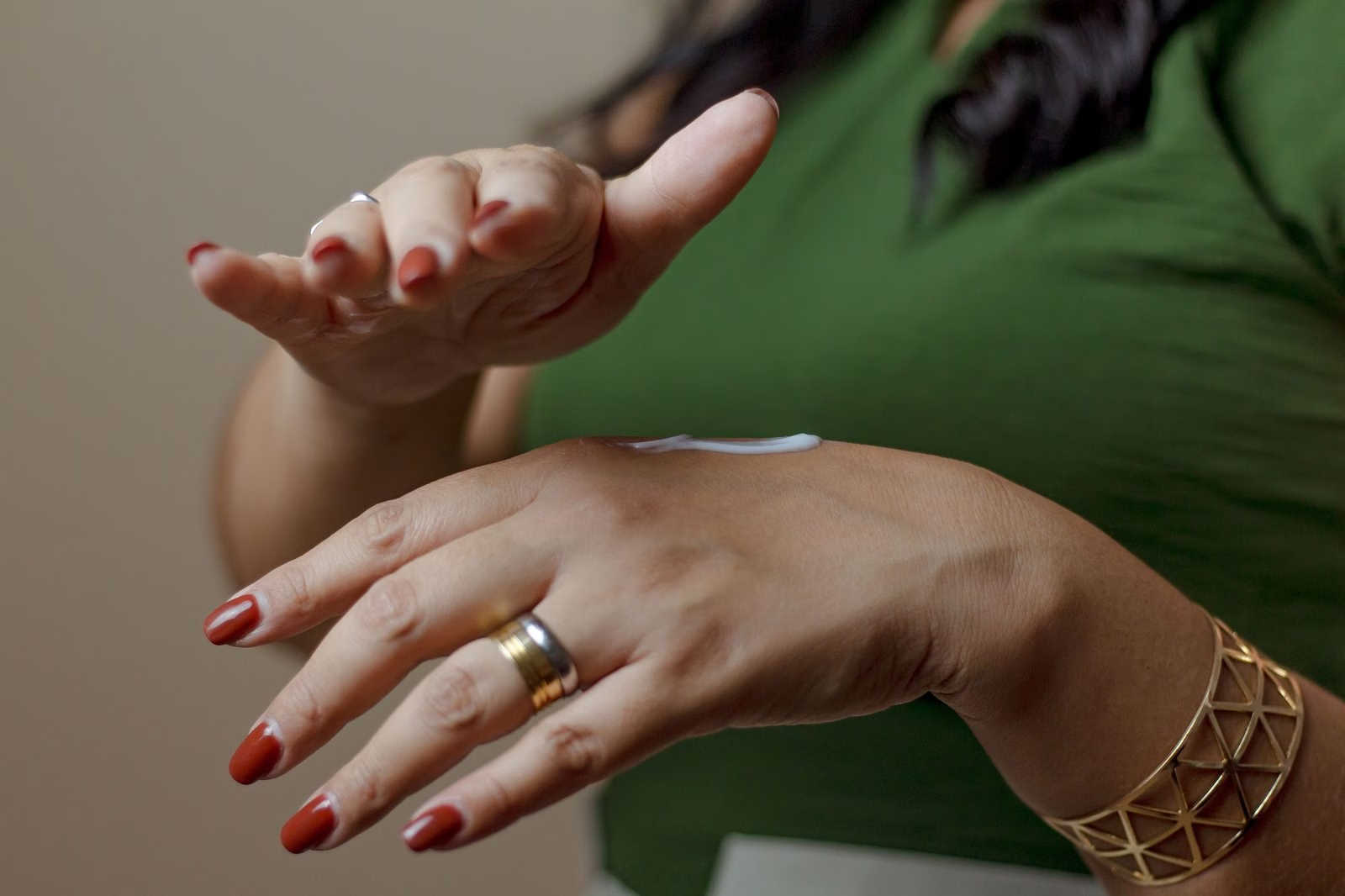
For the body, half a teaspoon, about 2 g, is enough for both arms. Warm the portion between your palms until it melts and spread it with light strokes over skin that is still damp. For hair, start with a pea-sized amount, melted in your hands and applied only to the ends.
Three simple recipes to get started:
- Lip balm: in a double boiler, melt 1 tablespoon of shea butter, 1 teaspoon of beeswax and 1 teaspoon of sunflower oil. Pour into small clean jars and let it set.
- Pre-wash hair mask: mix 1 teaspoon of melted shea butter with 1 teaspoon of sunflower oil. Apply to the lengths and ends and leave it on for 30 minutes before shampooing.
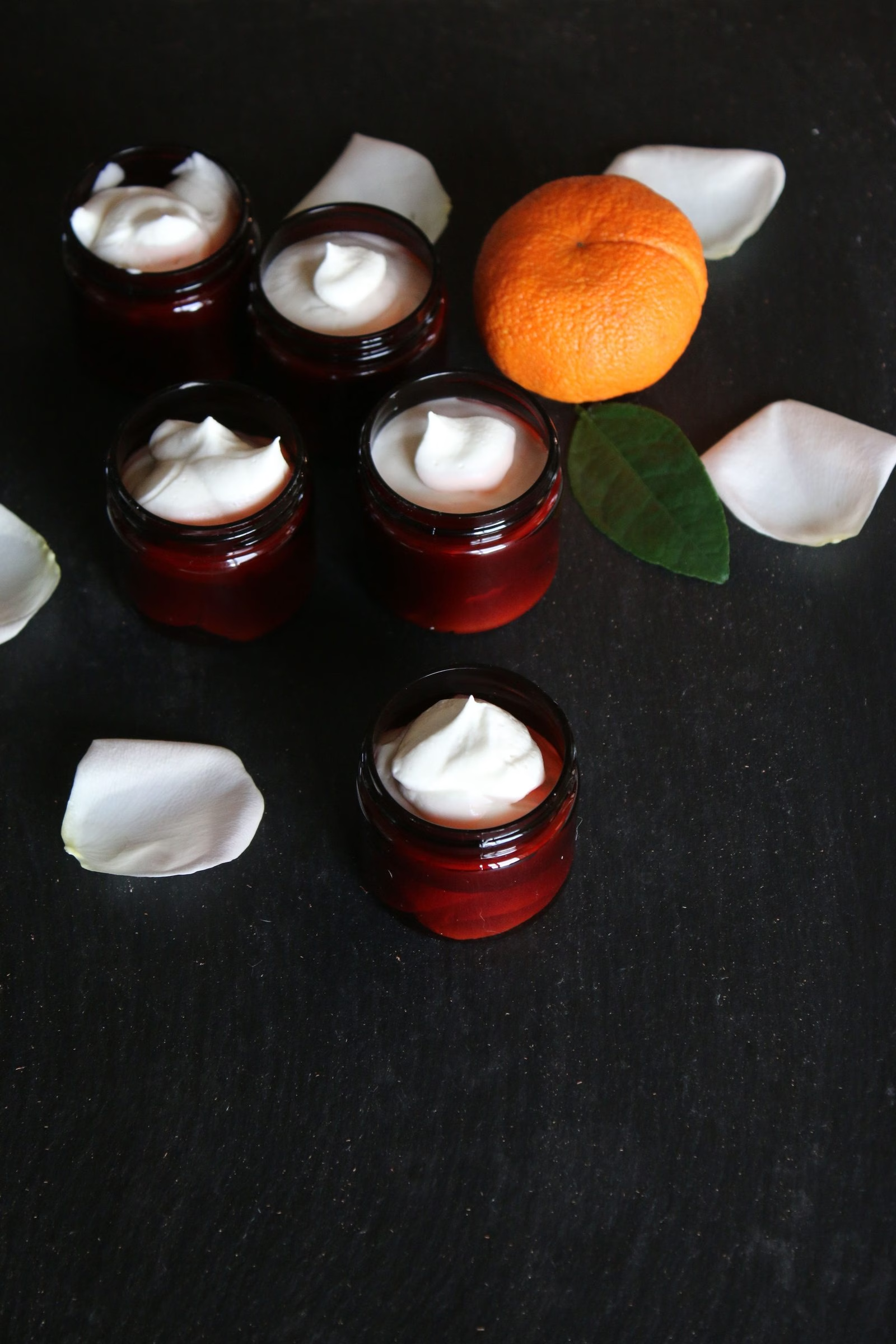
- Whipped body butter: melt 50 g of shea butter and add 15 mL of jojoba oil. Chill in the refrigerator for about 20 minutes, then beat with a whisk until light and airy.
Store the butter in a tightly closed jar, away from light and heat. Because it contains little polyunsaturated fatty acid, it does not need refrigeration. On very hot days, though, it can melt and turn grainy when it hardens again. These grains are fat crystals, not a sign of spoilage, and they disappear if you melt the whole batch slowly and cool it quickly.
How to Choose a Quality Shea Butter
Start by reading the ingredient list. A pure butter lists only Butyrospermum Parkii Butter, sometimes with tocopherol as an antioxidant. If you see mineral oil (Paraffinum Liquidum), other vegetable fats or fragrance (Parfum), the jar contains a blend. It may still be useful, but it is not pure shea, and the price should reflect that.
Next, decide between unrefined and refined. The first is ivory to pale yellow, has a mild smoky nutty scent and retains more minor compounds. The second is white and neutral, a better fit for anyone who dislikes the aroma or plans to formulate with fragrance. Be wary of "unrefined" butters that are very white and have no smell at all.
Opaque, well-sealed packaging offers better protection against light and oxygen. Recognized certifications include COSMOS and Ecocert, for organic and natural cosmetics, and USDA Organic. Fair trade labels such as Fair for Life and Fairtrade indicate some oversight of what the producers are paid.
Finally, smell the jar. A sour, rancid or crayon-like odor points to oxidation, and in that case the product is past its best.
Shea Butter Compared with Similar Oils and Butters
The table below places shea among the plant fats that usually compete for the same role in natural cosmetic formulas. Price ranges are relative and vary with origin and degree of refining.
| Ingredient | Dominant fatty acid | Texture and absorption | Best use | Relative price |
|---|---|---|---|---|
| Cocoa butter | Stearic and oleic, with high palmitic | Hard, brittle, melts near body temperature | Balms and solid bars | Medium to high |
| Coconut oil | Lauric | Solid below 24 °C, fast absorption | Pre-wash hair treatment and soaps | Low |
| Cupuaçu butter | Oleic and stearic | Soft, absorbs well and holds water | Creams for dry skin and hair | Medium to high |
| Mango butter | Stearic and oleic | Firm, lighter and less greasy | Light lotions and whipped butters | Medium |
| Shea butter | Oleic and stearic | Creamy, somewhat heavy, medium absorption | Very dry skin, cuticles and hair ends | Low to medium |
In this comparison, shea stands out for its unsaponifiable content. Cupuaçu, native to the Amazon, is the closest Brazilian alternative in feel and function.
Shea Butter Safety, Allergies and Contraindications
In 2024, the Cosmetic Ingredient Review expert panel assessed 13 shea-derived ingredients. It concluded that they are safe in current practices and concentrations of use in cosmetics, provided the final formula is not sensitizing. Reactions to pure butter seem uncommon, but any ingredient can cause a reaction in someone, so the patch test still applies.
The most frequent question comes from people with tree nut allergies. A 2011 study found very little protein in the butter and no relevant binding to IgE antibodies from people allergic to tree nuts. In January 2025, the FDA removed shea nut from the list of tree nuts that require an allergen declaration on US food labels. Even so, the risk is not zero. Anyone with a severe allergy to tree nuts or to plants in the Sapotaceae family should talk to an allergist before using it.
During pregnancy and breastfeeding, no studies point to a risk from topical use, nor do any prove a specific benefit. As a precaution, breastfeeding mothers can wipe the nipples before nursing so the baby does not swallow the product. For babies and young children, choose pure butter with no fragrance or essential oils. No drug interactions have been described for use on the skin, and the butter does not replace sunscreen.
Sustainability and Social Impact
In the producing region, shea is nicknamed "women's gold", and not without reason. Gathering, kernel processing and butter making fall almost entirely to women, who organize themselves into cooperatives and informal groups in Burkina Faso, Ghana, Mali and Nigeria. Income from shea thus reaches millions of savanna households. The fruit ripens right in the lean season, when that income matters most.
Because the tree is wild and takes 15 to 20 years to bear fruit, the future of shea depends on conserving the agroforestry parklands. Cutting for firewood and charcoal, agricultural expansion and climate change all threaten these trees, which cannot be replaced in a few years. For conservation to make sense to the people who live off the tree, the economic return from gathering and processing has to be fair. That is why choosing brands with traceability and fair trade labels carries real weight.
Frequently Asked Questions
Does Shea Butter Clog Pores?
It usually scores low on comedogenicity charts, but these scales are not standardized and rely on old methods. In practice, reactions vary from person to person. If you have oily skin or active acne, test it on a small area of the face for a few days before using it all over.
What Is the Difference between Refined and Unrefined Shea Butter?
Unrefined butter goes only through extraction and filtering, so it keeps its ivory color, nutty scent and more minor compounds. Refining makes the butter white and neutral but may strip out part of the unsaponifiables. Both moisturize, so the choice depends on whether you tolerate the aroma and how you plan to use it.
Can I Use Shea Butter on My Face?
Yes, as long as you use a small amount, preferably at night, when the greasy feel bothers you less. It suits dry or mature skin and patches chapped by the cold. For oily skin, mix a small amount into your usual moisturizer instead of applying the butter on its own.
Can People with Nut Allergies Use Shea Butter?
One study showed that the butter contains almost no protein and did not react with antibodies from people allergic to tree nuts. The FDA has also removed shea nut from its list of mandatory allergen labeling. Even so, anyone with a severe allergy should consult an allergist and do the forearm test before first use.
Why Did My Shea Butter Turn Grainy?
Grains form when the butter melts in the heat and then hardens again slowly, creating fat crystals of different sizes. It is not a sign of spoilage. To restore a smooth texture, melt it in a double boiler over low heat and put the jar in the refrigerator until it firms up.
Does Shea Butter Work as a Sunscreen?
No. One study showed that it helped stabilize the filters in a stick sunscreen, but on its own it does not provide adequate protection against ultraviolet radiation. Use the butter as a moisturizer and always keep a sunscreen with a tested, registered SPF for sun exposure.
Notice: this content is for informational purposes and does not replace professional medical advice. Consult a physician or herbal practitioner before using medicinal plants, especially during pregnancy, breastfeeding, or alongside medication.
How to cite this article
NATUGREENS. Shea Butter: A Guide to Skin and Hair Uses and Safety. Natugreens, 9 Nov. 2026. Disponível em: https://natugreens.com/shea-butter/. Accessed: Nov. 9, 2026.
Natugreens. (2026). Shea Butter: A Guide to Skin and Hair Uses and Safety. Natugreens. https://natugreens.com/shea-butter/
References
View All 11 Cited References
Peer-Reviewed Scientific Studies (9)
- DOI2010 Akihisa T, et al. Anti-Inflammatory and Chemopreventive Effects of Triterpene Cinnamates and Acetates from Shea Fat. Journal of Oleo Science. 2010.
- DOI2010 Akihisa T, et al. Triterpene Alcohol and Fatty Acid Composition of Shea Nuts from Seven African Countries. Journal of Oleo Science. 2010.
- DOI2024 Burnett CL, et al. Safety Assessment of Butyrospermum parkii (Shea)-Derived Ingredients as Used in Cosmetics. International Journal of Toxicology. 2024.
- DOI2011 Chawla KK, et al. Shea butter contains no IgE-binding soluble proteins. Journal of Allergy and Clinical Immunology. 2011.
- DOI2010 Cheras PA, et al. Randomized double-blind placebo-controlled trial on the potential modes of action of SheaFlex70 in osteoarthritis. Phytotherapy Research. 2010.
- DOI2022 Goumbri BWF, et al. African Shea Butter Properties Related to Common Extraction Technologies: A Review. Food and Bioprocess Technology. 2022.
- DOI2015 Hon KL, et al. Patient acceptability, efficacy, and skin biophysiology of a cream and cleanser containing lipid complex with shea butter extract versus a ceramide product for eczema. Hong Kong Medical Journal. 2015.
- DOI2014 Honfo FG, et al. Nutritional Composition of Shea Products and Chemical Properties of Shea Butter: A Review. Critical Reviews in Food Science and Nutrition. 2014.
- DOI2020 Sarruf FD, et al. Butyrospermum parkii butter increased the photostability and in vivo SPF of a molded sunscreen system. Journal of Cosmetic Dermatology. 2020.
Institutional Sources (1)
- GOV2025 Food and Drug Administration. Frequently Asked Questions: Food Allergen Labeling Guidance for Industry. FDA. 2025.
Supplementary Readings (1)
- 2004 Masters ET, et al. Reinforcing sound management through trade: shea tree products in Africa. Unasylva (FAO), no. 219. 2004.