Hibiscus sabdariffa L. / Roselle, also popularly known as Jamaica sorrel, red sorrel and Florida cranberry, is an annual or perennial herbaceous plant of the Malvaceae family, native to West Africa and now widespread across tropical and subtropical regions thanks to its many uses in cooking and folk medicine. Throughout history, different cultures have turned to roselle for a wide range of health complaints, and its calyces, deep red in color and sweet-tart in flavor, remain the most widely used part of the plant, above all for making infusions and refreshing drinks such as the familiar hibiscus tea.
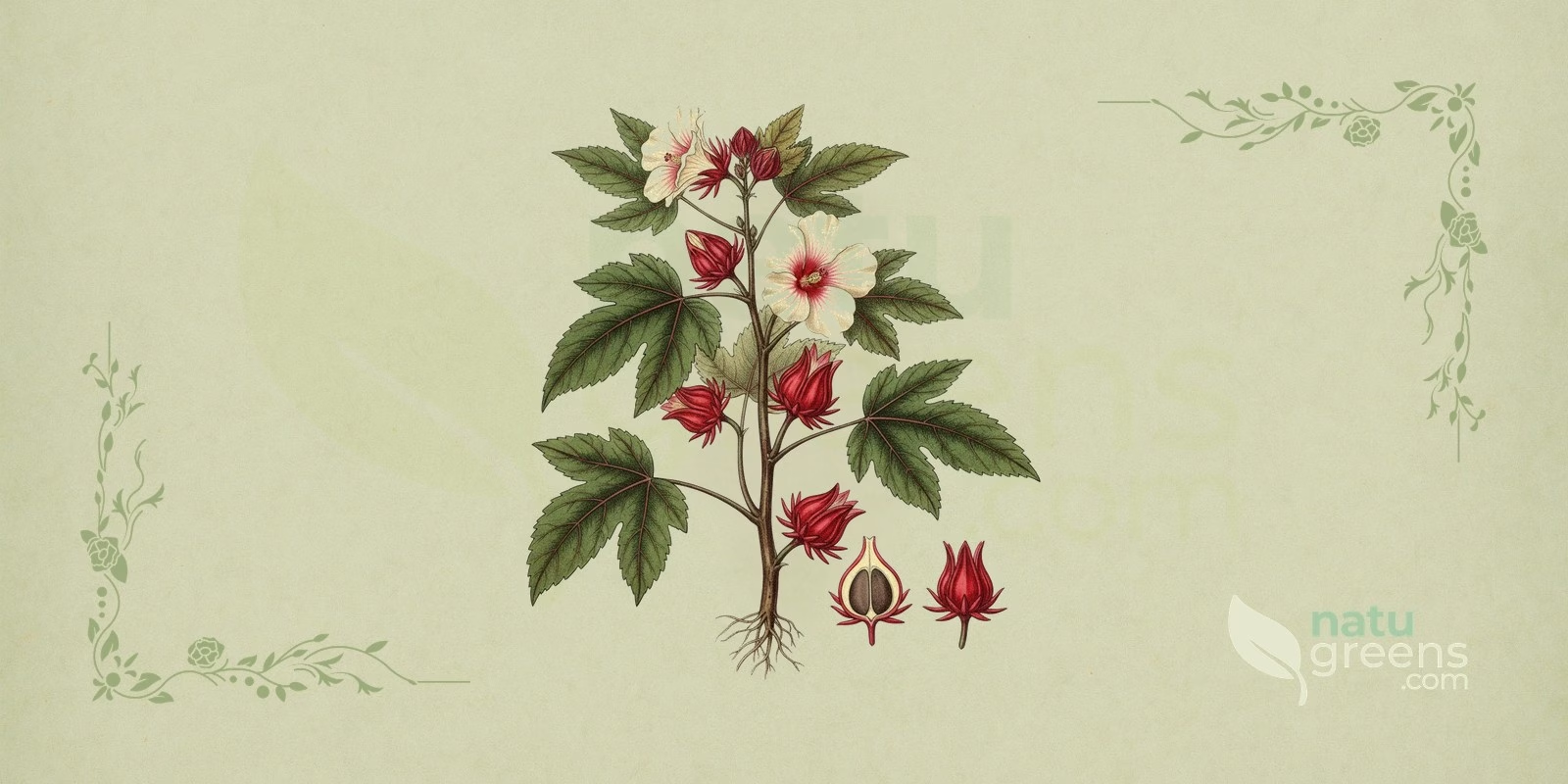
The plant stands out for its phytochemical composition, which brings together organic acids, anthocyanins and polyphenols, compounds that studies have linked to antioxidant, anti-inflammatory and hypotensive activity. Modern research has been investigating several of these traditional uses, with the most consistent results pointing to a mild effect on blood pressure observed in small clinical trials, while other applications still depend on laboratory and animal studies. Outside the medicinal field, roselle holds a prominent place in the cuisine of many peoples, where it adds a tart flavor and intense color to drinks, sweets and savory dishes.
Popular and International Names of Roselle
Roselle goes by different names depending on the region and the language, and many of them refer to the sour taste of the calyces or to places associated with the drinks made from the plant, such as Jamaica and Guinea.
- English: Florida cranberry, Jamaica sorrel, red sorrel, roselle.
- Spanish: agrio de Guinea, flor de Jamaica, hibisco, rosella, saril.
- Portuguese: azedinha, caruru-azedo, cuxá, flor-da-jamaica, hibisco, quiabo-azedo, rosela, vinagreira.
- French: bissap, groseille-pays, karkadé, oseille de Guinée.
- Italian: ibisco, karkadè, rosella.
- German: Roselle, Sabdariff-Eibisch, Sudan-Eibisch.
Botanical Synonyms of Hibiscus sabdariffa
Hibiscus sabdariffa L. has accumulated a number of botanical synonyms in the scientific literature, a reflection of the complexity of its taxonomic classification and of the wide geographical distribution of the species. Although Hibiscus sabdariffa L. is the name accepted by most botanical authorities, including The Plant List and World Flora Online, other names still appear frequently in older or regional publications.
The most frequently cited synonyms include Abelmoschus cruentus Walp., Hibiscus acetosus Noronha, Hibiscus cruentus Bertol., Hibiscus digitatus Cav., Hibiscus gossypiifolius, Hibiscus palmatilobus, Hibiscus sanguineus and Sabdariffa rubra Kostel. Knowing these variants makes bibliographic searches easier and supports the correct identification of the plant across different botanical and ethnobotanical contexts.
Botanical Family: Malvaceae
The Malvaceae family is large and diverse, with about 243 genera and more than 4,225 species distributed around the world, and it includes plants of great economic, nutritional and medicinal importance, such as cotton, cacao, okra and roselle itself. In general, Malvaceae have alternate, stipulate leaves and flowers with five sepals and five petals, almost always with numerous stamens fused into a central column.
Hibiscus sabdariffa shares the typical morphological traits of the family, such as showy flowers and a prominent calyx that becomes fleshy after flowering. Many Malvaceae species are rich in bioactive compounds, including mucilages, flavonoids and anthocyanins, and this chemical diversity has been the subject of intensive research, contributing to the development of herbal medicines and natural products.
Parts of Roselle Used
The calyces account for most of the plant’s use, but other parts of roselle also appear in the cooking and folk medicine of different regions.
- Calyces (fresh or dried)
- Flowers
- Leaves
- Seeds
- Stems
Ethnobotanical and Traditional Uses
The uses listed below come from folk records in several regions and are not equivalent to clinical indications, since for most of them the evidence in humans is still limited or preliminary.
- Culinary use in drinks, jams and sauces
- Digestive and gently laxative drink (traditional record)
- Diuretic (traditional record)
- Folk use as an anti-inflammatory and antioxidant
- Relief of colds and sore throats (folk use)
- Support for blood pressure control (folk use investigated in small clinical trials)
- Support for cholesterol balance (folk use under study)
- Traditional support for liver complaints
Therapeutic Properties of Roselle
The properties below summarize activities described in tradition and in scientific studies, many of them carried out in the laboratory or in animals, and the qualifiers in parentheses indicate the level of evidence behind each one.
- Antihypertensive (mild effect observed in small clinical trials, not a substitute for medication)
- Anti-inflammatory (activity observed in laboratory and animal studies)
- Antimicrobial (activity against microorganisms observed in the laboratory)
- Antioxidant (activity against free radicals measured in the laboratory)
- Cardioprotective (heart protection suggested in experimental studies, not clinically proven)
- Choleretic (traditionally recorded as stimulating bile production)
- Diuretic (increased urine output described in tradition and in preliminary studies)
- Hepatoprotective (liver protection observed in animal studies)
- Hypocholesterolemic (cholesterol reduction investigated in preliminary studies)
- Hypoglycemic (mild effect on blood sugar suggested in preliminary studies)
- Laxative (gentle effect on the bowel according to the traditional record)
- Remineralizing (traditionally recorded as a source of minerals in the diet)
Detailed Phytochemical Profile of Roselle
Roselle calyces are especially rich in anthocyanins, which give the infusions their red color, and in organic acids, linked to their characteristic tart taste, and they also contain several groups of polyphenols.
- Anthocyanins (cyanidin, delphinidin, myrtillin)
- Flavonoids (gossypetin, hibiscetin, kaempferol, quercetin, sabdaretin)
- Mucilages
- Organic acids
- Phenolic acids (caffeoylquinic acid, chlorogenic acid, cryptochlorogenic acid, neochlorogenic acid)
- Polysaccharides
- Protocatechuic acid
- Vitamin C
Preparation and Administration Forms of Roselle
An infusion of the dried calyces is the most traditional way of consuming roselle, but the plant is also available in concentrated preparations, which call for greater caution and professional guidance, especially for people who take long-term medication.
- Capsules
- Dry extract
- Fluid extract
- Jams and sweets
- Tea (infusion)
- Tincture
Synergy with Other Medicinal Plants
Blood Pressure
In traditional practice, roselle appears combined with other plants associated with blood pressure, such as the olive tree (Olea europaea) and garlic (Allium sativum). Experimental studies suggest that roselle anthocyanins, the phenolic compounds of the olive tree and the allyl sulfides in garlic act on vasodilation and endothelial function, but the sum of these effects has not been confirmed in clinical trials. Because the combined effect could lower blood pressure too much, this pairing should only be considered under professional guidance, and anyone already taking antihypertensive drugs needs to talk to their doctor before trying it.
Digestive Comfort
For mild digestive complaints, tradition pairs roselle with peppermint (Mentha piperita) and ginger (Zingiber officinale), bringing together the gentle laxative action attributed to roselle, the carminative properties of peppermint and the antiemetic effect of ginger. This blend is traditionally used to ease gas, cramps and nausea, and its use rests on the traditional record of each of the three plants.
Antioxidant Support
Another common pairing brings roselle together with antioxidant-rich sources such as green tea (Camellia sinensis) and pomegranate (Punica granatum). The polyphenols and anthocyanins of roselle, the catechins of green tea and the ellagitannins of pomegranate neutralize free radicals in laboratory tests, and that is the basis for the combination, although it is not known to what extent the effect carries over to the human body.
Recipes and Usage Protocols of Roselle
Simple Roselle Calyx Tea
An infusion traditionally used by adults who keep an eye on their blood pressure, always as a complement to medical care and never as a replacement for prescribed medicines, and anyone already taking antihypertensive drugs should speak to their doctor first, since the effects can add up.
Ingredients: 2 tablespoons of dried roselle calyces and 500 ml of water.
Preparation: Bring the water to a boil, add the calyces, turn off the heat, cover and leave to infuse for 10 minutes. Strain and drink warm or cold, 2 to 3 cups a day, sweetened with honey or stevia if you like. Tradition attributes a mild hypotensive effect to this tea, which is why people with low blood pressure should avoid it.
Refreshing Roselle Infusion with Ginger and Lemon
A drink traditionally served chilled as a digestive refresher on hot days, combining the tartness of roselle calyces with the spicy flavor of fresh ginger.
Ingredients: 3 tablespoons of dried roselle calyces, 1 liter of water, 1 piece of fresh ginger (about 2 cm, sliced), the juice of 1 lemon and honey to taste (optional).
Preparation: Bring the water and the sliced ginger to a boil, add the roselle calyces, turn off the heat and leave to infuse for 15 minutes. Strain, stir in the lemon juice and the honey, if using, and serve chilled.
Homemade Roselle and Honey Syrup
A homemade preparation traditionally used by adults to soothe throat discomfort during colds, which, being concentrated, is not suitable for young children, breastfeeding women or pregnant women, bearing in mind as well that honey should never be given to children under 1 year of age.
Ingredients: 1 cup of dried roselle calyces, 2 cups of water and 1 cup of honey.
Preparation: Place the calyces and the water in a saucepan, bring to a boil and simmer over low heat for 15 minutes. Strain, pressing the calyces firmly to extract all the liquid, and discard them. Add the honey to the strained liquid, stir well and warm it again over low heat for about 5 minutes, without letting it boil, until it reaches a syrupy consistency. Store in a sterilized glass jar in the refrigerator. For adults, the traditional record mentions 1 tablespoon, 2 to 3 times a day, for as long as the symptoms of the cold and sore throat last.
The preparations above follow traditional records and do not replace professional guidance. Before any internal use, check the contraindications and interactions described in this article.
Associated Therapies
Aromatherapy
Roselle is not traditionally used in aromatherapy in the form of an essential oil, but extracts and hydrosols of the plant go into skin and hair care products, and its mild scent can be used indoors to create a sense of well-being. In cosmetics, roselle extract is valued for its antioxidant and astringent properties.
Clinical Phytotherapy
In clinical phytotherapy, roselle is used mainly in the form of standardized extracts, as support in the management of blood pressure and dyslipidemia and as a source of antioxidants, always as a complement to conventional treatment. These extracts are usually titrated for anthocyanins, considered the main active compounds of the plant, and the prescription needs to be individualized by a qualified health professional, who assesses the patient’s condition and possible drug interactions.
Functional Nutrition
In functional nutrition, roselle is valued for its content of antioxidants, vitamins and minerals and is often included in eating plans aimed at cardiovascular and metabolic health, although the evidence on weight control remains limited. The plant can go into juices, smoothies and other culinary preparations as a way of diversifying the intake of bioactive compounds.
Contraindications and Side Effects of Roselle
General Contraindications
Safety warning: roselle (Hibiscus sabdariffa) has a recognized mild antihypertensive effect, which calls for caution with antihypertensive drugs and in people with low blood pressure, because the effects can add up. The recommendation is not to use it during pregnancy, given the risk of stimulating the uterus, and caution is also needed with medicines metabolized by the liver, such as paracetamol (acetaminophen), because of a possible effect on their pharmacokinetics. Young children and breastfeeding women should avoid concentrated preparations, such as syrups, extracts, capsules and very strong teas.
Outside these cases, moderate consumption of the tea is generally considered safe for healthy adults. Tradition describes roselle as an emmenagogue, meaning a stimulant of menstruation, with a possible influence on hormone levels, which supports the advice to avoid it during pregnancy, and breastfeeding women should only drink the tea with professional supervision. People with hypotension need to take extra care, and anyone with a known allergy to plants of the Malvaceae family should avoid consuming it.
Common Side Effects
The side effects of roselle are rare and usually mild, and may include gastrointestinal discomfort such as nausea, gas or diarrhea, especially at high doses. In some people, the drop in blood pressure causes dizziness or drowsiness, and allergic skin reactions, although uncommon, are possible in sensitive individuals.
Drug Interactions
Because of its hypotensive effect, roselle may enhance the action of high blood pressure medications and lead to an excessive drop in blood pressure, and it may also interfere with diuretics and increase fluid loss. There are reports that the drink alters the pharmacokinetics of some drugs, such as paracetamol (acetaminophen) and chloroquine, which may change how effective these medications are. People taking diabetes medication should monitor their blood glucose, since roselle may have a mild hypoglycemic effect, and any combination with long-term medication should be discussed beforehand with a doctor or pharmacist.
Historical Notes and Interesting Facts
Origin and Spread
Roselle (Hibiscus sabdariffa) is native to West Africa and reached other tropical and subtropical regions of the world, such as Asia and the Americas, carried by trade and by migration. The adaptability of the plant and its variety of uses explain its wide acceptance and its cultivation in cultures that differ so much from one another.
Global Culinary Use
Beyond its medicinal use, roselle is a versatile culinary ingredient, and in Mexico it is the basis of the popular drink known as agua de flor de Jamaica. In the Caribbean, where the plant is called sorrel, the drink made from the calyces is a Christmas tradition, while in Africa roselle gives rise to karkadeh in Sudan and zobo in Nigeria, both refreshing and nourishing drinks. In India and Southeast Asia, the leaves go into savory dishes such as gongura pacchadi, and in Brazil the leaves, known there as vinagreira, are the basis of arroz de cuxá, a typical dish from the state of Maranhão.
Symbolism and Culture
In some cultures, flowers of the genus Hibiscus symbolize beauty, love and passion, and in Polynesia flowers of ornamental species of the genus adorn the hair and are often associated with hospitality. In certain traditions, hibiscus tea is drunk during rituals and celebrations as a symbol of purification and renewal.
Frequently Asked Questions about Roselle
Does Hibiscus Tea Help with Weight Loss?
Hibiscus tea is often associated with weight loss because of its diuretic properties and its reputation for reducing bloating, and some studies suggest that it may modulate the metabolism of fats and carbohydrates. Even so, the drink is not a miracle solution for losing weight, and for any result it needs to go hand in hand with a balanced diet and regular physical activity.
What Is the Best Way to Make Hibiscus Tea?
The most common method is an infusion of the dried calyces: for each cup of boiling water (about 200 ml), use 1 to 2 teaspoons of calyces, turn off the heat, cover and let it steep for 5 to 10 minutes before straining. Avoid boiling the calyces in the water for a long time, because this can break down some of the active compounds.
Are There Contraindications for Drinking Hibiscus Tea?
Yes, and the main reason is that roselle has a recognized mild antihypertensive effect, which calls for caution in people with low blood pressure or those taking antihypertensive drugs, because the effects can add up. It should not be used during pregnancy, given the risk of stimulating the uterus, young children and breastfeeding women should avoid concentrated preparations, and people allergic to plants of the Malvaceae family should not consume it. The drink may also interact with diuretics, with diabetes medications and with drugs metabolized by the liver, such as paracetamol (acetaminophen), so it is advisable to consult a health professional before regular use.
Can Hibiscus Tea Be Taken Every Day?
For healthy adults, moderate consumption of hibiscus tea is generally considered safe, but continuous use in large amounts can cause side effects such as an excessive drop in blood pressure or gastrointestinal discomfort. For this reason, it is a good idea to take breaks or alternate with other teas and to keep quantities moderate over time.
What Effect Does Roselle Have on the Liver?
Studies, mostly carried out in animals, suggest that roselle has hepatoprotective activity, attributed in part to its anthocyanins, but this effect has not yet been consistently confirmed in humans. People with liver disease or those taking medicines metabolized by the liver, such as paracetamol (acetaminophen), should only consume roselle under professional supervision.
Can Pregnant Women Drink Hibiscus Tea?
No, the advice is not to use roselle during pregnancy, given the risk of stimulating the uterus, since tradition describes it as an emmenagogue, that is, a stimulant of menstruation. While breastfeeding, concentrated preparations should be avoided, and even the tea should only be consumed with professional guidance.
Notice: this content is for informational purposes and does not replace professional medical advice. Consult a physician or herbal practitioner before using medicinal plants, especially during pregnancy, breastfeeding, or alongside medication.
References and Scientific Studies
- PMC2023 Almajid A, et al. Exploring the Health Benefits and Therapeutic Potential of Roselle (Hibiscus sabdariffa) in Human Studies: A Comprehensive Review. Cureus. 2023.
- PMC2022 Hamrita B, et al. Phytochemical Analysis, Antioxidant, Antimicrobial, and Anti-Swarming Properties of Hibiscus sabdariffa L. Calyx Extracts: In Vitro and In Silico Modelling Approaches. Evid Based Complement Alternat Med. 2022.
- PMC2004 Kolawole JA, Maduenyi A. Effect of zobo drink (Hibiscus sabdariffa water extract) on the pharmacokinetics of acetaminophen in human volunteers. Eur J Drug Metab Pharmacokinet. 2004.
- PMC2022 Montalvo-González E, et al. Physiological Effects and Human Health Benefits of Hibiscus sabdariffa: A Review of Clinical Trials. Pharmaceuticals (Basel). 2022.
- PMC2018 Riaz G, Chopra R. A review on phytochemistry and therapeutic uses of Hibiscus sabdariffa L. Biomed Pharmacother. 2018.