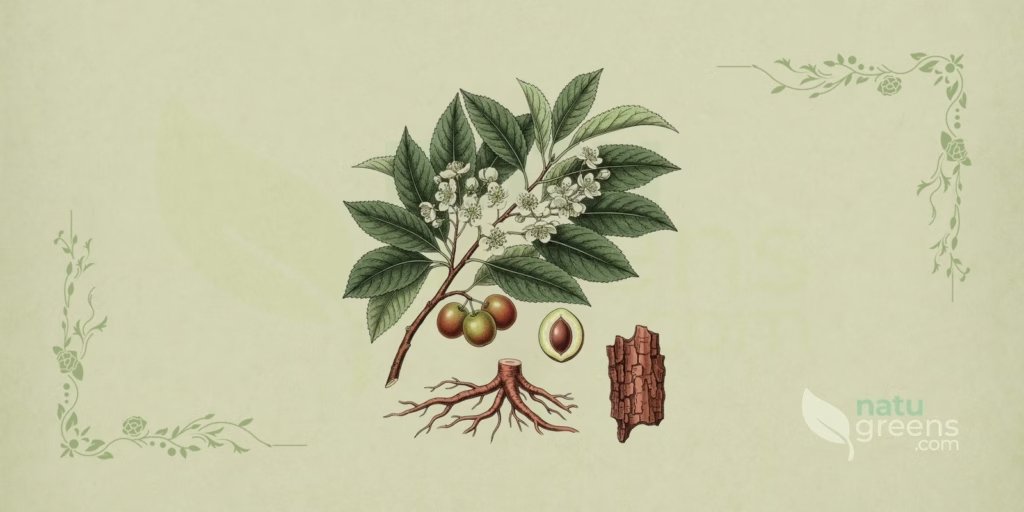
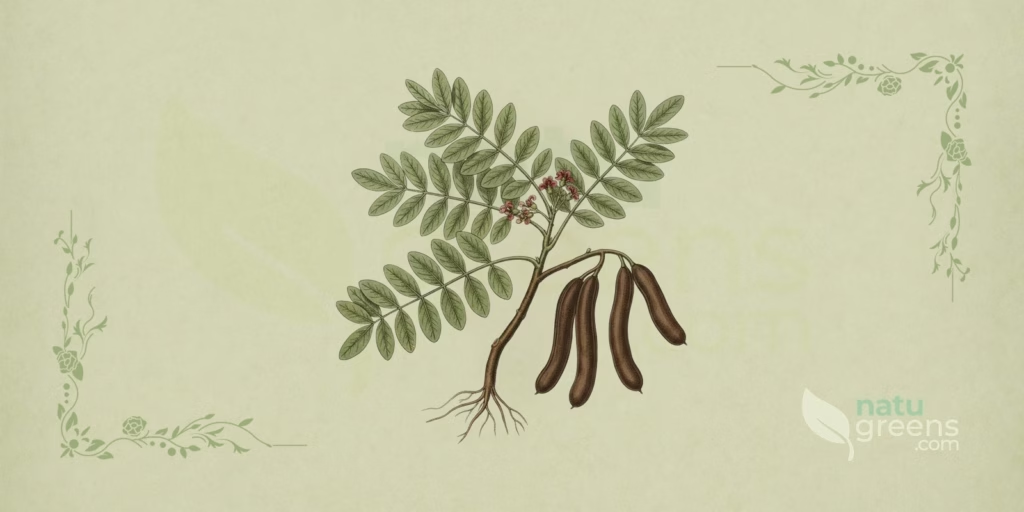
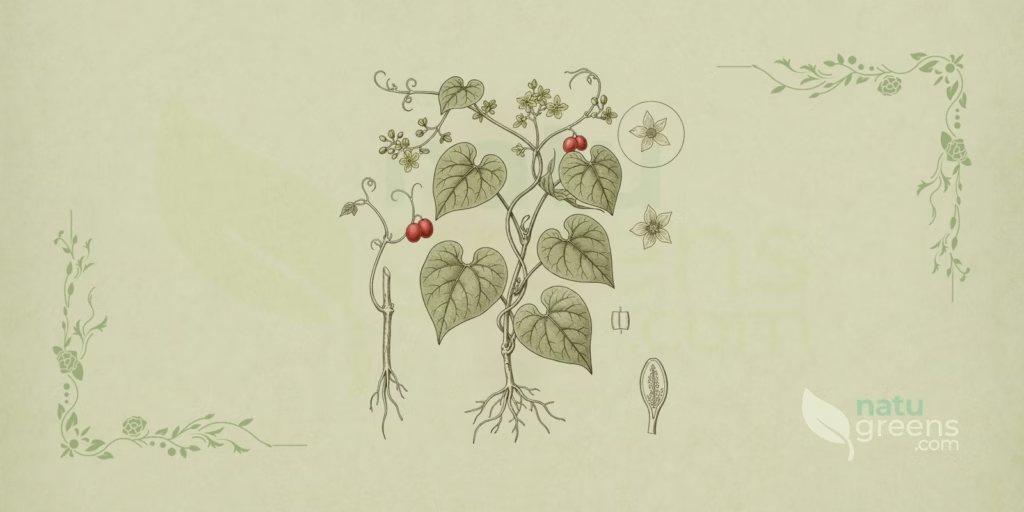
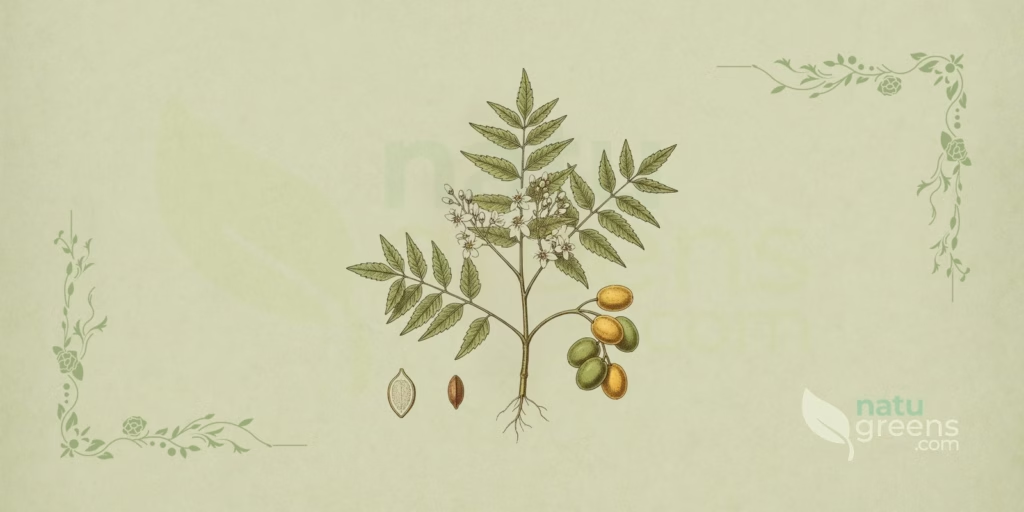
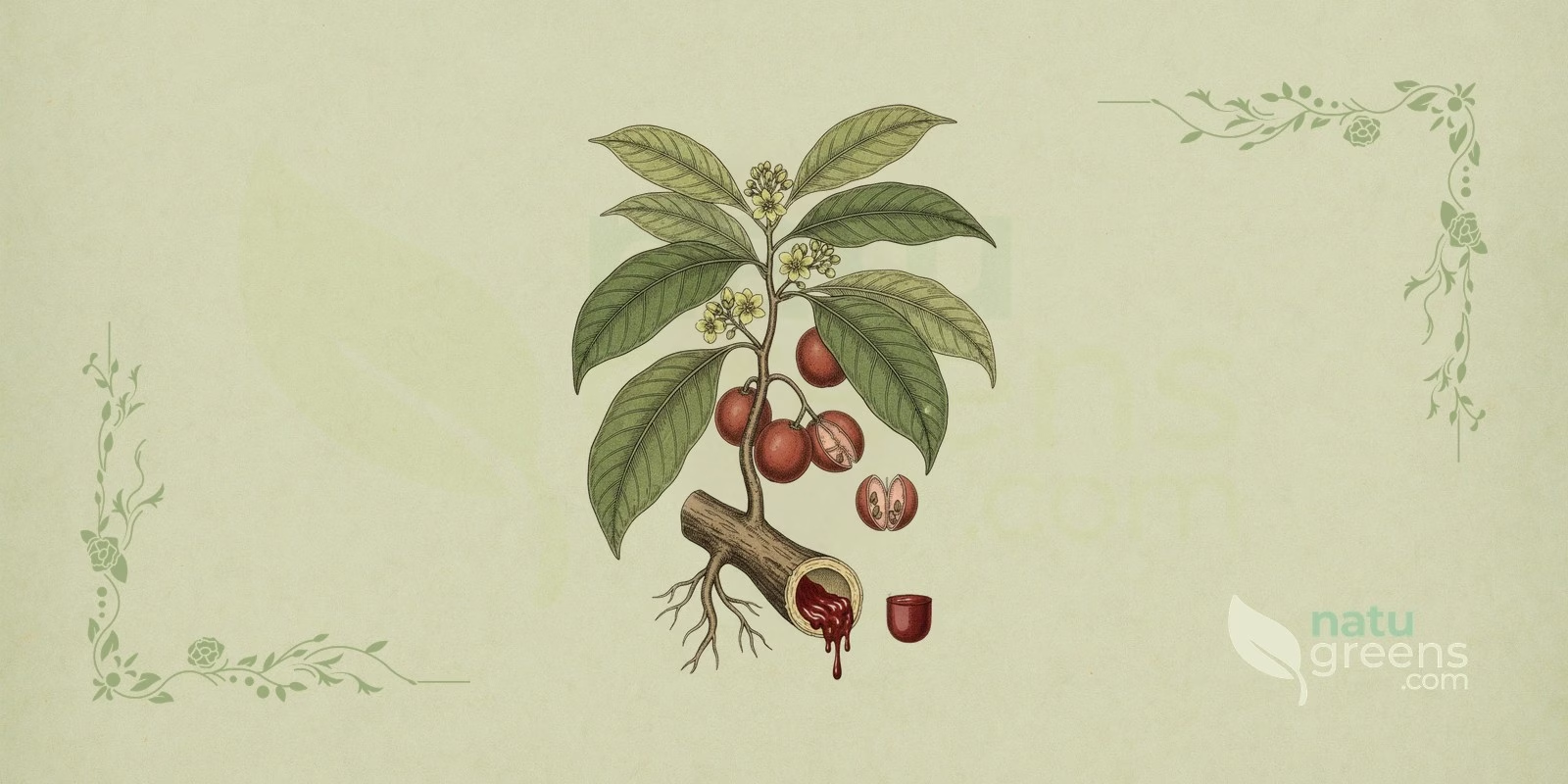
Croton lechleri Müll.Arg. / Dragon’s Blood, popularly known as dragon’s blood, sangre de drago, or sangre de grado, is a tree of the Euphorbiaceae family native to northwestern South America. The species is recognized by the dark red resinous sap that oozes out when the trunk is cut and resembles blood, a trait that gave rise to its common names. For centuries, Indigenous communities in the Amazon have used this resin for a range of medicinal purposes, and that is where the plant’s reputation as a traditional remedy of the rainforest comes from.
In traditional medicine, dragon’s blood is valued for the wound-healing, anti-inflammatory, and antimicrobial properties attributed to it. Its applications range from the care of wounds and skin ulcers to the relief of gastrointestinal complaints. Modern research has been investigating some of these uses and has identified bioactive compounds in the latex such as taspine and oligomeric proanthocyanidins, to which laboratory studies attribute much of the observed activity. A purified derivative of the proanthocyanidins, crofelemer, went on to become the ingredient of an approved drug, which keeps Croton lechleri at the center of interest in contemporary herbal medicine. This advance, however, does not justify using the crude latex as a treatment.
Popular and International Names of Dragon’s Blood
- English: Dragon’s Blood.
- French: Sang-dragon.
- German: Drachenblutbaum.
- Italian: Sangue di Drago.
- Portuguese: Sangue de Dragão, Sangue-de-Drago, Sangue de Grado (BR); Sangue de Dragão (PT).
- Spanish: Sangre de Drago, Sangre de Grada, Sangre de Grado.
Botanical Synonyms of Croton lechleri
Throughout the history of botany, the species has also been described under other scientific names, now treated as synonyms:
- Croton draco var. lechleri (Müll.Arg.) Croizat
- Croton erythrochilus Müll.Arg.
- Croton palanostigma Müll.Arg.
Botanical Family: Euphorbiaceae
The Euphorbiaceae family, known as the spurge family, is a vast and diverse group of flowering plants. It comprises more than 6,000 species distributed across more than 200 genera and, although cosmopolitan, reaches its greatest diversity in tropical and subtropical regions. In these areas, its species take on very varied life forms, such as trees, shrubs, herbs, and succulents, often with latex, one of the most striking features of the group.
Many plants in the family are of economic and medicinal importance, such as cassava (Manihot esculenta), the rubber tree (Hevea brasiliensis), and the castor oil plant (Ricinus communis). Croton lechleri is a prominent example of the group’s phytochemical richness, since it produces a latex rich in bioactive compounds. In this species, it is precisely the latex that concentrates the substances associated with the traditional uses. That is why it remains the subject of pharmacological research, both in the laboratory and in some clinical trials.
Parts of Dragon’s Blood Used
The latex, obtained by making cuts in the trunk, is the best-known part, and the bark also appears in the traditional records of the species.
- Bark
- Latex (sap)
Ethnobotanical and Traditional Uses
The uses listed below correspond to records from traditional Amazonian medicine and are not equivalent to proven indications. Most of them have not yet been confirmed in controlled clinical studies.
- Diarrhea and dysentery (see the warning signs under Contraindications)
- Gastrointestinal disorders (gastritis, stomach ulcers)
- General tonic and blood purifier (a folk medicine concept)
- Hemorrhoids
- Inflammation (internal and external)
- Insect bite relief
- Rheumatism
- Viral infections (including herpes)
- Wound and skin ulcer healing
Therapeutic Properties of Dragon’s Blood
The properties below summarize actions attributed by tradition or observed mainly in laboratory and animal studies. With the exception of the antidiarrheal effect of a purified derivative, they lack consistent clinical confirmation.
- Analgesic (traditional record of pain relief)
- Antibacterial (activity against bacteria observed in laboratory tests)
- Anti-inflammatory (reduction of inflammation observed in laboratory and animal studies)
- Antioxidant (neutralization of free radicals in laboratory assays)
- Antiparasitic (traditional record, without clinical proof)
- Antiproliferative (activity observed in laboratory studies, without clinical proof)
- Antiviral (activity against some viruses observed in the laboratory)
- Cholagogue (traditional record of stimulating bile flow)
- Immunomodulatory (possible modulation of the immune system suggested by preliminary studies)
- Vulnerary (traditional use in protecting wounds)
- Wound-healing (traditional record of support for wound healing, investigated in experimental studies)
Dragon’s blood extracts induced the death of tumor cells in culture, but an ex vivo study observed the opposite effect in leukemic cells from children. In that study, the Croton lechleri extract stimulated the survival of these cells in most samples. For this reason, the plant should not be regarded as anticancer or used to support cancer treatment without medical guidance.
Detailed Phytochemical Profile of Dragon’s Blood
The composition of the latex has been described in botanical and chemical reviews, which highlight the following groups of compounds:
- Alkaloids (taspine, dihydrotaspine)
- Diterpenes
- Lignans (dimethylcedrusin)
- Oligomeric proanthocyanidins (OPCs)
- Phytosterols
- Simple phenols
Within this group, oligomeric proanthocyanidins are among the most abundant constituents of the latex and gave rise to crofelemer. Taspine, in turn, is the alkaloid most closely associated in experimental studies with activity on wound healing.
Preparation and Administration Forms of Dragon’s Blood
The latex is sold pure or incorporated into creams, extracts, and tinctures, and the way it is used varies according to the route of application:
- Fluid extract
- Pure latex (topical use; oral use only under professional guidance)
- Tincture
- Topical cream
Synergy with Other Medicinal Plants
Topical Use with Calendula and Aloe Vera
In traditional herbal practice, dragon’s blood is combined with calendula (Calendula officinalis) and aloe (Aloe vera) in preparations intended for the skin. The idea is to bring together the taspine in the latex, the triterpenes in calendula, and the polysaccharides in aloe, compounds investigated separately for their relationship with tissue regeneration. The combination is traditionally used on minor wounds, mild burns, and skin irritations. It is, however, a folk combination that has not been evaluated in controlled clinical studies, so it cannot be claimed that it speeds up healing.
Digestive Support with Chamomile and Ginger
For digestive complaints, tradition pairs dragon’s blood with chamomile (Matricaria chamomilla) and ginger (Zingiber officinale). The approach joins the protective action on the gastric mucosa attributed to the latex with the soothing properties of chamomile and the antiemetic and carminative actions of ginger. This combination is traditionally used for gastritis, ulcers, and mild diarrhea, always as a complement and never as a substitute for medical evaluation. This applies above all when diarrhea persists or is accompanied by blood, high fever, or signs of dehydration.
Recipes and Usage Protocols of Dragon’s Blood
Topical Application of the Latex on Minor Wounds
Pure latex is traditionally used on superficial wounds, small cuts, and insect bites, with 1 to 2 drops applied directly to the affected area. It is then left to dry naturally until a film forms over the skin. In tradition, this film serves to contain minor bleeding and protect the wound, and the application is usually repeated 2 to 3 times a day, as needed.
It is advisable to test one drop on a small area of skin before first use, since the latex can cause sensitization in sensitive skin. It can also stain the skin temporarily and clothing permanently. Wounds that are deep, extensive, show signs of infection, or fail to heal should be assessed by a health professional.
Traditional Diluted Preparation for Internal Use
In Amazonian tradition, a few drops of the latex are diluted in a glass of water and taken during episodes of mild, short-lived diarrhea. Because safety data on the crude latex taken orally are limited, there is no established dose for this preparation. The amount, frequency, and duration of use need to be defined case by case, so consult a health professional before any internal use.
This preparation is no substitute for rehydration or medical care. Diarrhea lasting more than 2 days, with blood, high fever, or signs of dehydration requires medical evaluation, never just self-medication with the sap. Internal use is also not indicated for pregnant or breastfeeding women or for young children without professional guidance.
The preparations above follow traditional records and do not replace professional guidance. Before any internal use, check the contraindications and interactions described in this article.
Associated Therapies
Herbal Medicine
In herbal medicine, dragon’s blood appears in various formulations, such as extracts, tinctures, and creams. These are intended mainly for topical use on the skin and, with greater caution, for internal use related to gastrointestinal health and, in tradition, immune support. Its resin is rich in alkaloids, lignans, and proanthocyanidins, compounds that laboratory studies associate with anti-inflammatory, antioxidant, antimicrobial, and wound-healing activities. The best-documented case of scientific validation is crofelemer, a purified derivative of the latex proanthocyanidins that was evaluated in clinical trials for diarrhea. This result does not automatically extend to the crude latex or to the other folk indications.
Traditional Amazonian Medicine
In traditional Amazonian medicine, dragon’s blood is considered a sacred plant and a kind of universal remedy. Healers and Indigenous communities use it for a wide variety of ailments, from wounds and infections to digestive and respiratory problems. Its role goes beyond the physical body, as the sap also takes part in purification and protection rituals. Knowledge of its use, passed down orally through generations, shows how deeply the plant is rooted in the health practices and culture of Amazonian peoples.
Contraindications and Side Effects of Dragon’s Blood
Topical use of dragon’s blood has a long tradition, but safety data on the latex taken orally are still limited. Like any active substance, it may have contraindications and side effects in certain people. Topical use may cause sensitization in sensitive skin, and allergic reactions, although rare, may occur in people who are sensitive to plants of the Euphorbiaceae family. Symptoms include skin rashes, itching, or swelling, and use should be stopped immediately at the first sign of any adverse reaction.
Excessive consumption of the latex may cause gastrointestinal discomfort, such as nausea or vomiting, due to its astringent action. Diarrhea lasting more than 2 days, with blood, high fever, or signs of dehydration requires medical evaluation, never just self-medication with the sap. A compound isolated from the plant, crofelemer, is the ingredient of a drug approved for HIV/AIDS-associated diarrhea, but this does not amount to recommending the crude latex as a treatment for infectious or persistent diarrhea.
Do not use internally during pregnancy and breastfeeding without medical guidance, and do not use internally in young children without professional guidance. People with pre-existing conditions should also consult a health professional before use. Although there is no conclusive evidence of significant drug interactions, caution is advised for those taking anticoagulants or diabetes medications (hypoglycemic agents), given the theoretical potential for enhanced effects.
People undergoing cancer treatment, especially for leukemia, should not use dragon’s blood without talking to their oncologist. In an ex vivo study of leukemic cells from children, Croton lechleri extract stimulated the survival of these cells in most samples, with no effect on normal lymphocytes. Supervision by a health professional is always recommended for safe use.
Historical Notes and Interesting Facts
The Origin of the Name
The name dragon’s blood comes from the intense color of the sap, which flows from the cut trunk as if the tree were bleeding. The expression is not exclusive to this species and also refers to red resins from unrelated plants, such as those of the genera Dracaena and Daemonorops. In the Amazon, the striking color of the sap fueled legends and a folklore of its own around Croton lechleri. These stories reflect the respect local communities hold for a plant seen as a gift of nature, endowed with healing and protective powers.
Historical Accounts and Ancient Use
The use of dragon’s blood in South America goes back a long way, and traditional accounts link it to pre-Columbian peoples, including the Incas. According to these traditions, the resin served medicinal and ritual purposes. The first European explorers in the Amazon documented local populations using the sap on wounds, bleeding, and ulcers. This long history of traditional use helps explain the cultural importance the plant retains to this day.
From Latex to Approved Drug
Between the late 1990s and the early 2000s, a purified extract of the latex proanthocyanidins, called SP-303, was tested in controlled clinical trials. The studies evaluated its use for diarrhea in patients with AIDS and in travelers. Later named crofelemer, this compound became the ingredient of a drug approved for HIV/AIDS-associated diarrhea, a rare example of an Amazonian plant that made its way into conventional pharmacology. The result, however, refers to the isolated compound and not to the crude latex sold as a natural remedy.
Frequently Asked Questions about Dragon’s Blood
What Is Dragon’s Blood?
Dragon’s blood is the dark red resinous sap extracted from the Croton lechleri tree, native to the Amazon and other areas of northwestern South America. Tradition credits it with wound-healing, anti-inflammatory, antioxidant, and antimicrobial action, activities investigated mainly in laboratory studies. Taspine and oligomeric proanthocyanidins stand out in the composition of the latex.
How Is Dragon’s Blood Traditionally Used?
For topical use, a few drops of pure latex are applied to minor wounds, cuts, or insect bites, where they form a protective film. Internal use, usually diluted in water, has no established dose and should be guided by a health professional. Contact with the eyes and with clothing, which can be permanently stained, should also be avoided.
Are There Contraindications and Side Effects?
Yes, allergic reactions and sensitization in sensitive skin may occur, as well as gastrointestinal discomfort at high doses. Internal use should not take place during pregnancy, breastfeeding, or in young children without professional guidance. Anyone taking other medications, especially anticoagulants or diabetes drugs, should consult a health professional before starting.
Can Dragon’s Blood Be Used for Diarrhea?
Diarrhea is among the traditional uses of the sap, but self-medication has clear limits and does not replace rehydration. Diarrhea lasting more than 2 days, with blood, high fever, or signs of dehydration requires medical evaluation, never just self-medication with the sap.
Does Crofelemer Come from Dragon’s Blood?
Yes, crofelemer is a compound isolated from the proanthocyanidins in Croton lechleri latex and is the ingredient of a drug approved for HIV/AIDS-associated diarrhea. This does not amount to recommending the crude latex as a treatment for infectious or persistent diarrhea. The drug has a standardized composition and was evaluated in specific clinical trials.
Why Is the Plant Called Dragon’s Blood?
The name comes from the dark red sap that flows from the trunk when the bark is cut and resembles blood. The same expression is used for red resins from other unrelated plants, such as species of Dracaena and Daemonorops. That is why it is worth checking for the binomial Croton lechleri when identifying the product.
Notice: this content is for informational purposes and does not replace professional medical advice. Consult a physician or herbal practitioner before using medicinal plants, especially during pregnancy, breastfeeding, or alongside medication.
References and Scientific Studies
View All 9 Cited References
- PMC2015 Castro JG, Chin-Beckford N. Crofelemer for the symptomatic relief of non-infectious diarrhea in adult patients with HIV/AIDS on anti-retroviral therapy. Expert Rev Clin Pharmacol. 2015.
- PMC2025 de Albuquerque RDDG, et al. A Review on Phytochemistry and Recent Pharmacology of Dragon’s Blood (Croton lechleri), a Multifunctional Ethnomedicinal Resource from the Amazon Forest. Planta Med. 2025.
- PMC2002 DiCesare D, et al. A double blind, randomized, placebo-controlled study of SP-303 (Provir) in the symptomatic treatment of acute diarrhea among travelers to Jamaica and Mexico. Am J Gastroenterol. 2002.
- PMC2008 Gupta D, et al. Dragon’s blood: botany, chemistry and therapeutic uses. J Ethnopharmacol. 2008.
- PMC1999 Holodniy M, et al. A double blind, randomized, placebo-controlled phase II study to assess the safety and efficacy of orally administered SP-303 for the symptomatic treatment of diarrhea in patients with AIDS. Am J Gastroenterol. 1999.
- PMC2003 Jones K. Review of sangre de drago (Croton lechleri): a South American tree sap in the treatment of diarrhea, inflammation, insect bites, viral infections, and wounds: traditional uses to clinical research. J Altern Complement Med. 2003.
- PMC2002 Sandoval M, et al. Sangre de grado Croton palanostigma induces apoptosis in human gastrointestinal cancer cells. J Ethnopharmacol. 2002.
- PMC2006 Styczynski J, Wysocki M. Alternative medicine remedies might stimulate viability of leukemic cells. Pediatr Blood Cancer. 2006.
- PMC2024 Tzintzarov A, et al. Novel Insights into the Biological Activity of Croton lechleri Twigs Extracts and Advancements in Their Sustainable Recovery. Molecules. 2024.