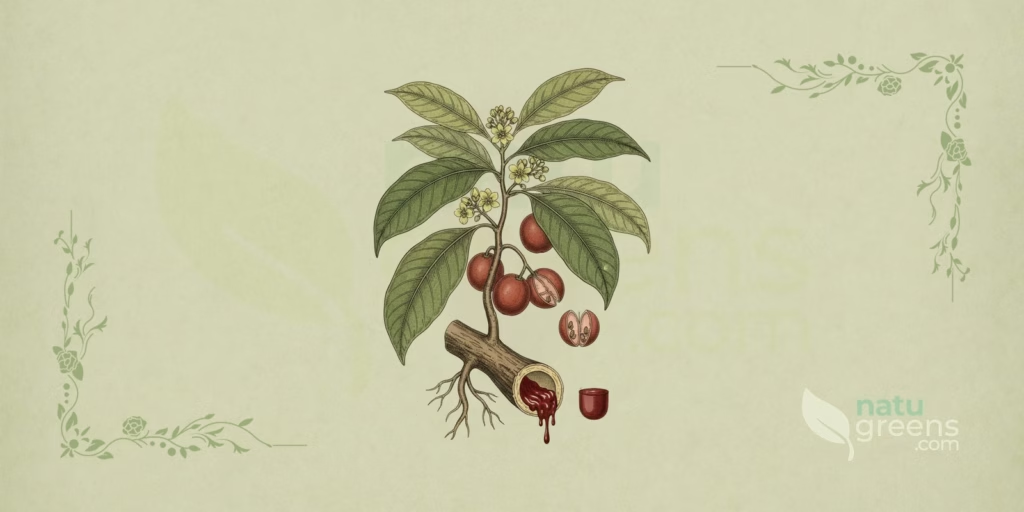
Syzygium cumini (L.) Skeels / Jamun, also commonly known as Java plum, black plum, Malabar plum or jambolan, is an evergreen tropical tree of the Myrtaceae family, native to the Indian subcontinent and Southeast Asia. First described by Carl Linnaeus and later moved to the genus Syzygium by the American botanist Homer Collar Skeels, the species has spread to many tropical and subtropical regions of the world, including Brazil. Across all these regions, the tree has come to be valued for its fruit, its timber and its ornamental appeal. Historically, jamun has held a prominent place in traditional medicine, above all in Ayurveda, Unani and Chinese medicine, which use its leaves, bark, fruit and seeds in a range of preparations.
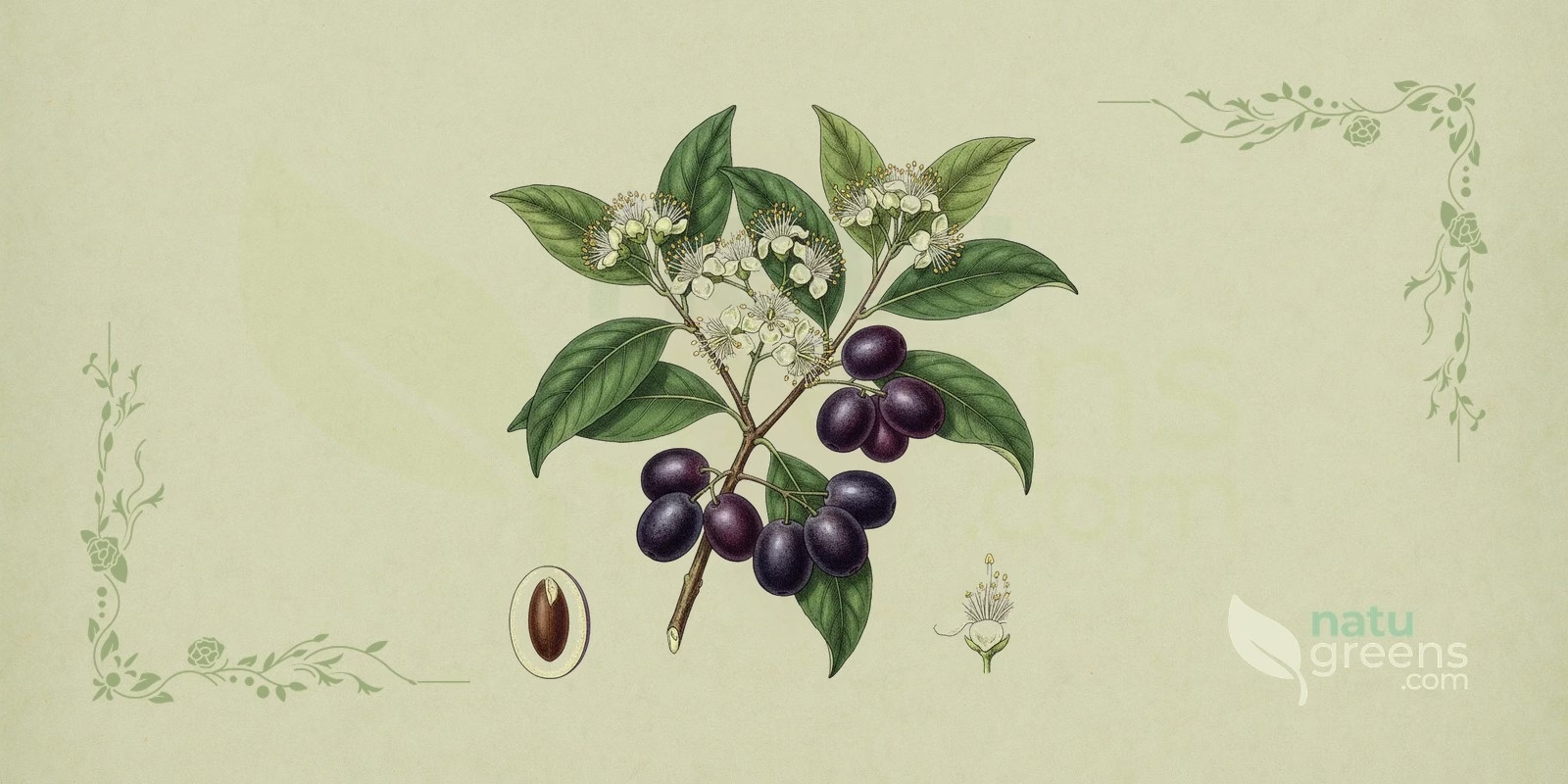
The tree can reach up to 30 meters in height and live for more than 100 years, forming a dense canopy that casts abundant shade. The fruits, which ripen between May and June in India, change color as they mature, going from green to pink, then to a bright crimson red and finally to a purple so dark that it looks black. With a sweet-and-sour, slightly astringent taste, they are enjoyed both fresh and in culinary preparations such as juices, jams and syrups. The chemical makeup of jamun, rich in anthocyanins, flavonoids and tannins, explains the scientific interest in the plant, which ranges from its traditional role in supporting blood sugar control to the antioxidant activity observed in the laboratory.
Popular and International Names of Jamun
The names below bring together the most common terms in English and in other major European languages, including Portuguese, along with jamun, a word of Indian origin that several languages have adopted for both the tree and its fruit.
- English: black plum, jaman, jambolan, jambul, jamun, Java plum, Malabar plum.
- French: jamblon, jambolan, jamun, prunier de Java.
- German: Jambolan, Jambulbaum.
- Italian: jambolan, jambul, jamun, prugna di Giava.
- Portuguese: ameixa-roxa, azeitona-preta, azeitona-roxa, jambolão, jamelão, jamun (Brazil); jambolão, jamelão (Portugal).
- Spanish: ciruela de Java, jambolán, jambul, jamun.
Botanical Synonyms of Syzygium cumini
The scientific name Syzygium cumini (L.) Skeels is the one currently accepted by the major taxonomic databases, but over the history of its classification the plant has gathered other botanical synonyms, a reflection of the various revisions the species has undergone. The basionym is Myrtus cumini L., the name under which Linnaeus originally described the plant before it was transferred to other genera in the family. In the older pharmacological literature, the name Eugenia jambolana turns up so often that it is worth knowing when looking up studies on jamun.
- Calyptranthes jambolana (Lam.) Willd.
- Eugenia cumini (L.) Druce
- Eugenia jambolana Lam.
- Myrtus cumini L.
- Syzygium jambolanum (Lam.) DC.
Botanical Family: Myrtaceae
The Myrtaceae family is a diverse group of flowering plants made up of trees and shrubs widely distributed across tropical and subtropical regions. It is known for the essential oils found in its leaves and fruits, which give them their characteristic aromas and flavors. As a member of this family, jamun shares common botanical traits such as simple, opposite leaves and flowers with numerous prominent stamens. Many species in the group are valued for their medicinal, culinary and ornamental uses.
Myrtaceae includes important genera such as Eucalyptus, Eugenia and Psidium (guava). Bioactive compounds such as polyphenols and flavonoids are a hallmark of the family and account for much of the pharmacological interest it attracts. The ecological and phytochemical diversity of the myrtle family makes it a subject of ongoing study in botany and pharmacology, with new applications for human health still under investigation.
Parts of Jamun Used
Tradition makes use of practically the whole tree, and each part has its own role: seeds and leaves appear in preparations linked to blood sugar control, the bark in astringent uses, and the fruits both as food and in homemade juices.
- Bark
- Fruits
- Leaves
- Seeds
Ethnobotanical and Traditional Uses
Ethnobotanical records describe a broad set of traditional uses for jamun, listed below as a historical and cultural reference, none of which replaces medical diagnosis or treatment.
- Arthritis and joint pain
- Asthma and bronchitis, for symptom relief
- Diarrhea and dysentery
- Heart problems
- Hyperglycemia and glycosuria, as support for blood sugar control
- Inflammation in general
- Liver disorders
- Mouth ulcers
- Parasitic infections
- Stomach pain
- Weight control, as a dietary aid
Of these uses, support for blood sugar control is by far the most studied, but the results in humans are mixed. Reviews describe effects in animal models and in a few small trials, whereas a Brazilian randomized clinical trial that followed 27 patients with type 2 diabetes for 28 days found no change in fasting blood glucose with the leaf tea.
Therapeutic Properties of Jamun
The properties below bring together traditional records and findings from scientific studies, most of them carried out in the laboratory or in animals, and few of them have been confirmed in clinical trials in humans.
- Antibacterial (activity against bacteria observed in laboratory tests)
- Antidiabetic (support for blood sugar control investigated in preliminary studies, with conflicting clinical results)
- Antidiarrheal (traditional record linked to the astringent effect of tannins)
- Anti-inflammatory (effect observed in experimental models)
- Antimicrobial (action on microorganisms in laboratory assays)
- Antioxidant (neutralization of free radicals in laboratory assays)
- Antiproliferative (activity observed in laboratory studies, without clinical confirmation)
- Antiviral (activity reported in in vitro studies)
- Cardioprotective (effect on the cardiovascular system investigated in experimental studies)
- Hepatoprotective (liver protection observed in animal models)
- Hypocholesterolemic (cholesterol reduction reported in preliminary studies)
- Hypoglycemic (lowering of blood glucose observed in preliminary studies, not confirmed for the leaf tea)
- Hypolipidemic (reduction of blood lipids in experimental studies)
- Immunomodulatory (modulation of the immune system in experimental studies)
- Neuroprotective (effect on the nervous system investigated in experimental models)
Detailed Phytochemical Profile of Jamun
Phytochemical studies have identified a wide variety of compounds in jamun, unevenly distributed among the parts of the plant. Anthocyanins account for the deep purple color of the ripe fruit, while the seeds and bark concentrate hydrolyzable tannins, ellagic acid and gallic acid, alongside other phenolic substances described in the reviews cited in the references.
- Alkaloids
- Anthocyanins
- Betulinic Acid
- Catechins
- Ellagic Acid
- Essential Oils
- Ferulic Acid
- Flavonoids (isoquercetin, kaempferol, myricetin, quercetin)
- Gallic Acid
- Glycosides
- Jambolin (antimellin)
- Jambosine
- Linoleic Acid
- Malvidin-3-laminaribioside
- Mucilages
- Myristic Acid
- Oleanolic Acid
- Oleic Acid
- Phenols
- Polyphenols
- Proteins
- Resins
- Saponins
- Steroids
- Tannins (ellagitannins, gallotannins)
- Triterpenes
Preparation and Administration Forms of Jamun
Ways of using jamun range from homemade tea to standardized extracts, and the choice usually depends on the part of the plant. The leaves are prepared as an infusion, the bark and seeds as a decoction or powder, and the fruits as juice. Concentrated products such as capsules, extracts and tinctures should only be used under the guidance of a health professional, especially by people already being treated for diabetes.
- Capsules
- Decoction (bark and seeds)
- Dry Extract
- Fluid Extract
- Infusion (leaves)
- Juice (from the fruits)
- Powder (from the seeds)
- Tincture
Synergy with Other Medicinal Plants
Support for Blood Sugar Control
Tradition pairs jamun with other plants popularly used for blood sugar control, such as white mulberry leaf (Morus alba) and cinnamon (Cinnamomum verum). The effects of these plants on glucose absorption and insulin sensitivity are being investigated, each one on its own, in preliminary studies. Precisely because it combines plants with a possible blood sugar-lowering effect, this pairing carries a risk of hypoglycemia and should only be used under the supervision of a health professional, never as a replacement for prescribed medication.
Digestive Health
For diarrhea or dysentery, traditional records pair jamun with astringent-tasting plants that show antimicrobial activity in the laboratory, such as guava (Psidium guajava) and pomegranate (Punica granatum). According to tradition, the logic of this combination is to add up the tannins of the three species to ease intestinal irritation and support a balanced gut flora. Even so, diarrhea that persists, contains blood or comes with fever requires medical evaluation.
Antioxidant Support
Combining jamun with anthocyanin-rich fruits such as açaí (Euterpe oleracea) and bilberry (Vaccinium myrtillus) is a feature of juice recipes and food preparations aimed at boosting antioxidant intake. The polyphenols in these species show antioxidant activity in laboratory assays, although it is not yet known to what extent this combined effect translates into cellular protection in the human body.
Recipes and Usage Protocols of Jamun
Jamun Leaf Infusion
Traditionally used to support blood sugar control, the leaf infusion is made with 1 tablespoon of dried leaves for every 200 ml of boiling water, leaving the mixture to steep for 10 to 15 minutes before straining and drinking it warm.
The daily amount and the best time to drink it should be decided with a health professional, especially by people who use insulin or oral hypoglycemic agents, and the tea does not replace prescribed medication. A randomized clinical trial with the leaf tea found no effect on blood glucose in people with type 2 diabetes, which underlines the purely complementary nature of this traditional use.
Jamun Seed Powder
The seeds are the preparation most often cited in folk tradition as support for blood sugar control, and making the powder simply involves grinding the dried seeds until fine, after which it is usually mixed into water or juice before meals.
Because seed powder is precisely the part of the plant most associated with an effect on glucose, the dose should not be decided on your own. Consult a health professional before starting, monitor your blood glucose closely during use, and do not use the powder as a substitute for prescribed medical treatment for diabetes.
Ripe Fruit Juice
Recorded in tradition for mild digestive complaints such as diarrhea, ripe fruit juice is prepared by washing the fruits well, removing the pits and blending the pulp with a little water, then straining it if desired and drinking it right away.
The usual serving is 1 glass (about 200 ml) a day, preferably unsweetened, since the fruit has a naturally sweet-and-sour taste and anyone monitoring their blood glucose should avoid sweetening the drink. Being rich in anthocyanins, the juice also appears in diets aimed at a higher intake of antioxidants.
The preparations above follow traditional records and do not replace professional guidance. Before any internal use, check the contraindications and interactions described in this article.
Associated Therapies
Ayurveda
In Ayurvedic medicine, jamun is known as Jambu and is traditionally used to balance the Pitta and Kapha doshas, being described as astringent, sweet and cooling. The seeds hold a central place in preparations linked to Madhumeha, the Ayurvedic term associated with diabetes. Tradition attributes to them a role in reducing blood sugar and supporting pancreatic function, and also uses the plant for digestive disorders, skin problems and immune support.
Western Herbal Medicine
In Western herbal medicine, jamun is studied mainly for its antidiabetic, antioxidant and anti-inflammatory activities, and its extracts go into supplements formulated for blood sugar control and cardiovascular health. Modern research is investigating many of its traditional uses, with a focus on standardizing extracts and identifying the bioactive compounds. The most consistent results, however, still come from laboratory and animal studies, while the available clinical trials are small and reach conflicting conclusions. For this reason, the plant appears in this approach only as an adjunct, never as a substitute for conventional treatment.
Unani
In Unani medicine, which originated in ancient Greece and developed in the Islamic world, the tree keeps the name Jamun and is used for a variety of conditions. Its texts recommend it for diabetes, liver disorders and gastrointestinal problems. According to this tradition, the astringent and cooling properties attributed to the plant are valued for reducing excess heat in the body and toning the organs, and jamun is also used there as a mild diuretic and blood purifier.
Contraindications and Side Effects of Jamun
Ripe jamun fruit is considered safe in normal dietary consumption, but the use of leaves, seeds, bark and concentrated extracts calls for more care, since large amounts or certain health conditions can lead to adverse effects. Knowing the contraindications and side effects described below is the first step toward using the plant more safely.
Diabetes and Hypoglycemic Medications
Jamun, also called jambolan or black plum, is traditionally used, especially its seeds, to support blood sugar control, and therefore calls for specific precautions in people already being treated for diabetes. Caution is advised for those taking diabetes medication (insulin or oral hypoglycemic agents), because of a possible additive hypoglycemic effect. Blood glucose should also be monitored closely if the plant is used alongside medical treatment for diabetes. Jamun should not be used as a substitute for prescribed medical treatment for diabetes. Signs such as trembling, cold sweats, dizziness or mental confusion during use call for an immediate blood glucose check and contact with a doctor. Ripe fruit eaten in usual dietary amounts does not carry this risk.
Common Side Effects
Excessive consumption of jamun can cause constipation because of its astringent properties, and in some people it causes nausea, vomiting or stomach upset, especially when taken on an empty stomach. Allergic reactions are rare but can occur as skin rashes or itching, so it is advisable to start with small amounts to assess individual tolerance.
Drug Interactions
Because of its possible blood sugar-lowering effect, jamun may interact with diabetes medications and enhance their action, leading to episodes of hypoglycemia. People taking anticoagulants should also be cautious, as the plant may influence blood clotting. In any case, consult a health professional before combining jamun with medications, to avoid unwanted interactions and, if necessary, adjust doses.
Pregnancy and Breastfeeding
There is not enough data on the safety of jamun during pregnancy and breastfeeding, so the plant should not be used during pregnancy and lactation without medical guidance. As a precaution, pregnant and breastfeeding women should avoid concentrated extracts, leaf or seed teas and large amounts of the plant. Even occasional consumption of small portions of ripe fruit should be discussed with a doctor.
Other Contraindications
People with serious kidney or liver problems should use jamun only under medical supervision, since the plant may influence the function of these organs. Anyone with a history of kidney stones should avoid excessive consumption because of its oxalate content. Jamun is also not recommended for young children without professional guidance, as safety data for this age group are lacking.
Historical Notes and Interesting Facts
Cultural and Religious Significance
In India, where jamun carries deep cultural and religious significance, ancient Buddhist texts such as the Majjhima Nikāya recount that the young Siddhartha, the future Buddha, attained the first stage of meditation, jhāna, while sitting in the shade of a jambu tree, traditionally identified as jamun. This memory would later guide him on the path to Awakening. Hindu legends associate Krishna with the fruit and describe four jamun symbols on his right foot. In Maharashtra, the tree’s leaves appear in wedding ceremonies as a symbol of prosperity and fertility. In Tamil Nadu, a popular story tells of the poet Avvaiyar meeting the god Murugan beneath a jamun tree, an encounter in which she is said to have learned that knowledge is infinite.
Uses of the Wood
Jamun wood, called neredu in Telugu, is valued for its strength and durability, and in Andhra Pradesh it is used to make bullock cart wheels and other farm equipment. It also goes into doors, windows, furniture and rural housing, and its water resistance, once properly treated, makes it suitable for uses that demand longevity, such as railway sleepers and well structures.
Fruit Varieties
Although most jamun fruits ripen to a deep purple that is almost black, there is a rare white-fruited variant, less common but just as prized for its flavor. This diversity of colors reflects the genetic variability of the species, and the intense hue of the common fruits is due to their high concentration of anthocyanins, natural pigments with antioxidant activity documented in laboratory studies.
Frequently Asked Questions about Jamun
Does Jamun Tea Help with Diabetes Control?
Jamun, especially its seeds and leaves, is traditionally used to support blood sugar control, and preliminary studies are investigating compounds in the plant that may lower blood glucose. Results in humans are still limited and conflicting, and a randomized clinical trial with the leaf tea found no effect on blood glucose in people with type 2 diabetes. For this reason, the tea should not be used as a substitute for prescribed medical treatment for diabetes, and anyone already taking medication needs to talk to their doctor before using it.
Can People Taking Diabetes Medication Drink Jamun Tea?
Only with medical guidance, because caution is advised for those taking diabetes medication (insulin or oral hypoglycemic agents), given the possible additive hypoglycemic effect. Anyone who decides to use the plant alongside their treatment should monitor their blood glucose closely and inform their doctor, who can assess whether doses need adjusting, bearing in mind that ripe fruit eaten in usual dietary amounts does not carry this risk.
What Benefits Are Attributed to Jamun Tea?
Tradition uses jamun tea to aid digestion and relieve diarrhea and dysentery, while laboratory and animal studies describe antioxidant, anti-inflammatory, antimicrobial and hepatoprotective activity. Possible effects on cardiovascular and neurological health are also being investigated, but still without confirmation in robust clinical trials. Its richness in flavonoids and polyphenols explains much of this interest, although the drink should be seen as a complement to healthy habits rather than as a treatment.
Are There Contraindications for Drinking Jamun Tea?
Yes, and the main ones concern pregnant women, breastfeeding women and young children, groups for whom conclusive safety studies are lacking, as well as people taking diabetes medication, because of the risk of hypoglycemia. Anyone with serious kidney or liver problems, or a history of kidney stones, should also be cautious with the tea. Before starting regular use, especially if you have pre-existing conditions or take anticoagulants, consult a health professional.
How Should I Prepare Jamun Tea Correctly?
For the leaf infusion, the traditional ratio is 1 tablespoon of dried leaves to 200 ml of boiling water, left to steep for 10 to 15 minutes before straining and drinking warm. Seed tea is made with powdered ground seeds in hot water, but the amount and frequency of use, for both leaves and seeds, should be decided with a health professional. Prolonged boiling of leaves and seeds is usually avoided to preserve their compounds.
Can Jamun Tea Help with Weight Loss?
There is no evidence that jamun tea promotes weight loss on its own, even though the plant is being studied for possible effects on glucose metabolism. It can be part of a balanced diet and an active lifestyle, but sustainable weight loss depends on an appropriate diet, regular physical exercise and, when needed, the support of a nutritionist who can draw up a personalized plan.
Notice: this content is for informational purposes and does not replace professional medical advice. Consult a physician or herbal practitioner before using medicinal plants, especially during pregnancy, breastfeeding, or alongside medication.
References and Scientific Studies
- PMC2012 Aqil F, et al. Antioxidant and antiproliferative activities of anthocyanin/ellagitannin-enriched extracts from Syzygium cumini L. (Jamun, the Indian Blackberry). Nutrition and Cancer. 2012.
- PMC2012 Ayyanar M, Subash-Babu P. Syzygium cumini (L.) Skeels: a review of its phytochemical constituents and traditional uses. Asian Pacific Journal of Tropical Biomedicine. 2012.
- PMC2013 Ayyanar M, et al. Syzygium cumini (L.) Skeels., a novel therapeutic agent for diabetes: folk medicinal and pharmacological evidences. Complementary Therapies in Medicine. 2013.
- PMC2022 Qamar M, et al. Phytochemical Profile, Biological Properties, and Food Applications of the Medicinal Plant Syzygium cumini. Foods. 2022.
- PMC2022 Rizvi MK, et al. Astounding Health Benefits of Jamun (Syzygium cumini) toward Metabolic Syndrome. Molecules. 2022.
- PMC2006 Teixeira CC, et al. The efficacy of folk medicines in the management of type 2 diabetes mellitus: results of a randomized controlled trial of Syzygium cumini (L.) Skeels. Journal of Clinical Pharmacy and Therapeutics. 2006.