Jasminum officinale L. / Jasmine, popularly known as common jasmine, true jasmine or poet’s jasmine, is a deciduous climber in the Oleaceae family, described by Carl Linnaeus. Native to the Caucasus and to several regions of Asia, the species spread around the world thanks to its fragrant flowers and the place it holds in the traditional medicine of many peoples. Cultivated for millennia, jasmine already appears in Chinese texts from the 3rd century AD. Its white, star-shaped flowers, with their intense fragrance, are still harvested to produce essential oil, infusions and other herbal preparations.
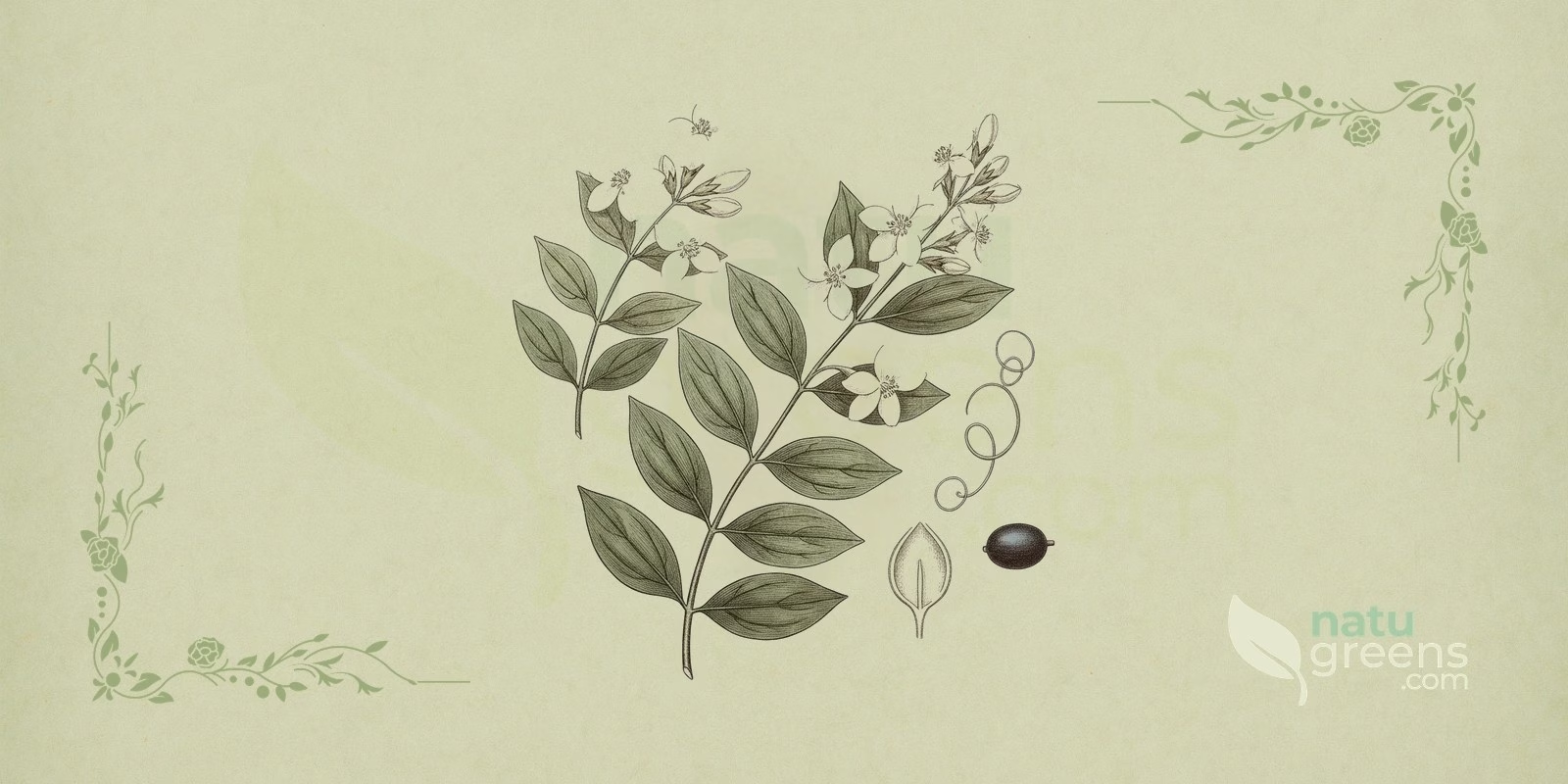
In traditional medicine, jasmine is valued above all for its calming and digestive qualities. Its phytochemical makeup, which brings together alkaloids, flavonoids and terpenoids, helps explain why researchers are interested in its possible anti-inflammatory, antioxidant and anxiolytic actions. Some of these effects have already been observed in laboratory and animal studies, but clinical trials in humans are still scarce, so most of the uses described in this article correspond to traditional records. In aromatherapy, the fragrance of the flowers holds a prominent place and is used with the aim of encouraging relaxation and emotional well-being.
Popular and International Names of Jasmine
- English: common jasmine, jessamine, poet’s jasmine, summer jasmine, true jasmine, white jasmine.
- French: jasmin, jasmin blanc, jasmin commun.
- German: Echter Jasmin, Gewöhnlicher Jasmin.
- Italian: gelsomino, gelsomino comune.
- Portuguese: jasmim, jasmim-branco, jasmim-comum, jasmim-da-china, jasmim-da-espanha, jasmim-da-itália, jasmim-de-são-josé, jasmim-dos-poetas, jasmim-verdadeiro, jasmineiro.
- Spanish: jazmín, jazmín blanco, jazmín común.
The name yellow jasmine, which sometimes appears in popular lists associated with this species, actually refers to other plants, among them Gelsemium sempervirens, which is toxic, so it should not be regarded as a synonym for true jasmine.
Botanical Synonyms of Jasminum officinale
The botanical synonyms recorded for Jasminum officinale L. include Jasminum viminale Salisb. and Jasminum vulgatius Lam., although Jasminum officinale is the accepted name recognized by the scientific community. The existence of these alternative names reflects the complexity of plant taxonomy and the different classification approaches adopted over time. Knowing them helps identify the species precisely when it appears in older botanical publications, in herbaria or in regional sources.
Botanical Family: Oleaceae
The Oleaceae family is a diverse group of flowering plants that includes trees, shrubs and climbers distributed mainly across temperate and tropical regions. It is known for economically important genera such as Fraxinus (ash), Olea (olive) and Syringa (lilac), as well as Jasminum itself. Its species usually have opposite leaves, flowers that generally have four petals, and fruits that range from drupes and berries to capsules and samaras.
As a member of this family, jasmine shares botanical traits such as its floral structure and the presence of secondary compounds typical of the group. Many Oleaceae species are valued for their medicinal properties, their ornamental value or their oil production. The chemical diversity of the family has been the subject of in-depth studies, which have revealed iridoids, flavonoids and other secondary metabolites with biological activities of interest for research.
Parts of Jasmine Used
- Essential oil (obtained from the flowers)
- Flowers
- Leaves
- Roots
The flowers are the most widely used part, both fresh and dried, and they yield the essential oil used in perfumery and aromatherapy. Leaves and roots appear in more limited traditional records, with little safety information available for home use.
Ethnobotanical and Traditional Uses
The uses below bring together records from folk medicine and from traditional systems of different regions. Most of them have not been confirmed by clinical studies and serve as a historical reference, not as a treatment recommendation.
- Anxiety and nervousness.
- Cough.
- Culinary use (tea, sweets, jams and liqueurs).
- Digestive disorders and gastritis.
- Dysmenorrhea, duodenitis, stomatitis and hepatitis (flower buds, a record from Chinese folk medicine).
- Eye irritation and conjunctivitis (traditional record, applied as compresses).
- Headaches and migraine.
- Insomnia and sleep disorders.
- Intestinal cramps and flatulence.
- Irritable bowel syndrome.
- Mild to moderate depression (traditional record, which does not replace medical follow-up).
- Muscle aches and toothache.
- Premenstrual syndrome and menstrual cramps.
- Religious worship and hair ornaments (India).
- Scorpion stings (historical record; a scorpion sting requires emergency medical care).
- Skin care.
- Skin inflammation and wounds.
In the case of the flower buds, oleuropein isolated from the grandiflorum variety has been evaluated in experimental studies against hepatitis B virus replication. This is an experimental finding that does not justify using jasmine to treat hepatitis, a disease that requires medical diagnosis and follow-up.
Therapeutic Properties of Jasmine
The properties listed below combine traditional records and findings from preliminary studies, almost always carried out in the laboratory or in animals. The note in parentheses indicates the kind of support each one has today.
- Analgesic (traditional record for mild pain)
- Anti-inflammatory (activity observed in laboratory studies)
- Antimicrobial (activity observed in laboratory studies)
- Antioxidant (activity observed in laboratory assays)
- Antiseptic (traditional record in washes and compresses)
- Antispasmodic (traditional record for cramps)
- Aphrodisiac (traditional record, especially in aromatherapy)
- Aromatic (intense fragrance of the flowers)
- Calming (traditional and aromatherapy record)
- Depurative (a term from the herbal tradition with no defined clinical equivalent)
- Diuretic (traditional record)
- Emollient (softens and moisturizes the skin in topical use)
- Expectorant (traditional record for coughs)
- Hypocholesterolemic (hypothesis investigated in preliminary studies)
- Hypoglycemic (effect observed in preliminary studies, not clinically proven)
- Immunomodulatory (hypothesis from preliminary studies)
- Invigorating (aromatherapy record)
- Mood-modulating (traditional and aromatherapy record, not clinically proven)
- Neuroprotective (hypothesis from laboratory studies)
- Rejuvenating (traditional cosmetic record)
- Relaxing (traditional and aromatherapy record)
- Sedative (traditional record of a mild effect on sleep)
- Thermogenic (popular claim without consistent studies)
Detailed Phytochemical Profile of Jasmine
The chemical composition of jasmine varies according to the part of the plant, the variety and the extraction method. The list below brings together compounds and classes of substances described in the flowers, leaves, stems and essential oil.
- Alkaloids
- Anthocyanins
- Aucubin
- Benzaldehyde
- Cicerose
- Coumarins
- Creosol
- Emodin
- Esters
- Farnesene
- Farnesol
- Flavonoids (apigenin)
- Geraniol
- Indole
- Iridoid and secoiridoid glycosides (8-dehydroxyshanzhiside, jasgranoside B, ligstroside, loganin, oleoside, oleuropein)
- Jasminene
- Jasmone
- Leucoanthocyanins
- Linalool
- Nerolidol
- Phenols
- Phytol
- Quinoline
- Resin
- Salicylic acid
- Saponins
- Terpenoids
- Vanillin
Among these constituents, volatile compounds such as linalool, indole and jasmone account for much of the characteristic fragrance of the flowers. The iridoid and secoiridoid glycosides, related to those of the olive tree, are the focus of most pharmacological research on the species.
Preparation and Administration Forms of Jasmine
- Compresses
- Creams
- Dry extract
- Essential oil (external use and aromatherapy)
- Facial steam
- Fluid extract
- Infusion (tea)
- Poultice
- Syrup
- Tincture
An infusion of the dried flowers is the simplest and safest form for home use, while the essential oil, being highly concentrated, is reserved for diluted external application and for diffusion in the room. It is worth knowing that the ready-made jasmine tea sold in tea bags is usually green or white tea scented with flowers, generally from Jasminum sambac. That is why it contains caffeine, which matters for anyone looking for an evening drink.
To keep dried flowers, store them in airtight glass or metal containers in a cool, dark and dry place, away from light and moisture. Under these conditions they retain their aroma for up to a year, whereas plastic bags tend to trap moisture and encourage mold growth.
Synergy with Other Medicinal Plants
The combinations below come from herbal tradition and phytotherapeutic practice, with no clinical studies evaluating the blends themselves, and should be read as traditional records.
Anxiety and Insomnia
In herbal tradition, jasmine is paired with valerian (Valeriana officinalis) and passionflower (Passiflora incarnata) in blends traditionally used for nervousness and difficulty sleeping. The idea behind the combination is to add the aromatic profile of jasmine to the valerenic acid in valerian and to the flavonoids and alkaloids in passionflower. Since all three plants have a reputation as sedatives, the blend calls for extra caution in people already taking anxiolytics, sedatives or hypnotics, and it should not be combined with alcoholic drinks or taken before driving.
Digestive Disorders
For dyspepsia, flatulence and intestinal cramps, tradition pairs jasmine with peppermint (Mentha × piperita) and lemon balm (Melissa officinalis). The traditional reasoning is that jasmine terpenoids such as linalool would add to the menthol in peppermint and the phenolic compounds in lemon balm to produce an antispasmodic and carminative action on the gastrointestinal tract, a hypothesis that still lacks confirmation in studies of the blend. People with gastroesophageal reflux should talk to a professional before using peppermint regularly.
Skin Inflammation
In topical applications, jasmine is combined with calendula (Calendula officinalis) and aloe vera (Aloe vera) in preparations traditionally used on small wounds, minor burns and dermatitis. The flavonoids and terpenoids in jasmine, the triterpenes in calendula and the polysaccharides in aloe vera are the compounds cited to explain this use, which is limited to superficial lesions. Deep wounds, extensive burns or signs of infection call for professional assessment.
Recipes and Usage Protocols of Jasmine
Calming Aromatic Infusion
Ingredients: 1 teaspoon of dried jasmine flowers, 200 ml of freshly boiled water, honey (optional).
Preparation: Place the flowers in a cup, add the freshly boiled water, cover and let steep for 5 to 7 minutes, then strain and sweeten with honey if desired. By tradition, 1 cup is taken after the main meals, because of its digestive use, or about 30 minutes before bedtime. At that hour, the drink is traditionally used to relax and enjoy the gentle aroma of the flowers in moments of stress and anxiety. Honey should not be given to children under 1 year of age.
Facial Steam for Skin Care
Ingredients: 3 tablespoons of dried jasmine flowers, 1 liter of boiling water.
Preparation: Place the flowers in a large bowl, add the boiling water and, keeping your face at a safe distance to avoid burns, cover your head with a towel to hold in the steam and stay that way for 10 to 15 minutes, breathing calmly. Jasmine steam is traditionally used in skin care, with the aim of opening the pores and making use of the emollient character of the flowers. People with rosacea, very sensitive skin or asthma should avoid it or talk to a professional first.
Jasmine Compress for Eye Irritation
Ingredients: 1 tablespoon of dried jasmine flowers, 200 ml of boiling water.
Preparation: Make an infusion by leaving the flowers in the water for 10 minutes, strain carefully through a paper filter or a clean cloth and let it cool to room temperature. Soak sterile gauze pads in the infusion and place them over closed eyes for 10 to 15 minutes, 2 to 3 times a day, making a fresh infusion each time and discarding any leftovers. This compress is traditionally used for irritated, tired eyes. If there is discharge, pain, severe redness or any change in vision, or if you wear contact lenses, see an ophthalmologist instead of using it.
Jasmine Flower Tincture
Ingredients: 200 g of dried jasmine flowers, 1 liter of 70% grain alcohol (food grade).
Preparation: Place the flowers in a glass jar, cover them with the alcohol, seal tightly and leave to macerate for 14 days, shaking daily, then filter through a fine cloth and store in a dark glass bottle. In tradition, this tincture is used in moments of nervousness and low spirits, but there are not enough safety data to set a home dose. For that reason, the amount and frequency should be defined with guidance: consult a health professional before using it. The tincture does not replace treatment for depression, contains alcohol and is not suitable for pregnant or breastfeeding women, children, people with a history of alcohol dependence or anyone taking medicines that interact with alcohol.
Relaxing Massage Oil
Ingredients: 5 drops of jasmine essential oil, 30 ml of sweet almond or jojoba carrier oil.
Preparation: Mix the essential oil into the carrier oil in a dark glass bottle and, before the first use, do a patch test on a small area of the forearm. If there is no reaction within 24 hours, apply to clean skin, gently massaging areas of muscle tension or the whole body in a relaxing massage. In aromatherapy, jasmine essential oil is traditionally used for its aphrodisiac and relaxing reputation, but it should never be applied undiluted, and as a precaution it is best to avoid sun exposure right after application.
The preparations above follow traditional records and do not replace professional guidance. Before any internal use, check the contraindications and interactions described in this article.
Associated Therapies
Aromatherapy
Jasmine essential oil, obtained from the flowers, is among the most prized in aromatherapy for its striking, exotic aroma. Inhalation through diffusers or vaporizers is used with the aim of reducing stress and anxiety and encouraging a sense of well-being. A trial carried out in Iran compared aromatherapy with jasmine and with sage on labor pain intensity in women giving birth for the first time, a supervised setting that is not equivalent to home use during pregnancy. In massage, the diluted oil is traditionally used for muscle tension and aches and for its aphrodisiac reputation, and topical application, always diluted, also appears in skin moisturizing routines.
Clinical Herbal Medicine
In herbal medicine, jasmine appears in some formulations, such as extracts, capsules and tinctures, but it is not among the plants with established clinical use. The indications cited for sleep disorders, anxiety and mild depression rest mainly on tradition and on preliminary studies. When it is included in a protocol, it usually comes in as an adjunct, alongside sleep hygiene measures and professional follow-up, and never in place of medicines prescribed for anxiety or depression.
Homeopathy
In homeopathy, the remedy called Gelsemium sempervirens, known as yellow jasmine, has no relation to Jasminum officinale, since it comes from another plant and another family, and it is used in that tradition for conditions such as performance anxiety, trembling, weakness and drowsiness. There are records of homeopathic preparations of Jasminum officinale itself aimed at irritability and insomnia in people sensitive to stimuli, though they are little used and no clinical studies confirm their efficacy. In this approach, the choice of remedy is always individualized based on the full set of symptoms.
Contraindications and Side Effects of Jasmine
True jasmine has flowers traditionally used in tea, aromatherapy and perfumery, with a well-established safety profile in culinary and aromatic use. There is no relevant restriction on drinking tea made from the flowers in usual amounts. The essential oil, on the other hand, is for external use and aromatherapy and must never be ingested in concentrated form without guidance from a qualified professional. People with a known allergy to plants in the Oleaceae family, such as olive, ash and lilac, should avoid jasmine in any form.
During pregnancy, the use of concentrated essential oil in aromatherapy should be discussed with a professional as a precaution. Concentrated preparations such as tinctures and extracts should also be avoided without guidance, since some species of the genus Jasminum are described as emmenagogues, that is, capable of stimulating menstrual flow and uterine contractions. During breastfeeding, the safety of concentrated forms has not been established, and the same applies to children, who should only drink teas with a pediatrician’s guidance. Babies under 6 months should not be given teas, and the essential oil should not be applied to young children without professional guidance.
Common Side Effects
Side effects of jasmine are rare and usually mild, and may include nausea, vomiting and allergic skin reactions such as contact dermatitis or hives, especially in sensitive people. An allergic contact reaction is possible in skin that is sensitive to the undiluted essential oil, so dilution is recommended before topical use, along with a patch test on a small area of skin, observed for 24 hours, before wider application.
Drug Interactions
Because of its sedative reputation, jasmine in concentrated forms may, in theory, add to the effect of anxiolytics, sedatives and hypnotics and cause excessive drowsiness. Since preliminary studies suggest a mild hypoglycemic effect, people taking diabetes medication should monitor their blood glucose and talk to their doctor before using extracts or tinctures. People being treated for depression or anxiety, including with antidepressants, should not replace these medicines or combine them with jasmine preparations without guidance. In any case, it is wise to tell your doctor about any herbal teas and supplements you use.
Confusion with Other Plants Called Jasmine
Several plants unrelated to true jasmine share the same common name, and the confusion can be dangerous. Yellow jasmine (Gelsemium sempervirens), of the Gelsemiaceae family, is highly toxic and must never be used in teas or homemade preparations. Likewise, no jasmine preparation replaces emergency care in the case of a scorpion sting, which must be sought immediately, especially when the victim is a child.
Historical Notes and Interesting Facts
The name jasmine derives from the Persian Yasmin, which according to popular tradition would mean “gift from God”, an interpretation that reflects the reverence paid to the flower in many cultures. In India and the Himalayas, jasmine is considered a sacred flower, present in religious rituals and worn as a hair ornament. Its cultivation goes back millennia, with an uncertain origin, although it is generally associated with Central Asia. Chinese texts from the 3rd century AD already mentioned it as a foreign plant, a sign of a long history of spread and appreciation.
Jasmine probably reached Europe through Sicily, during its period of Arab-Norman culture. In the 14th century, the Italian writer Giovanni Boccaccio described gardens with jasmine in the Decameron, evidence of its presence and ornamental value in medieval Europe. Curiously, Carl Linnaeus, considered the father of modern taxonomy, once assumed the plant was native to Switzerland, a mistake that shows how well adapted it already was to the European climate. Over the centuries, various garden cultivars appeared, such as the variegated ‘Argenteovariegatum’, which further broadened the ornamental appeal of the species. Today, the flowers remain a classic raw material of fine perfumery.
Frequently Asked Questions about Jasmine
Can Jasmine Tea Be Consumed Daily?
Yes, tea made from jasmine flowers can be consumed daily in usual amounts, 1 to 3 cups a day, by most people, since there is no relevant restriction on this use. Anyone buying ready-made jasmine tea should check whether the base is green or white tea, which contains caffeine, and people allergic to plants in the Oleaceae family should avoid it. If in doubt, or if you have a specific health condition, consult a health professional.
Does Jasmine Help You Sleep Better?
Jasmine has a long tradition as a calming plant, and both the flower infusion and the aroma of the essential oil are used to encourage relaxation before bed. Studies on this effect are still preliminary and the response varies from person to person, so the tea works best as part of a sleep routine rather than as a stand-alone solution. Persistent insomnia deserves medical evaluation, and anyone already taking sleep medication should talk to their doctor before adding concentrated jasmine preparations.
Can Jasmine Essential Oil Be Taken Internally?
No, because jasmine essential oil is for external use and aromatherapy and must never be ingested in concentrated form without guidance from a qualified professional. For use on the skin, it should always be diluted in a carrier oil, since the undiluted oil can cause an allergic contact reaction in sensitive skin, and a patch test on a small area before wider use is recommended.
Can Children Drink Jasmine Tea?
There are no specific safety studies in children, so jasmine tea should only be offered in small amounts and with a pediatrician’s guidance. Babies under 6 months should not be given teas of any kind, and the essential oil should not be applied to young children without professional guidance.
Can Jasmine Be Used during Pregnancy?
Tea made from the flowers in usual amounts carries no relevant restriction, but during pregnancy caution is advised with concentrated forms such as tinctures and extracts, because some species of the genus are described as emmenagogues and may stimulate uterine contractions. The use of concentrated essential oil in aromatherapy during pregnancy should be discussed with a professional as a precaution, and during breastfeeding the safety of concentrated forms has not been established either.
What Is the Difference between Jasmine, Star Jasmine and Yellow Jasmine?
Jasmine (Jasminum officinale) belongs to the Oleaceae family, whereas star jasmine (Trachelospermum jasminoides) is in the Apocynaceae family and is grown mainly as an ornamental, despite its equally fragrant flowers. Yellow jasmine (Gelsemium sempervirens), for its part, is highly toxic and unrelated to true jasmine, so correct identification of the species is essential before any use.
Notice: this content is for informational purposes and does not replace professional medical advice. Consult a physician or herbal practitioner before using medicinal plants, especially during pregnancy, breastfeeding, or alongside medication.
References and Scientific Studies
Peer-Reviewed Scientific Studies (6)
- PMC2021 Balkrishna A, et al. Mechanistic Insight into Antimicrobial and Antioxidant Potential of Jasminum Species: A Herbal Approach for Disease Management. Plants (Basel). 2021.
- PMC2014 Kaviani M, et al. Comparison of the effect of aromatherapy with Jasminum officinale and Salvia officinale on pain severity and labor outcome in nulliparous women. Iran J Nurs Midwifery Res. 2014.
- PMC2019 Lu Y, et al. Four new sesquiterpenoids with anti-inflammatory activity from the stems of Jasminum officinale. Fitoterapia. 2019.
- PMC2024 Shady NH, et al. Capturing the antimicrobial profile of Paeonia officinalis, Jasminum officinale and Rosa damascene against methicillin resistant Staphylococcus aureus with metabolomics analysis and network pharmacology. Sci Rep. 2024.
- PMC2024 Thakur M, et al. Hypoglycemic and antioxidant activities of Jasminum officinale L. with identification and characterization of phytocompounds. Heliyon. 2024.
- PMC2009 Zhao G, et al. Antiviral efficacy against hepatitis B virus replication of oleuropein isolated from Jasminum officinale L. var. grandiflorum. J Ethnopharmacol. 2009.
Supplementary Readings (1)
- 1992 Duke JA. Handbook of Phytochemical Constituents of GRAS Herbs and Other Economic Plants. CRC Press. 1992.