Centella asiatica (L.) Urban / Gotu Kola, popularly known as gotu kola, Indian pennywort or brahmi (though this last name is more commonly associated with Bacopa monnieri), is a perennial herbaceous plant of the family Apiaceae. Described by Carl Linnaeus and later reclassified by Ignatz Urban, this species is native to the humid regions of Southeast Asia, including India, Sri Lanka, China, Indonesia and Malaysia, and it also extends into parts of southern Africa and Madagascar. Centella asiatica has been valued for millennia in traditional Ayurvedic and Chinese medicine for its wide range of therapeutic properties, especially as a brain tonic and for wound healing.
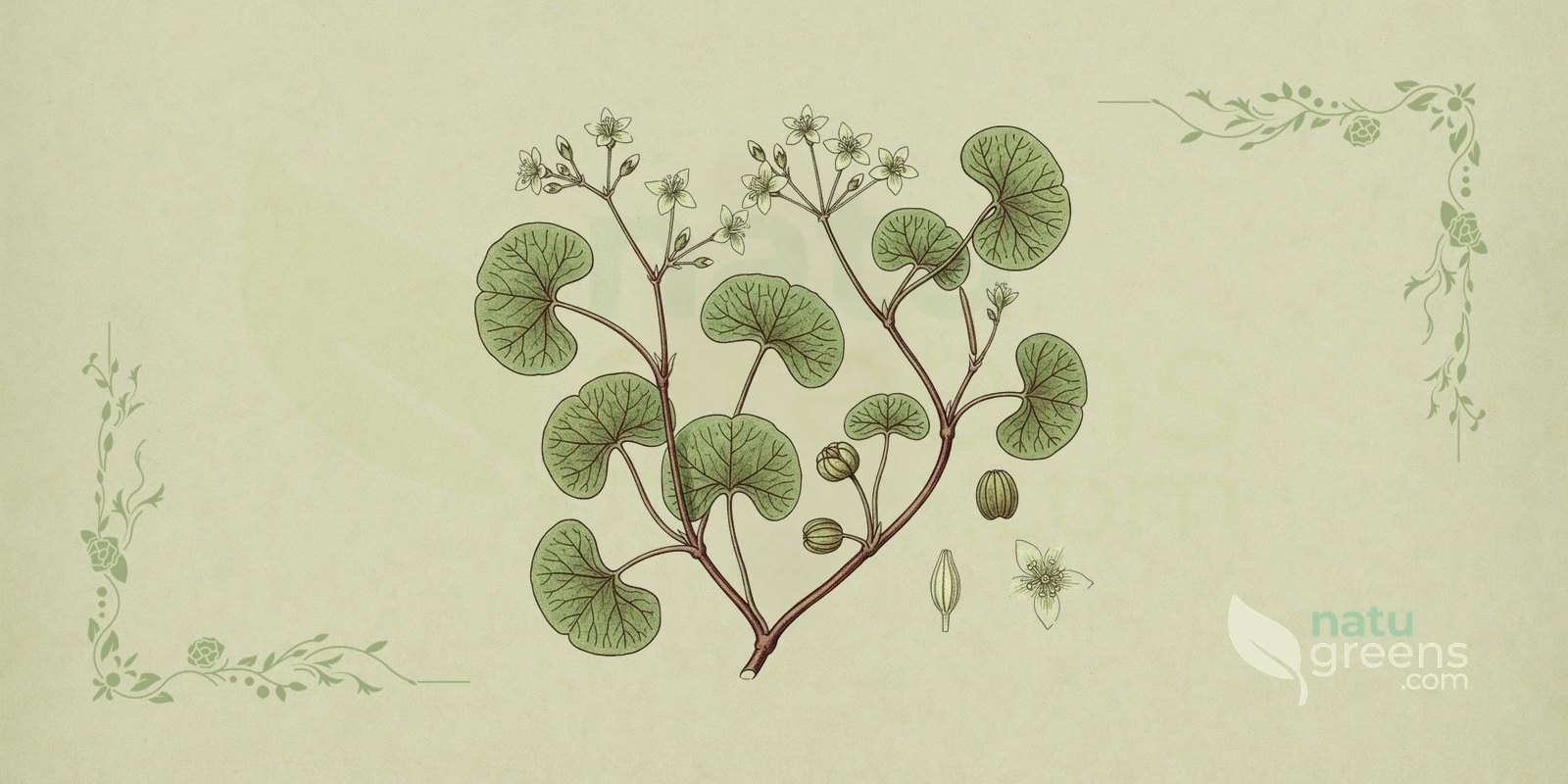
The plant grows low along the ground, spreading through stolons that root into the soil, and its leaves are yellowish green, thin, alternate and long-stalked, with reniform, orbicular or oblong-elliptic shapes marked by seven veins. Small white, pink or purple flowers adorn the plant. The importance of Centella asiatica is recognized in monographs from the European Pharmacopoeia, the German Commission E and the World Health Organization (WHO), which highlight its effects on wound healing and memory improvement. Modern scientific research continues to validate and explore the vast potential of this medicinal plant.
Popular and International Names of Gotu Kola
- English: asiatic pennywort, gotu kola, indian pennywort, indian water navelwort, tiger herb, wild violet.
- Spanish: brahmi, centella asiática, gotu kola, hierba de tigre.
- Portuguese: brahmi (BR), centelha asiática, gotu kola, hidrocotile, pata-de-cavalo.
- French: centella asiatica, gotu kola, herbe du tigre.
- Italian: centella asiatica, erba della tigre, gotu kola.
- German: Gotu Kola, Indischer Wassernabel, Tigergras.
Botanical Synonyms of Centella asiatica
The botanical synonyms of Centella asiatica (L.) Urban include Centella coriacea Nannfd., Hydrocotyle asiatica L., Hydrocotyle lunata Lam. and Trisanthus cochinchinensis Lour. These names reflect the taxonomic complexity and the history of this plant’s classification over time. Although Centella asiatica is the currently accepted name, the presence of multiple synonyms across scientific and traditional literature underscores its wide distribution and global recognition.
Botanical Family: Apiaceae
Centella asiatica belongs to the family Apiaceae, formerly known as Umbelliferae. This is a vast and cosmopolitan family, comprising roughly 3,700 species distributed across approximately 434 genera. It is characterized by mostly herbaceous plants with hollow stems and alternate leaves, often compound and with well-developed sheaths. The flowers are typically small and clustered into umbrella-shaped inflorescences, which gave the family its earlier name. Many species of Apiaceae are known for their aromatic and medicinal properties, including culinary plants such as parsley, coriander and carrot, as well as others with pharmacological importance such as hemlock and fennel. The presence of bioactive compounds, such as coumarins, flavonoids and essential oils, is common throughout this family, contributing to its diverse uses.
Parts of Gotu Kola Used
- Aerial parts
- Leaves
- Standardized extracts
Ethnobotanical and Traditional Uses
- Eye problems
- Fever
- Genitourinary disorders
- Improvement of cognition and memory
- Indigestion and diarrhea
- Relief of anxiety and stress
- Rheumatic pain
- Traditional support for cognitive decline, with preliminary research on Alzheimer’s disease
- Traditional use in leprosy (historical record)
- Wound healing and skin conditions
Therapeutic Properties of Gotu Kola
- Antibacterial (studied activity against bacteria)
- Anticonvulsant (studied effect in reducing seizures)
- Antidiabetic (studied effect on blood sugar)
- Antifungal (studied activity against fungi)
- Anti-inflammatory (studied effect in reducing inflammation)
- Antioxidant (studied activity against free radicals)
- Antiproliferative (activity observed in laboratory studies, without clinical proof)
- Antipsoriatic (studied effect in psoriasis models)
- Antiulcer (studied protective effect against ulcers)
- Antiviral (studied activity against viruses)
- Cardioprotective (studied protective effect on the heart)
- Hepatoprotective (studied protective effect on the liver)
- Immunostimulant (studied effect on the immune system)
- Insecticidal (repels insects)
- Neuroprotective (studied protective effect on the nervous system)
- Sedative (studied effect on relaxation)
Detailed Phytochemical Profile of Gotu Kola
- 3,4-di-O-caffeoylquinic acid
- 3,5-di-O-caffeoylquinic acid
- 4,5-di-O-caffeoylquinic acid
- Asiatic acid
- Asiaticin
- Asiaticoside
- Bayogenin
- Betulinic acid
- Brahmic acid
- Cadinol
- Castasterone
- Castillicetin
- Castilliferol
- Centellasapogenol A
- Centellasaponins A-D
- Centellicin
- Centellin
- Centellose
- Chlorogenic acid
- Ettacrinic acid
- Flavonoids (apigenin, kaempferol, luteolin, myricetin, patuletin, quercetin, rutin)
- Isochlorogenic acid
- Isothankunic acid
- Madasiatic acid
- Madecassic acid (6-hydroxy-asiatic acid)
- Madecassoside
- Monoterpenes and sesquiterpenes (essential oil, including α-copaene)
- o-Coumaric acid
- p-Coumaric acid
- p-Hydroxybenzoic acid
- Polyacetylenes (acetoxycentellinol)
- Pomolic acid
- Rosmarinic acid
- Sterols (11-oxoheneicosanylcyclohexane, dotriacont-8-en-1-oic acid, sitosterol 3-O-β-glucoside, stigmasterol 3-O-β-glucoside)
- Thankunic acid
- trans-Cinnamic acid
- Triterpenes (23-O-acetylasiaticoside B, 23-O-acetylmadecassoside, 3-O-[α-L-arabinofuranosyl] 2α,3β,6β,23-tetrahydroxyurs-12-en-28-oic acid, 3β,6β,23-trihydroxyolean-12-en-28-oic acid, 3β,6β,23-trihydroxyurs-12-en-28-oic acid)
- Ursolic acid
Preparation and Administration Forms of Gotu Kola
- Capsules
- Cream
- Dried extract
- Essential oil
- Fluid extract
- Infusion (tea)
- Tablets
- Tincture
Synergy with Other Medicinal Plants
Wound Healing and Skin Health
For topical applications, Centella asiatica shows synergy with Aloe vera and calendula (Calendula officinalis). While the triterpenes in Centella stimulate collagen production and tissue regeneration, Aloe vera offers moisturizing and anti-inflammatory properties, and calendula contributes its wound-healing and antiseptic effects. This combination is traditionally used for the care of wounds, burns and dermatitis, as well as for general skin health support.
Cognitive Function and Memory
Centella asiatica can be combined with Bacopa monnieri (Brahmi) and Ginkgo biloba to reinforce effects associated with memory and cognitive function. The synergy between the triterpenes of Centella and the bacosides of Bacopa, together with the flavonoids and terpenoids of Ginkgo, has been studied for its potential to optimize neuroprotection and cerebral circulation. This combination is frequently used in supplements aimed at brain health, although scientific evidence on the three-plant association remains limited.
Anxiety and Stress Reduction
The combination of Centella asiatica with valerian (Valeriana officinalis) and passionflower (Passiflora incarnata) is traditionally used for the relief of anxiety and stress. The anxiolytic effects of Centella, mediated by its triterpenes, complement the sedative compounds of valerian and the alkaloids of passionflower, resulting in a more pronounced calming effect. This synergy is employed to promote relaxation and support sleep quality; since the combination brings together plants with calming effects, people using sedatives or benzodiazepines should exercise extra caution and seek professional guidance before combining them.
Recipes and Usage Protocols of Gotu Kola
Homemade Healing Cream
Ingredients: 10 ml of Centella asiatica fluid extract, 50 g of neutral, fragrance-free cream base.
Preparation: Mix the fluid extract into the neutral cream base until a homogeneous blend is achieved. Store in a clean, dark container. Apply a small amount to clean, affected skin twice a day to support wound healing, help reduce inflammation and support skin elasticity. Ideal for scars, stretch marks and minor lesions. Discontinue use and seek medical guidance if irritation or an allergic reaction occurs.
Infusion for Cognitive Support
Ingredients: 1 teaspoon of dried Centella asiatica leaves, 200 ml of boiling water.
Preparation: Add the dried leaves to the boiling water. Cover and let steep for 10-15 minutes. Strain and drink. It is recommended to drink 1-2 cups a day as traditional support for brain function and stress management. This infusion is a gentle way to take advantage of the neuroprotective compounds studied in the plant.
Tincture for Anxiety and Nervousness
Ingredients: 50 g of dried Centella asiatica leaves, 250 ml of 70% grain alcohol.
Preparation: Place the leaves in a dark glass jar and cover with the alcohol. Seal well and let macerate for 2-4 weeks in a cool, dark place, shaking daily. Strain and store the tincture in a dropper bottle. Take 20-30 drops diluted in water, 2-3 times a day, as traditional support for the relief of anxiety and nervousness. The tincture provides a concentrated form of the plant’s active compounds; people using sedatives, benzodiazepines or anticoagulants should consult a healthcare professional before using it, given the possibility of interaction.
The preparations above follow traditional records and do not replace professional guidance. Before any internal use, check the contraindications and interactions described in this article.
Associated Therapies
Aromatherapy
Although essential oil from Centella asiatica is not common, extracts of the plant are incorporated into aromatherapy products for massages and topical treatments. Its bioactive compounds, especially the triterpenes, are believed to contribute to cellular regeneration and reduced inflammation, promoting a sense of well-being and relaxation when applied to the skin. Combining it with calming essential oils may enhance its effects.
Clinical Herbal Medicine
In clinical herbal medicine, Centella asiatica is widely used in standardized formulations, such as dried and fluid extracts, capsules and tablets. It is employed in formulations aimed at different purposes, including support for chronic venous insufficiency, wound healing, cognitive function support and anxiety reduction, always under professional guidance. Dosage is carefully adjusted based on the concentration of active compounds, such as asiaticosides, to pursue the desired effect and minimize adverse effects. Modern herbal medicine values Centella for its robust scientific basis.
Homeopathy
In homeopathy, Hydrocotyle asiatica (a synonym of Centella asiatica) is indicated, in homeopathic practice, for skin conditions such as psoriasis, eczema and ulcers, as well as for circulatory problems and inflammation. The homeopathic preparation follows the principles of dilution and dynamization, aiming to stimulate the body’s capacity for self-healing. It is often indicated for individuals with dry, thick skin prone to flaking, and for those who experience a sensation of heaviness in the legs due to poor circulation.
Contraindications and Side Effects of Gotu Kola
General Contraindications
Centella asiatica is contraindicated for individuals with known hypersensitivity to any component of the plant or to other plants of the Apiaceae family. Pregnant and breastfeeding women should avoid high therapeutic doses, as the plant has been reported to stimulate uterine contractions and, in animal studies, has been associated with infertility. Although occasional consumption in small amounts, such as in food, is generally considered safe, caution recommends medical consultation before any regular use or concentrated doses during pregnancy and breastfeeding. Children under 6 months should not use it without medical supervision, especially if combined with honey, due to the theoretical risk of contamination by Clostridium botulinum.
Common Side Effects
Side effects of Centella asiatica are generally rare and mild. They may include allergic skin reactions, such as contact dermatitis, hives or irritation, especially with topical application of undiluted extracts in sensitive individuals. In cases of ingestion, some people may experience nausea or gastrointestinal discomfort. It is important to monitor individual response to the plant and discontinue use if persistent or severe adverse reactions occur.
Drug Interactions
Centella asiatica may interact with certain medications. Due to the presence of coumarins, it can potentiate the effects of anticoagulants such as warfarin, increasing the risk of bleeding. Individuals being treated for diabetes should monitor their glucose levels, as Centella may have a mild hypoglycemic effect. In addition, combining it with sedatives or benzodiazepines may increase drowsiness due to its depressant effects on the central nervous system. It is always recommended to consult a healthcare professional before starting to use Centella asiatica, especially if taking other medications.
Historical Notes and Interesting Facts
The Tiger Legend
Centella asiatica is often known as Tiger Herb in some Asian cultures. This popular name comes from the observation of wild tigers that, after fights or injuries, would rub their wounds against the plant’s leaves to speed up healing. This legend highlights ancient folk wisdom about the healing properties of Centella asiatica, especially its tissue-regenerating and anti-inflammatory capacity, which is studied by modern science today.
Longevity and Wisdom
In traditional Chinese and Ayurvedic medicine, Centella asiatica is revered as an herb of longevity and wisdom. It is often associated with promoting vitality, mental clarity and a longer life. Regular consumption of the plant is believed to support memory, concentration and overall cognitive function, contributing to healthy, active aging. This age-old reputation positions it as a traditional adaptogen, capable of helping the body cope with stress and maintain balance.
Culinary and Cosmetic Use
Beyond its medicinal uses, Centella asiatica is also enjoyed in the cuisine of some Asian regions, where its fresh leaves are used in salads, juices and traditional dishes. Its slightly bitter, refreshing flavor adds a special touch to meals. In the field of cosmetics, the plant has gained prominence as a valued ingredient in skincare products, thanks to its antioxidant, anti-inflammatory and collagen-stimulating properties, being used to address wrinkles, cellulite and stretch marks and to promote firmer, healthier-looking skin.
Frequently Asked Questions about Gotu Kola
Can Gotu Kola Be Used by Children?
The use of Centella asiatica in children should be done with caution and under medical supervision, especially in infants under 6 months. Although it is traditionally used for some pediatric conditions, such as colic, it is essential to ensure the correct dosage and the absence of allergies. Combining it with honey in preparations for infants should be avoided due to the theoretical risk of infant botulism.
What Is the Best Way to Take Gotu Kola?
The best way to take Centella asiatica depends on the purpose of use. For internal use, infusions (teas) and fluid or dried extracts in capsules are common. For topical use, creams and ointments are recommended. The ideal choice should be guided by a healthcare professional, taking into account the condition to be addressed and the concentration of active compounds.
Does Gotu Kola Interact with Medications?
Yes, Centella asiatica can interact with certain medications, such as anticoagulants (due to coumarins) and sedatives (potentiating their effects). It can also influence glucose levels in diabetics. It is crucial to inform your doctor or pharmacist about all medications and supplements you use before starting to use the plant.
Are There Serious Side Effects Associated with Gotu Kola?
The side effects of Centella asiatica are generally mild and rare, including allergic skin reactions or gastrointestinal discomfort. More serious effects, such as infertility or miscarriage, have been observed in studies using very high doses in animals or in specific cases, but they are uncommon with recommended use. Always follow the indicated dosages and seek professional guidance.
Notice: this content is for informational purposes and does not replace professional medical advice. Consult a physician or herbal practitioner before using medicinal plants, especially during pregnancy, breastfeeding, or alongside medication.
References and Scientific Studies
View All 92 Cited References
Peer-Reviewed Scientific Studies (1)
- PMC2012 Orhan, I. E. (2012). Centella asiatica (L.) Urban: From Traditional Medicine to Modern Medicine with Neuroprotective Potential. Evidence-Based Complementary and Alternative Medicine, 2012, 946259. Recuperado de PMC NCBI
Supplementary Readings (91)
- 2007 Jamil, S. S., Nizami, Q., & Salam, M. (2007). Centella asiatica (Linn.) Urban: a review. Natural Product Radiance, 6(2), 158-170.
- 2001 Meulenbeld, G. J., & Wujastyk, D. (2001). Studies on Indian Medical History. Motilal Banarsidas.
- 1986 Chopra, R. N., Nayar, S. L., & Chopra, I. C. (1986). Glossary of Indian Medicinal Plants (Including the Supplement). Council of Scientific and Industrial Research.
- 2003 Howes, M. J. R., & Houghton, P. (2003). Plants used in Chinese and Indian traditional medicine for improvement of memory and cognitive function. Pharmacology Biochemistry and Behavior, 75(3), 513-527.
- 1988 Tenni, R., Zanaboni, G., De Agostini, M. P., Rossi, A., Bendotti, C., & Cetta, G. (1988). Effect of the triterpenoid fraction of Centella asiatica on macromolecules of the connective matrix in human skin fibroblast cultures. Italian Journal of Biochemistry, 37(2), 69-77.
- 1996 Suguna, L., Sivakumar, P., & Chandrakasan, G. (1996). Effects of Centella asiatica extract on dermal wound healing in rats. Indian Journal of Experimental Biology, 34(12), 1208-1211.
- 2008 Shetty, B. S., Udupa, S. L., & Udupa, A. L. (2008). Biochemical analysis of granulation tissue in steroid and Centella asiatica (Linn) treated rats. Pharmacologyonline, 2, 624-632.
- 2004 Somchit, M. N., Sulaiman, M. R., Zuraini, A., et al. (2004). Antinociceptive and antiinflammatory effects of Centella asiatica. Indian Journal of Pharmacology, 36(6), 377-380.
- 2009 George, M., Joseph, L., & Ramaswamy. (2009). Anti-allergic, anti-pruritic, and anti-inflammatory activities of Centella asiatica extracts. African Journal of Traditional, Complementary and Alternative Medicines, 6(4), 554-559.
- 2001 Sampson, J. H., Raman, A., Karlsen, G., Navsaria, H., & Leigh, I. (2001). In vitro keratinocyte antiproliferant effect of Centella asiatica extract and triterpenoid saponins. Phytomedicine, 8(3), 230-235.
- 2000 Cheng, C. L., & Koo, M. W. L. (2000). Effects of Centella asiatica on ethanol induced gastric mucosal lesions in rats. Life Sciences, 67(21), 2647-2653.
- 2004 Cheng, C. L., Guo, J. S., Luk, J., & Koo, M. W. L. (2004). The healing effects of Centella extract and asiaticoside on acetic acid induced gastric ulcers in rats. Life Sciences, 74(18), 2237-2249.
- 2008 Pingale, S. S. (2008). Evaluation of effect of Centella asiatica on CCL4 induced rat liver damage. Pharmacologyonline, 3, 537-543.
- 2002 Sudha, S., Kumaresan, S., Amit, A., David, J., & Venkataraman, B. V. (2002). Anti-convulsant activity of different extracts of Centella asiatica and Bacopa monnieri in animals. Journal of Natural Remedies, 2(1), 33-41.
- 2006 Wijeweera, P., Arnason, J. T., Koszycki, D., & Merali, Z. (2006). Evaluation of anxiolytic properties of Gotukola, (Centella asiatica) extracts and asiaticoside in rat behavioral models. Phytomedicine, 13(9-10), 668-676.
- 2003 Wang, X. S., Dong, Q., Zuo, J. P., & Fang, J. N. (2003). Structure and potential immunological activity of a pectin from Centella asiatica (L.) Urban. Carbohydrate Research, 338(22), 2393-2402.
- 2004 Gnanapragasam, A., Kumar Ebenezar, K., Sathish, V., Govindaraju, P., & Devaki, T. (2004). Protective effect of Centella asiatica on antioxidant tissue defense system against adriamycin induced cardiomyopathy in rats. Life Sciences, 76(5), 585-597.
- 2009 Raghavendra, M., Maiti, R., Kumar, S., Trigunayat, A., Mitra, S., & Acharya, S. (2009). Role of Centella asiatica on cerebral post-ischemic reperfusion and long-term hypoperfusion in rats. International Journal of Green Pharmacy, 3(2), 88-96.
- 2007 Venu Gopal Rao, M. L., & Mastan, S. A. (2007). Antidiabetic effects of methanolic extract of Centella asiatica (Linn.) on induced hyperglycemic rats. Biosciences Biotechnology Research Asia, 4(2), 721-724.
- 2002 Lee, Y. S., Jin, D. Q., Kwon, E. J., et al. (2002). Asiatic acid, a triterpene, induces apoptosis through intracellular Ca2+ release and enhanced expression of p53 in HepG2 human hepatoma cells. Cancer Letters, 186(1), 83-91.
- 2004 Bunpo, P., Kataoka, K., Arimochi, H., et al. (2004). Inhibitory effects of Centella asiatica on azoxymethane-induced aberrant crypt focus formation and carcinogenesis in the intestines of F344 rats. Food and Chemical Toxicology, 42(12), 1987-1997.
- 2000 Yoosook, C., Bunyapraphatsara, N., Boonyakiat, Y., & Kantasuk, C. (2000). Anti-herpes simplex virus activities of crude water extracts of Thai medicinal plants. Phytomedicine, 6(6), 411-419.
- 2005 Zaidan, M. R., Noor Rain, A., Badrul, A. R., Adlin, A., Norazah, A., & Zakiah, I. (2005). In vitro screening of five local medicinal plants for antibacterial activity using disc diffusion method. Tropical Biomedicine, 22(2), 165-170.
- 2009 Senthilkumar, N., Varma, P., & Gurusubramanian, G. (2009). Larvicidal and adulticidal activities of some medicinal plants against the Malarial Vector, Anopheles stephensi (Liston). Parasitology Research, 104(2), 237-244.
- 2009 Naz, E., & Ahmad, M. (2009). Evaluation of five indigenous medicinal plants of Sindh, Pakistan for their antifungal potential. Pakistan Journal of Scientific and Industrial Research, 52(6), 328-333.
- 2002 Hamid, A. A., Shah, Z., Muse, R., & Mohamed, S. (2002). Characterisation of antioxidative activities of various extracts of Centella asiatica (L) Urban. Food Chemistry, 77(4), 465-469.
- 2003 Jayashree, G., Kurup Muraleedhara, G., Sudarslal, S., & Jacob, V. B. (2003). Anti-oxidant activity of Centella asiatica on lymphoma-bearing mice. Fitoterapia, 74(5), 431-434.
- 2005 Bajpai, M., Pande, A., Tewari, S. K., & Prakash, D. (2005). Phenolic contents and antioxidant activity of some food and medicinal plants. International Journal of Food Sciences and Nutrition, 56(4), 287-291.
- 1978 Chaudhuri, S., Ghosh, S., & Chakraborty, T. (1978). Use of a common Indian herb “Mandukaparni” in the treatment of leprosy. (Preliminary report). Journal of the Indian Medical Association, 70(8), 177-180.
- 1987 Pointel, J. P., Boccalon, H., & Cloarec, M. (1987). Titrated extract of Centella asiatica (TECA) in the treatment of venous insufficiency of the lower limbs. Angiology, 38(1), 46-50.
- 2001 Cesarone, M. R., Belcaro, G., Rulo, A., et al. (2001). Microcirculatory effects of total triterpenic fraction of Centella asiatica in chronic venous hypertension: measurement by laser Doppler, TcPo2-co2, and leg volumetry. Angiology, 52(10), S45, S48.
- 2002 Williamson, E. (2002). Centella asiatica (L.) Urb. In E. Williamson (Ed.), Major Herbs of Ayurveda (pp. 102-110). Elsevier Science.
- 2007 Pan, J., Kai, G., Yuan, C., Zhou, B., Jin, R., & Yuan, Y. (2007). Separation and determination of madecassic acid in extracts of Centella asiatica using high performance liquid chromatography with β-cyclodextrin as mobile phase additive. Chinese Journal of Chromatography, 25(3), 316-318.
- 1989 Sahu, N. P., Roy, S. K., & Mahato, S. B. (1989). Spectroscopic determination of structures of triterpenoid trisaccharides from Centella asiatica. Phytochemistry, 28(10), 2852-2854.
- 2001 Kuroda, M., Mimaki, Y., Harada, H., Sakagami, H., & Sashida, Y. (2001). Five new triterpene glycosides from Centella asiatica. Natural Medicines, 55(3), 134-138.
- 2007 Siddiqui, B. S., Aslam, H., Ali, S. T., Khan, S., & Begum, S. (2007). Chemical constituents of Centella asiatica. Journal of Asian Natural Products Research, 9(4), 407-414.
- 2000 Shukla, Y. N., Srivastava, R., Tripathi, A. K., & Prajapati, V. (2000). Characterization of an ursane triterpenoid from Centella asiatica with growth inhibitory activity against Spilarctia obliqua. Pharmaceutical Biology, 38(4), 262-267.
- 2001 Matsuda, H., Morikawa, T., Ueda, H., & Yoshikawa, M. (2001). Medicinal foodstuffs. XXVI. Inhibitors of aldose reductase and new triterpene and its oligoglycoside, centellasapogenol A and centellasaponin A, from Centella asiatica (Gotu Kola). Heterocycles, 55(8), 1499-1504.
- 2001 Matsuda, H., Morikawa, T., Ueda, H., & Yoshikawa, M. (2001). Medicinal foodstuffs. XXVII. Saponin constituents of gotu kola (2): structures of new ursane- and oleanane-type triterpene oligoglycosides, centellasaponins B, C, and D, from Centella asiatica cultivated in Sri Lanka. Chemical and Pharmaceutical Bulletin, 49(10), 1368-1371.
- 2005 Yoshida, M., Fuchigami, M., Nagao, T., et al. (2005). Antiproliferative constituents from umbelliferae plants VII. Active triterpenes and rosmarinic acid from Centella asiatica. Biological and Pharmaceutical Bulletin, 28(1), 173-175.
- 2010 Rumalla, C. S., Ali, Z., Weerasooriya, A. D., Smillie, T. J., & Khan, I. A. (2010). Two new triterpene glycosides from Centella asiatica. Planta Medica, 76(10), 1018-1021.
- 2008 Subban, R., Veerakumar, A., Manimaran, R., Hashim, K. M., & Balachandran, I. (2008). Two new flavonoids from Centella asiatica (Linn.). Journal of Natural Medicines, 62(3), 369-373.
- 2004 Wang, X. S., Duan, J. Y., & Fang, J. N. (2004). Structural features of a polysaccharide from Centella asiatica. Chinese Chemical Letters, 15(2), 187-190.
- 2007 Govindan, G., Sambandan, T. G., Govindan, M., et al. (2007). A bioactive polyacetylene compound isolated from Centella asiatica. Planta Medica, 73(6), 597-599.
- 1996 Srivastava, R., & Shukla, Y. N. (1996). Some chemical constituents from Centella asiatica. Indian Drugs, 33(5), 233-234.
- 2010 Sondhi, N., Bhardwaj, R., Kaur, S., Chandel, M., Kumar, N., & Singh, B. (2010). Inhibition of H2O2-induced DNA damage in single cell gel electrophoresis assay (comet assay) by castasterone isolated from leaves of Centella asiatica. Health, 2(6), 595-602.
- 2005 Suntornsuk, L., & Anurukvorakun, O. (2005). Precision improvement for the analysis of flavonoids in selected Thai plants by capillary zone electrophoresis. Electrophoresis, 26(3), 648-660.
- Erdogan Orhan, I., Atasu, E., Senol, F. S., et al. (n.d.). High-throughput bioactivity screening of the Southeast Asian vegetable Centella asiatica (L.) Urban (gotu kola) and its phytochemical analysis. Food Chemistry. (Under review).
- 1982 Asakawa, Y., Matsuda, R., & Takemoto, T. (1982). Mono- and sesquiterpenoids from Hydrocotyle and Centella species. Phytochemistry, 21(10), 2590-2592.
- 2005 Oyedeji, O. A., & Afolayan, A. J. (2005). Chemical composition and antibacterial activity of the essential oil of Centella asiatica growing in South Africa. Pharmaceutical Biology, 43(3), 249-252.
- 2010 Wongfhun, P., Gordon, M. H., & Apichartsrangkoon, A. (2010). Flavour characterisation of fresh and processed pennywort (Centella asiatica L.) juices. Food Chemistry, 119(1), 69-74.
- 2003 Howes, M. J. R., & Houghton, P. J. (2003). Plants used in Chinese and Indian traditional medicine for improvement of memory and cognitive function. Pharmacology Biochemistry and Behavior, 75(3), 513-527.
- 2006 Orhan, G., Orhan, I., & Şener, B. (2006). Recent developments in natural and synthetic drug research for Alzheimer’s Disease. Letters in Drug Design and Discovery, 3(4), 268-274.
- 2007 Mukherjee, P. K., Kumar, V., & Houghton, P. J. (2007). Screening of Indian medicinal plants for acetylcholinesterase inhibitory activity. Phytotherapy Research, 21(12), 1142-1145.
- 2007 Khan, M. T. H. (2007). Molecular design of tyrosinase inhibitors: a critical review of promising novel inhibitors from synthetic origins. Pure and Applied Chemistry, 79(12), 2277-2295.
- 2007 Awad, R., Levac, D., Cybulska, P., Merali, Z., Trudeau, V. L., & Arnason, J. T. (2007). Effects of traditionally used anxiolytic botanicals on enzymes of the γ-aminobutyric acid (GABA) system. Canadian Journal of Physiology and Pharmacology, 85(9), 933-942.
- 2008 Xu, Y., Cao, Z., Khan, I., & Luo, Y. (2008). Gotu Kola (Centella Asiatica) extract enhances phosphorylation of cyclic AMP response element binding protein in neuroblastoma cells expressing amyloid beta peptide. Journal of Alzheimer’s Disease, 13(3), 341-349.
- 2010 Ramesh, B. N., Indi, S. S., & Rao, K. S. J. (2010). Studies to understand the effect of Centella asiatica on Aβ(42) aggregation in vitro. Current Trends in Biotechnology and Pharmacy, 4(2), 716-724.
- 2008 Barbosa, N. R., Pittella, F., & Gattaz, W. F. (2008). Centella asiatica water extract inhibits iPLA2 and cPLA2 activities in rat cerebellum. Phytomedicine, 15(10), 896-900.
- 2005 Soumyanath, A., Zhong, Y. P., Gold, S. A., et al. (2005). Centella asiatica accelerates nerve regeneration upon oral administration and contains multiple active fractions increasing neurite elongation in-vitro. Journal of Pharmacy and Pharmacology, 57(9), 1221-1229.
- 2000 Lee, M. K., Kim, S. R., Sung, S. H., et al. (2000). Asiatic acid derivatives protect cultured cortical neurons from glutamate-induced excitotoxicity. Research Communications in Molecular Pathology and Pharmacology, 108(1-2), 75-86.
- 2002 Veerendra Kumar, M. H., & Gupta, Y. K. (2002). Effect of different extracts of Centella asiatica on cognition and markers of oxidative stress in rats. Journal of Ethnopharmacology, 79(2), 253-260.
- 2003 Veerendra Kumar, M. H., & Gupta, Y. K. (2003). Effect of Centella asiatica on cognition and oxidative stress in an intracerebroventricular streptozotocin model of Alzheimer’s disease in rats. Clinical and Experimental Pharmacology and Physiology, 30(5-6), 336-342.
- 2003 Gupta, Y. K., Kumar, M. H. V., & Srivastava, A. K. (2003). Effect of Centella asiatica on pentylenetetrazole-induced kindling, cognition and oxidative stress in rats. Pharmacology Biochemistry and Behavior, 74(3), 579-585.
- 2005 Rao, S. B., Chetana, M., & Uma Devi, P. (2005). Centella asiatica treatment during postnatal period enhances learning and memory in mice. Physiology and Behavior, 86(4), 449-457.
- 2008 Gadahad, M. R., Rao, M., & Rao, G. (2008). Enhancement of hippocampal CA3 neuronal dendritic arborization by Centella asiatica (Linn) fresh leaf extract treatment in adult rats. Journal of the Chinese Medical Association, 71(1), 6-13.
- 2009 Rao, K. G. M., Muddanna Rao, S., & Gurumadhva Rao, S. (2009). Enhancement of amygdaloid neuronal dendritic arborization by fresh leaf juice of Centella asiatica (Linn) during growth spurt period in rats. Evidence-based Complementary and Alternative Medicine, 6(2), 203-210.
- 2009 Dhanasekaran, M., Holcomb, L. A., Hitt, A. R., et al. (2009). Centella asiatica extract selectively decreases amyloid β levels in hippocampus of alzheimer’s disease animal model. Phytotherapy Research, 23(1), 14-19.
- 2008 Shinomol, G. K., & Muralidhara, K. (2008). Effect of Centella asiatica leaf powder on oxidative markers in brain regions of prepubertal mice in vivo and its in vitro efficacy to ameliorate 3-NPA-induced oxidative stress in mitochondria. Phytomedicine, 15(11), 971-984.
- 2010 Haleagrahara, N., & Ponnusamy, K. (2010). Neuroprotective effect of Centella asiatica extract (CAE) on experimentally induced parkinsonism in aged Sprague-Dawley rats. Journal of Toxicological Sciences, 35(1), 41-47.
- 2004 Ganachari, M. S., Veeresh Babu, S. V., & Katare, S. S. (2004). Neuropharmacology of an extract derived from Centella asiatica. Pharmaceutical Biology, 42(3), 246-252.
- 2005 Vattanajun, A., Watanabe, H., Tantisira, M. H., & Tantisira, B. (2005). Isobolographically additive anticonvulsant activity between Centella asiatica’s ethyl acetate fraction and some antiepileptic drugs. Journal of the Medical Association of Thailand, 88(supplement 3), S131-140.
- 1997 De Lucia, R., Sertie, J. A. A., Camargo, E. A., & Panizza, S. (1997). Pharmacological and toxicological studies on Centella asiatica extract. Fitoterapia, 68(5), 413-416.
- 2010 Visweswari, G., Siva Prasad, K., Lokanatha, V., & Rajendra, W. (2010). The antiepileptic effect of Centella asiatica on the activities of Na+ /K+ , Mg2+ and Ca2+ -ATPases in rat brain during pentylenetetrazol-induced epilepsy. Indian Journal of Pharmacology, 42(2), 82-86.
- 2005 Bajpai, M., Pande, A., Tewari, S. K., & Prakash, D. (2005). Phenolic contents and antioxidant activity of some food and medicinal plants. International Journal of Food Sciences and Nutrition, 56(4), 287-291.
- 2007 Hussin, M., Abdul-Hamid, A., Mohamad, S., Saari, N., Ismail, M., & Bejo, M. H. (2007). Protective effect of Centella asiatica extract and powder on oxidative stress in rats. Food Chemistry, 100(2), 535-541.
- 2007 Flora, S. J. S., & Gupta, R. (2007). Beneficial effects of Centella asiatica aqueous extract against arsenic-induced oxidative stress and essential metal status in rats. Phytotherapy Research, 21(10), 980-988.
- 2009 Krishnamurthy, R. G., Senut, M. C., Zemke, D., et al. (2009). Asiatic acid, a pentacyclic triterpene from Centella asiatica, is neuroprotective in a mouse model of focal cerebral ischemia. Journal of Neuroscience Research, 87(11), 2541-2550.
- 2009 Kumar, A., Dogra, S., & Prakash, A. (2009). Neuroprotective effects of Centella asiatica against Intracerebroventricular colchicine-induced cognitive impairment and oxidative stress. International Journal of Alzheimer’s Disease, 2009, 8 pages. Article ID 972178.
- 2012 Xu, C. L., Wang, Q. Z., Sun, L. M., et al. (2012). Asiaticoside: attenuation of neurotoxicity induced by MPTP in a rat model of Parkinsonism via maintaining redox balance and up-regulating the ratio of Bcl-2/Bax. Pharmacology Biochemistry and Behavior, 100, 413-418.
- 2005 Chen, Y., Han, T., Rui, Y., Yin, M., Qin, L., & Zheng, H. (2005). Effects of total triterpenes of Centella asiatica on the corticosterone levels in serum and contents of monoamine in depression rat brain. Zhong yao Cai, 28(6), 492-496.
- 1977 Appa Rao, M. V. R., Srinivasan, K., & Koteswara Rao, T. (1977). The effect of Centella asiatica on the general mental ability of mentally retarded children. Indian Journal of Psychiatry, 19(4), 54-59.
- 2008 Wattanathorn, J., Mator, L., Muchimapura, S., et al. (2008). Positive modulation of cognition and mood in the healthy elderly volunteer following the administration of Centella asiatica. Journal of Ethnopharmacology, 116(2), 325-332.
- 2009 Dev, R. D. O., Mohamed, S., Hambali, Z., & Samah, B. A. (2009). Comparison on cognitive effects of Centella asiatica in healthy middle age female and male volunteers. European Journal of Scientific Research, 31(4), 553-565.
- 2008 Tiwari, S., Singh, S., Patwardhan, K., Gehlot, S., & Gambhir, I. S. (2008). Effect of Centella asiatica on mild cognitive impairment (MCI) and other common age-related clinical problems. Digest Journal of Nanomaterials and Biostructures, 3, 215-220.
- 1995 Bilbao, I., Aguirre, A., Zabala, R., Gonzalez, R., Raton, J., & Perez, J. L. D. (1995). Allergic contact dermatitis from butoxyethyl nicotinic acid and Centella asiatica extract. Contact Dermatitis, 33(6), 435-436.
- 1996 Gonzalo-Garijo, M. A., Revenga-Arranz, F., & Bobadilla-Gonzalez, P. (1996). Allergic contact dermatitis due to Centella asiatica: a new case. Allergy and Immunopathology, 24, 132-134.
- 2010 Gomes, J., Pereira, T., Vilarinho, C., Duarte, M. D. L., & Brito, C. (2010). Contact dermatitis due to Centella asiatica. Contact Dermatitis, 62(1), 54-55.
- 1968 Singh, B., & Rastogi, R. P. (1968). Chemical examination of Centella asiatica linn-III. Constitution of brahmic acid. Phytochemistry, 7(8), 1385-1393.
- 1996 Newall, C. A., Anderson, L. A., & Phillipson, J. D. (1996). Herbal Medicines. Pharmaceutical Press.
- 1968 Dutta, T., & Basu, U. P. (1968). Crude extract of Centella asiatica and products derived from its glycosides as oral antifertility agents. Indian Journal of Experimental Biology, 6(3), 181-182.