Melaleuca alternifolia (Maiden & Betche) Cheel / Tea Tree, commonly known as melaleuca or tea tree, is an evergreen tree or shrub of the Myrtaceae family, native to Australia, where it grows along creek banks and on swampy flats in south-eastern Queensland and on the north coast of New South Wales. Joseph Maiden and Ernst Betche formally described it in 1905 as a variety of Melaleuca linariifolia, and Edwin Cheel raised it to species rank in 1925. The plant can reach 7 meters in height, has whitish bark and flowers from spring to early summer, when spikes of white or cream flowers appear and give it a feathery look. A volatile essential oil is extracted from its narrow, aromatic leaves by steam distillation, and these same leaves have been used for centuries by Australian Aboriginal peoples in their traditional medicine.
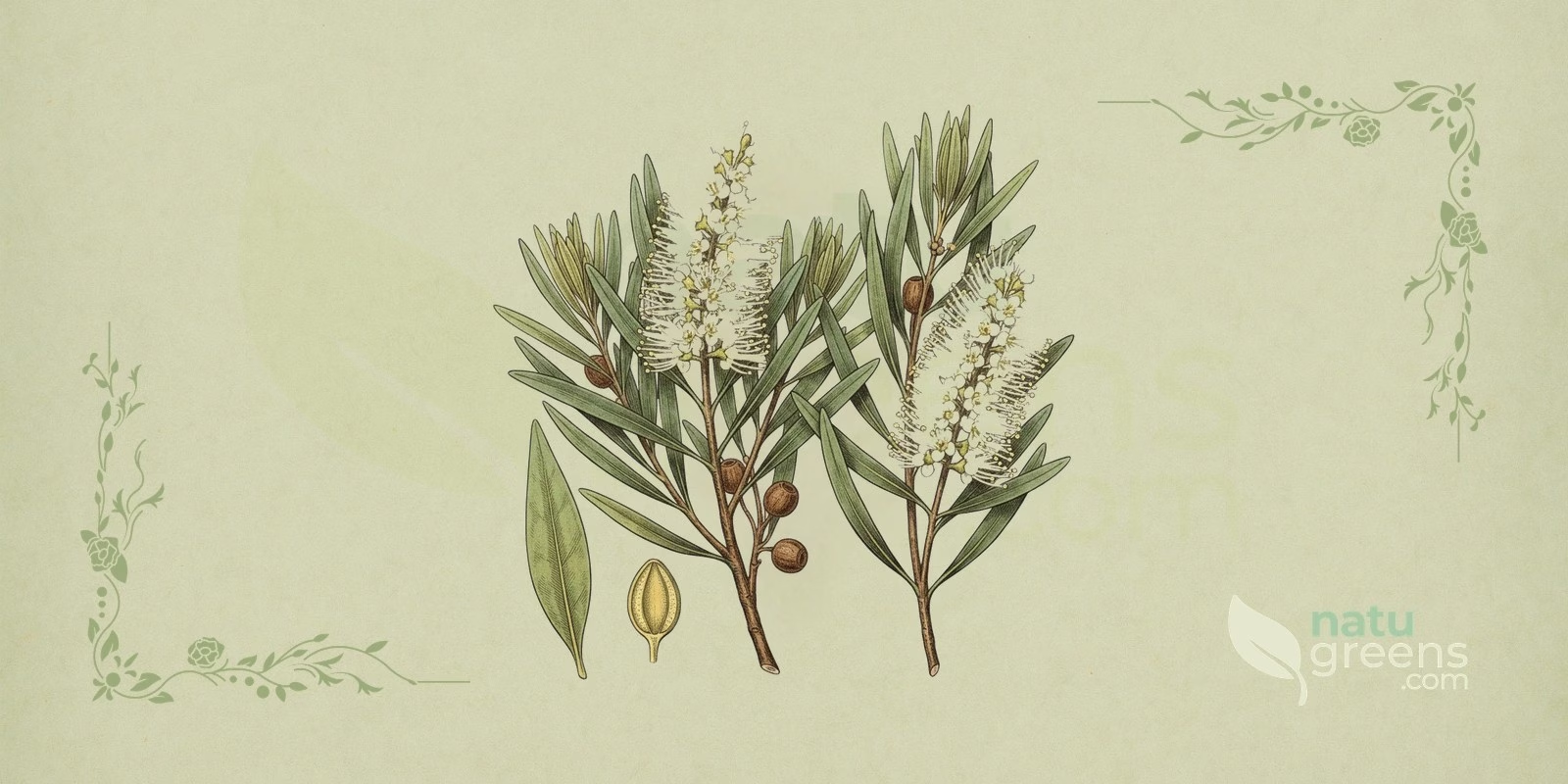
Known worldwide as tea tree oil or melaleuca oil, the essential oil of Melaleuca alternifolia has a long history of external use. Australian Aboriginal people inhaled the vapors of crushed leaves for coughs and colds and applied leaf poultices to wounds to support healing, practices that modern research has since investigated in the laboratory and in small clinical trials. These studies point to terpinen-4-ol as the main component associated with the antimicrobial, anti-inflammatory and antiseptic activity observed, and the oil has become a common ingredient in cosmetics and topical pharmaceutical products, which makes it one of the most versatile and widely studied essential oils, even though much of the evidence remains preliminary.
Popular and International Names of Tea Tree
- English: narrow-leaved paperbark, tea tree.
- Spanish: árbol del té, melaleuca.
- Portuguese: árvore-do-chá (also written árvore do chá), falso-eucalipto, melaleuca.
- French: arbre à thé, mélaleuque à feuilles alternes.
- Italian: albero del tè, melaleuca.
- German: Teebaum.
Botanical Synonyms of Melaleuca alternifolia
The accepted scientific name for tea tree is Melaleuca alternifolia (Maiden & Betche) Cheel, but the botanical and pharmacological literature records other names, a reflection of the revisions the taxonomy of the genus went through during the twentieth century. The main synonym is the basionym Melaleuca linariifolia var. alternifolia Maiden & Betche, the name under which the plant was originally described, when it was still classified as a variety of another species. The specific epithet alternifolia comes from the Latin alternus (alternate) and folium (leaf), in reference to the arrangement of the leaves along the branches.
Botanical Family: Myrtaceae
Melaleuca alternifolia belongs to the Myrtaceae family, a vast and diverse group of flowering plants comprising about 5,900 species in 130 genera, found mainly in tropical and subtropical regions and with a remarkable concentration in Australia. Many species in the family, such as eucalyptus and myrtle, store essential oils in their leaves, which gives them their characteristic aromas and helps explain their medicinal and aromatic use. The family is of great ecological and economic importance, as it provides timber, edible fruits and ornamental plants, as well as bioactive compounds used in medicine and perfumery.
The typical morphological features of the Myrtaceae, such as simple, entire and often aromatic leaves and flowers with numerous stamens, are evident in Melaleuca alternifolia, whose leaves carry the oil glands responsible for producing the essential oil. The phytochemical diversity of the family has been the subject of intensive research, which has revealed a wealth of secondary compounds that can help explain both the traditional use and the modern applications of these plants in herbal medicine.
Parts of Tea Tree Used
- Essential oil
- Leaves
The essential oil is obtained from the leaves and terminal branchlets by steam distillation, and it is in this form that tea tree appears in most commercial products and home preparations, which are always intended for external use.
Ethnobotanical and Traditional Uses
- Antisepsis of wounds and cuts
- Application to skin inflammations
- Inhalation of leaf vapors for coughs and colds
- Relief of insect bites
- Topical use on skin infections
- Wound healing with leaf poultices
Therapeutic Properties of Tea Tree
- Antibacterial (activity observed in the laboratory against bacteria such as Staphylococcus aureus, including methicillin-resistant strains, and Cutibacterium acnes, formerly called Propionibacterium acnes)
- Antifungal (activity observed in the laboratory against fungi such as Candida albicans and Trichophyton rubrum)
- Anti-inflammatory (experimental studies describe a reduction in inflammation and skin redness)
- Antioxidant (activity observed in laboratory assays)
- Antiviral (laboratory studies are investigating the inhibition of replication of certain viruses)
- Immunomodulatory (effects on the immune response observed in experimental studies)
- Parasiticidal (preliminary studies are investigating its action against lice and against the mite that causes scabies)
- Wound-healing (traditional record of use on wounds; tissue regeneration is being investigated in preliminary studies)
Detailed Phytochemical Profile of Tea Tree
- 1,8-Cineole (eucalyptol)
- Alpha-pinene
- Alpha-terpinene
- Alpha-terpineol
- Gamma-terpinene
- Limonene
- Para-cymene
- Terpinen-4-ol
- Terpinolene
- Viridiflorol
Terpinen-4-ol is the main constituent of the oil and the one most closely associated with the antimicrobial activity described in the literature, followed in quantity by gamma-terpinene and alpha-terpinene. To give the commercial product a consistent profile, the international standard ISO 4730 sets concentration ranges for the main components, with a minimum terpinen-4-ol content and a maximum limit for 1,8-cineole, although the composition of each batch varies with the origin of the plant, the growing conditions and the distillation process.
Preparation and Administration Forms of Tea Tree
- Compresses with the diluted oil
- Dilution in vegetable oils (for massage)
- Gargles and mouth rinses (diluted, never swallowed)
- Leaf infusion (historical record, with no safety data to support its consumption)
- Soaps and shampoos
- Steam inhalation
- Tinctures (external application)
- Topical creams and lotions
In all these forms the essential oil is used only externally and in diluted form, and neither steam inhalation nor mouth rinses are suitable for babies and young children, because of the risk of irritation and accidental ingestion.
Synergy with Other Medicinal Plants
Acne and Oily Skin
Cosmetic tradition combines Melaleuca alternifolia essential oil, always diluted, with witch hazel (Hamamelis virginiana) and lavender (Lavandula angustifolia) extracts, seeking to bring together the astringent, anti-inflammatory and wound-healing effects attributed to each plant. Witch hazel is traditionally used to control oiliness and reduce the appearance of pores, while lavender has a record of use for soothing irritated skin, and the pairing often appears in homemade and commercial formulas for acne-prone skin, although the value of the combination rests mainly on the traditional record.
Fungal Infections
For nail fungus and athlete’s foot, aromatherapy often pairs tea tree with oregano (Origanum vulgare) or thyme (Thymus vulgaris) essential oils, whose antifungal activity has been observed in the laboratory and which, combined with terpinen-4-ol, would broaden the spectrum of action against different fungal strains. Oregano and thyme oils are more irritating to the skin than tea tree oil, so the blend needs to be well diluted in a vegetable oil, and persistent or extensive fungal infections call for medical assessment.
Respiratory Complaints
For colds, coughs and nasal congestion, tradition pairs tea tree with eucalyptus (Eucalyptus globulus) and peppermint (Mentha × piperita) in steam inhalations, in which eucalyptus and peppermint are included for the decongestant and expectorant properties attributed to them and tea tree for the antimicrobial activity observed in the laboratory. The combination is used to ease respiratory discomfort, but it is not suitable for babies and young children, since eucalyptus and peppermint vapors can cause airway irritation and breathing difficulties in this age group.
Recipes and Usage Protocols of Tea Tree
Topical Acne Solution
A preparation traditionally used in caring for acne-prone skin: mix 5 drops of Melaleuca alternifolia essential oil into 10 ml of pure aloe gel (Aloe vera), which gives a dilution within the 1% to 5% range mentioned in the Frequently Asked Questions, and apply a small amount to pimples or affected areas twice a day, after cleansing the skin.
The mixture is used for the antibacterial and anti-inflammatory action observed in studies and tends to dry the skin less than more concentrated preparations. Before the first application, do a patch test on a small area of skin and stop using it if redness, itching or a burning sensation appears.
Topical Application for Nail Fungus
A protocol from the traditional record for nails affected by fungus: dilute Melaleuca alternifolia essential oil in a vegetable oil, such as almond or jojoba oil, within the 1% to 5% range (about 1 to 5 drops per 5 ml of vegetable oil), and apply the mixture to the affected nail and the surrounding skin twice a day.
Gently filing the surface of the nail before application helps the oil penetrate, and use usually continues for several weeks or months, until the healthy nail has fully grown out. The action of the oil on the fungi that cause onychomycosis has been assessed in small studies, with variable results, and persistent or extensive nail fungus calls for medical assessment.
Antiseptic Mouth Rinse
A preparation traditionally used in adult oral hygiene: add 2 to 3 drops of Melaleuca alternifolia essential oil to a glass of warm water (about 200 ml), mix well and swish around the mouth for 30 seconds to 1 minute, twice a day, after brushing, without swallowing the solution.
The rinse is used for the antiseptic action that tea tree has shown against oral bacteria and fungi in laboratory studies, and it appears in records of use against bad breath and gum inflammation. Because the oil is toxic if swallowed, this rinse should not be used by children or by anyone who has difficulty spitting out the solution.
The preparations above follow traditional records and do not replace professional guidance. Before any internal use, check the contraindications and interactions described in this article.
Associated Therapies
Aromatherapy
In aromatherapy, Melaleuca alternifolia essential oil is valued for the purifying and invigorating properties the practice attributes to it and is often diffused into a room with the aim of purifying the air, supporting mental clarity and reducing stress. It is also used to create an atmosphere of well-being and as support for respiratory health, through direct inhalation or diluted topical application, always in a well-ventilated space and away from babies and young children.
Herbal Medicine
Western herbal medicine uses Melaleuca alternifolia mainly as an essential oil for external use, and it ranks among the most studied oils as a general antiseptic and in the care of mild skin infections, acne and superficial fungal infections. Small clinical trials have evaluated preparations containing the oil in mild to moderate acne, athlete’s foot and dandruff, and these results, still preliminary and obtained with products of standardized concentration, explain the plant’s presence in many herbal protocols aimed at inflammatory and infectious skin conditions.
Homeopathy
Although Melaleuca alternifolia is not a classic homeopathic remedy, diluted homeopathic preparations made from the plant may be prescribed by homeopathic practitioners for conditions similar to those the essential oil addresses, such as infections and inflammation, following the principles of similars and individualization. Homeopathy sets out to stimulate the body’s capacity for self-regulation, but the efficacy of these preparations has not been demonstrated in clinical studies, and they are no substitute for a medical assessment of an infection.
Contraindications and Side Effects of Tea Tree
Melaleuca essential oil (Melaleuca alternifolia, tea tree) is toxic if ingested, with a risk of confusion, drowsiness and ataxia, especially in young children, who should not use it at all. Applied undiluted to the skin, it can cause contact dermatitis and irritation, so it must always be diluted before any topical application, and even when diluted it can trigger allergic reactions in sensitive people, particularly those allergic to plants of the Myrtaceae family.
Signs of a reaction include redness, itching, swelling and contact dermatitis, and a patch test on a small area of skin before wider use helps identify those who do not tolerate the oil. Oxidized oil, which has aged through exposure to light, air or heat, has a greater potential to cause allergic sensitization, which is why it should be stored in a dark, tightly closed bottle away from heat, and old oil or oil with an altered smell should be discarded.
Common Side Effects
- Allergic contact dermatitis
- Dry skin
- Redness and itching
- Skin irritation, especially with the undiluted oil or at high concentrations
Important Contraindications
- Allergy to Myrtaceae: people allergic to plants of the Myrtaceae family, such as eucalyptus and myrtle, should avoid tea tree oil.
- Babies and young children: do not use on babies or young children, either on the skin or by inhalation, because of their sensitive skin, the risk of poisoning and the possibility of accidental ingestion, and keep the bottle out of the reach of children.
- Dilution required: dilute before applying to the skin, in a vegetable oil or a cosmetic base, within the 1% to 5% range.
- Drug interactions: there are no well-documented interactions for topical use, but anyone who takes medication on an ongoing basis, such as anticoagulants, should consult a healthcare professional before using products containing the oil.
- Internal use: do not ingest the oil. Melaleuca alternifolia oil is toxic by mouth and must never be swallowed, not even in small amounts, because ingestion can cause confusion, ataxia (difficulty with muscle coordination), drowsiness and, in severe cases, coma; in the event of accidental ingestion, seek medical care or contact a poison control center immediately.
- Pregnancy and breastfeeding: pregnant and breastfeeding women should avoid internal use and, given the lack of conclusive studies on safety during these periods, also topical use without guidance from a healthcare professional.
Historical Notes and Interesting Facts
According to the most widely told account, the name tea tree goes back to the voyages of the British explorer James Cook in the eighteenth century, whose crew used infusions of the leaves of related plants of the Myrtaceae family as a substitute for tea and, according to accounts from the time, as a remedy for scurvy and other ailments. The name was eventually extended to several Australian species, among them Melaleuca alternifolia, native to a relatively small coastal strip of northern New South Wales and south-eastern Queensland, whose commercial exploitation began in the early decades of the twentieth century and grew into a significant industry in Australia.
During the Second World War, the story goes, Melaleuca alternifolia oil was considered so essential that producers and cutters were exempted from military service to keep supplies going, and Australian soldiers and sailors carried a small bottle of tea tree oil in their first-aid kits because of the antiseptic properties attributed to it.
Frequently Asked Questions about Tea Tree
Can Tea Tree Oil Be Used Directly on the Skin?
No, Melaleuca alternifolia essential oil should always be diluted in a vegetable carrier oil, such as coconut, jojoba or almond oil, before it is applied to the skin, because undiluted use can cause contact dermatitis, irritation, redness and allergic reactions, especially on sensitive skin. The usual dilution is between 1% and 5%, depending on the area of application and each person’s sensitivity, and anyone allergic to plants of the Myrtaceae family should avoid the oil.
Is It Safe to Ingest Tea Tree Oil?
No, Melaleuca alternifolia oil is toxic if ingested and must never be taken by mouth, since swallowing it can cause confusion, loss of muscle coordination (ataxia), drowsiness and, in the most severe cases, coma. The risk is greater in young children, and any accidental ingestion requires immediate medical care, because the oil is strictly for external use.
Can Tea Tree Oil Be Used for Acne?
Tradition and small clinical studies link diluted Melaleuca alternifolia oil to the care of skin with acne, owing to its antibacterial activity against Cutibacterium acnes, a bacterium associated with acne, observed in the laboratory, and to the anti-inflammatory action described in experimental studies, which may reduce the redness and swelling of pimples. The oil should always be used diluted, in dedicated products or in homemade preparations with a suitable base, and it is no substitute for an assessment by a dermatologist.
What Are the Main Uses of Tea Tree Oil?
The most widespread uses of Melaleuca alternifolia oil are topical and include caring for skin with acne, fungal infections such as athlete’s foot and nail fungus, insect bites, minor wounds and cuts, dandruff and general antisepsis, always with the oil diluted. It is also a popular ingredient in personal care products such as shampoos, soaps and creams, thanks to the purifying and protective properties attributed to it.
Can Children and Babies Use Tea Tree Oil?
No, tea tree oil should not be used on babies and young children in any form, either on the skin or by inhalation, because at this age the skin is more sensitive and the risk of poisoning through accidental ingestion, with confusion, drowsiness and ataxia, is higher. The bottle should be kept out of the reach of children, and the mouth rinse described in the recipes is not suitable for them either.
Can Pregnant and Breastfeeding Women Use Tea Tree Oil?
Pregnant and breastfeeding women should avoid internal use of tea tree oil, which in any case should not be swallowed by anyone. Because conclusive studies on its safety during pregnancy and breastfeeding are lacking, topical use during these periods should also be avoided unless guided by a healthcare professional.
Notice: this content is for informational purposes and does not replace professional medical advice. Consult a physician or herbal practitioner before using medicinal plants, especially during pregnancy, breastfeeding, or alongside medication.
References and Scientific Studies
View All 8 Cited References
- PMC1990 Bassett IB, et al. A comparative study of tea-tree oil versus benzoylperoxide in the treatment of acne. Med J Aust. 1990.
- PMC2006 Carson CF, et al. Melaleuca alternifolia (Tea Tree) oil: a review of antimicrobial and other medicinal properties. Clin Microbiol Rev. 2006.
- PMC2004 Dryden MS, et al. A randomized, controlled trial of tea tree topical preparations versus a standard topical regimen for the clearance of MRSA colonization. J Hosp Infect. 2004.
- PMC1998 Hammer KA, et al. In-vitro activity of essential oils, in particular Melaleuca alternifolia (tea tree) oil and tea tree oil products, against Candida spp. J Antimicrob Chemother. 1998.
- PMC2004 Hausen BM. Evaluation of the main contact allergens in oxidized tea tree oil. Dermatitis. 2004.
- PMC1994 Jacobs MR, Hornfeldt CS. Melaleuca oil poisoning. J Toxicol Clin Toxicol. 1994.
- PMC2002 Satchell AC, et al. Treatment of dandruff with 5% tea tree oil shampoo. J Am Acad Dermatol. 2002.
- PMC2002 Satchell AC, et al. Treatment of interdigital tinea pedis with 25% and 50% tea tree oil solution: a randomized, placebo-controlled, blinded study. Australas J Dermatol. 2002.