Populus tremuloides Michx. / Quaking Aspen is a deciduous tree native to the colder regions of North America, known for leaves that tremble in the slightest breath of wind. Widely distributed from Canada to Mexico, the species serves as an ecological cornerstone in its habitat. Throughout history, quaking aspen has been valued for its properties and for a variety of uses, both among Indigenous peoples and among European settlers.
Popular and International Names of Quaking Aspen
Its wide range across North America and its resemblance to its European relative explain the variety of names the tree goes by in different languages, many of them inspired by the movement of its leaves.
- English: American aspen, golden aspen, mountain aspen, popple, quaking aspen, trembling aspen, trembling poplar, white poplar.
- French: peuplier faux-tremble, tremble d’Amérique.
- German: Amerikanische Zitterpappel, Zitterpappel.
- Italian: pioppo tremulo americano.
- Portuguese: álamo-dourado, álamo-tremedor, choupo-tremedor.
- Spanish: álamo blanco, álamo temblón.
Botanical Synonyms of Populus tremuloides
The scientific name Populus tremuloides Michx. is widely accepted, although some sources record botanical synonyms and taxonomic variants, gathered in the list below. The species should not be confused with Populus tremula, the European aspen, which is a distinct species even though it shares several traits with its North American counterpart.
- Populus aurea Tidestr.
- Populus cercidiphylla Britton
- Populus tremula subsp. tremuloides (Michx.) Á.Löve & D.Löve
- Populus tremuloides var. aurea (Tidestr.) Daniels
- Populus tremuloides var. cercidiphylla (Britton) Sudw.
Botanical Family: Salicaceae
Populus tremuloides belongs to the Salicaceae family, which brings together willows and poplars, deciduous trees and shrubs common in temperate and cold regions. Plants in this family are characterized by simple, alternate leaves and by flowers clustered in catkins. Many of them accumulate phenolic compounds such as salicylates, to which the medicinal properties recorded by tradition are attributed.
Parts of Quaking Aspen Used
The inner bark is the most widely used part, owing to its salicylate content, while the leaf buds go mainly into ointments for external use.
- Catkins
- Inner bark
- Leaf buds
- Sap
Ethnobotanical and Traditional Uses
The uses below belong to the traditional record, built by Indigenous peoples of North America and by European settlers, and have not been confirmed in clinical studies on the species.
- Adjunct for colds and coughs
- Antiseptic for wounds and skin problems
- Digestive and liver complaints
- Fevers
- Pain relief (analgesic)
- Rheumatism and arthritis
- Urinary problems
Therapeutic Properties of Quaking Aspen
The properties listed derive from traditional use and from the presence of salicylates in the bark, compounds the body converts into salicylic acid. Since clinical trials on quaking aspen are lacking, the descriptions below do not amount to a medical recommendation.
- Analgesic (traditionally recorded for pain relief, linked to salicylates)
- Anti-inflammatory (action attributed to salicylates, by analogy with willow bark)
- Antiseptic (traditionally recorded use on wounds and skin)
- Astringent (contracts tissues, an effect attributed to tannins)
- Diaphoretic (traditional use to promote sweating)
- Diuretic (traditionally recorded as increasing urine output)
- Febrifuge (traditional use in feverish states)
- Nervine (traditionally recorded as a calming agent for the nervous system, with no clinical evidence)
- Stimulant (described by herbal tradition, with no clinical evidence)
Detailed Phytochemical Profile of Quaking Aspen
The chemistry of quaking aspen bark and leaves is well studied in ecology, because phenolic glycosides and condensed tannins act as the tree’s defense against herbivores and vary with genotype, soil and climate. This knowledge, however, comes from ecological research rather than from studies of effects in the human body.
- Flavonoids
- Phenolic glycosides (such as salicortin and tremulacin)
- Salicylates (such as salicin, a precursor of salicylic acid)
- Tannins (mainly condensed)
Preparation and Administration Forms of Quaking Aspen
Traditional forms are divided between internal use, such as the infusion and tincture of the bark, and external applications, such as poultices and ointments made with the buds. The precautions described under Contraindications apply to all of them, since salicylates may also be present in preparations for external use.
- Infusion (inner bark tea)
- Ointment (made with leaf buds)
- Poultice
- Tincture
Synergy with Other Medicinal Plants
Joint Pain Relief
Herbal tradition often combines salicylate-rich quaking aspen bark with other plants reputed to be anti-inflammatory, such as meadowsweet (Filipendula ulmaria) and white willow (Salix alba). These blends are traditionally used for arthritis and rheumatism pain, with the aim of adding together the analgesic and anti-inflammatory effects attributed to each plant, but no study has evaluated the combination. Because all three species contain salicylates, the total load of these compounds increases, which calls for extra caution in the same situations listed under Contraindications.
Respiratory Support
For colds and coughs, quaking aspen appears alongside black elder (Sambucus nigra) and small-leaved linden (Tilia cordata), plants that tradition uses for flu-like conditions and coughs. According to the traditional record, this blend serves to ease congestion and soothe coughs, although the combination has never been evaluated in studies. Since these conditions are almost always viral, the blend should not be given to children and adolescents, because of the risk of Reye’s syndrome associated with salicylates.
Recipes and Usage Protocols of Quaking Aspen
Inner Bark Infusion
An infusion of the dried inner bark is the recipe most often cited in the traditional record, which describes it as traditionally used to ease rheumatic, arthritic and muscular pain. Because there are no safety data defining a dose for quaking aspen, the amount of bark and the number of cups per day should not be decided on your own, so consult a health professional before use.
In the traditional preparation, the dried bark is added to boiling water, left to steep for 10 to 15 minutes and then strained, and it may be sweetened with honey if desired. Anyone who is allergic to salicylates, takes anticoagulants or is pregnant should not use this recipe without medical advice.
Leaf Bud Ointment for Skin Irritations
Leaf bud ointment is traditionally used on wounds, insect bites and skin irritations, with the aim of supporting healing and easing local inflammation, according to the traditional record.
To make it, gather the buds in spring and let them macerate in a vegetable oil, such as olive or almond oil, in a double boiler for a few hours. Then strain the oil and add melted beeswax until it reaches the consistency of an ointment. Before applying it to a larger area, test a small amount on the skin and avoid use if you are allergic to salicylates or to the plant itself.
The preparations above follow traditional records and do not replace professional guidance. Before any internal use, check the contraindications and interactions described in this article.
Associated Therapies
Aromatherapy
The use of quaking aspen in aromatherapy is poorly documented, and essential oil sold under this name is far less common than other oils on the market. Existing records associate diffusing it in a room or inhaling it directly with moments of relaxation and relief from tension, but the possible calming effect of its volatile compounds has not been confirmed by studies.
Herbal Medicine
In herbal medicine, quaking aspen is valued for the analgesic and anti-inflammatory properties attributed to salicylates, found mainly in the bark, which is the most widely used part. Tradition includes it in formulations aimed at joint and muscle pain and at feverish states, usually as extracts and tinctures, which allow the amount used to be standardized, although no dose has been established in clinical studies for the species.
Homeopathy
Although less common than other plants in this practice, quaking aspen can be found in homeopathic preparations, generally indicated for conditions involving pain and inflammation, following the principles of homeopathy, which rest on the law of similars and on successive dilutions. These preparations have no efficacy proven by clinical studies and do not replace an assessment by a health professional.
Contraindications and Side Effects of Quaking Aspen
Quaking aspen bark (Populus tremuloides) is rich in salicin, a precursor of salicylic acid, in the same class as aspirin and willow bark. For this reason, the precautions for the plant closely follow those that apply to acetylsalicylic acid (ASA, aspirin).
Contraindications
- Children and Adolescents: Do not use in children and adolescents with viral infections such as flu, chickenpox or other illnesses with fever, because of the risk of Reye’s syndrome, the same reasoning applied to aspirin. Outside these situations, use in children is not recommended either.
- Coagulation Disorders: People with coagulation disorders should avoid quaking aspen, as salicylates may increase the risk of bleeding.
- Gastric Ulcer: Use caution in active gastric ulcer, since salicylates may irritate the stomach lining.
- Pregnancy and Breastfeeding: Do not use during pregnancy or breastfeeding without medical advice, as conclusive studies on the plant’s safety in these stages are lacking.
- Salicylate Allergy: Use is contraindicated in allergy to salicylates or to aspirin (ASA), since these compounds are present in the plant.
Drug Interactions
- Anticoagulants and Antiplatelet Drugs: Caution is needed in people taking anticoagulants or antiplatelet drugs, because of a possible additive effect on the risk of bleeding. In these cases, quaking aspen should be avoided unless advised by a doctor.
- Aspirin and Other Sources of Salicylates: Using it at the same time as aspirin or as salicylate-rich plants, such as white willow and meadowsweet, adds to the load of these compounds and calls for professional guidance.
Side Effects
- Allergic Reactions: Allergic skin reactions, such as rashes and itching, may occur in sensitive individuals.
- Gastrointestinal Disturbances: In some people, use may cause stomach irritation, nausea or vomiting.
If any symptom persists, or before combining the plant with long-term medication, consult a health professional.
Historical Notes and Interesting Facts
Scientific Description in 1803
The species was described by the French botanist André Michaux in 1803, in his work Flora Boreali-Americana, and the abbreviation Michx. that still accompanies the scientific name today is his.
Pando, the Giant Colony
The species’ most famous clonal colony is Pando, formed by Populus tremuloides in the state of Utah, in the United States, and often cited as one of the largest and oldest living organisms on the planet. It covers about 43 hectares (roughly 106 acres) and weighs approximately six million kilograms, and all of its trunks sprout from a single root system, which makes them genetically identical clones.
Trembling Leaves
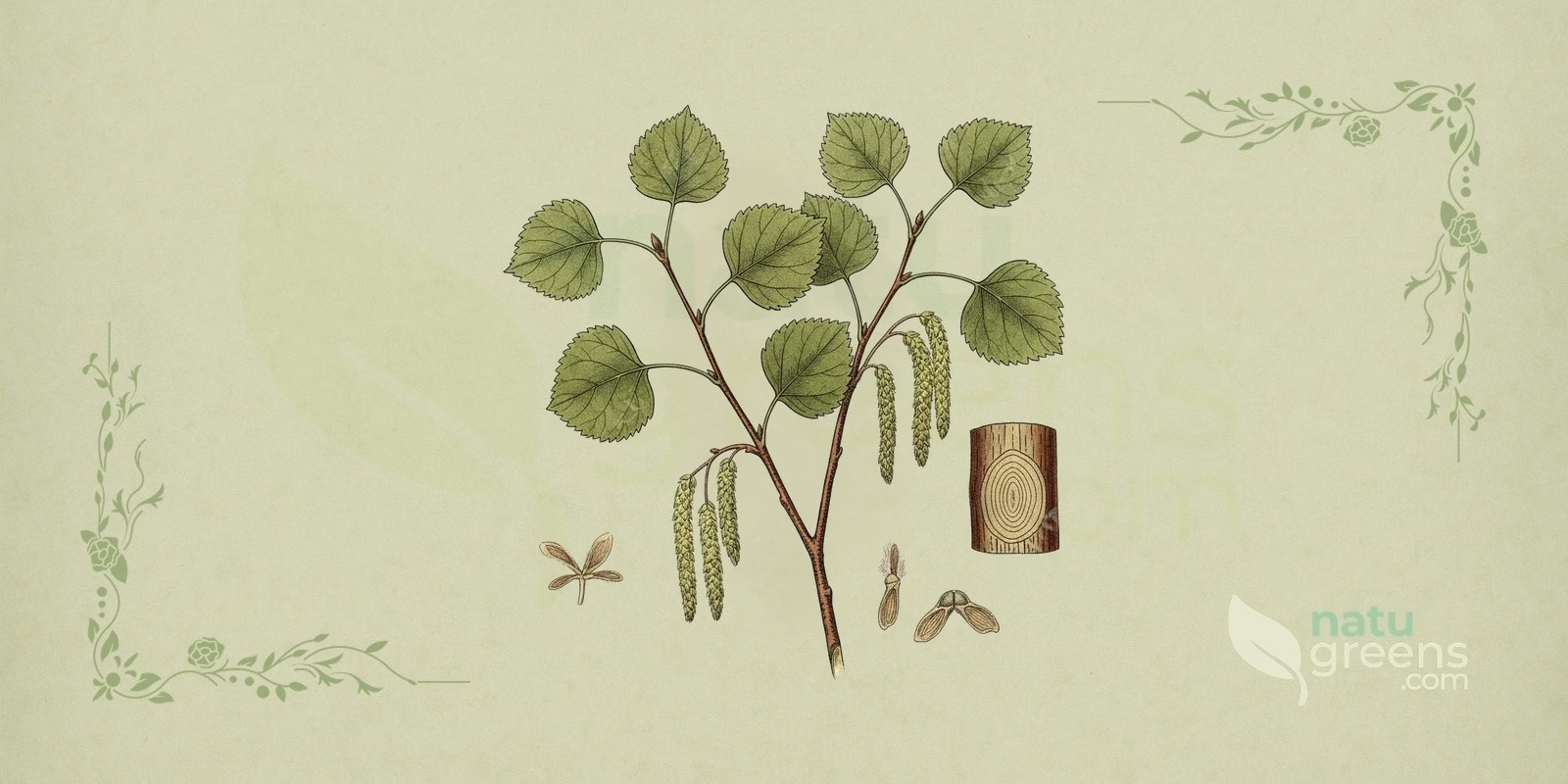
The common name “quaking aspen” and the specific epithet “tremuloides” both refer to the tree’s most striking feature. Its flattened petioles allow the leaves to sway and tremble in the faintest breeze, producing a soft, distinctive sound that has become the hallmark of the species.
Versatile Wood
Although it is not ideal as fuel, since it burns quickly and gives off little heat, quaking aspen wood is widely used by the pulp and paper industry, which values its lightness in the manufacture of books, newspapers and high-quality printing papers. It also turns up in panels, boxes and even some types of furniture.
Frequently Asked Questions about Quaking Aspen
What Is Quaking Aspen Tea?
Quaking aspen tea is an infusion made from the inner bark of the Populus tremuloides tree, native to North America. Tradition uses it for the analgesic, anti-inflammatory and fever-reducing properties attributed to the salicylates in the bark, without confirmation in clinical studies on the species.
What Are the Main Traditional Uses of Quaking Aspen?
The traditional record mentions relief of pain linked to arthritis, rheumatism and sore muscles, reduction of inflammation and easing of fever. Tradition also describes the plant as antiseptic and astringent, but these uses have not yet been confirmed by research in humans.
Are There Contraindications for Drinking the Tea?
Yes, the tea is contraindicated for people allergic to salicylates or to aspirin (ASA) and for people with coagulation disorders, and it should not be used during pregnancy or breastfeeding without medical advice. It also calls for caution in people taking anticoagulants or antiplatelet drugs, because of the possible additive effect, and in those with an active gastric ulcer.
How Should I Prepare Quaking Aspen Tea?
In the traditional preparation, the dried inner bark is steeped in boiling water for 10 to 15 minutes and then strained. Since there are no safety data establishing a dose for the species, the amount of bark and how often to use it should be decided with professional guidance, so consult a health professional before starting.
Which Part of the Plant Is Used for the Tea?
The part most often used for the tea is the inner bark of the tree, rich in active compounds such as salicylates, including salicin. The leaf buds, on the other hand, appear more often in ointments for external use than in drinks.
Can Children and Adolescents Use Quaking Aspen?
Not in cases of viral infections such as flu or chickenpox, because the bark contains salicin and the use of salicylates in these conditions is associated with the risk of Reye’s syndrome, the same reasoning that rules out aspirin in this age group. Outside these situations, use in children is not recommended either, and any decision should go through a pediatrician.
Notice: this content is for informational purposes and does not replace professional medical advice. Consult a physician or herbal practitioner before using medicinal plants, especially during pregnancy, breastfeeding, or alongside medication.
References and Scientific Studies
Peer-Reviewed Scientific Studies (2)
- PMC2017 Lastra RA, et al. Phenolic Glycosides in Populus tremuloides and their Effects on Long-Term Ungulate Browsing. J Chem Ecol. 2017.
- PMC2015 Rubert-Nason KF, et al. Influence of Genotype, Environment, and Gypsy Moth Herbivory on Local and Systemic Chemical Defenses in Trembling Aspen (Populus tremuloides). J Chem Ecol. 2015.
Supplementary Readings (4)
- 2020 Arno SF, Hammerly RP. Northwest Trees: Identifying & Understanding the Region’s Native Trees. Seattle: Mountaineers Books. 2020 (1st ed. 1977).
- 2013 Lindroth RL, St Clair SB. Adaptations of quaking aspen (Populus tremuloides Michx.) for defense against herbivores. Forest Ecology and Management. 2013;299:14-21.
- 1996 Mitton JB, Grant MC. Genetic Variation and the Natural History of Quaking Aspen. BioScience. 1996;46(1):25-31.
- 1990 Perala DA. Populus tremuloides Michx. Quaking Aspen. In: Burns RM, Honkala BH (eds.). Silvics of North America, Vol. 2: Hardwoods. Washington, DC: USDA Forest Service. 1990.