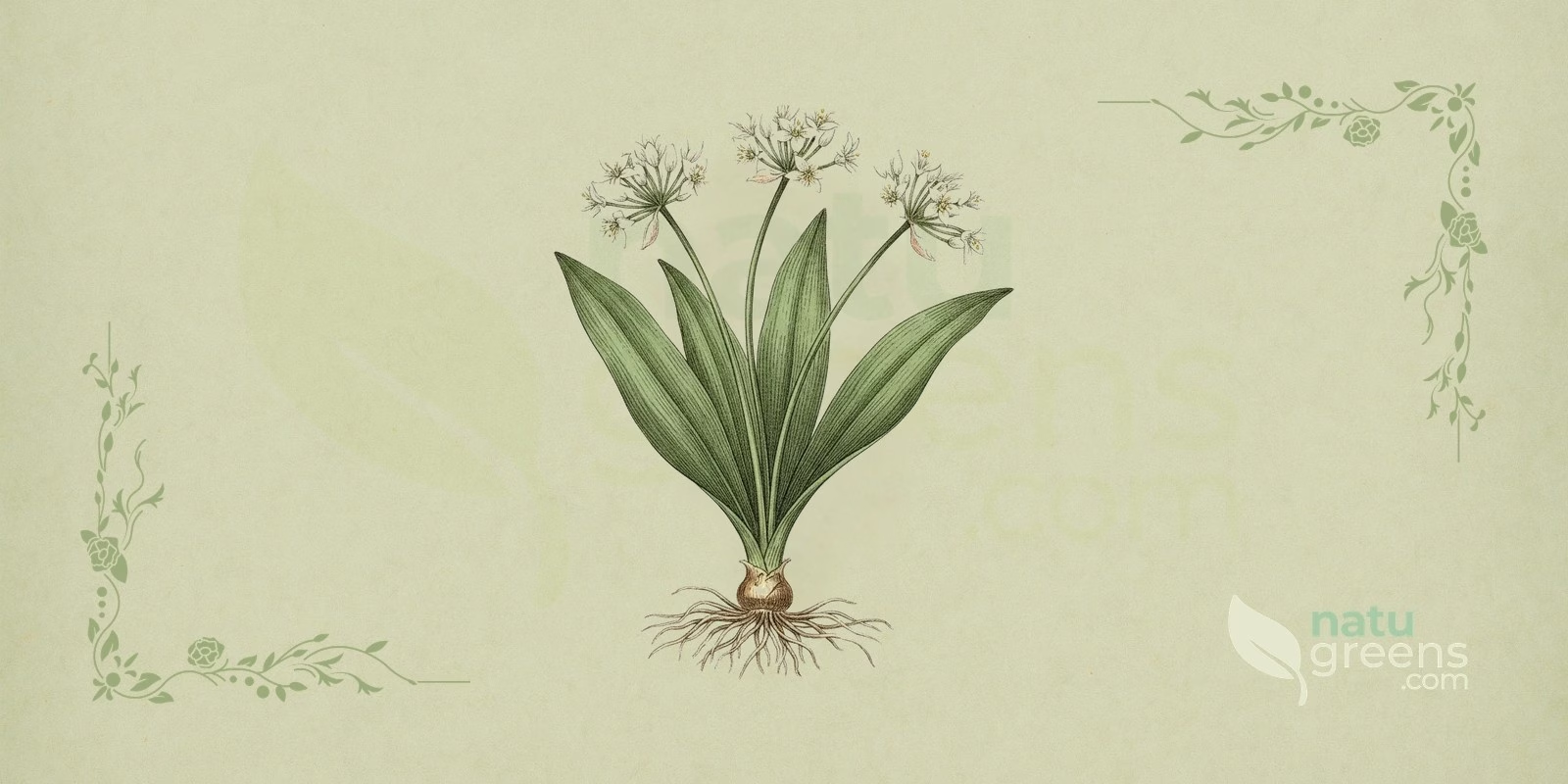
Allium ursinum L. / Wild Garlic, known in English as wild garlic, ramsons or bear’s garlic, is a perennial bulbous herb of the Amaryllidaceae family, described by Carl Linnaeus. Native to Europe and parts of Asia, where it grows in damp, shady woodland, wild garlic has been prized for centuries both in the kitchen and in traditional European medicine, which values above all its leaves and bulbs. The long, glossy basal leaves emerge in spring and are usually harvested at their peak, to be eaten fresh or made into infusions, extracts and other herbal products.
In European herbal tradition, wild garlic holds a prominent place as a depurative plant and a support for the heart, with folk uses ranging from digestive complaints to cardiovascular problems. Its phytochemical makeup is rich, especially in organosulfur compounds, which are credited with the antimicrobial and antioxidant activity observed in the laboratory. Modern research, carried out largely on cells and animals, has been examining many of these traditional uses, but human clinical trials confirming the described effects are still lacking. The plant should therefore be seen as a valuable food and a subject of study, not as a substitute for medical treatment.
Popular and International Names of Wild Garlic
- English: bear’s garlic, broad-leaved garlic, buckrams, cowleekes, cow’s leek, Eurasian wild garlic, ramsons, wild garlic, wood garlic.
- Dutch: daslook.
- French: ail des ours, ail sauvage.
- German: Bärlauch.
- Irish: cneamh, creamh.
- Italian: aglio orsino.
- Polish: czosnek niedźwiedzi.
- Portuguese: alho-de-urso, alho-dos-ursos, alho-selvagem, alho-silvestre.
- Russian: лук медвежий, черемша, чеснок медвежий.
- Spanish: ajo de oso.
- Swedish: ramslök.
Botanical Synonyms of Allium ursinum
Allium latifolium Gilib., Allium nemorale Salisb., Ophioscorodon ursinum (L.) Wallr.
These names appear in older botanical works and in taxonomic databases, but the currently accepted name for the species is Allium ursinum L.
Botanical Family: Amaryllidaceae
The Amaryllidaceae family, which in the most recent classification systems has come to include the former Alliaceae (now treated as the subfamily Allioideae), is a diverse group of monocots distributed widely across temperate and tropical regions. It brings together species with bulbs or rhizomes, many of them valued for their ornamental, culinary and medicinal qualities. The genus Allium, to which wild garlic belongs, is one of the most representative in the group and includes plants such as common garlic, onion and leek.
Amaryllids usually have showy flowers with six tepals; the ovary is inferior in the family’s typical species, such as daffodil and amaryllis, but superior in the genus Allium, whose flowers are borne in umbels. Many species in the group are rich in sulfur compounds, alkaloids and flavonoids, substances with relevant biological activity that help explain the traditional and modern use of several plants of the family in health and wellness practices, a subject that scientific research continues to explore.
Parts of Wild Garlic Used
- Bulbs
- Flowers
- Leaves
The leaves are the most widely eaten part, whether fresh in cooking or dried in teas and home preparations, while the bulbs and flowers appear in regional recipes and in extracts studied in the laboratory.
Ethnobotanical and Traditional Uses
- Antimicrobial agent for internal and external use, according to European herbal tradition.
- Cardiovascular health, a folk use now being investigated in animal studies.
- Chronic skin conditions and acne, in traditional records of use.
- Culinary use, as a seasoning and ingredient in many recipes.
- Depurative, traditionally used as a spring cleansing plant for the body.
- Digestive stimulant in folk medicine, used for mild gastrointestinal complaints.
- Respiratory complaints, such as colds and bronchitis, in traditional records.
- Wound healing, with external application described in folk medicine.
Therapeutic Properties of Wild Garlic
- Antibacterial (activity against bacteria observed in the laboratory)
- Antifungal (activity against fungi observed in in vitro tests)
- Anti-inflammatory (effect described in preliminary studies)
- Antimicrobial (action on microorganisms in laboratory tests)
- Antioxidant (free radical scavenging in laboratory assays)
- Antiparasitic (traditional record, with little experimental data)
- Antiplatelet (inhibition of platelet aggregation in experimental studies, with a possible additive effect alongside anticoagulants)
- Antiproliferative (activity observed in laboratory studies, without clinical proof)
- Cardioprotective (effect observed in animal models of ischemia and reperfusion)
- Hypocholesterolemic (cholesterol reduction observed in animal studies)
- Hypotensive (blood pressure reduction observed in rats)
- Immunostimulant (traditional record of stimulating the immune system)
Detailed Phytochemical Profile of Wild Garlic
- Adenosine
- Ajoenes (ajoene, dimethyl ajoene, methyl ajoene)
- Amino acids (alanine, arginine, asparagine, aspartic acid, glutamic acid, glutamine, glycine, threonine)
- Carotenoids
- Chlorophyll a
- Chlorophyll b
- Fatty acids (alpha-linolenic, linoleic, myristic, oleic, palmitic, palmitoleic, stearic)
- Flavonoids (kaempferol derivatives)
- Fructans
- Galactolipids (1,2-di-O-alpha-linolenoyl-3-O-beta-D-galactopyranosyl-sn-glycerol, DLGG)
- Iron
- Lectins (AUAI, AUAII, AUAL)
- Magnesium
- Manganese
- Organosulfur compounds (alkyl polysulfides, alkyl sulfides, allicin, alliin, ethiin, isoalliin, mercaptan, methiin, propiin, thiosulfinates, vinyldithiins)
- Phenolic acids (ferulic, p-coumaric, p-hydroxybenzoic, vanillic)
- Steroidal glycosides (beta-sitosterol 3-O-beta-D-glucopyranoside, diosgenin)
The organosulfur compounds, formed from precursors such as alliin and methiin when the leaves are cut or crushed, give the plant its characteristic aroma and are the most studied group. The galactolipid DLGG and the beta-sitosterol glycoside, for their part, have been isolated as the compounds responsible for the inhibition of platelet aggregation observed in the laboratory.
Preparation and Administration Forms of Wild Garlic
- Capsules
- Dry extract
- Essential oil
- Fluid extract
- Fresh food (raw or cooked leaves)
- Infusion
- Tincture
As food, the fresh leaves go into salads, soups, pestos and sauces. Concentrated forms such as capsules, extracts and tinctures, on the other hand, call for guidance from a health professional, especially for anyone on long-term medication, pregnant or breastfeeding, or with surgery scheduled.
Synergy with Other Medicinal Plants
Cardiovascular Health
In traditional European herbal medicine, wild garlic is often paired with hawthorn (Crataegus monogyna), a plant traditionally used to support the heart and circulation. Wild garlic, in turn, contributes sulfur compounds that animal studies have associated with lower cholesterol and blood pressure. The combination is a traditional record of cardiovascular care, with no clinical trials proving a combined effect, and it calls for professional supervision in people already taking anticoagulants, antiplatelet drugs or blood pressure medication.
Immune and Antimicrobial Support
In home preparations for the colder months, wild garlic appears alongside echinacea (Echinacea purpurea) or elder (Sambucus nigra). Echinacea is traditionally used to stimulate the body’s defenses, and elder has antiviral and anti-inflammatory activity described in preliminary studies. Herbal tradition sees the sulfur compounds in wild garlic as a complement to these plants, although their joint action against infections has not been demonstrated in clinical studies.
Cleansing and Digestive Health
Pairing wild garlic with dandelion (Taraxacum officinale) or burdock (Arctium lappa) is a traditional feature of the folk spring cleanses of the body. Dandelion and burdock have a reputation as diuretic and depurative plants, linked in tradition to kidney and liver function. Wild garlic enters these formulas as a folk digestive stimulant, always as support for a balanced diet and never as a substitute for medical care.
Recipes and Usage Protocols of Wild Garlic
Wild Garlic Pesto
Ingredients: 100 g of fresh wild garlic leaves from a reliable source, 50 g of pine nuts (or walnuts), 50 g of grated Parmesan cheese, 100 ml of extra virgin olive oil, the juice of half a lemon, salt and pepper to taste.
Method: Wash the wild garlic leaves thoroughly and pat them dry. In a food processor, combine the leaves, pine nuts and Parmesan and blend to a paste. Add the olive oil gradually, with the motor running, until you reach the consistency you like, then season with the lemon juice, salt and pepper. Traditionally served with pasta, on toast or as a salad dressing, the pesto brings out the intense, aromatic flavor of the fresh leaves.
Digestive Wild Garlic Infusion
Ingredients: 1 teaspoon of chopped dried wild garlic leaves and 200 ml of boiling water.
Method: Place the chopped leaves in a cup, pour in the boiling water, cover and leave to infuse for 5 to 7 minutes. Strain and drink warm. In folk tradition, this infusion is taken 2 to 3 times a day, preferably after meals, and is traditionally used to ease the feeling of a heavy stomach and gas. The flavor is pungent, so anyone not used to it can start with a smaller amount of leaves.
Wild Garlic Tincture
Ingredients: 50 g of chopped fresh wild garlic leaves and 250 ml of 70% grain alcohol.
Method: Place the chopped leaves in a dark glass jar and cover them with the alcohol. Seal tightly and leave to macerate in a cool, dark place for 2 to 4 weeks, shaking the jar daily. After this period, strain the mixture through a fine cloth and store the tincture in a dropper bottle. Traditionally used as cardiovascular and antimicrobial support, the tincture is a concentrated form of the plant, so the dose should be set case by case: consult a health professional before using it, especially if you take anticoagulants, antiplatelet drugs or blood pressure medication, are pregnant or breastfeeding, or have surgery scheduled.
The preparations above follow traditional records and do not replace professional guidance. Before any internal use, check the contraindications and interactions described in this article.
Associated Therapies
Clinical Phytotherapy
In clinical phytotherapy, wild garlic is known for properties traditionally described as cardiotonic, antimicrobial and depurative. Some phytotherapists use it as extracts, capsules or tinctures as an adjunct in conditions such as mild hypertension and high cholesterol, or as support for the immune system. The available data, however, come mainly from animal and laboratory studies, without robust human clinical trials. Dose and form of use are tailored to each patient’s profile and current medications, in an approach that seeks to integrate traditional knowledge with the available scientific evidence.
Functional Nutrition
Wild garlic is considered a functional food because of its wealth of bioactive compounds, especially sulfur compounds and antioxidants. Functional nutrition encourages eating the plant regularly, either fresh in salads and pestos or cooked in soups and other dishes. The aim is to favor cardiovascular health, help modulate the inflammatory response and support the liver as part of a varied diet geared toward general well-being, not as a stand-alone measure against chronic disease.
Orthomolecular Therapy
In orthomolecular therapy, wild garlic may be included in protocols that aim to reduce oxidative stress and support cellular health. Its sulfur compounds and antioxidants, such as flavonoids and carotenoids, are regarded in this approach as important for protecting cells and preserving membrane integrity. Any supplements containing wild garlic extracts should be recommended by a health professional, who will assess specific nutritional deficiencies or the need for cardiovascular and immune support, always taking current medications into account.
Contraindications and Side Effects of Wild Garlic
At usual dietary amounts, wild garlic poses no relevant risk, since it is a traditional European food from the same family as common garlic, with a food-safety profile. The caveats concern mainly concentrated medicinal use, such as tinctures, extracts and capsules. People taking anticoagulants or antiplatelet drugs should be cautious because of the possible additive effect on blood clotting (the same reasoning as for common garlic), and concentrated medicinal use should be stopped before surgery. During pregnancy and breastfeeding, caution is advised with concentrated medicinal use, above dietary amounts. Care is needed when foraging in the wild, as the leaves resemble those of toxic plants such as lily of the valley and autumn crocus. For this reason, the recommendation is always to obtain the plant from a reliable source.
People with a known allergy to plants of the Amaryllidaceae family or to other members of the genus Allium, such as common garlic and onion, should avoid wild garlic, because reactions can take the form of contact dermatitis, hives or, in more severe cases, anaphylaxis. C,S-lyase (alliinase), an enzyme found in garlic, is a common allergen in plants of the genus and can cause cross-reactions.
People with bleeding disorders or taking anticoagulants such as warfarin need to take extra care with the medicinal use of wild garlic, as the plant’s sulfur compounds may potentiate the effect of these drugs and increase the risk of bleeding. In these cases, it is advisable to consult a health professional before making the plant a regular part of one’s routine. Individuals whose red blood cells are particularly vulnerable to oxidative damage should also consume the plant with caution, although cases of hemolytic anemia in humans associated with wild garlic are rare.
Common Side Effects
Side effects of wild garlic are uncommon and usually mild. In some people, especially more sensitive individuals or when the plant is eaten in large quantities, gastrointestinal discomfort such as nausea, vomiting or diarrhea may occur. Applying wild garlic preparations to the skin can occasionally cause irritation or contact dermatitis in susceptible people, so it is worth watching the individual response before extending use.
Drug Interactions
Wild garlic may interact with some medications since, by analogy with common garlic, it is assumed to influence cytochrome P450 enzymes and alter drug metabolism, in addition to the additive effect with anticoagulants and antiplatelet drugs mentioned above. Combining it with blood pressure medication can lead to an excessive drop in blood pressure, which calls for monitoring. Anyone on long-term medication should consult a health professional before adding wild garlic in medicinal doses to their routine, in order to avoid unwanted interactions.
Risk of Poisoning through Misidentification
A major risk of foraging wild garlic is its resemblance to highly toxic plants such as autumn crocus or meadow saffron (Colchicum autumnale), lily of the valley (Convallaria majalis) and white hellebore (Veratrum album). Accidental ingestion of these plants, mistaken for wild garlic because of their similar leaves, has caused cases of severe and even fatal poisoning. Foraging should therefore be left to experienced gatherers with sound botanical knowledge, and the safest option is always to obtain the plant from reliable sources.
Historical Notes and Interesting Facts
The scientific name Allium ursinum has a curious origin, as the epithet ursinum derives from the Latin ursus, meaning bear. The name is tied to old folk legends according to which bears, on waking from hibernation, sought out and ate this plant. Wild garlic was believed to help them cleanse their bodies and regain strength after the long winter sleep, an association that lent the plant a mystical air and a deep bond with the wild.
Another etymological hypothesis suggests a link with the constellation Ursa Major, perhaps because of the more northerly distribution of this Allium species from the ancient Greeks’ point of view. Charred bulbs found at Mesolithic archaeological sites in Denmark indicate that the plant was already part of the diet of hunter-gatherers thousands of years ago. It was also known to the Celts and Romans, and some attribute to the Greek physician Dioscorides mentions of its cleansing effect.
In the Middle Ages, wild garlic was a well-known and valued plant. According to an often-repeated tradition, Charlemagne included it in the Capitulare de villis, a decree regulating the management of the imperial estates that contained a catalog of plants to be grown, many of them medicinal. The document also gave guidance on how gardens should be planned and tended. Today, the popularity of wild garlic is celebrated at festivals such as the Bärlauchtage (Wild Garlic Days) in Eberbach, Germany, devoted entirely to this herb.
Frequently Asked Questions about Wild Garlic
Can Wild Garlic Help with Digestion?
Wild garlic is traditionally used as a digestive stimulant, both at meals and as a tea. Its sulfur compounds are credited with a role in the production of digestive enzymes and in the balance of the gut flora. Tradition uses it to relieve gas, indigestion and mild cramps, although these effects have not yet been confirmed in clinical studies. Moderate consumption as part of a balanced diet is the safest way to enjoy the plant.
What Do Studies Say about Wild Garlic and the Heart?
Animal and laboratory studies have observed lower blood pressure, favorable changes in cholesterol and inhibition of platelet aggregation, effects attributed partly to adenosine and sulfur compounds. Human clinical trials are lacking, however, and the plant is no substitute for cardiovascular treatment. People taking anticoagulants or antiplatelet drugs should be cautious with concentrated medicinal use because of the possible additive effect on blood clotting.
Does Wild Garlic Have Antimicrobial Activity?
In laboratory tests, wild garlic extracts and essential oil have shown activity against various bacteria and fungi, attributed mainly to allicin and other sulfur compounds. In traditional medicine, the plant is used for colds, bronchitis and skin conditions, but there is no clinical proof that it works as an antibiotic, and infections should always be assessed by a health professional.
Is Wild Garlic Safe during Pregnancy and Breastfeeding?
In the amounts used in cooking, wild garlic poses no relevant risk, but data on the safety of concentrated medicinal use during pregnancy and breastfeeding are lacking. Caution is therefore advised with tinctures, extracts and capsules during these periods, and pregnant or breastfeeding women should consult a health professional before using any preparation above dietary amounts.
How Do You Make Wild Garlic Tea?
To make the tea, use 1 teaspoon of chopped dried leaves for every 200 ml of boiling water. Place the leaves in a cup, pour in the water, cover and leave to infuse for 5 to 7 minutes before straining and drinking warm. Avoid boiling the leaves directly, as excessive heat can degrade the plant’s active compounds and reduce their content in the drink.
How Can You Avoid Confusing Wild Garlic with Toxic Plants?
Wild garlic leaves resemble those of toxic plants such as lily of the valley, autumn crocus and white hellebore, and mix-ups of this kind have caused serious poisonings and even deaths. The recommendation is always to obtain the plant from a reliable source and to forage in the wild only with someone who has sound botanical knowledge, discarding any leaf you are unsure about.
Notice: this content is for informational purposes and does not replace professional medical advice. Consult a physician or herbal practitioner before using medicinal plants, especially during pregnancy, breastfeeding, or alongside medication.
References and Scientific Studies
View All 10 Cited References
- PMC2010 Gilotta I, Brvar M. Accidental poisoning with Veratrum album mistaken for wild garlic (Allium ursinum). Clinical Toxicology. 2010.
- PMC2009 Ivanova A, et al. Chemical composition and antimicrobial activity of wild garlic Allium ursinum of Bulgarian origin. Natural Product Communications. 2009.
- PMC1999 Klintschar M, et al. Colchicine poisoning by accidental ingestion of meadow saffron (Colchicum autumnale): pathological and medicolegal aspects. Forensic Science International. 1999.
- PMC2001 Preuss HG, et al. Wild garlic has a greater effect than regular garlic on blood pressure and blood chemistries of rats. International Urology and Nephrology. 2001.
- PMC1993 Rietz B, et al. Cardioprotective actions of wild garlic (Allium ursinum) in ischemia and reperfusion. Molecular and Cellular Biochemistry. 1993.
- PMC2012 Sabha D, et al. Allium ursinum L.: bioassay-guided isolation and identification of a galactolipid and a phytosterol exerting antiaggregatory effects. Pharmacology. 2012.
- PMC1992 Sendl A, et al. Comparative pharmacological investigations of Allium ursinum and Allium sativum. Planta Medica. 1992.
- PMC1995 Sendl A. Allium sativum and Allium ursinum: Part 1 Chemistry, analysis, history, botany. Phytomedicine. 1995.
- PMC2006 Sobolewska D, et al. Steroidal glycosides from the underground parts of Allium ursinum L. and their cytostatic and antimicrobial activity. Acta Poloniae Pharmaceutica. 2006.
- PMC2015 Sobolewska D, et al. Allium ursinum: botanical, phytochemical and pharmacological overview. Phytochemistry Reviews. 2015.