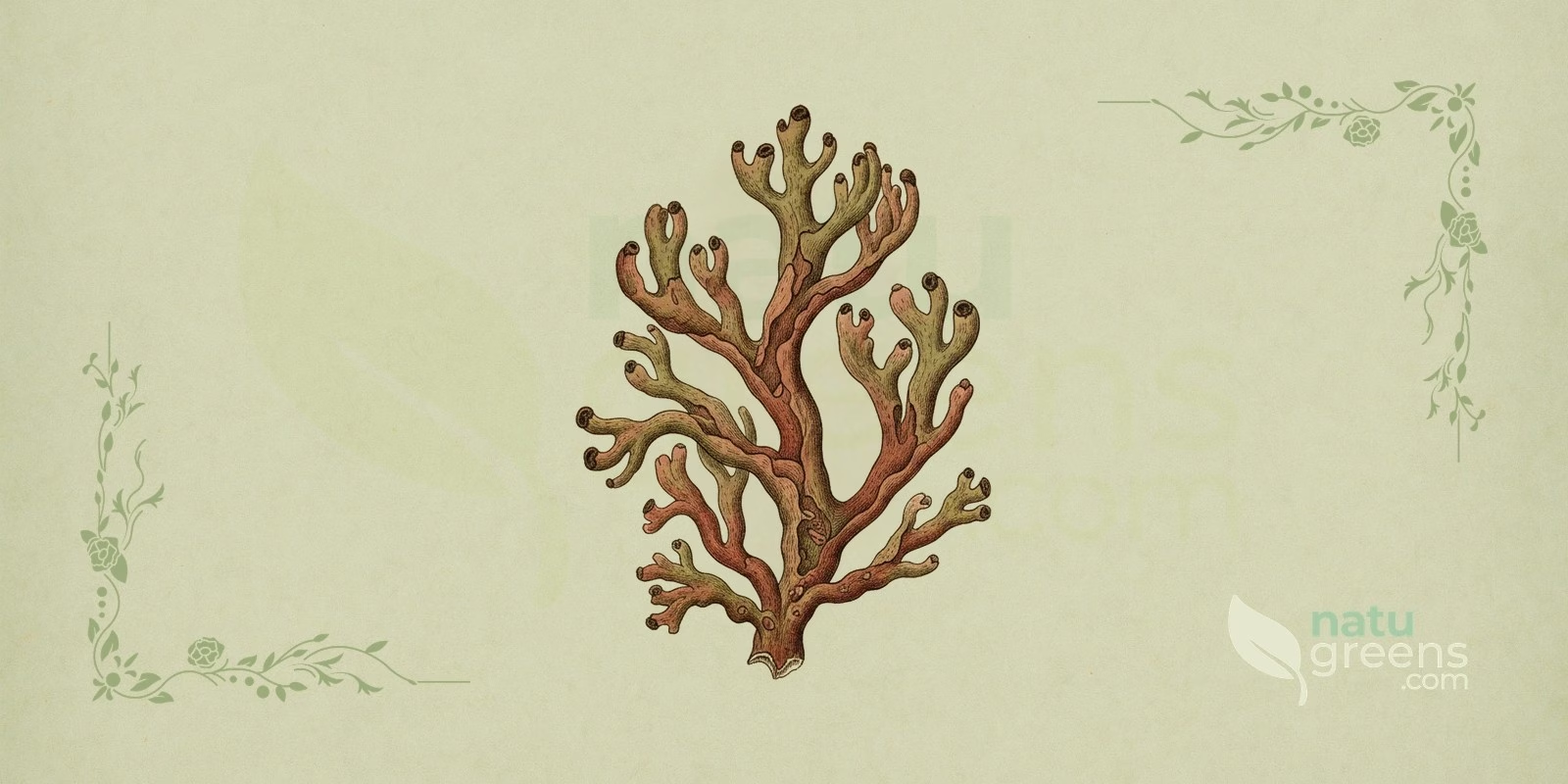
Cetraria islandica (L.) Ach. / Iceland Moss, also known as Iceland lichen, is an arctic-alpine lichen whose upright, leafy form resembles that of a moss, a likeness that probably gave rise to its common name. Valued for centuries in traditional European medicine, this complex organism is used mainly for irritation of the mouth and throat, for cough and for digestive complaints. The European Medicines Agency (EMA) recognizes these uses as traditional in its monograph on the lichen’s thallus. Iceland moss stands out for its content of mucilage and bitter substances, features that explain its place among traditional remedies. Its applications range from relieving respiratory symptoms to supporting digestion, always with the safety precautions described further on, especially those related to usnic acid.
Popular and International Names of Iceland Moss
- English: Iceland lichen, Iceland moss, true Iceland lichen.
- French: lichen d’Islande, mousse d’Islande.
- German: Echtes Isländisches Moos, Isländisches Moos.
- Italian: lichene islandico, muschio islandico.
- Portuguese: líquen-da-Islândia, musgo-da-Islândia, musgo-islandês.
- Spanish: liquen de Islandia, musgo de Islandia.
Botanical Synonyms of Cetraria islandica
Lichen islandicus L. (1753) is the basionym of the species, that is, the original name published by Carl Linnaeus at a time when lichens were still grouped in a single genus, Lichen. The transfer to the genus Cetraria was made by Erik Acharius, which is where the abbreviation (L.) Ach. that accompanies the current name comes from, a trace of its history within lichen classification. In European pharmaceutical literature, the form Cetraria islandica (L.) Acharius s.l. also appears, in which the author’s name is written out in full and the abbreviation s.l. (sensu lato) indicates that the species is taken in a broad sense. It is therefore not a separate synonym, but the same species with a different rendering of the authorship. Although lichen nomenclature has been revised several times over the years, the name Cetraria islandica remains the most widely accepted and the one used in contemporary scientific literature.
Botanical Family: Parmeliaceae
Cetraria islandica belongs to the Parmeliaceae, a large family of lichens, symbiotic organisms that result from the association between a fungus and an alga or cyanobacterium. Known for its morphological diversity, the family includes foliose and fruticose lichens, many of them found in temperate and arctic regions. In these environments, they play an important ecological role by contributing to soil formation and serving as food for wildlife. Within this group, Cetraria islandica is a notable example of the complexity and resilience of these organisms, which are able to persist in cold, exposed places with poor soil.
Parts of Iceland Moss Used
- Dried thallus, whole or fragmented
- Powdered dried thallus
- Thallus (the body of the lichen)
Because lichens have no true roots, stems or leaves, the whole organism corresponds to the thallus, which is harvested, dried and used whole, fragmented or ground into powder, depending on the chosen preparation.
Ethnobotanical and Traditional Uses
- Appetite stimulation
- Catarrh and bronchitis
- Digestive complaints
- Flu and mild respiratory infections
- Nutritional support (in times of scarcity)
- Relief of cough and throat irritation
These uses belong to the traditional record and were passed down mainly through the folk medicine of northern Europe, which is why they do not replace diagnosis or follow-up of respiratory or digestive conditions that persist or get worse.
Therapeutic Properties of Iceland Moss
- Antibacterial (activity observed in laboratory studies, without clinical confirmation)
- Anti-inflammatory (traditional record and preliminary experimental studies)
- Antioxidant (activity observed in laboratory assays)
- Antiviral (activity against the influenza virus observed in vitro, without clinical confirmation)
- Astringent (traditional record of action on tissues and mucous membranes)
- Bitter tonic (traditional record of stimulating digestion and appetite)
- Demulcent (forms a protective film over the mucous membranes, a traditional use recognized by the EMA)
- Expectorant (traditional record of easing the clearance of mucus)
- Immunomodulatory (effects on immune cells observed in experimental studies)
Detailed Phytochemical Profile of Iceland Moss
- Cetraric acid
- Fumarprotocetraric acid
- Galactomannans
- Gums
- Lichen acids (including usnic acid)
- Lichesterinic acid
- Mucilages
- Polymeric carbohydrates (lichenin, isolichenin)
- Polysaccharides
- Protolichesterinic acid
The mucilages, made up largely of polysaccharides such as lichenin and isolichenin, account for the demulcent action traditionally attributed to the lichen, while lichen acids such as fumarprotocetraric and protolichesterinic acid give it its characteristic bitter taste. Usnic acid, found among these compounds, is the reason for the liver precautions detailed in the contraindications section, especially where concentrated extracts are concerned.
Preparation and Administration Forms of Iceland Moss
- Decoction
- Dry extract
- Fluid extract
- Infusion
- Lozenges
- Poultice
- Syrup
- Tincture
Decoction is the most frequently cited traditional form, because boiling draws the mucilages out of the thallus well, whereas concentrated extracts and tinctures call for extra caution and professional guidance, since they gather the lichen’s compounds in a more potent form than a homemade tea.
Synergy with Other Medicinal Plants
Respiratory Complaints
In the European herbal tradition, Iceland moss is often combined with thyme (Thymus vulgaris) and greater plantain (Plantago major) in preparations traditionally used to ease cough, bronchitis and catarrh. In this pairing, the lichen contributes the demulcent action that protects the mucous membranes, while thyme and plantain bring the antiseptic and mucolytic properties that folk use attributes to them. Together they make up a blend rooted in tradition and aimed at respiratory comfort, not a promise of results.
Appetite Stimulation
When the traditional aim is to stimulate the appetite, Iceland moss appears alongside other bitter plants such as gentian (Gentiana lutea) and dandelion (Taraxacum officinale). According to the traditional record, the bitter taste of these plants encourages the production of digestive juices and prepares the digestive system for a meal. Following this logic, gentian and dandelion complement the lichen’s action in pursuit of a balanced digestive environment, which would also favor the uptake of nutrients.
Recipes and Usage Protocols of Iceland Moss
Decoction for Cough and Throat Irritation
Ingredients: 1 tablespoon of dried Iceland moss, 500 ml of water.
Preparation: Place the moss and water in a saucepan, put it on the heat and let it boil for 10 to 15 minutes, then strain and let it cool until lukewarm before drinking. The daily amount and length of use should not be decided on your own, so consult a health professional and favor short periods over continuous use. This decoction is traditionally used to soothe cough and relieve throat irritation. The lichen’s mucilages form a protective layer over the mucous membranes, which explains its place among traditional remedies for respiratory complaints.
Infusion to Stimulate the Appetite
Ingredients: 1 teaspoon of dried Iceland moss, 250 ml of boiling water.
Preparation: Place the moss in a cup, pour in the boiling water and leave it to steep for 10 minutes before straining. By tradition, the drink is taken warm about 30 minutes before the main meals, but how often and for how long it is used depends on individual guidance, so consult a health professional. The traditional record links the lichen’s bitter taste to the stimulation of the taste buds and the production of digestive secretions, which makes this infusion a gentle way to prepare the body for eating.
Poultice for Minor Wounds and Skin Irritations
Ingredients: Iceland moss powder, warm water.
Preparation: Mix the powder with warm water until it forms a thick paste, apply it to the affected area, cover with a clean cloth and leave it on for 30 minutes before removing it and washing the skin. In folk tradition, this poultice was used on minor wounds and skin irritations, and laboratory studies have observed antibacterial and anti-inflammatory activity in extracts of the lichen, although this has not been confirmed in clinical use. Do not apply it to deep, extensive or infected wounds, or to wounds showing signs of getting worse, since these situations require professional assessment.
The preparations above follow traditional records and do not replace professional guidance. Before any internal use, check the contraindications and interactions described in this article.
Associated Therapies
Clinical Phytotherapy
In clinical phytotherapy, Iceland moss is valued for its demulcent action and for the immunomodulatory properties observed in experimental studies, and it often appears in standardized extracts, lozenges and syrups. These preparations are used for the symptomatic relief of respiratory conditions such as bronchitis and persistent cough, which also calls for medical investigation. According to tradition, they are also used for loss of appetite during convalescence. Its use as a demulcent for irritation of the mouth and throat and for dry cough is included in the European Medicines Agency’s traditional-use monograph, which helps explain the lichen’s presence in modern herbal formulations. The dose, however, is set case by case by the practitioner, who takes into account each person’s condition, the severity of the symptoms and the precautions regarding usnic acid.
Homeopathy
In homeopathy, Cetraria islandica is indicated for specific symptoms, such as a dry, irritating cough and a feeling of dryness in the throat and mouth. The homeopathic remedy is prepared from the lichen according to this practice’s principles of dilution and potentization and is usually given in low potencies, with the aim of relieving irritation of the airways and bringing comfort back to the patient. The choice of potency and frequency depends on the totality of symptoms assessed by the homeopath, and the efficacy of these preparations lacks robust clinical evidence.
Contraindications and Side Effects of Iceland Moss
General Contraindications
Although Iceland moss is usually well tolerated in its traditional preparation, there are contraindications that must be respected. People with a known hypersensitivity to lichens should avoid it. Anyone with an autoimmune disease needs to consult a doctor before starting, because of the immunomodulatory properties observed in experimental studies. Do not use it during pregnancy or breastfeeding without medical advice, as there are not enough studies covering these stages, and keep in mind that children should only be given the lichen under a pediatrician’s supervision. Caution is advised in thyroid disorders, given the iodine content that lichens absorb from the marine or rocky environment. Anyone with pre-existing liver disease should avoid internal use without medical supervision. Prolonged use of high doses may also cause gastric irritation, an effect attributed to the lichen acids present in the thallus.
Usnic Acid and Liver Safety
Iceland lichen (Cetraria islandica) is traditionally used in tea or syrup for cough and throat irritation, and it contains usnic acid, a compound that, in concentrated and isolated extracts (such as some weight-loss supplements, unrelated to the traditional use of this lichen), has been associated with cases of severe hepatotoxicity, including reports of fulminant liver failure. For this reason, avoid prolonged internal use or concentrated extracts, and prefer the traditional preparation as a tea or decoction. Stop using it and seek medical evaluation if symptoms of liver problems appear, such as jaundice (yellowing of the skin and eyes), dark urine or abdominal pain.
Because they grow exposed to the air and the ground, lichens also accumulate trace elements from their surroundings, and studies of samples and commercial products of Cetraria islandica have assessed this contamination risk, which underlines the importance of buying the material from reliable suppliers with known origin and quality control.
Common Side Effects
Side effects are usually rare and mild, but may include gastrointestinal discomfort, nausea or diarrhea in sensitive people, especially with very high doses, which also favor irritation of the stomach lining. Allergic skin reactions are quite uncommon, although they can occur in predisposed individuals. It is advisable to start with small amounts, watch how the body responds and stop use at any sign of an adverse reaction, then see a health professional.
Drug Interactions
No significant drug interactions have been documented, but the mucilages may, in theory, reduce the absorption of other medicines, which is why an interval of at least two hours between Iceland moss and any other drug is recommended. People taking blood-sugar-lowering drugs or insulin should monitor their blood glucose, since experimental studies suggest a mild hypoglycemic effect. Those on immunosuppressants also need caution, because the lichen’s immunomodulatory properties could interfere with their treatment. Taking it alongside medicines that can place a burden on the liver also deserves attention, given the presence of usnic acid. In any case, consult a doctor or pharmacist before combining the lichen with other medicines.
Historical Notes and Interesting Facts
Iceland moss has a rich history as a source of food in times of scarcity, especially in the Nordic and Arctic regions, including Iceland itself, where it is called fjallagrös. Ground up, it was added to bread or used in soups to raise the nutritional value of poor diets. There are records of its use as a coffee substitute during the Second World War, and the lichen also served as a thickener in puddings and jellies thanks to its ability to absorb water, a quality much prized in the kitchen. In folk medicine it came to be seen as a remedy for almost everything, used for complaints ranging from respiratory problems to wounds. Its resilience in extreme environments is also striking, as it grows on poor soils and on rocks, which shows great adaptability and ecological importance. Its story bears witness to the ancestral wisdom that turned to this lichen for both survival and human health.
Frequently Asked Questions about Iceland Moss
Is Iceland Moss Really a Moss?
No, because despite its common name, Iceland moss is a lichen, that is, a symbiotic organism resulting from the association between a fungus and an alga or cyanobacterium. Mosses, on the other hand, are simple plants belonging to the bryophytes. The confusion comes from its appearance and from the fact that both grow in similar environments, although they are biologically distinct. Iceland moss is therefore a good example of the diversity found among plant and fungal organisms.
How Is Iceland Moss Used for Cough?
Its traditional use for cough is due to the mucilages, substances that form a protective layer over the mucous membranes of the throat and airways and thus help to soothe irritation, an action known as demulcent. Tradition also attributes an expectorant effect to it, which would help to thin mucus and make it easier to clear. For this reason, it is used for both dry and productive cough, although the European traditional-use monograph refers mainly to dry cough. A cough that lasts more than a week or comes with a high fever or shortness of breath calls for medical evaluation.
Can Iceland Moss Be Given to Children?
Use in children should only take place under medical supervision, with the dose adjusted to age and weight by a pediatrician or a qualified herbal practitioner. The lichen appears in syrups and lozenges traditionally used to relieve cough and sore throat, but safety data specific to children are limited, so professional guidance is essential before giving it to a child.
What Is the Best Way to Prepare Iceland Moss?
The most recommended traditional preparation is decoction, that is, boiling the lichen in water for 10 to 15 minutes, which draws out the mucilages and other compounds well. To soften the bitter taste, the moss can be soaked beforehand, changing the water a few times. Decoction suits both the traditional use for respiratory complaints and appetite stimulation and, in line with the safety precautions regarding usnic acid, it is preferable to concentrated extracts.
Can Iceland Moss Harm the Liver?
As a tea or traditional decoction the lichen is usually well tolerated, but it contains usnic acid, a compound that, in concentrated and isolated extracts, such as some weight-loss supplements unrelated to traditional use, has been associated with cases of severe hepatotoxicity. For this reason, avoid prolonged internal use and concentrated extracts, and if jaundice, dark urine or abdominal pain appear, stop using it and seek medical evaluation.
Who Should Not Use Iceland Moss?
Pregnant and breastfeeding women should not use the lichen without medical advice, and people with thyroid disorders need caution because of the iodine that lichens can absorb from the environment. Anyone with liver disease, an autoimmune disease or an allergy to lichens, as well as those taking immunosuppressants, blood-sugar-lowering drugs or other long-term medicines, should talk to a doctor or pharmacist first.
Notice: this content is for informational purposes and does not replace professional medical advice. Consult a physician or herbal practitioner before using medicinal plants, especially during pregnancy, breastfeeding, or alongside medication.
References and Scientific Studies
View All 10 Cited References
Peer-Reviewed Scientific Studies (9)
- PMC2015 Bakır TÖ, et al. The effects of Cetraria islandica and Pseudevernia furfuracea extracts in normal and diabetic rats. Toxicol Ind Health. 2015.
- PMC2004 Durazo FA, et al. Fulminant liver failure due to usnic acid for weight loss. Am J Gastroenterol. 2004.
- PMC2017 Giordani P, et al. Is there a risk of trace element contamination in herbal preparations? A test study on the lichen Cetraria islandica. Chemosphere. 2017.
- PMC2014 Grujičić D, et al. Evaluation of in vitro antioxidant, antimicrobial, genotoxic and anticancer activities of lichen Cetraria islandica. Cytotechnology. 2014.
- PMC2020 Kwong SP, et al. Review: Usnic acid-induced hepatotoxicity and cell death. Environ Toxicol Pharmacol. 2020.
- PMC2023 Makarevich EV, et al. Anti-Influenza Activity of Cetraria islandica Lichen Extracts in In Vitro Experiments. Bull Exp Biol Med. 2023.
- PMC2006 Sanchez W, et al. Severe hepatotoxicity associated with use of a dietary supplement containing usnic acid. Mayo Clin Proc. 2006.
- PMC2018 Xu M, et al. Authentication of Iceland Moss (Cetraria islandica) by UPLC-QToF-MS chemical profiling and DNA barcoding. Food Chem. 2018.
- PMC2018 Zacharski DM, et al. β-1,3/1,4-Glucan Lichenan from Cetraria islandica (L.) ACH. induces cellular differentiation of human keratinocytes. Fitoterapia. 2018.
Supplementary Readings (1)
- 2014 European Medicines Agency. European Union herbal monograph on Cetraria islandica (L.) Acharius s.l., thallus. Committee on Herbal Medicinal Products (HMPC). 2014.