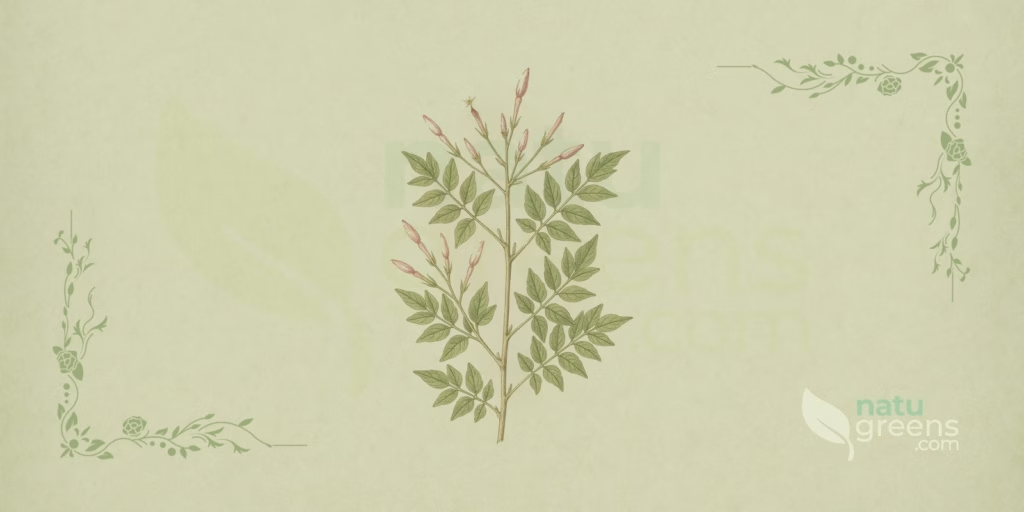
Myrica gale L. / Bog Myrtle, also known as sweet gale, is an aromatic deciduous shrub of the Myricaceae family, widely distributed across bogs, peatlands and wet margins in the temperate regions of the Northern Hemisphere. Over the centuries, several cultures in Europe and North America have used it to flavor beers and other drinks, as a bitter condiment and as an insect repellent, and folk medicine also prepared it as tea and in other homemade forms. Because robust safety and dosage studies are still lacking, the use considered prudent today is limited to small amounts, similar to those of a seasoning, and never to the amounts of a concentrated supplement.
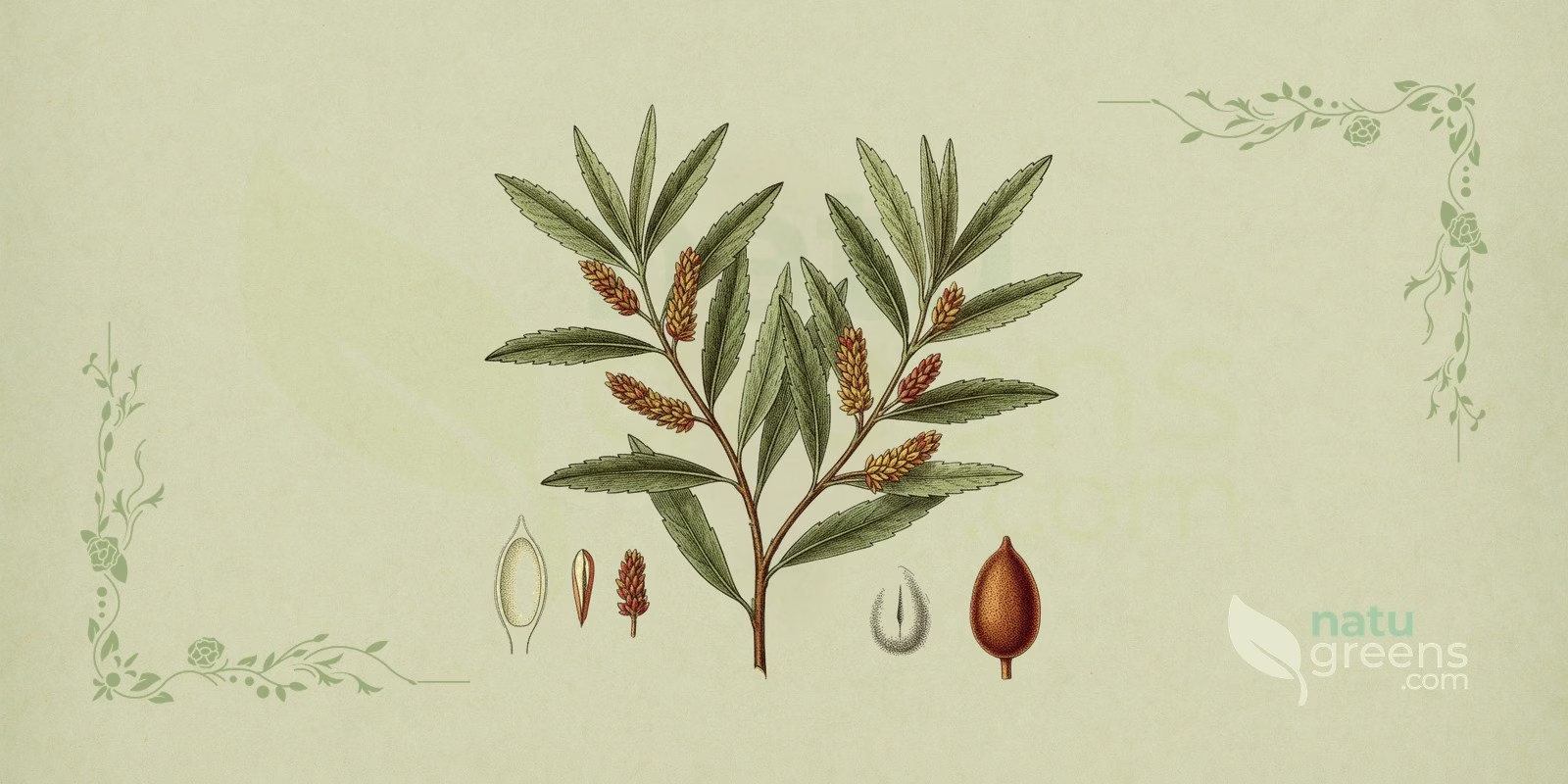
Popular and International Names of Bog Myrtle
Because it grows across much of Europe, Asia and North America, bog myrtle has gathered names that usually allude to the waterlogged ground where it lives, to its apparent resemblance to true myrtle or to the plant’s historical use as a seasoning.
- English: bog myrtle, candleberry, Dutch myrtle, sweet gale.
- French: lorette, myrique baumier, myrte des marais.
- German: Gagel, Gagelstrauch.
- Italian: mirica, mirto di palude.
- Portuguese: mirto-holandês, murta-braba, murta-do-brejo, murta-holandesa, pimenta-real.
- Spanish: mirto de turbera, mirto holandés.
Botanical Synonyms of Myrica gale
The species was described by Linnaeus in 1753 and has since received several names that are now treated as synonyms. Some were created in the genus Gale, while others are tied to regional populations, as shown by epithets referring to Portugal, the Algarve, Brabant and Japan.
- Gale belgica Dumort.
- Gale commune J.Presl
- Gale japonica A.Chev.
- Gale palustris A.Chev.
- Gale portugalensis A.Chev.
- Gale uliginosa Spach
- Myrica algarbiensis Gand.
- Myrica brabantica Gray
- Myrica palustris Lam.
- Myrica rothmaleriana P.Silva
- Myrica tomentosa (C.DC.) Asch. & Graebn.
- Myrica uchanovii Byalt & Firsov
- Myrtus brabantica Garsault
Botanical Family: Myricaceae
Myrica gale belongs to the Myricaceae family, which brings together shrubs and small trees with aromatic leaves and waxy fruits, characterized by the presence of resin glands. Many members of the family, bog myrtle included, fix atmospheric nitrogen in root nodules through a symbiosis with actinobacteria of the genus Frankia, an association that helps explain how the plant thrives in poor, waterlogged soils.
Parts of Bog Myrtle Used
The leaves, where the resin glands responsible for the aroma are concentrated, are the most widely used part, both in infusions and in the distillation of the essential oil. The fruits, also studied as a source of oil, and the twigs appear in traditional preparations and in the plant’s use as a flavoring.
- Fruits
- Leaves
- Twigs
Ethnobotanical and Traditional Uses
Ethnobotanical records of bog myrtle come mainly from northern Europe and North America, where the plant served more as a flavoring and repellent than as a remedy. A recent study in Lithuania was devoted precisely to documenting local knowledge about the species.
- Bitter condiment in small amounts
- Culinary flavoring for soups, stews and meat dishes
- Flavoring for beers and alcoholic drinks such as schnapps
- Insect and moth repellent
- Tea for digestive complaints, according to traditional records
- Tonic and stimulant in folk medicine
- Vermifuge in folk medicine, without scientific confirmation
Therapeutic Properties of Bog Myrtle
The properties listed below combine folk medicine records with findings from laboratory studies, usually carried out with the essential oil or with isolated extracts. None of them has been confirmed in clinical trials in humans. The plant’s traditional use as an abortifacient and emmenagogue does not appear on this list because it represents a risk rather than a benefit, and it is therefore covered in the contraindications section.
- Analgesic (traditionally recorded for pain relief, without clinical studies)
- Antibacterial (essential oil activity observed in laboratory studies)
- Anticatarrhal (traditionally recorded for respiratory complaints)
- Antifungal (activity of the leaf and fruit oil observed in the laboratory)
- Anti-inflammatory (traditionally recorded for mild inflammation, without clinical evidence)
- Antimicrobial (inhibition of microorganisms observed in laboratory studies)
- Antioxidant (activity of C-methylated dihydrochalcones observed in the laboratory)
- Antiparasitic (traditionally recorded as a vermifuge, with no studies confirming it)
- Antiproliferative (activity observed in laboratory studies, without clinical evidence)
- Antispasmodic (traditionally recorded for colic and spasms)
- Aromatic (leaves and fruits rich in volatile compounds)
- Astringent (tightens tissues, an effect associated with the condensed tannins in the leaves)
- Cholagogue (traditionally recorded as stimulating bile production)
- Diuretic (traditionally recorded as increasing urine volume)
- Hepatoprotective (traditional record, without clinical evidence)
- Mucolytic (traditionally recorded as thinning mucus)
- Sedative (traditionally recorded calming effect, without clinical evidence)
- Stomachic (traditionally recorded as supporting digestion)
- Tonic (traditionally used as a general invigorant)
Detailed Phytochemical Profile of Bog Myrtle
The leaf essential oil, analyzed in plants from different regions, is dominated by monoterpenes and sesquiterpenes whose proportions change with origin and extraction method, as a comparative study of Irish populations showed. Besides the volatiles, the leaves and the fruit exudate contain C-methylated dihydrochalcones, the group to which myrigalone A belongs, a substance that showed strong phytotoxic activity in the laboratory against invasive plants of the genus Fallopia. The plant also contains condensed tannins, compounds linked to the astringency that tradition attributes to it.
- Alpha-pinene
- Beta-caryophyllene
- Caryophyllene oxide
- Cineole (1,8-cineole)
- Condensed tannins
- Dihydrochalcones (C-methylated)
- Limonene
- Myrcene
- Myrigalone A
- Phellandrene (alpha-phellandrene)
- Sesquiterpenes
Preparation and Administration Forms of Bog Myrtle
The safest way to use the plant is still the traditional one, that is, small amounts of dried leaf used as a seasoning or in light infusions. Extracts and tinctures, on the other hand, concentrate the active compounds and should not be taken as supplements without professional guidance.
- Condiment in small amounts
- Essential oil (external use only, always diluted)
- Extracts
- Teas (light infusions)
- Tinctures
The essential oil should never be swallowed, and using it on the skin requires dilution in a vegetable carrier oil and a prior patch test on a small area, since the concentration of volatile compounds raises the risk of irritation.
Synergy with Other Medicinal Plants
Traditional Combinations for Digestion
In homemade blends, bog myrtle is often paired with other digestive herbs such as peppermint (Mentha piperita) and ginger (Zingiber officinale), a combination traditionally used to relieve mild gastrointestinal discomfort like heaviness and gas after meals. This combined effect, however, has not yet been evaluated in clinical studies.
Traditional Combinations for Relaxation
For evening infusions, traditional records pair bog myrtle with chamomile (Matricaria chamomilla) or lemon balm (Melissa officinalis), blends traditionally used to encourage relaxation before bedtime. Anyone already taking sedatives or anti-anxiety medication should talk to a healthcare professional before turning to these combinations, since the calming effects attributed to the plants may add up.
Recipes and Usage Protocols of Bog Myrtle
Traditional Aromatic Infusion
A light infusion traditionally taken after main meals or in the evening, prepared with an amount of leaf similar to that of a seasoning rather than with supplement doses.
Ingredients: a small pinch of dried bog myrtle leaves and 200 ml of boiling water.
Preparation: Place the leaves in a cup, pour over the freshly boiled water, cover and let steep for 5 to 7 minutes before straining. Traditionally, the drink was taken after the main meals or about 30 minutes before going to bed, and folk records associate it with relief of intestinal cramps and gas, an effect that has not been evaluated in clinical studies. Given the lack of safety and dosage data, choose weak, occasional infusions and consult a healthcare professional before making it part of your routine.
Aromatic Repellent Oil for External Use
A preparation for external use, traditionally applied to the skin to keep insects away during outdoor activities.
Ingredients: 5 drops of bog myrtle essential oil and 30 ml of sweet almond or jojoba oil.
Preparation: Mix the essential oil into the carrier oil in a dark glass bottle and, before the first use, apply a little to the inner forearm and wait 24 hours to rule out allergy or irritation. Apply to exposed skin, avoid sun exposure right after application and keep the bottle out of the reach of children. The same oil appears in traditional records of massage over sore muscles and inflamed areas, a use that also calls for dilution.
Leaf Tincture from Traditional Records
A concentrated preparation that folk medicine records as a general tonic and stimulant, described here as a historical record and not as a recommendation for internal use.
Ingredients: 200 g of dried bog myrtle leaves and 1 liter of 70% grain alcohol.
Preparation: Place the leaves in a glass jar, cover them with the alcohol, seal tightly and let macerate for 14 days, shaking daily, before filtering through a fine cloth and storing in a dark glass bottle. Because the tincture concentrates the active compounds of a species without robust safety and dosage studies, it should not be taken internally as a supplement, and any use depends on individual assessment, so consult a healthcare professional.
The preparations above follow traditional records and do not replace professional guidance. Before any internal use, check the contraindications and interactions described in this article.
Associated Therapies
Aromatherapy
In aromatherapy, bog myrtle essential oil is diffused into the room for its resinous scent, to which practitioners attribute an effect that is at once relaxing and stimulating, associated with a sense of well-being, stress relief and better concentration. The oil is also used in massage, always diluted in a vegetable oil, as a traditional resource for muscle aches and mild inflammation, although these effects have not been proven in clinical studies.
Herbal Medicine
In folk herbal medicine, bog myrtle leaves and fruits go into teas, tinctures and extracts traditionally used for digestive complaints, mild inflammation and minor infections. This use rests on the astringent properties attributed to the tannins and on the antimicrobial and antifungal activity of the essential oil observed in the laboratory. The plant is also remembered as a tonic and stimulant, but the absence of clinical trials and dosage data means it should not replace medical treatment and that any internal use should be discussed with a healthcare professional.
Contraindications and Side Effects of Bog Myrtle
Pregnancy and Breastfeeding
There is a traditional record of the plant’s use as a uterine stimulant/abortifacient in some cultures, so the rule is not to use it during pregnancy without medical guidance. The same tradition also attributes an emmenagogue effect to it, that is, a stimulating effect on menstrual flow. Given this risk, the most prudent course is to avoid bog myrtle throughout pregnancy, including in teas and homemade preparations. There is also insufficient data on the plant’s safety during breastfeeding, so the recommendation is not to use it during lactation without medical guidance, to protect the infant.
Gastrointestinal Irritation and Concentrated Doses
Concentrated doses taken internally can cause gastrointestinal irritation, which is why extracts, tinctures and very strong infusions should not be taken as if they were supplements. Given the lack of robust safety and dosage studies, the recommendation is to use the plant only in traditional flavoring/condiment amounts, not as a concentrated supplement, and to stop use in case of nausea, abdominal pain or other discomfort.
Essential Oil Toxicity
Bog myrtle essential oil is considered toxic if swallowed, and ingestion can cause serious adverse effects. Its use should therefore be restricted to external applications, in appropriate dilutions and under the guidance of a professional. The bottle should be kept out of the reach of children, and handling calls for care to avoid contact with the eyes and mucous membranes.
Drug Interactions
There is no detailed information on drug interactions specific to Myrica gale, but the sedative and diuretic effects that tradition attributes to it warrant caution in people taking sedatives, anti-anxiety medication or diuretics. For this reason, anyone on any long-term medication should consult a healthcare professional before using the plant, to avoid possible interactions.
Historical Notes and Interesting Facts
Use in Beer Brewing
Before hops became widespread, bog myrtle was widely used in Europe to flavor beers and other alcoholic drinks such as schnapps, giving them a bitter, resinous taste and a stimulating effect. Popular accounts, lacking consistent historical documentation, claim that the Church went as far as banning this use in the 11th century because of the intoxicating effects attributed to the plant and the competition with monastic hop production.
Natural Repellent
The aromatic leaves of Myrica gale have long been known for repelling insects, and the plant was also used to scent bed linen and keep moths away. In 1995, a commercial mosquito repellent based on bog myrtle extracts was launched on the market after efficacy testing. Scientific interest continues, as shown by a 2026 study that evaluated the repellent activity of essential oils from Irish boglands against the Aedes aegypti mosquito.
Symbol of Wisdom
In some folk traditions, bog myrtle is seen as a symbol of wisdom and of connection with nature, associated with the idea of purifying both the surroundings and the body. There are also beliefs linking it to lucid dreams and spiritual insights, symbolic attributions that have no scientific basis.
Frequently Asked Questions about Bog Myrtle
What Are the Traditional Uses of Bog Myrtle Tea?
Bog myrtle tea is traditionally used to support digestion, ease intestinal cramps and encourage relaxation. Folk records also use it for mild inflammation and skin problems because of the astringent properties attributed to the plant. None of these uses has been confirmed in clinical studies, so the tea should be brewed weak and drunk only occasionally.
How Do You Make Bog Myrtle Tea?
Simply place a small pinch of dried leaves in a cup of boiling water, cover, let steep for 5 to 7 minutes and strain before drinking. Traditionally, the drink was taken after meals or before bed, but because safety and dosage data are lacking, it is best to stick to seasoning-sized amounts and consult a healthcare professional before regular use.
Does Bog Myrtle Tea Have Contraindications?
Yes, because there is a traditional record of the plant’s use as a uterine stimulant and abortifacient, which makes the tea inadvisable during pregnancy without medical guidance. People who are breastfeeding or who take sedatives, anti-anxiety medication, diuretics or other long-term medications should consult a healthcare professional before drinking it.
Can Bog Myrtle Be Used During Pregnancy?
Not without medical guidance, since there is a traditional record of the plant’s use as a uterine stimulant/abortifacient in some cultures, and the most prudent course is to avoid it throughout pregnancy. The same caution applies to breastfeeding, as safety studies are lacking, and the recommendation is not to use the plant during this period without medical guidance.
Can Bog Myrtle Essential Oil Be Taken Internally?
No, because the essential oil is considered toxic when taken by mouth and swallowing it can cause serious adverse effects. Its use should be limited to the skin, always diluted in a vegetable oil, after a sensitivity test and preferably with professional guidance.
Where Does Bog Myrtle Grow?
Myrica gale grows in wet habitats such as marshes, bogs, peatlands and riverbanks in the temperate regions of Europe, Asia and North America. Outside these regions, the plant is usually found dried in natural food and herb shops, and it can also be grown in gardens with moist, acidic soil.
Notice: this content is for informational purposes and does not replace professional medical advice. Consult a physician or herbal practitioner before using medicinal plants, especially during pregnancy, breastfeeding, or alongside medication.
References and Scientific Studies
View All 12 Cited References
Peer-Reviewed Scientific Studies (10)
- PMC2004 Huguet V, et al. Diversity of Frankia strains associated to Myrica gale in Western Europe: impact of host plant (Myrica vs. Alnus) and of edaphic factors. Environ Microbiol. 2004.
- PMC2023 Ložienė K, et al. Chemical Composition of Essential Oils and Local Knowledge of Myrica gale in Lithuania. Plants (Basel). 2023.
- PMC1996 Malterud KE, et al. C-methylated dihydrochalcones from Myrica gale L: effects as antioxidants and as scavengers of 1,1-diphenyl-2-picrylhydrazyl. Pharmacol Toxicol. 1996.
- PMC2013 Nakata M, et al. Volatile components of essential oil from cultivated Myrica gale var. tomentosa and its antioxidant and antimicrobial activities. J Oleo Sci. 2013.
- PMC2008 Popovici J, et al. Chemical composition of essential oil and headspace-solid microextracts from fruits of Myrica gale L. and antifungal activity. Nat Prod Res. 2008.
- PMC2011 Popovici J, et al. An allelochemical from Myrica gale with strong phytotoxic activity against highly invasive Fallopia x bohemica taxa. Molecules. 2011.
- PMC2000 Santos SC, et al. Condensed tannins from Myrica gale. Fitoterapia. 2000.
- PMC1998 Stuart AE. The anti-fungal effect of oil distilled from the leaves of Myrica gale. Planta Med. 1998.
- PMC2005 Sylvestre M, et al. Chemical composition and anticancer activity of leaf essential oil of Myrica gale L. Phytomedicine. 2005.
- PMC2026 Whyms SE, et al. Repellent activity against Aedes aegypti and metabolomic profiling of Myrica gale L. essential oils from Irish boglands. Sci Rep. 2026.
Institutional Sources (1)
- GOV1987 Viereck EG. Alaska’s Wilderness Medicines: Sweet Gale. Alaska Native Knowledge Network. 1987.
Supplementary Readings (1)
- 2023 Nagar S, et al. Effect of Extraction Methods on Essential Oil Composition: A Case Study of Irish Bog Myrtle-Myrica gale L. Separations. 2023.