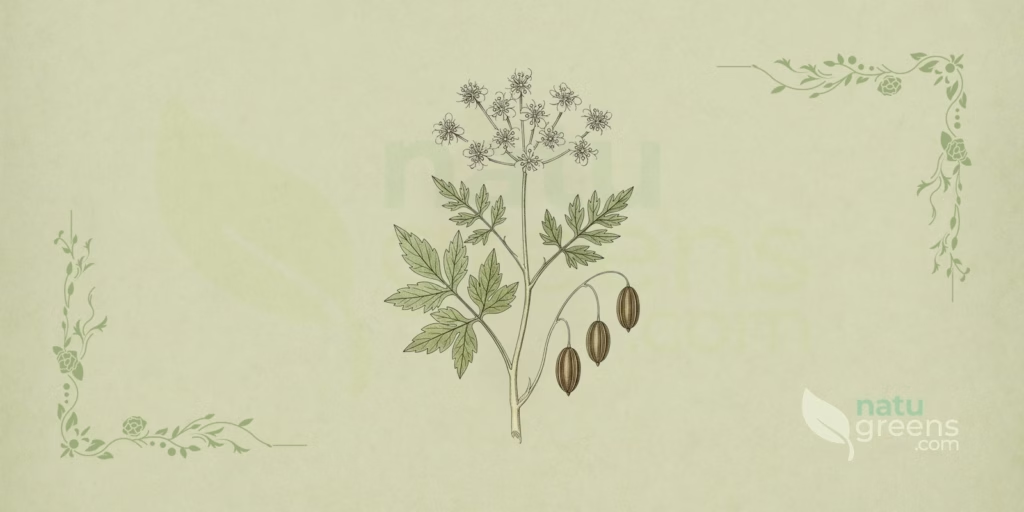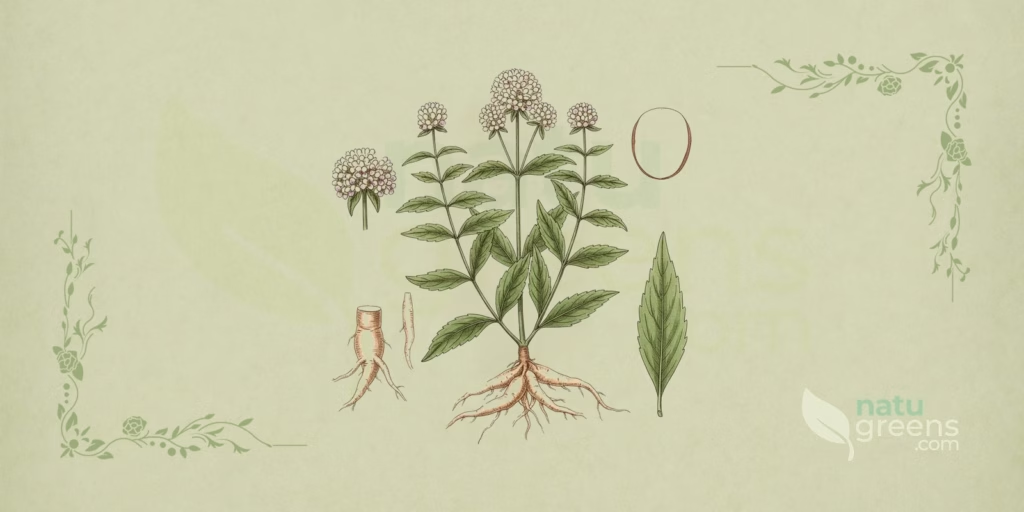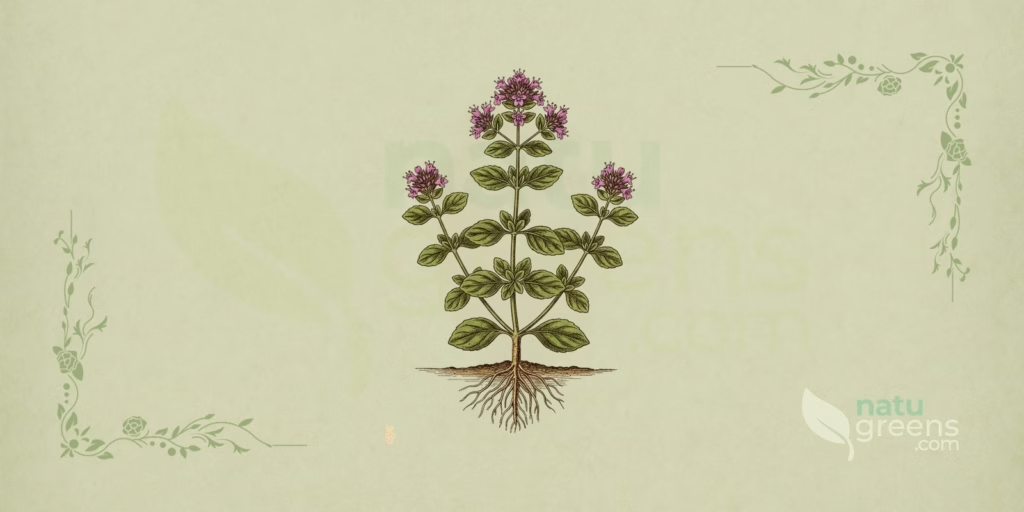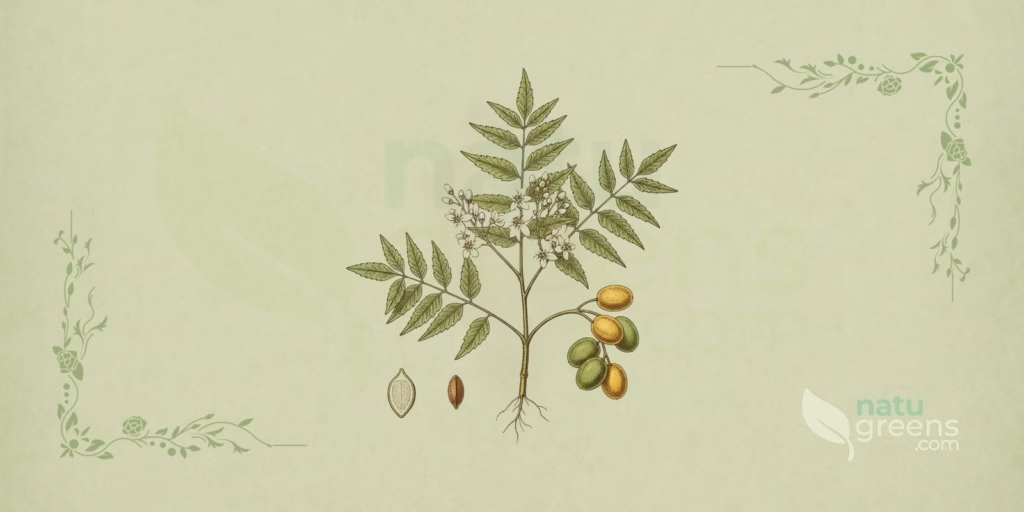
Levisticum officinale W.D.J. Koch / Lovage is a perennial herb of the Apiaceae family, known both for its medicinal uses and for the place it holds in the kitchen. Native to Afghanistan and Iran, the species has been grown in Europe for centuries, where its leaves, stems, roots and seeds are all put to use, and it has a strong presence in traditional European medicine, partly thanks to its intense flavor, which recalls a blend of celery and parsley.
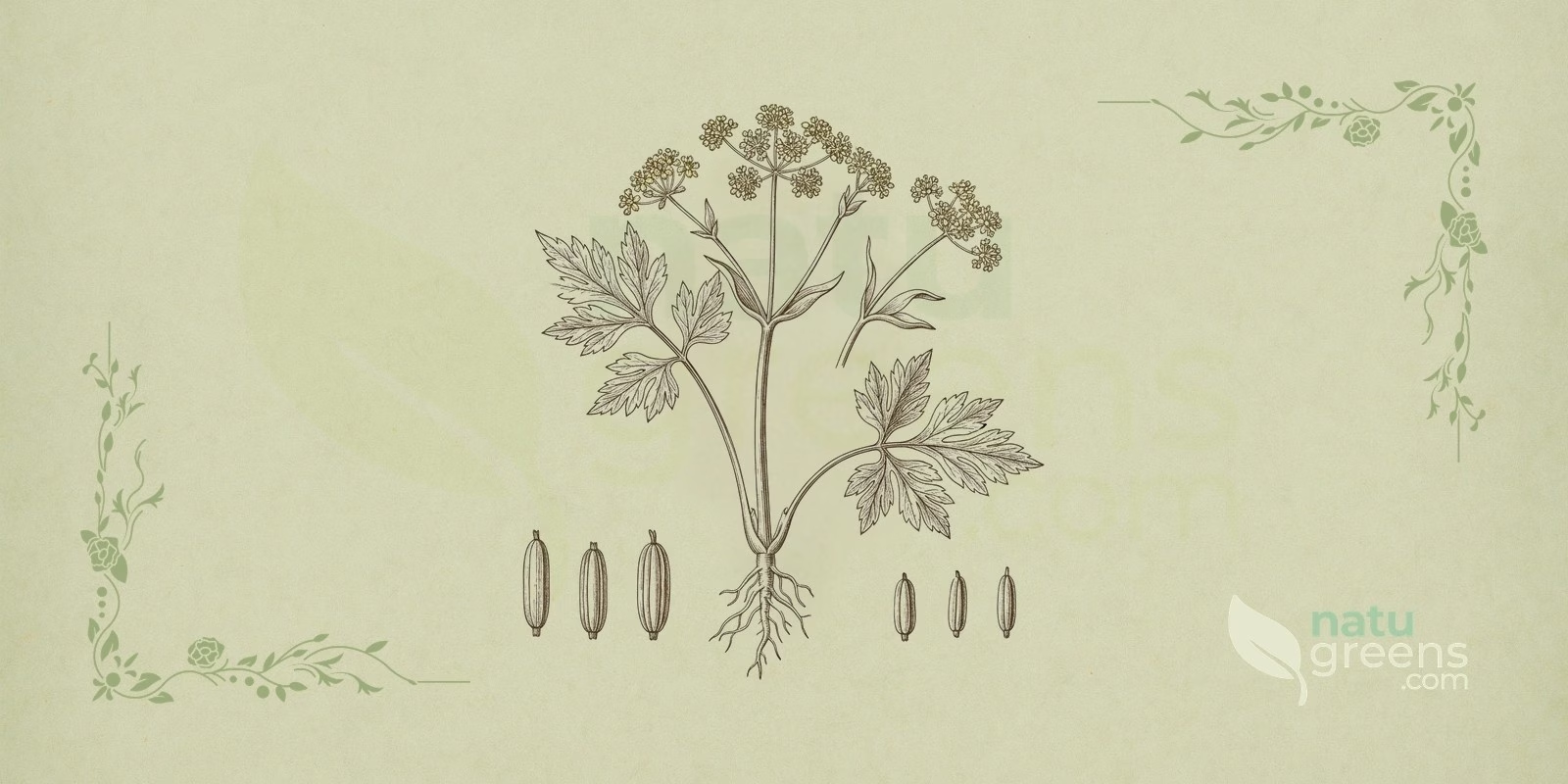
The plant’s phytochemical makeup brings together coumarins, phthalides and essential oils, compounds associated with the diuretic, digestive and anti-inflammatory actions that tradition attributes to it. Modern studies, largely carried out in the laboratory, have been looking into some of these uses, and the herb’s history goes back to ancient civilizations that already prized it as food and in caring for health.
Popular and International Names of Lovage
- English: garden lovage, lovage, love parsley, Maggi plant, sea parsley.
- Spanish: apio de monte, hierba Maggi, levístico.
- Portuguese: aipo-do-monte, erva-maggi, levístico, salsa-brava (BR).
- French: ache des montagnes, herbe à Maggi, livèche.
- Italian: levistico, sedano di monte.
- German: Liebstöckel, Maggikraut.
Botanical Synonyms of Levisticum officinale
The scientific name Levisticum officinale W.D.J. Koch is the most widely accepted and the most commonly used for this plant, but botanical history records several synonyms, a reflection of the complexity of plant taxonomy and of the differing interpretations of botanists over time. The most notable is Ligusticum levisticum L., the name under which Carl Linnaeus described the species before it was transferred to the genus Levisticum.
The synonyms most often cited in the botanical literature are the following:
- Angelica paludapifolia Lam.
- Levisticum caucasicum Lipsky
- Levisticum levisticum (L.) H.Karst.
- Ligusticum levisticum L.
These taxonomic variations make it easier to follow the plant’s history across different scientific and regional contexts, although Levisticum officinale remains the standard designation in the current literature.
Botanical Family: Apiaceae
Lovage belongs to the Apiaceae family, formerly called Umbelliferae, a vast and diverse group of flowering plants. The family is characterized by umbel inflorescences, in which small flowers cluster into structures that resemble an umbrella, and it includes many species of culinary and medicinal importance, such as carrot, celery, coriander, fennel and parsley.
Plants in this family tend to be rich in essential oils and in bioactive compounds such as coumarins and phthalides, which account for their aromatic qualities and for much of the activity attributed to lovage, including the digestive and diuretic actions valued by both traditional and modern herbal medicine. These same coumarins, especially the furanocoumarins, explain the photosensitization described further on, under Contraindications.
Parts of Lovage Used
- Flowers
- Leaves
- Roots
- Seeds
- Stems
The leaves and roots are the parts that appear in the medicinal preparations described in this article, as infusions, decoctions and tinctures, while the stems, leaves and seeds also have a place in cooking, where they season broths, soups and breads.
Ethnobotanical and Traditional Uses
European folk medicine records the use of lovage in the situations listed below, which reflect traditional use rather than efficacy proven by clinical studies:
- Aid to digestion
- Fevers
- Indigestion
- Jaundice
- Kidney stones (renal calculi)
- Loss of appetite
- Nausea
- Relief of intestinal cramps and flatulence
- Respiratory problems (cough)
- Stomach disorders
The traditional use for kidney stones does not apply to anyone with preexisting kidney disease or edema of renal or cardiac origin, or to anyone who already takes diuretics, situations detailed under Contraindications. Jaundice, for its part, is a sign that requires medical evaluation, and the plant’s historical record of use is no substitute for that care.
Therapeutic Properties of Lovage
- Analgesic (pain relief described in traditional use)
- Antiallergic (reduction of allergic reactions investigated in preliminary studies)
- Antibacterial (activity against bacteria observed in the laboratory)
- Antidiabetic (effect on blood glucose investigated only in preliminary studies)
- Anti-inflammatory (action observed in experimental studies)
- Antioxidant (neutralizes free radicals in laboratory assays)
- Carminative (traditional use to reduce intestinal gas)
- Diaphoretic (stimulation of sweating according to traditional sources)
- Digestive (traditional use as an aid to digestion)
- Diuretic (increases urine production; a recognized effect that calls for caution in people who take diuretics)
- Emmenagogue (stimulates menstrual flow according to traditional sources, which is the reason for the contraindication in pregnancy)
- Expectorant (traditional use to help clear mucus from the airways)
- Hepatoprotective (protective effect on the liver suggested in preliminary studies)
- Neuroprotective (protection of the nervous system observed in a study in animals)
- Stimulant (increased functional activity described in traditional use)
- Stomachic (traditional use to stimulate appetite and digestion)
Detailed Phytochemical Profile of Lovage
- Coumarins, including furanocoumarins (apterin, bergapten, isopimpinellin, pimpinellin, psoralen, xanthotoxin)
- Essential oils (monoterpenes, oxygenated monoterpenes)
- Flavonoids
- Phenolic acids
- Phthalides (butylphthalide, ligustilide, sedanolide)
- Polysaccharides
The phthalides are responsible for the celery-like aroma and have been studied for their antibacterial activity in root extracts, while the furanocoumarins, identified in analyses of the root, are the compounds linked to the photosensitization the plant can cause on skin exposed to the sun.
Preparation and Administration Forms of Lovage
- Decoctions
- Extracts
- Teas/Infusions
- Tinctures
The dried leaves are usually prepared as an infusion, without boiling, to preserve the essential oils, whereas the root can be boiled for a few minutes, as a decoction, to release its compounds more fully. Standardized extracts and tinctures are the most common forms in Western herbal medicine, and the dose of these concentrated preparations should be determined with a healthcare professional.
Synergy with Other Medicinal Plants
Antibacterial Activity Under Study
Preliminary studies indicate that lovage extracts may show synergistic antibacterial activity when combined with pharmaceutical antibiotics, with greater bacterial inhibition than that observed with the antibiotics used on their own. Research in this area is still developing and there is no established clinical application, so these results do not justify combining the plant with antibiotics on your own initiative, nor do they justify replacing medical care for infections.
Traditional Pairing with Diuretic Herbs
Tradition combines lovage with other diuretic herbs, such as horsetail (Equisetum arvense) and stinging nettle (Urtica dioica), in blends used to increase fluid output and for urinary tract complaints. Because the diuretic effects add up and can become excessive, this combination is not suitable for anyone with kidney disease or edema of renal or cardiac origin, or for anyone who already takes diuretics, and in all other cases it should only be used under the guidance of a healthcare professional.
Recipes and Usage Protocols of Lovage
Lovage Infusion
A preparation traditionally used after meals as a digestive aid, to relieve gas and increase diuresis. Use 1 teaspoon of dried leaves or 1/2 teaspoon of dried root for every 200 ml of boiling water, let it steep for 10 to 15 minutes, strain and drink it warm, no more than 3 times a day.
Avoid excessive intake because of the potential for photosensitivity, and do not use the infusion in cases of pregnancy, kidney disease, edema of renal or cardiac origin, or diuretic use.
Lovage Root Tincture
The tincture is a traditional way of using the root for digestive complaints, such as indigestion and flatulence, and to stimulate the appetite. It is made with 1 part fresh root to 3 parts 45% alcohol, left to macerate for 2 to 4 weeks and shaken daily before being strained.
Because it is a concentrated preparation, the tincture should be taken diluted in a little water, and the amount and duration of use need to be determined on an individual basis: consult a healthcare professional before using it.
Culinary Use in Broths and Soups
Fresh lovage leaves and stems add flavor to broths, soups, stews and meat dishes, with an intense, celery-like profile that calls for a light hand, since the taste is quite concentrated. The seeds serve as a spice in breads and cakes, and the roots can be cooked as a vegetable, which makes the plant a versatile herb in the kitchen.
The preparations above follow traditional records and do not replace professional guidance. Before any internal use, check the contraindications and interactions described in this article.
Associated Therapies
Aromatherapy
Lovage essential oil, extracted mainly from the roots, has a strong, herbaceous scent and appears less often in aromatherapy than other oils, where it is used with the aim of promoting relaxation and easing stress. It can be diffused into the air or applied to the skin, always diluted in a carrier oil, in the traditional use for muscle and joint pain, and, as with any concentrated preparation of the plant applied to the skin, it is wise to avoid intense sun exposure after use. Good-quality oils and the guidance of a qualified aromatherapist complete these precautions.
Western Herbal Medicine
In Western herbal medicine, lovage is valued for the diuretic, carminative and digestive properties attributed to it. Tradition recommends it as an aid to urinary function and for relieving symptoms of indigestion, flatulence and cramps, usually in the form of standardized extracts and tinctures, with the aim of increasing fluid output and supporting digestion. The German Commission E and ESCOP recognize this traditional use, which is no substitute for the medical treatment of urinary tract infections.
Homeopathy
In homeopathy, Levisticum officinale is used in preparations indicated, according to the principles of this approach, for complaints involving the urinary and digestive systems, such as lower back pain, menstrual disorders and digestive problems with flatulence. The homeopathic preparation is highly diluted and, according to this school, seeks to stimulate the body’s capacity for self-healing; the choice of potency and dose rests with an experienced homeopath after an individualized assessment, and it does not do away with the need for medical investigation of lower back pain or menstrual changes.
Contraindications and Side Effects of Lovage
Lovage is generally well tolerated in the amounts used in cooking and at traditional doses, but it has contraindications and side effects that need to be known before use. Following these precautions reduces health risks, and consulting a healthcare professional is recommended before starting any herbal treatment, especially in cases of preexisting disease or medication use.
Kidney Disease and Edema
Lovage should not be consumed by people with preexisting kidney disease, such as kidney failure, acute kidney inflammation or a severe urinary tract infection, because the plant’s volatile oils can irritate the kidneys, worsen kidney damage and impair the organ’s function. Because it has a recognized diuretic effect, the plant is also contraindicated, or calls for caution and professional supervision, in cases of renal or cardiac edema and in people who take diuretics, since the combined effect can be excessive.
Photosensitivity
Lovage contains furanocoumarins that can cause photosensitization, that is, skin reactions to sunlight after contact with the plant or after ingesting it. These phototoxic reactions include more severe sunburn and dermatitis, so anyone who uses concentrated preparations on the skin should avoid intense sun exposure after use, and during internal use it is also advisable to avoid excessive sun and to wear sunscreen.
Pregnancy and Breastfeeding
Because of its emmenagogue effect, which stimulates menstrual flow, lovage is contraindicated during pregnancy, as it may induce uterine contractions and increase the risk of miscarriage. There are not enough data on its safety during breastfeeding, so the most prudent course is to avoid using it during this period, protecting mother and baby from risks that have not yet been assessed.
Drug Interactions
Because of its diuretic effect, lovage may potentiate pharmaceutical diuretics and lead to electrolyte imbalance, since the combined effect can be excessive. It may also interact with anticoagulants, increasing the risk of bleeding, and with diabetes medications, adding to their hypoglycemic effect, so anyone on any long-term medication should consult a doctor or pharmacist before using the plant.
Allergies
People with a sensitivity or allergy to plants of the Apiaceae family, such as carrot, celery, fennel or parsley, may have an allergic reaction to lovage, with symptoms ranging from contact dermatitis to more serious systemic reactions. Anyone with a history of allergy to plants in this family should be cautious and do a sensitivity test, with professional guidance, before using the herb.
Historical Notes and Interesting Facts
Lovage has a long history, and its name, its ancient applications and its place in folk culture show how important the herb has been over the centuries. Since antiquity, the plant has been prized for its medicinal and culinary qualities, as well as for the symbolism and legends that grew up around it.
Etymology and Legends
The English name “lovage” is often linked to “love-ache,” in which “ache” was a medieval term for parsley, but this connection with love is a folk etymology, since the word descends from the Latin levisticum, an altered form of ligusticum. Even so, the association stuck, and it is said that lovage seeds went into love potions in the Middle Ages, which gave the plant a romantic and mystical reputation and led several European cultures to regard it as an aphrodisiac or as an ingredient in seduction rituals.
Use in Antiquity
The ancient Greeks already knew lovage and chewed its seeds to aid digestion and relieve flatulence, while Roman medicine used it for stomach disorders and as a diuretic. Later, the plant’s presence in the gardens of medieval European monasteries, where monks grew it for remedies and for everyday meals, confirms how important it was as a medicinal and culinary herb.
The “Maggi” Flavor
In some regions, lovage is called the “Maggi plant” or, in German, “Maggikraut,” because its flavor and aroma recall those of Maggi liquid seasoning. This resemblance encouraged the plant’s use in European cooking, especially in soups, broths and stews, where its intense aromatic profile lifts the dishes and makes the herb an ingredient prized by many cooks.
Frequently Asked Questions about Lovage
What Is Lovage Tea Used For?
Lovage tea is traditionally used as a diuretic, to increase fluid output, and as an aid for digestive problems such as indigestion, flatulence and cramps, a use linked to the carminative and antispasmodic properties attributed to the plant. Tradition also employs it as an expectorant for coughs, but none of these uses replaces medical evaluation.
How Do You Make Lovage Tea?
Use 1 teaspoon of dried leaves or 1/2 teaspoon of dried root for every 200 ml of boiling water, pour the water over the herb and let it steep for 10 to 15 minutes before straining it and drinking it warm. The leaves should not be boiled, so that the essential oils are preserved, whereas the root can be boiled for a few minutes to release its compounds more fully, and the tea can be sweetened with honey if you like.
Can Lovage Tea Be Used for the Kidneys?
The traditional use rests on the plant’s diuretic effect, which increases urine production, and that is why the tea appears in folk records related to the urinary tract and kidney stones. This use does not replace the treatment of a urinary infection or of kidney stones, and the tea should not be used by people with preexisting kidney disease, given the irritant potential of the volatile oils, nor by those who have edema of renal or cardiac origin or who take diuretics.
Does Lovage Tea Have Contraindications?
Yes, the tea is contraindicated during pregnancy because of its emmenagogue effect, which may stimulate uterine contractions, and it should be avoided by people with kidney disease, such as kidney failure or acute inflammation, or with edema of renal or cardiac origin. Furanocoumarins can increase the skin’s sensitivity to sunlight, which calls for care with sun exposure during use, and people who are allergic to plants of the Apiaceae family should also be cautious.
Can Lovage Interact with Medications?
Yes, because of its diuretic effect, lovage can potentiate pharmaceutical diuretics and cause electrolyte imbalance, and it can also interact with anticoagulants, increasing the risk of bleeding, and with diabetes medications, adding to their hypoglycemic effect. Anyone who takes any medication should consult a doctor or pharmacist before taking lovage.
Does Lovage Cause Sun Sensitivity?
It can, because the plant contains furanocoumarins capable of causing photosensitization, with skin reactions to sunlight after contact or ingestion. Anyone who uses concentrated preparations on the skin should avoid intense sun exposure after use, and the same care with the sun applies during internal use of the herb.
Notice: this content is for informational purposes and does not replace professional medical advice. Consult a physician or herbal practitioner before using medicinal plants, especially during pregnancy, breastfeeding, or alongside medication.
References and Scientific Studies
- PMC2023 Amraie E, et al. Treadmill running and Levisticum Officinale extract protect against LPS-induced memory deficits by modulating neurogenesis, neuroinflammation and oxidative stress. Metabolic Brain Disease. 2023.
- PMC2021 Jakubczyk A, et al. Influence of Elicitation and Drying Methods on Anti-Metabolic Syndrome, and Antimicrobial Properties of Extracts and Hydrolysates Obtained from Elicited Lovage (Levisticum officinale Koch). Nutrients. 2021.
- PMC2020 Miran M, et al. Characterization and Antibacterial Activity of Phthalides from the Roots of the Medicinal Herb Levisticum officinale W.D.J. Koch. Iranian Journal of Pharmaceutical Research. 2020.
- PMC2022 Olennikov DN. Coumarins of Lovage Roots (Levisticum officinale W.D.J.Koch): LC-MS Profile, Quantification, and Stability during Postharvest Storage. Metabolites. 2022.