Carica papaya L. / Papaya, commonly known as papaya or pawpaw, is a perennial, tree-like plant of the Caricaceae family, native to Mesoamerica, more precisely southern Mexico and Central America. Today it is grown in virtually every tropical region of the world for its nutritious fruit. Beyond its prominent place in the diet, papaya holds an important position in the traditional medicine of many peoples, who use its leaves, fruit, seeds and latex for a wide range of purposes, most of them handed down from generation to generation.
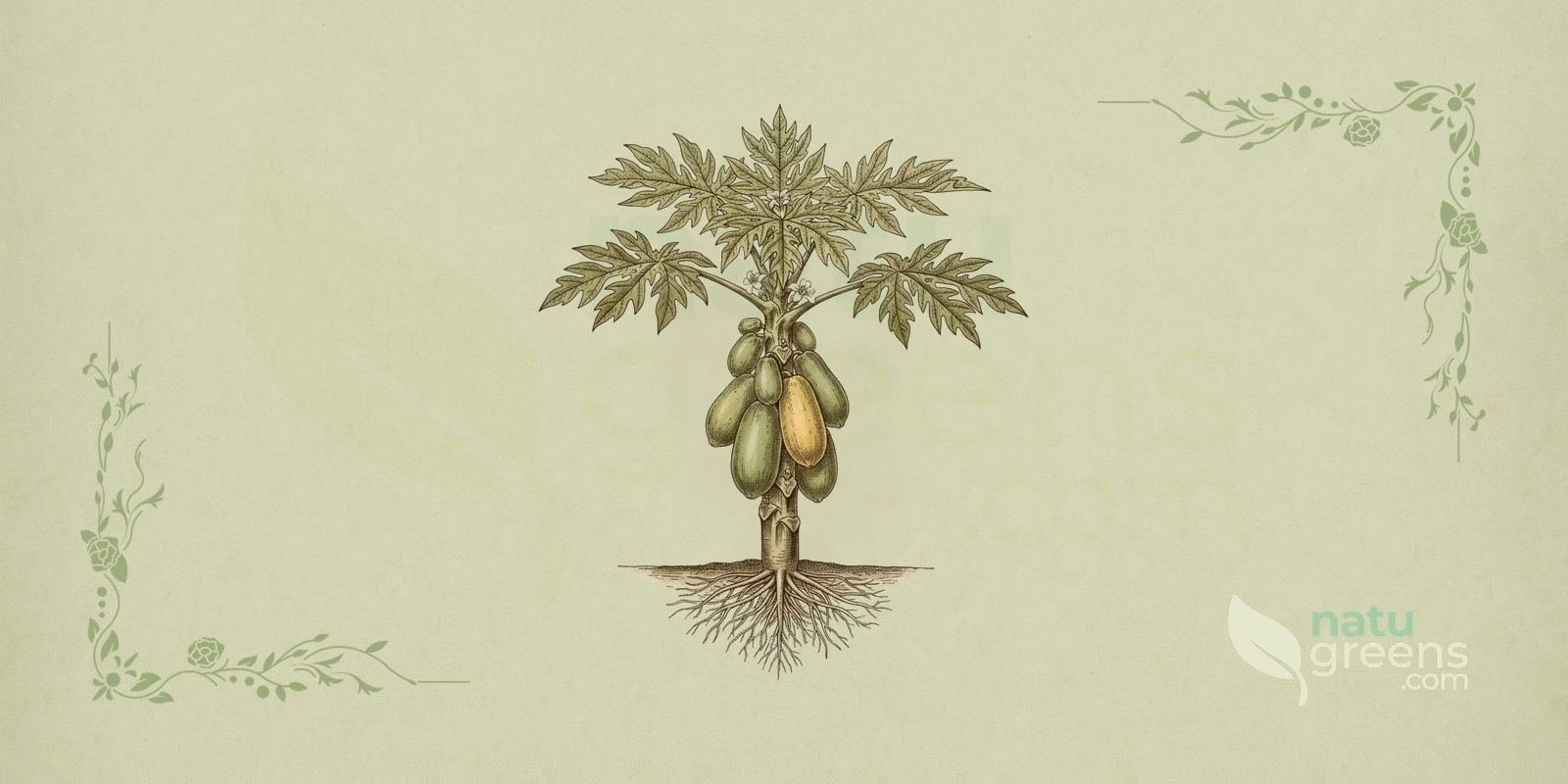
The papaya tree stands out for its rapid growth and for producing fruit almost continuously throughout the year. Its large palmate leaves, like the fruit, contain bioactive compounds such as the enzyme papain, vitamins, minerals and antioxidants. Modern scientific research has been investigating many of these traditional uses and has already confirmed the nutritional value of the fruit. Most of the medicinal effects attributed to the plant, however, still rest on laboratory and animal studies, which calls for caution before turning tradition into health advice.
Popular and International Names of Papaya
Because it is grown on several continents, papaya has acquired a name of its own in each language. Some of these names distinguish the tree from the fruit, as with mamoeiro and mamão in Portuguese or papayer and papaye in French. In North American English, pawpaw also refers to a different plant, Asimina triloba, so sources that use this name call for careful reading.
- English: papaw, papaya, pawpaw.
- French: papaye, papayer.
- German: Melonenbaum, Papaya.
- Italian: carica, papaia.
- Portuguese: mamão, mamoeiro, papaia; papaeira (Portugal).
- Spanish: fruta bomba (Cuba), lechosa, papaya, papayón.
Botanical Synonyms of Carica papaya
The accepted scientific name for papaya is Carica papaya L., published by Linnaeus, but over the history of botany the species has received several other names, now treated as synonyms. These names reflect the classifications and observations made by botanists from different periods and regions, and knowing them is essential for identifying the species accurately in scientific studies, herbaria and older works. The genus Papaya Mill., used in some of these names, is itself now considered a synonym of Carica.
- Carica bourgeaei Solms
- Carica citriformis J.Jacq. ex Spreng.
- Carica cubensis Solms
- Carica hermaphrodita Blanco
- Papaya carica Gaertn.
- Papaya cimarrona Sint. ex Kuntze
- Papaya citriformis (Jacq.) A. DC.
- Papaya communis Noronha
- Papaya edulis var. pyriformis Bojer
Botanical Family: Caricaceae
Carica papaya belongs to the Caricaceae family, which comprises six genera and about 34 species of trees and shrubs. These plants occur mainly in the tropical regions of Central and South America, with a few species native to Africa, and are characterized by latex in their tissues and by fruits that are usually large and fleshy. Among them, papaya is the best-known species, both for its economic importance and for its traditional medicinal use.
Parts of Papaya Used
Traditional medicine makes use of different parts of the papaya tree, each with its own uses and precautions. The ripe fruit is an everyday food, whereas the unripe fruit, the seeds and the latex call for special care, particularly during pregnancy.
- Fruits (ripe and unripe)
- Latex (from the unripe fruit)
- Leaves (fresh and dried)
- Seeds
Ethnobotanical and Traditional Uses
The uses listed below come from folk medicine records across different tropical regions and are not proven indications, so none of them replaces medical assessment or conventional treatment.
- Anthelmintic (traditionally recorded for expelling intestinal worms, especially with the seeds)
- Anti-inflammatory
- Antiseptic
- Asthma (smoked leaves, a traditional practice that is not recommended, since smoke irritates the airways)
- Bacterial infections
- Constipation
- Contraceptive and abortifacient (traditional record linked to the unripe fruit and the seeds; a dangerous use, see Contraindications)
- Dengue (leaf tea or juice during fever; does not replace medical care)
- Diabetes (traditional record; does not replace medication)
- Digestive disorders (dyspepsia, flatulence, indigestion)
- Fever (especially as leaf tea or juice)
- Gastrointestinal problems (ulcers, worm infestations)
- General tonic (weakness)
- Hypertension
- Malaria (traditional record; does not replace antimalarial treatment)
- Menstrual cramp relief
- Reproductive stimulant (traditional record)
- Skin conditions (corns and warts)
- Stomach pain
- Wound healing (traditional topical use)
Therapeutic Properties of Papaya
The properties below have been described mainly in laboratory and animal studies, almost always with leaf, fruit or seed extracts at concentrations very different from those obtained by eating the fruit. Clinical trials in humans, for their part, remain scarce.
- Antibacterial (activity observed in laboratory studies)
- Anti-inflammatory (effect described in preclinical studies with leaf extracts)
- Antioxidant (action on free radicals in laboratory and animal studies)
- Antiproliferative (activity observed in laboratory studies, without clinical confirmation)
- Antiviral (activity investigated in preliminary studies)
- Cardioprotective (effect suggested in animal studies)
- Digestive (papain is an enzyme that breaks down proteins)
- Hypocholesterolemic (cholesterol reduction observed in preliminary studies)
- Hypoglycemic (blood glucose reduction observed in animal models; does not replace medication)
- Immunomodulatory (effects on the immune system investigated in preliminary studies)
- Neuroprotective (effect investigated in experimental models)
- Wound healing (traditional topical use investigated in preliminary studies)
Detailed Phytochemical Profile of Papaya
The chemical composition of the papaya tree varies considerably between plant parts and with the ripening stage of the fruit. The latex of the unripe fruit is rich in the proteolytic enzymes papain and chymopapain. The ripe flesh, by contrast, contains carotenoids such as beta-carotene and lycopene, whose proportions differ between peel and flesh and between yellow- and red-fleshed varieties. Researchers have also tracked benzyl glucosinolate and its derivative, benzyl isothiocyanate, throughout fruit development and ripening, and have identified cyanogenic glycosides, such as prunasin, in plant tissues.
- Alkaloids (carpaine, in the leaves)
- Benzyl glucosinolate
- Benzyl isothiocyanate
- Beta-carotene
- Carotenoids
- Cyanogenic glycosides (prunasin)
- Enzymes (chymopapain, papain)
- Flavonoids
- Lutein
- Lycopene
- Minerals (calcium, iron, magnesium, manganese, potassium, zinc)
- Phenolic compounds
- Saponins
- Tannins
- Vitamins (A, C, E)
Preparation and Administration Forms of Papaya
The ripe fruit is eaten as food, either fresh or in juices and desserts, while traditional medicinal preparations rely mainly on the leaves, taken orally or applied externally. Extracts, tinctures and other concentrated forms should be used only under the guidance of a healthcare professional, who can assess the appropriate concentration and duration of use for each person.
- Compresses (with the infusion)
- Cream (with extracts)
- Dry extract
- Fluid extract
- Juice (leaves)
- Poultice (leaves, unripe fruit)
- Ripe fruit (as food)
- Tea or infusion (fresh or dried leaves)
- Tincture (leaves)
Synergy with Other Medicinal Plants
Digestive Health
The combination of papaya (Carica papaya) with ginger (Zingiber officinale) and peppermint (Mentha × piperita) is traditionally used for digestive discomfort such as indigestion, flatulence and nausea. In this pairing, the papain in the fruit takes part in breaking down proteins, while ginger and peppermint are known in tradition for their carminative and antispasmodic properties, which explains their joint use in folk records aimed at gastrointestinal comfort.
Immune Support
During cold and flu season, traditional records pair papaya with echinacea (Echinacea purpurea) and elderberry (Sambucus nigra). The combination brings together the vitamins and antioxidants of the fruit and the compounds of these two plants, which are being studied for their possible action on the immune system. This combination does not replace vaccines or medical care, and people with autoimmune diseases or taking immunosuppressants should consult a healthcare professional before using echinacea.
Anti-Inflammatory Action
Pairing papaya with turmeric (Curcuma longa) or ginger (Zingiber officinale) appears in traditional records related to joint and muscle pain and to chronic inflammatory conditions. Here, the papain and antioxidants of papaya add to the curcumin in turmeric and the gingerols in ginger, compounds investigated for their anti-inflammatory action in experimental studies. Because ginger and turmeric can also interfere with blood clotting, people taking anticoagulants should avoid the combination without professional guidance.
Recipes and Usage Protocols of Papaya
The recipes below describe traditional preparations and should be avoided by pregnant women, and quantities need to be set with a healthcare professional, since papaya leaves and seeds have no doses established by clinical studies.
Papaya Leaf Tea (Infusion)
Ingredients: a small portion of fresh papaya leaf, chopped, or of dried leaf, and water.
Preparation: wash the fresh leaf thoroughly or use the dried leaf, bring the water to a boil, turn off the heat and add the leaf, leaving it to steep covered for 10 to 15 minutes for fresh leaf or 5 to 10 minutes for dried leaf, then strain and drink warm. The tea can be sweetened with honey or given a few drops of lemon, if desired. The amount of leaf, frequency and duration of use should be set with a healthcare professional, because papaya leaves vary greatly in size, which makes household measures unreliable.
Traditional use: the tea is traditionally used for digestive discomfort and during fever.
Papaya Leaf Juice
Ingredients: fresh papaya leaf, in an amount advised by a healthcare professional, and a little water.
Preparation: wash and chop the fresh leaf, blend it with the water until smooth, strain and drink immediately. In some cultures, this juice is traditionally used for fever, including dengue, a situation in which medical follow-up is essential, because the disease can develop warning signs that require immediate care.
Papaya Seeds (Culinary and Traditional Use)
Ingredients: fresh or dried papaya seeds.
Preparation: the seeds can be chewed fresh, or dried and ground to season salads, smoothies and other foods, always in small amounts, since they have a peppery taste and, in large quantities, may have a laxative effect or cause gastrointestinal discomfort. Tradition uses them as a vermifuge and digestive aid, but medicinal use should be guided by a healthcare professional, and the seeds are contraindicated during pregnancy.
Green Papaya Poultice
Ingredients: grated flesh of green (unripe) papaya.
Preparation: grate the flesh of a green papaya and apply it to insect bites, small superficial wounds or inflamed areas of skin, cover with clean gauze and leave on for 20 to 30 minutes. Tradition credits the papain in the unripe fruit with a role in cleansing wounds and easing local inflammation, but the latex can irritate the skin and trigger allergic reactions, so it is advisable to test it first on a small area and to avoid using it on deep or infected wounds and in people allergic to latex.
The preparations above follow traditional records and do not replace professional guidance. Before any internal use, check the contraindications and interactions described in this article.
Associated Therapies
Homeopathy
In homeopathy, Carica papaya is available as a mother tincture and as potentized dilutions, such as 30C, which homeopathic tradition uses for digestive complaints such as indigestion and dyspepsia and for liver-related disorders. According to manufacturers of homeopathic preparations, the tincture is made from the milky juice of the unripe fruit, which is rich in papain. There is no clinical evidence of efficacy for these uses, and persistent symptoms, such as unexplained weight loss, require medical investigation before any complementary approach. The choice of potency and dosage rests with a qualified homeopathic practitioner.
Nutrition and Digestive Enzymes
Papain extracted from the latex of the unripe fruit is used by the food industry as a meat tenderizer and is found in digestive enzyme supplements, which should be taken under professional guidance, especially by people allergic to latex, papaya or papain itself. In nutrition, the ripe fruit is valued as a source of carotenoids, vitamin C and fiber within a varied diet.
Contraindications and Side Effects of Papaya
Pregnancy, Unripe Fruit, Seeds and Latex
The ripe fruit of the papaya tree is a common and safe food, but the unripe (green) fruit, the seeds and the latex contain compounds with a uterotonic effect traditionally associated with a risk of miscarriage and premature labor. For this reason, green papaya, seeds and latex are contraindicated during pregnancy, because of their traditional use as an abortifacient and their papain content at concentrations that can stimulate uterine contractions, whereas the ripe fruit in usual dietary amounts does not carry this risk. A study in a rat model concluded that latex, present in high concentration in unripe and semi-ripe fruit, causes marked uterine contractions, while eating ripe fruit showed no significant risk. Leaf teas, juices and extracts should also be avoided during pregnancy and breastfeeding, as should medicinal use in children, owing to the lack of safety data.
Allergies and General Contraindications
Papaya (Carica papaya) is contraindicated for people with a known allergy to the plant or to any of its components, such as papain. Reactions may include contact dermatitis, hives and, in rare cases, anaphylaxis. The latex can also cause allergic contact reactions in people sensitive to natural rubber latex (cross-allergy), so anyone allergic to gloves or other natural rubber products should take extra care with the fruit and, above all, with the latex.
People with bleeding disorders or taking anticoagulants should be cautious, as medicinal papaya preparations may enhance the effect of these drugs. Anyone with liver disease or diabetes should use medicinal papaya products only under medical supervision, since the plant may interact with medications and alter blood glucose levels.
Common Side Effects
Side effects of papaya are usually mild and infrequent and may include gastrointestinal discomfort such as nausea, vomiting, diarrhea or stomach irritation, especially when leaves or extracts are consumed in high doses. Large amounts of seeds may have a laxative or gastrointestinal effect, and topical application of the latex or extracts can cause skin irritation or allergic reactions in sensitive people.
Drug Interactions
Papaya may interact with anticoagulants such as warfarin, increasing the risk of bleeding. Experimental studies also suggest that extracts of the plant influence the metabolism of other drugs through the cytochrome P450 system. People taking hypoglycemic agents, the medications used for diabetes, need to monitor their blood glucose closely, given the possible effect of medicinal preparations on blood sugar. Before using papaya for medicinal purposes, especially alongside other medications, consult a healthcare professional.
Historical Notes and Interesting Facts
Columbus and the Fruit of the Angels
Christopher Columbus is said to have nicknamed papaya the “fruit of the angels” after tasting it for the first time, because of its sweet flavor and soft texture, although the exact origin of the phrase is uncertain. True or not, the story helped spread the favorable impression the fruit made on European explorers.
First Transgenic Fruit Tree with a Sequenced Genome
Carica papaya was the first transgenic fruit tree to have its genome sequenced, in work published in 2008 using the ‘SunUp’ variety. The genetic modification was developed in response to the devastation caused by papaya ringspot virus (PRSV) in Hawaii in the 1990s, when resistant varieties such as ‘SunUp’ and ‘Rainbow’ were approved for cultivation and helped save the region’s papaya production.
Ancient Use in Cooking and Medicine
The Indigenous peoples of Mesoamerica have used papaya for centuries, both as food and in traditional medicine. The unripe fruit and its latex, rich in papain, were used to tenderize meat and in home remedies for a variety of ailments, a practice that persists in many cultures to this day.
Sex Diversity in Papaya Plants
Papaya plants can be one of three sexes: male, producing only pollen; female, usually bearing fruit when pollinated; and hermaphrodite, with flowers that combine male and female organs and can self-pollinate. Most commercial plantations use hermaphrodite plants precisely to ensure fruit production without depending on male plants being present.
Frequently Asked Questions about Papaya
Is Papaya Leaf Tea Safe for Everyone?
Available records mainly describe mild effects in adults, such as gastrointestinal discomfort. Even so, the tea is not suitable for everyone: pregnant and breastfeeding women, children, people allergic to papaya, papain or latex, and those taking anticoagulants or hypoglycemic drugs should avoid the tea or consult a doctor before using it. Professional guidance is also recommended for people with liver disease.
What Are the Traditional Uses of Papaya Leaf Tea?
Papaya leaf tea is traditionally used for digestive discomfort and during fever. Laboratory studies are investigating its possible anti-inflammatory, antioxidant and immunomodulatory actions. In some cultures, it is also used in cases of dengue, with the aim of raising platelet counts, a use that still requires further research and never replaces medical follow-up.
How Is Papaya Leaf Tea Prepared?
In the traditional method, the well-washed and chopped fresh leaf, or the dried leaf, is placed in freshly boiled water and left to steep covered for 10 to 15 minutes for fresh leaf, or 5 to 10 minutes for dried leaf, before being strained and drunk warm. Because leaves vary greatly in size and no dose has been established, the amount and frequency of use should be set with a healthcare professional.
Can Papaya Leaf Tea Help with Dengue?
Papaya leaf tea and juice are traditionally used in some regions to relieve dengue symptoms. A clinical trial published in 2013 observed a faster rise in platelet count in patients who received leaf juice. Even so, there is no conclusive evidence of its efficacy as a treatment, and dengue always requires medical assessment, since it can progress to severe forms.
Can Pregnant Women Eat Papaya?
Ripe fruit, in usual dietary amounts, is part of an ordinary diet and does not carry the risk associated with papaya during pregnancy. Green papaya, the seeds and the latex, however, are contraindicated during pregnancy, because of their traditional use as an abortifacient and their papain content at concentrations that can stimulate uterine contractions, and leaf teas and juices should also be avoided during this period.
Can People with a Latex Allergy Eat Papaya?
People sensitive to natural latex need to be cautious, because the latex of the papaya tree can cause allergic contact reactions through cross-allergy, and some of them also react to the fruit. Anyone with a history of allergy to latex, papaya or papain should talk to an allergist before eating the fruit or using any preparation of the plant.
Notice: this content is for informational purposes and does not replace professional medical advice. Consult a physician or herbal practitioner before using medicinal plants, especially during pregnancy, breastfeeding, or alongside medication.
References and Scientific Studies
View All 16 Cited References
Peer-Reviewed Scientific Studies (10)
- PMC2002 Adebiyi A, et al. Papaya (Carica papaya) consumption is unsafe in pregnancy: fact or fable? Scientific evaluation of a common belief in some parts of Asia using a rat model. Br J Nutr. 2002.
- PMC2021 Kong YR, et al. Beneficial Role of Carica papaya Extracts and Phytochemicals on Oxidative Stress and Related Diseases: A Mini Review. Biology (Basel). 2021.
- PMC2021 Lim XY, et al. Carica papaya L. Leaf: A Systematic Scoping Review on Biological Safety and Herb-Drug Interactions. Evid Based Complement Alternat Med. 2021.
- PMC2008 Ming R, et al. The draft genome of the transgenic tropical fruit tree papaya (Carica papaya Linnaeus). Nature. 2008.
- PMC2010 Rivera-Pastrana DM, et al. Phenolic and carotenoid profiles of papaya fruit (Carica papaya L.) and their contents under low temperature storage. J Sci Food Agric. 2010.
- PMC2008 Rossetto MR, et al. Benzylglucosinolate, benzylisothiocyanate, and myrosinase activity in papaya fruit during development and ripening. J Agric Food Chem. 2008.
- PMC2022 Roy JR, et al. Carica papaya Reduces Muscle Insulin Resistance via IR/GLUT4 Mediated Signaling Mechanisms in High Fat Diet and Streptozotocin-Induced Type-2 Diabetic Rats. Antioxidants (Basel). 2022.
- PMC2002 Seigler DS, et al. Cyanogenic allosides and glucosides from Passiflora edulis and Carica papaya. Phytochemistry. 2002.
- PMC2019 Shen YH, et al. Exploring the differential mechanisms of carotenoid biosynthesis in the yellow peel and red flesh of papaya. BMC Genomics. 2019.
- PMC2013 Subenthiran S, et al. Carica papaya Leaves Juice Significantly Accelerates the Rate of Increase in Platelet Count among Patients with Dengue Fever and Dengue Haemorrhagic Fever. Evid Based Complement Alternat Med. 2013.
Supplementary Readings (6)
- 2017 Chávez-Pesqueira M, Núñez-Farfán J. Domestication and Genetics of Papaya: A Review. Frontiers in Ecology and Evolution. 2017.
- 2007 Heywood VH, et al. Flowering Plant Families of the World. Firefly Books. 2007.
- 2016 Mishra R, Gaur RK, Patil BL. Current Knowledge of Viruses Infecting Papaya and Their Transgenic Management. In: Plant Viruses: Evolution and Management. Springer. 2016.
- 1987 Morton JF. Papaya. In: Fruits of Warm Climates. Purdue University, Center for New Crops and Plant Products. 1987.
- 2010 Ronse De Craene L. Floral Diagrams: An Aid to Understanding Flower Morphology and Evolution. Cambridge University Press. 2010.
- 2011 Siar SV, et al. Papaya ringspot virus resistance in Carica papaya via introgression from Vasconcellea quercifolia. Euphytica. 2011.