Quick summary
Citrus × sinensis (L.) Osbeck, commonly called sweet orange or simply orange, is an evergreen fruit tree of the Rutaceae family that arose from a cross between the pomelo (Citrus maxima) and the mandarin (Citrus reticulata), and it has been domesticated and cultivated for millennia. Native to Asia, more precisely…
Main caution: As a food, sweet orange is safe for the vast majority of people, and the precautions focus on excessive juice consumption, concentrated peel preparations and, above all, the essential oil. Pregnant and breastfeeding…
Citrus × sinensis (L.) Osbeck, commonly called sweet orange or simply orange, is an evergreen fruit tree of the Rutaceae family that arose from a cross between the pomelo (Citrus maxima) and the mandarin (Citrus reticulata), and it has been domesticated and cultivated for millennia. Native to Asia, more precisely southern China, northeastern India and Myanmar, it has become one of the most widely grown fruits on the planet, valued both for its fruit and for the traditional use of its other parts.
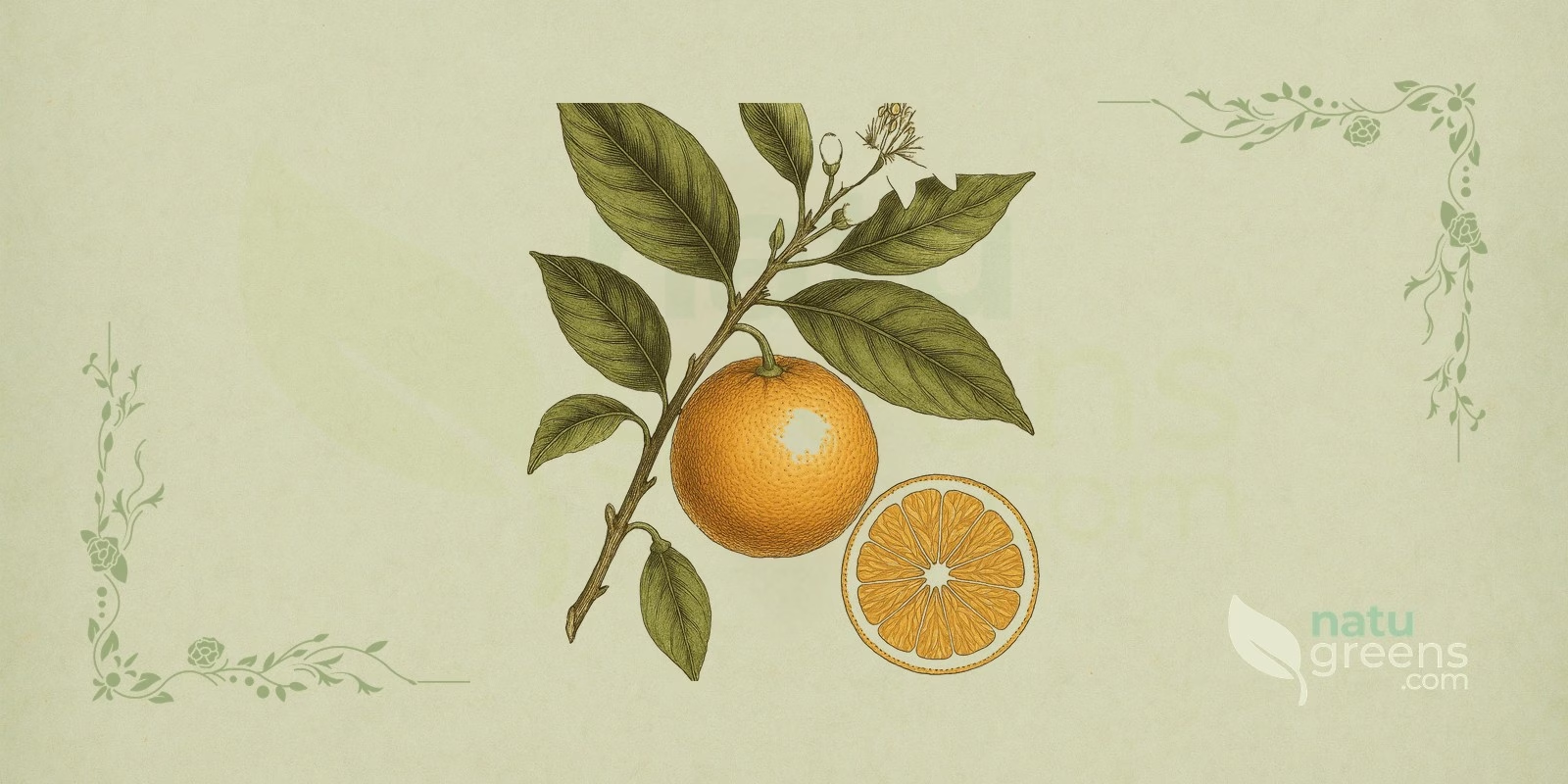
In folk medicine, the peel, leaves, flowers and the fruit itself appear in home preparations linked to digestive comfort and relaxation, while current scientific research focuses mainly on its flavonoids, its carotenoids and the essential oil of the peel. Many of these uses still rest only on tradition or on preliminary studies, so this profile carefully separates what comes from tradition, what comes from the laboratory and what has already been tested in people.
Popular and International Names of Sweet Orange
- English: navel orange, orange, sweet orange.
- French: orange douce, oranger.
- German: Apfelsine, Orangenbaum, Süßorange.
- Italian: arancia, arancia dolce, arancio.
- Portuguese: laranja, laranja-doce, laranjeira; in Brazil, names such as laranja-baía, laranja-lima, laranja-moro and laranja-pera refer to cultivars of the same species, not to different species.
- Spanish: naranja, naranja dulce, naranjo.
Botanical Synonyms of Citrus × sinensis
- Citrus aurantium var. sinensis L. (basionym, the original name given by Linnaeus)
- Citrus × aurantium L., sweet orange group (treatment adopted by databases such as WFO and GBIF)
- Citrus sinensis (L.) Osbeck (spelling without the hybrid sign)
The taxonomy of sweet orange is complex because of its hybrid origin and the enormous number of cultivars, and the name Citrus × sinensis (L.) Osbeck remains the most widely used in agronomic and pharmacological literature, which is why we adopt it here as the main name, with the hybrid sign, as for the other Citrus on this site. Current taxonomic databases such as World Flora Online and GBIF treat this name as a synonym within Citrus × aurantium L., grouping the sweet oranges into a cultivar group of that collective species.
This formal treatment does not erase the practical differences between sweet orange and bitter orange (Citrus × aurantium in the strict sense), which is also a hybrid of pomelo and mandarin but arose from a different crossing event. The medicinal orange blossom, neroli oil, orange flower water and the bitter peel described in pharmacopoeias, such as the Aurantii flos herbal substance of the European Medicines Agency (EMA), come from bitter orange, and the data in those monographs should not be transferred to sweet orange.
Botanical Family: Rutaceae
Sweet orange belongs to the Rutaceae family, a diverse group of flowering plants that includes many aromatic and fruit-bearing species, characterized by oil glands in the leaves and in the rind of the fruit, which account for the familiar citrus scents. The Rutaceae are widely distributed across tropical and subtropical regions, with a notable concentration of species in Asia and Australia.
Within the family, the genus Citrus is by far the best known, since it includes lemons, limes, grapefruits and mandarins as well as oranges, and its economic and cultural importance is immense, as it supplies food, essential oils and raw materials for traditional medicine in practically every part of the world. The chemical diversity of these plants explains the range of applications they have received throughout history.
Parts of Sweet Orange Used
- Flowers
- Fruit (pulp and juice)
- Fruit peel
- Leaves
Ethnobotanical and Traditional Uses
- Domestic use as a mild calming drink before bed (flowers and leaves).
- Folk use in states of anxiety and nervousness.
- Folk use in constipation, cramps, diarrhea, bronchitis, cough and colds.
- Food use (fresh fruit, juices, compotes, sweets and liqueurs).
- Recent clinical studies with Moro orange extract in weight management, with no established traditional use for this purpose.
- Traditional relief of digestive discomfort, such as gas and a feeling of heaviness in the stomach (peel).
Therapeutic Properties of Sweet Orange
- Anthelmintic (traditional record against intestinal parasites, without clinical proof)
- Antibacterial (activity observed in laboratory studies with peel extracts and oil)
- Antifungal (activity observed in laboratory studies)
- Anti-inflammatory (effect observed in experimental studies with flavonoids such as hesperidin)
- Antioxidant (attributed to the vitamin C, flavonoids and carotenoids of the fruit)
- Anxiolytic (traditional record and preliminary studies with the scent of the essential oil)
- Cardioprotective (hypothesis investigated in preliminary studies with citrus flavonoids)
- Carminative (traditional record in the relief of intestinal gas)
- Digestive (traditional record of peel tea after meals)
- Eupeptic (traditional record as a digestive aid)
- Expectorant (folk record in cough and bronchitis)
- Lipid metabolism modulator (effect investigated in studies with Moro orange extract, with modest results)
- Mild sedative (traditional record for the flowers and leaves)
- Spasmolytic (traditional record in the relief of mild cramps)
- Venotonic (attributed to hesperidin, a component of some preparations for venous circulation)
Detailed Phytochemical Profile of Sweet Orange
- Anthocyanins (mainly in blood oranges such as Moro, responsible for the red color of the flesh)
- Carotenoids (carotenes and xanthophylls, which give the fruit its color and have antioxidant action)
- D-limonene (main component of the peel essential oil)
- Flavonoids (hesperidin and others, studied for their antioxidant and anti-inflammatory activities)
- Organic acids (citric, isocitric and malic)
- Polyphenols (hydroxycinnamic acid derivatives, with antioxidant action)
- Vitamins (A, B1, B3, B6 and C)
- Volatile aromatic compounds (alcohols, esters, hydrocarbons, ketones and lactones, which form the characteristic aroma)
Preparation and Administration Forms of Sweet Orange
- Capsules (standardized dry extracts, such as Moro orange extract)
- Decoctions (mainly with the peel)
- Essential oil (obtained by cold expression of the peel, only for aromatic use or diluted topical use, never for ingestion)
- Fluid extracts
- Juices and culinary preparations
- Teas and infusions (with flowers, leaves or peel)
- Tinctures
For teas and decoctions of the peel, the recommendation is to use only organic or very well washed fruit, because commercial peel may carry pesticide residues and the wax applied to make the fruit shine. It is also worth remembering that the orange blossom sold as a medicinal plant, neroli and orange flower water come from bitter orange (Citrus × aurantium), so a tea made at home with sweet orange blossoms is a traditional domestic use, without the official monographs that support the bitter species.
Synergy with Other Medicinal Plants
Anxiety and Insomnia
In herbal tradition, sweet orange flowers and leaves are often combined with valerian (Valeriana officinalis) and passionflower (Passiflora incarnata) in evening infusions, traditionally used to encourage relaxation and the onset of sleep. Orange enters these blends mainly for its aroma and mild flavor, while the other two plants account for most of the studies on anxiety, and the combination should not replace professional follow-up of persistent stress or insomnia.
Digestive Complaints
Sweet orange peel, rich in d-limonene, appears in traditional records alongside peppermint (Mentha × piperita) and ginger (Zingiber officinale) in teas taken after meals, traditionally used to ease indigestion, gas and mild nausea. In this folk use, the carminative action attributed to the peel adds to the digestive properties of the other two plants, although this specific combination has not been tested in clinical trials.
Recipes and Usage Protocols of Sweet Orange
Homemade Sweet Orange Blossom Infusion
A homemade preparation traditionally drunk in the evening as a relaxing beverage, made with blossoms from your own backyard sweet orange tree rather than with the orange blossom sold in pharmacies, which comes from bitter orange.
Ingredients: 1 teaspoon of fresh or dried sweet orange blossoms, picked from an unsprayed tree, and 200 ml of boiling water.
Preparation: place the blossoms in a cup, pour the boiling water over them, cover and let steep for 5 to 7 minutes before straining. In domestic tradition, the drink is taken warm, before going to bed or in moments of tension, as part of a calm end-of-day routine.
Digestive Sweet Orange Peel Tea
A homemade decoction traditionally used after heavy meals, making use of peel that would normally be thrown away, provided it comes from organic or well washed fruit.
Ingredients: 1 tablespoon of dried, chopped sweet orange peel, only the orange part and from organic or well washed fruit, and 250 ml of water.
Preparation: put the water and peel on the heat and, as soon as it boils, lower the flame and simmer for 10 minutes before straining. In folk tradition, the tea is taken after meals to relieve flatulence and the feeling of heaviness in the stomach, an effect attributed to the aromatic oils of the peel.
Moro Orange Extract in Weight Studies
Standardized dry extract of Moro orange, a blood orange of Citrus × sinensis, is sold in capsules and has been evaluated in a few small clinical trials as an adjunct in weight management, with modest results that still depend on larger, independent studies.
Ingredients: standardized dry Moro orange extract, in capsules from a reliable source.
How to use: the dose varies with the product and its standardization in anthocyanins, so consult a health professional before use and to define the amount and duration of use. The extract does not replace a balanced diet and physical activity, and interest in it rests on the hypothesis that anthocyanins influence fat metabolism.
The preparations above follow traditional records and do not replace professional guidance. Before any internal use, check the contraindications and interactions described in this article.
Associated Therapies
Aromatherapy
The essential oil obtained by cold expression of sweet orange peel is one of the most popular in aromatherapy, where it is associated with feelings of lightness and well-being and used in diffusers to make a room feel more welcoming in moments of stress and anxiety. For use on the skin, it should always be diluted in a vegetable oil, as in massage, and never ingested, since the limonene in the oil, especially when oxidized by age and exposure to air, can sensitize the skin.
Herbal Medicine
In herbal medicine, sweet orange appears in formulations traditionally used for dyspepsia, mild insomnia and nervousness, and standardized extracts aim to ensure stable concentrations of flavonoids and other compounds of interest. Modern practice seeks to integrate this traditional knowledge with the available evidence, which in the case of sweet orange is still largely preliminary and comes from laboratory studies.
Homeopathy
Although less common than other plants in this field, sweet orange may appear in homeopathic preparations recommended by practitioners for digestive and nervous symptoms. Homeopathy is based on the principle of using minimal doses of substances that, in larger amounts, would cause symptoms similar to those of the complaint, and the choice of remedy is always individualized by the practitioner following the case.
Contraindications and Side Effects of Sweet Orange
As a food, sweet orange is safe for the vast majority of people, and the precautions focus on excessive juice consumption, concentrated peel preparations and, above all, the essential oil. Pregnant and breastfeeding women and children can eat the fruit normally as food, but concentrated extracts, capsules and essential oil during these stages call for guidance from a health professional.
Drug Interactions
The strong interaction with cytochrome CYP3A4 is characteristic of grapefruit (Citrus × paradisi) and bitter orange (Citrus × aurantium), not of sweet orange, whose juice does not contain furanocoumarins in relevant amounts. Even so, in studies sweet orange juice reduced the absorption of some drugs, such as atenolol, fexofenadine and alendronate, by interfering with OATP-type intestinal transporters or through chelation, which is why the advice is to take medicines with water, not with juice.
People on long-term anticoagulants, immunosuppressants or heart medications should talk to their doctor or pharmacist before using concentrated extracts of the plant. Anyone taking sedatives, anxiolytics or antidepressants should also seek advice before combining sweet orange with valerian or passionflower in calming blends, and people using blood sugar-lowering drugs need to take the sugar in the juice into account when managing their glucose levels.
Essential Oil and Peel
The limonene in the peel and in the cold-pressed essential oil is a sensitizer, especially when oxidized, so the oil should only be used topically and diluted, never ingested, and direct, repeated contact with the peel can cause contact dermatitis in sensitive people. Unlike bergamot and lime, sweet orange essential oil is not significantly phototoxic, which does not remove the need for dilution and a prior patch test on a small area of skin. Commercial peel may contain pesticide residues and wax, and only peel from organic or well washed fruit should go into teas and other preparations.
Acidity, Reflux and Teeth
Because of its acidity, frequent consumption of orange juice or concentrated preparations can promote dental enamel erosion and worsen heartburn and gastroesophageal reflux in predisposed people. In these cases, it is advisable to moderate consumption, avoid brushing your teeth right after drinking the juice and prefer less acidic preparations, such as infusions of the flowers or leaves.
Kidney Disease, Diabetes and Allergies
Orange juice is rich in potassium, which calls for attention in people with advanced kidney disease who must restrict this mineral in their diet. In excess, the juice also concentrates a lot of sugar, an important point for people with diabetes, who are usually advised to prefer the whole fruit. Citrus allergy is rare but can cause skin rashes, itching or gastrointestinal discomfort, so it is worth starting with small amounts when trying a new preparation.
Historical Notes and Interesting Facts
Origin and Spread
Sweet orange is not a wild fruit but a hybrid that arose from the cross between pomelo and mandarin and was fixed through domestication in southern China, northeastern India and Myanmar, where it was first cultivated thousands of years ago. The first documented mention of the fruit in Chinese literature dates from 314 BC, which shows its long history of cultivation and the cultural importance it already held in antiquity.
The Orange Around the World
In 1987, orange trees were identified as the most cultivated fruit trees in the world, a reflection of their adaptability and economic value. The global spread of the fruit followed trade routes and colonization, which turned it into a staple food and an important source of vitamin C in many cultures, and today Brazil leads world orange production.
Varieties and Classification
Sweet oranges are usually divided into four groups with their own characteristics: common oranges, blood or pigmented oranges such as Moro, navel oranges such as Bahia, and acidless oranges, the group that includes the Brazilian lima orange. Each group offers different profiles of flavor, color and use, which explains the enormous variety of products derived from the fruit.
Frequently Asked Questions about Sweet Orange
Does Sweet Orange Tea Help You Sleep?
Tea made with sweet orange flowers and leaves is traditionally used as a calming drink before bed, and many people include it in an evening relaxation routine. No clinical studies prove an effect on insomnia, and persistent difficulty sleeping or intense anxiety calls for evaluation by a health professional, since the tea is no substitute for treatment.
What Are the Traditional Uses of Orange Peel Tea for Digestion?
In folk tradition, sweet orange peel tea is taken after meals to relieve gas, mild cramps and a bloated feeling, an effect attributed to d-limonene and the other aromatic oils of the peel. This use has a traditional basis, and the peel should come from organic or very well washed fruit to avoid pesticide residues and wax.
Does Sweet Orange Have Contraindications?
As a food, sweet orange is safe for most people, but its acidity can worsen reflux and wear down tooth enamel, and the potassium in the juice requires attention in advanced kidney disease. Too much juice weighs on blood sugar control in people with diabetes, and the essential oil should never be ingested, as it contains sensitizing limonene.
Can I Take Medicines with Orange Juice?
Ideally, medicines should be taken with water, not juice. Although sweet orange lacks the strong CYP3A4 interaction typical of grapefruit and bitter orange, studies have shown that the juice reduced the absorption of drugs such as atenolol, fexofenadine and alendronate, by interfering with intestinal transporters or through chelation.
Does Pharmacy Orange Blossom Come from Sweet Orange?
No. Medicinal orange blossom, neroli oil, orange flower water and the bitter peel of pharmacopoeias come from bitter orange (Citrus × aurantium), and the information in those monographs does not apply to sweet orange. Tea made with sweet orange blossoms is a traditional domestic use, without that same official backing.
What Is the Difference between Sweet Orange and Bitter Orange?
Both are hybrids of pomelo and mandarin, but they arose from different crossing events and have distinct flavors and uses, since sweet orange is eaten fresh or as juice, while bitter orange appears in marmalades, liqueurs and medicinal products in pharmacopoeias. Bitter orange also concentrates substances with more relevant drug interactions, so the two should not be treated as equivalent.
Notice: this content is for informational purposes and does not replace professional medical advice. Consult a physician or herbal practitioner before using medicinal plants, especially during pregnancy, breastfeeding, or alongside medication.
How to cite this article
NATUGREENS. Sweet Orange (Citrus × sinensis): Properties and Benefits. Natugreens, 4 Nov. 2026. Disponível em: https://natugreens.com/citrus-sinensis-sweet-orange/. Accessed: Nov. 5, 2026.
Natugreens. (2026). Sweet Orange (Citrus × sinensis): Properties and Benefits. Natugreens. https://natugreens.com/citrus-sinensis-sweet-orange/
References and Scientific Studies
- PMC2022 Briskey D, et al. Effectiveness of "Moro" Blood Orange Citrus sinensis Osbeck (Rutaceae) Standardized Extract on Weight Loss in Overweight but Otherwise Healthy Men and Women: A Randomized Double-Blind Placebo-Controlled Study. Nutrients. 2022.
- PMC2026 Campos CM, et al. Effect of Moro orange juice extract supplementation in weight management in adults: A systematic review and meta-analysis. Nutr Health. 2026.
- PMC2015 Cardile V, et al. Clinical evaluation of Moro (Citrus sinensis (L.) Osbeck) orange juice supplementation for the weight management. Nat Prod Res. 2015.
- PMC2018 Chen M, et al. Food-drug interactions precipitated by fruit juices other than grapefruit juice: An update review. J Food Drug Anal. 2018.
- PMC2024 Takemura M, et al. Magnitude of Fruit Juice-Drug Interactions Due to Osmolality-Dependent Fluid Secretion: Differences among Apple, Orange, and Grapefruit Juices. Biol Pharm Bull. 2024.