Quick summary
Anyone who has bought a massage oil or an unscented body cream has probably used apricot kernel oil already, since it shows up in many formulas as Prunus Armeniaca Kernel Oil. For all its low profile, its story runs through the domestication of an Asian fruit and the chemistry of oils rich in oleic acid. It also runs…
Main caution: Apricot kernels, especially those from bitter varieties, contain amygdalin, which releases cyanide during digestion. Eating raw kernels is dangerous, and just a few can poison an adult. The apricot kernel oil used in…
Anyone who has bought a massage oil or an unscented body cream has probably used apricot kernel oil already, since it shows up in many formulas as Prunus Armeniaca Kernel Oil. For all its low profile, its story runs through the domestication of an Asian fruit and the chemistry of oils rich in oleic acid. It also runs through one of the best-known health frauds of the twentieth century. This guide sorts out what lab analysis confirms, what tradition records and what should never be done with the kernel.
What Is Apricot Kernel Oil
Apricot kernel oil is a fixed vegetable oil pressed from the seed of the apricot, the fruit of Prunus armeniaca L. The species belongs to the Rosaceae family, the same family as the almond and peach trees, and that kinship helps explain why the oils from their seeds are so alike. The raw material is neither the flesh nor the woody stone, but the pale seed tucked inside it, which the trade calls the apricot kernel. Because it is liquid at room temperature and made almost entirely of triglycerides (glycerol bound to three fatty acids), it counts as an oil rather than a butter or a wax. The English name apricot kernel oil appears often on imported labels, next to the INCI name. Manufacturers prize it for its light feel and nearly neutral scent, although cold-pressed versions made from bitter kernels can carry a faint note of marzipan.
Origin and History of the Plant
The Plant and Where It Grows
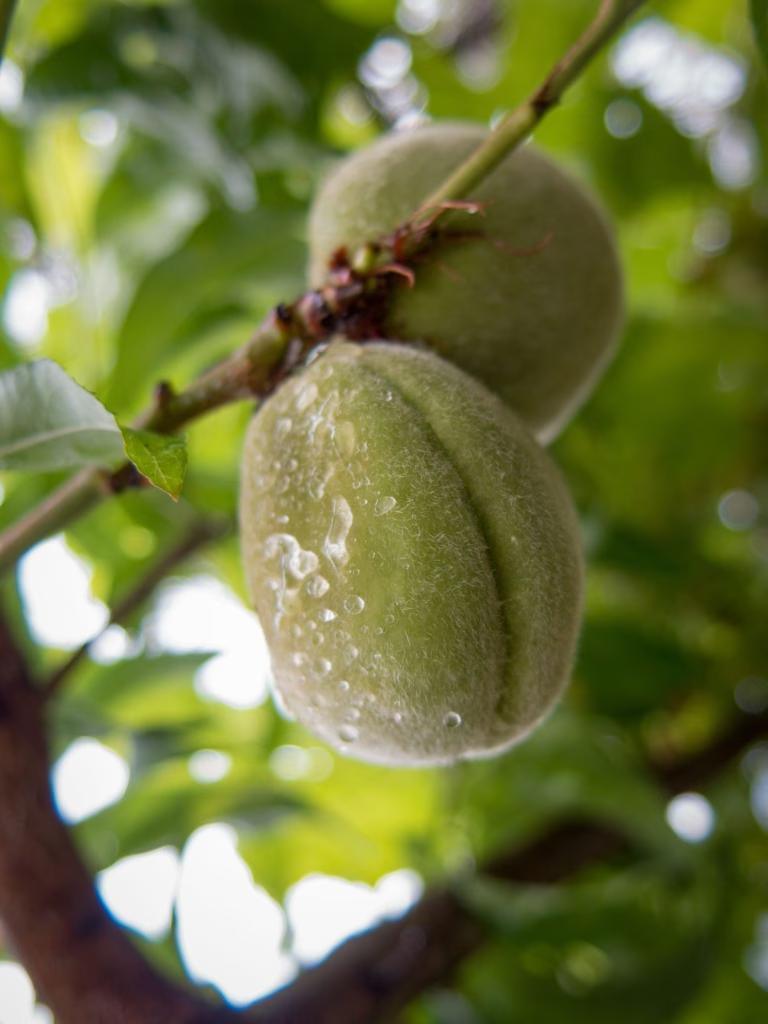
The apricot is a small to medium tree that needs winter chill to flower well. Its blossoms open early, while winter is still ending, so late frosts hurt it, and it does best where winters are cold and springs are dry. In 2021, a study in Nature Communications sequenced around 600 apricot genomes. The authors showed that European and Chinese apricots form two distinct genetic groups, domesticated independently from wild populations in Central Asia. Today Turkey ranks among the world's largest producers, and the Malatya region, famous for its dried apricots, also supplies a large share of the kernels. Many of those kernels are left over from the dried fruit industry, which explains why the oil is plentiful and cheap.
Historical Records
The epithet armeniaca comes from Latin and points to Armenia, the route by which the fruit reached the Greco-Roman world. The Romans, in other words, named after Armenia a plant that had originated much farther east. From there, cultivation spread around the Mediterranean and, centuries later, into central Europe. In the western Himalayas the seed took a different path, as mountain communities have pressed the kernels of wild apricots for household use for generations. In the Chinese pharmacopoeia, the traditional drug is the bitter seed itself rather than the oil, a point that matters for the safety section. Large-scale industrial use, however, is recent and has grown alongside the dried fruit and canning industries.
How Apricot Kernel Oil Is Extracted
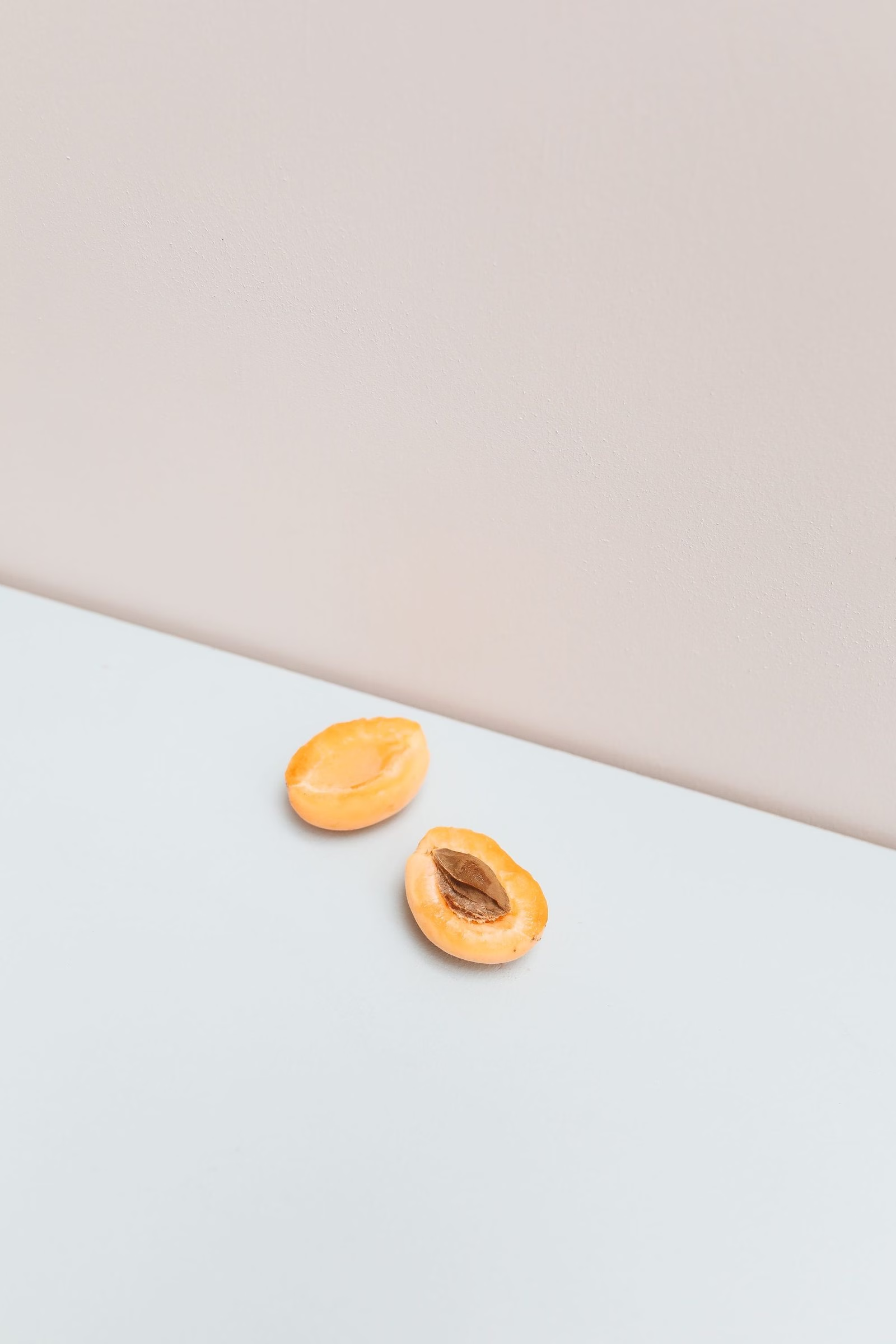
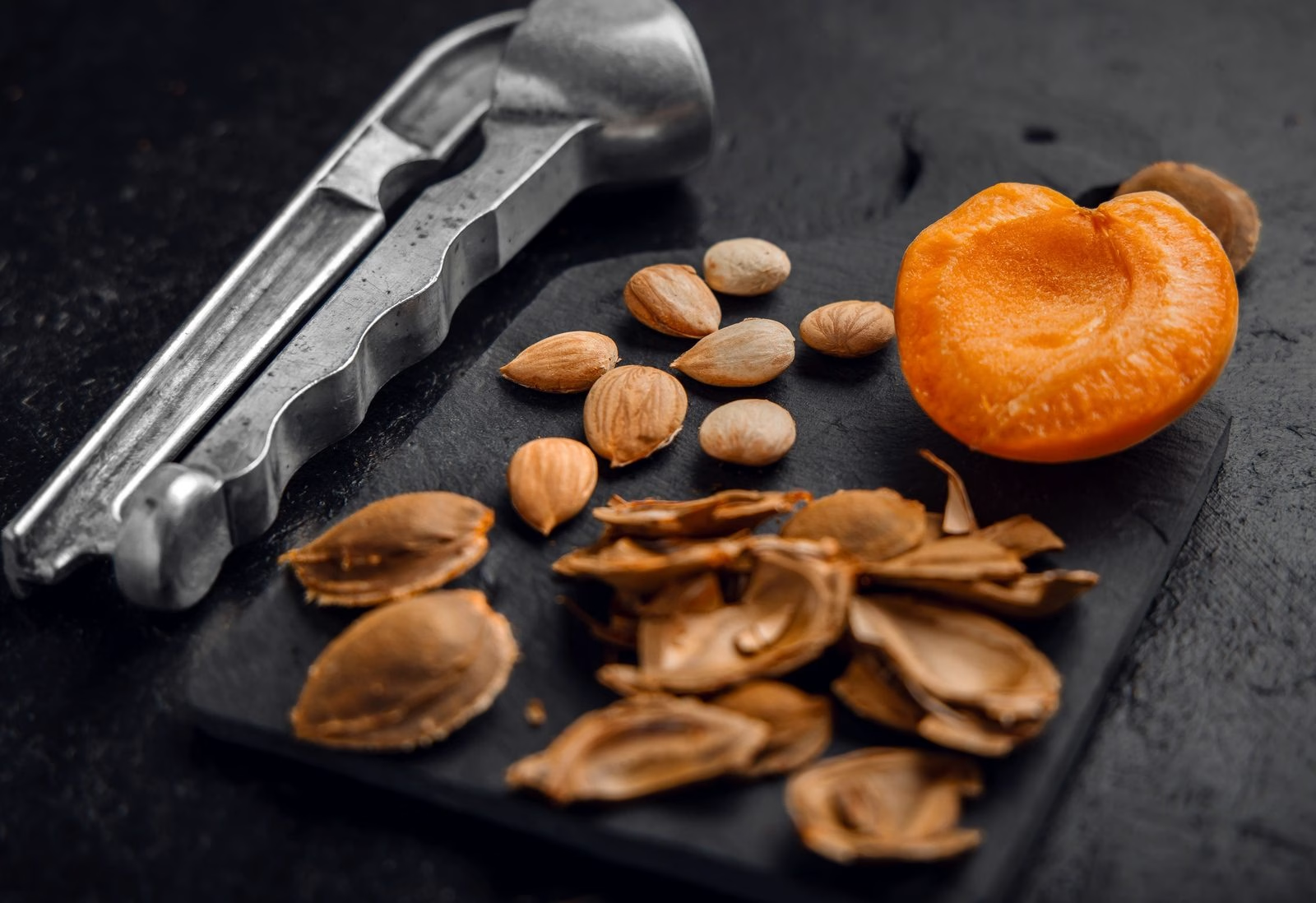
First, the stones are separated from the flesh, dried and cracked. The freed kernel is rich in oil, which usually makes up close to half its weight, depending on variety and region. In cold pressing, a screw press crushes the kernels without external heat and the oil runs off clear, straw yellow and mild in scent. This method preserves tocopherols better, but it leaves more oil trapped in the press cake than solvent extraction does. Because friction in the screw warms the mass on its own, careful producers keep the press speed in check so quality does not suffer.
Solvent extraction, almost always with hexane, recovers more oil but calls for refining afterward. Refining neutralizes free fatty acids, then bleaches and deodorizes the oil. What comes out is nearly colorless, odorless and more stable, though it loses part of its antioxidants. There is also supercritical CO2 extraction, which is clean and efficient but expensive and turns up mostly in research and premium lines. Amygdalin, for its part, dissolves in water and barely in fat, so it stays essentially in the press cake, the solid residue left after pressing.
Composition and Properties of Apricot Kernel Oil
Fatty Acid Profile
Apricot kernel oil is dominated by oleic acid, a monounsaturated omega-9, followed by linoleic acid, a polyunsaturated omega-6. The ranges below are approximate and draw on analyses of Turkish and Pakistani varieties. Since the balance between oleic and linoleic acid shifts considerably with variety and climate, a single sample may fall outside them.
| Fatty acid | Type | Typical range (%) |
|---|---|---|
| Oleic (C18:1, omega-9) | Monounsaturated | 58 to 71 |
| Linoleic (C18:2, omega-6) | Polyunsaturated | 21 to 30 |
| Palmitic (C16:0) | Saturated | 4 to 8 |
| Stearic (C18:0) | Saturated | 1.2 to 1.7 |
| Palmitoleic (C16:1) | Monounsaturated | 1.0 to 1.3 |
| Alpha-linolenic (C18:3, omega-3) | Polyunsaturated | Traces, around 0.3 |
With about 90% unsaturated fatty acids, the oil stays liquid at room temperature. Its iodine value, which measures the degree of unsaturation, and its saponification value sit in ranges close to those of sweet almond oil. Because it contains almost no omega-3, its oxidative stability is good for such an unsaturated oil. Comedogenicity, the tendency to clog pores, is reported on non-standardized scales that largely derive from old animal models and cannot be reliably applied to human skin.
Unsaponifiable Fraction and Antioxidants
The unsaponifiable fraction, the part that does not turn into soap when it reacts with a base, is small and contains tocopherols, sterols and pigments. Across nine Malatya varieties, a 2007 study found four forms of tocopherol, led by gamma-tocopherol at around 475 mg/kg. The same work identified six phytosterols, with beta-sitosterol in first place. In Pakistani varieties, gamma-tocopherol ranged from 330 to 520 mg/kg, consistent with the Turkish figures. Sterol profiles like these also help characterize the oil and compare it with other Rosaceae oils. Polyphenols occur in small amounts and vary widely with the extraction method, being more abundant in cold-pressed oils.
What Science Has Shown About Apricot Kernel Oil
Research on apricot kernel oil is strong on chemistry and weak on clinical evidence. Dozens of studies describe the fatty acids, sterols and tocopherols of varieties from many countries. We found no controlled clinical trial, though, that tested the pure oil on skin or hair with a meaningful number of volunteers. The benefits the market attributes to it therefore come from inferences based on its composition, not from direct comparison with a placebo.
The firmest data concern safety. In 2017, the Cosmetic Ingredient Review (CIR) Expert Panel assessed 244 plant oils, apricot kernel oil among them. It concluded that these oils are safe in the cosmetic practices of use described, with low potential for irritation and sensitization. That opinion, however, addresses safety, not efficacy.
Beyond that, laboratory work has reported antioxidant and antimicrobial activity in vitro, with results that still vary a great deal from sample to sample. There are also animal studies using kernel extracts rather than the oil, so those findings do not carry over to a bottle of cosmetic oil.
Finally, a 2015 Cochrane review looked at laetrile, an amygdalin preparation sold as a supposed vitamin B17. It found no controlled trial supporting any benefit against cancer and pointed to a considerable risk of cyanide poisoning. Laetrile is not a real vitamin; it is a documented marketing fraud.
Traditional Uses and Ethnobotanical Records
In villages of the western Himalayas, oil from wild apricot kernels has a traditional record of use for protecting skin from dry cold and smoothing hair, without clinical confirmation. The same accounts mention the oil in lamps and in local cooking, always made from kernels the community processed itself. In Europe, it joined the massage oil tradition as a cheaper alternative to almond oil, a use that took hold because of its pleasant texture rather than any study. In traditional Chinese medicine, the whole bitter seed (ku xing ren) has a traditional record of use for coughs, without clinical confirmation. That use carries a real risk of poisoning and should not be reproduced at home. None of these records, however, involves the industrially made cosmetic oil sold today.
Apricot Kernel Oil for Skin
Moisturizing
Like any vegetable oil, it works mainly as an emollient and a light occlusive, filling the gaps between cells in the outer layer of the skin and reducing water loss. Its texture is more fluid than that of sweet almond oil, which suits people with normal to dry skin who dislike a greasy feel. Applied to skin that is still damp after a shower, it keeps skin comfortable for longer.
Skin Barrier
The dermatological literature describes linoleic acid as a component of important lipids in the skin barrier, and that reasoning is often used to justify vegetable oils for dry skin, even though apricot oil holds less linoleic acid than sunflower or grapeseed oil. Oleic acid, which predominates, is studied as an enhancer of substance penetration through the stratum corneum, and that may not be ideal for compromised skin. For this reason, people with active dermatitis may prefer tested formulations and a dermatologist's guidance.
Nails and Cuticles
On the cuticles, the oil softens the skin around the nail and makes it easier to push back without injury, a mechanical lubricating effect. One or two drops massaged in at night are usually enough.

Apricot Kernel Oil for Hair
On hair, the oil acts mainly at the surface. Laboratory studies on hair strands suggest that coconut oil penetrates the hair fiber more than most oils, and there are no comparable data for apricot oil. What apricot oil can be expected to do, then, is lubricate the cuticle, the outer layer of scales on each strand. Strands glide with less friction, tangle less and reflect more light.
Being light, it weighs hair down less than heavy oils and suits fine or wavy hair, as long as it goes only on the lengths and ends. It can also serve as a pre-shampoo treatment, applied 20 to 30 minutes before washing, to reduce the dryness caused by harsh detergents. There is no evidence, however, that it strengthens the roots or makes hair grow, and persistent hair loss calls for a dermatologist's assessment. On an oily scalp, it is best to use very little or skip it, since any extra oil can leave the roots heavy.
Culinary Use
In some producing regions, apricot kernel oil has a local culinary use. In most markets, however, it is not a regulated food oil. The product sold in cosmetics shops, compounding pharmacies and aromatherapy websites is made and labeled for external use. For that reason, do not eat cosmetic oil, do not take it as a supplement and never eat raw apricot kernels, the dangerous part of the fruit. Anyone looking for a cooking oil with a similar profile will find a regulated, well-studied option in olive oil.
How to Use Apricot Kernel Oil in Practice
Do a patch test before the first use. Apply a drop to the inside of your forearm, cover it with a bandage and watch it for 24 to 48 hours. If redness, itching or swelling appears, do not use the oil.
For the face, two or three drops warmed between the palms and pressed onto damp skin are enough, preferably at night. For the body, 5 to 10 mL covers the legs and arms after a shower. For massage, warm the bottle in a lukewarm water bath for a few minutes and use about 15 mL for the back.
Three simple blends:
- Cuticle balm: 10 mL of apricot kernel oil and 2 g of beeswax melted together in a water bath and poured into a small jar.
- Pre-shampoo for dry ends: 5 mL of apricot kernel oil with 5 mL of argan oil, on the lengths, 30 minutes before washing.
- Relaxing massage oil: 30 mL of apricot kernel oil with 6 drops of lavender essential oil, a dilution of about 1% for adults.
To store it, keep the bottle tightly closed and away from light and heat, since oxygen and warmth speed up rancidity. Although the oil is relatively stable, keeping it in the refrigerator once opened helps extend its shelf life, especially for the cold-pressed version.
How to Choose a Quality Apricot Kernel Oil
Start with the label. A pure oil lists a single ingredient on the INCI list, Prunus Armeniaca Kernel Oil, sometimes alongside tocopherol as an antioxidant. If other oils, fragrance or an unspecified term such as carrier oil show up, you are looking at a mixture.
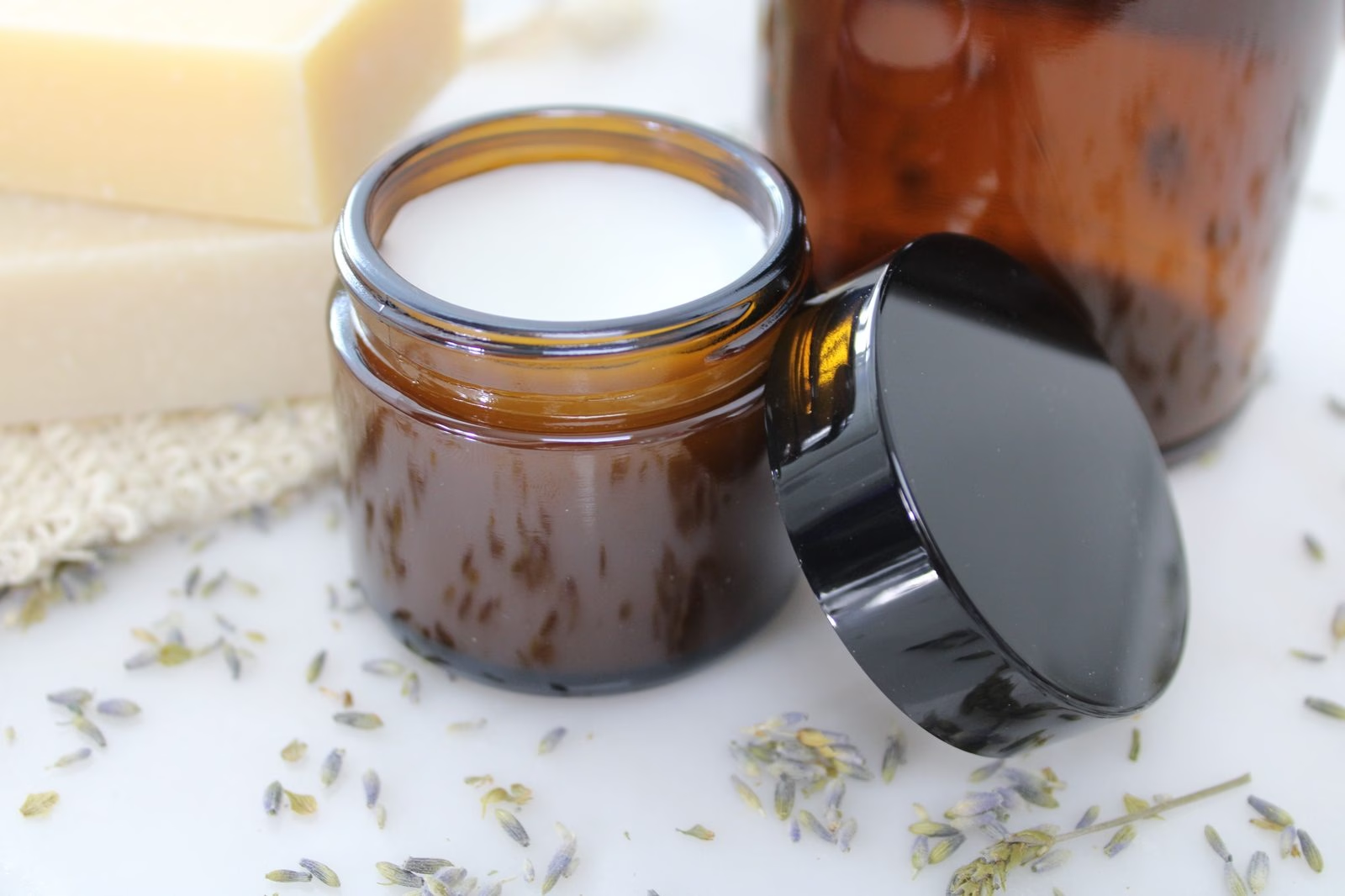
The process should also be stated on the packaging. Cold-pressed and unrefined points to a straw yellow oil with a mild scent that may recall marzipan. Refined oil, on the other hand, is nearly colorless and odorless, cheaper and more stable, but lower in tocopherols. Both work for cosmetic use, provided they come from a reliable manufacturer in an amber glass or opaque bottle.
Some versions carry organic certification, which vouches for origin and processing rules but does not guarantee performance. Apricot kernel oil is itself a classic adulterant of sweet almond oil, because its fatty acid profile is similar and it costs less. Since the swap is almost impossible to detect by smell, only laboratory analysis can reveal it, a topic covered in our guide to sweet almond oil.
Rancid oil, lastly, gives itself away with a smell of paint, putty or stale nuts and a thicker texture. If you notice that, throw it out.
Apricot Kernel Oil Compared With Similar Oils
| Oil | Dominant fatty acid | Texture and absorption | Best use | Relative price |
|---|---|---|---|---|
| Apricot kernel | Oleic | Light to medium, barely greasy feel | Face, body, massage and hair ends | Low |
| Grapeseed | Linoleic | Very light, fast absorption | Combination and oily skin | Low |
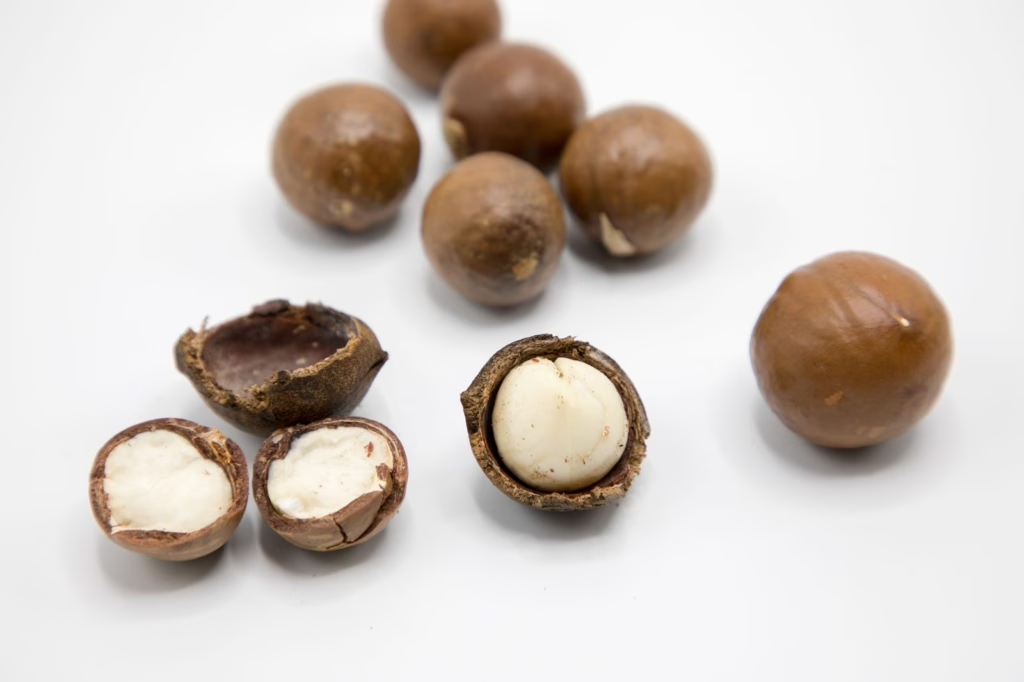
| Macadamia | Oleic and palmitoleic | Medium, velvety feel | Mature and dry skin | Medium to high |
| Sweet almond | Oleic | Medium, slightly denser | Body, massage and babies with professional guidance | Low to medium |
Apricot and sweet almond oils are almost interchangeable in most recipes, though apricot tends to be a little more fluid. Grapeseed oil oxidizes faster because of its linoleic acid. Macadamia, by contrast, stands out for its palmitoleic acid, which is rare in vegetable oils.
Safety, Allergies and Contraindications of Apricot Kernel Oil
Apricot kernels, especially those from bitter varieties, contain amygdalin, which releases cyanide during digestion. Eating raw kernels is dangerous, and just a few can poison an adult. The apricot kernel oil used in cosmetics is a different matter: pressing leaves the amygdalin in the solid residue, and the finished oil is meant for external use. Do not use the oil or the kernels as a supplement, a tea or an alternative treatment for any disease.
In 2016, the European Food Safety Authority (EFSA) set an acute reference dose of 20 µg of cyanide per kilogram of body weight. By the agency's calculation, three small raw kernels, or one large one, are enough for an adult to exceed that limit. For a young child, a single kernel is already enough. Cosmetic oil, by contrast, retains at most traces of benzaldehyde, the compound behind the bitter almond aroma, with no toxicological significance when used on the skin.
On the skin, the oil has low irritation potential according to the CIR, but individual allergic reactions do occur. Extra care applies to anyone who already reacts to other fruits in the Rosaceae family, such as cherries, peaches and plums. People with tree nut allergies should be especially careful with the patch test. Specific studies are lacking for pregnancy and breastfeeding, so moderate external use follows the same logic as other low-risk vegetable oils, never ingestion. For babies and children, choose products formulated for their age and talk to a pediatrician before using it on broken skin. Keep kernels and bottles away from children and pets, for whom the kernel is also toxic.
Sustainability and Social Impact
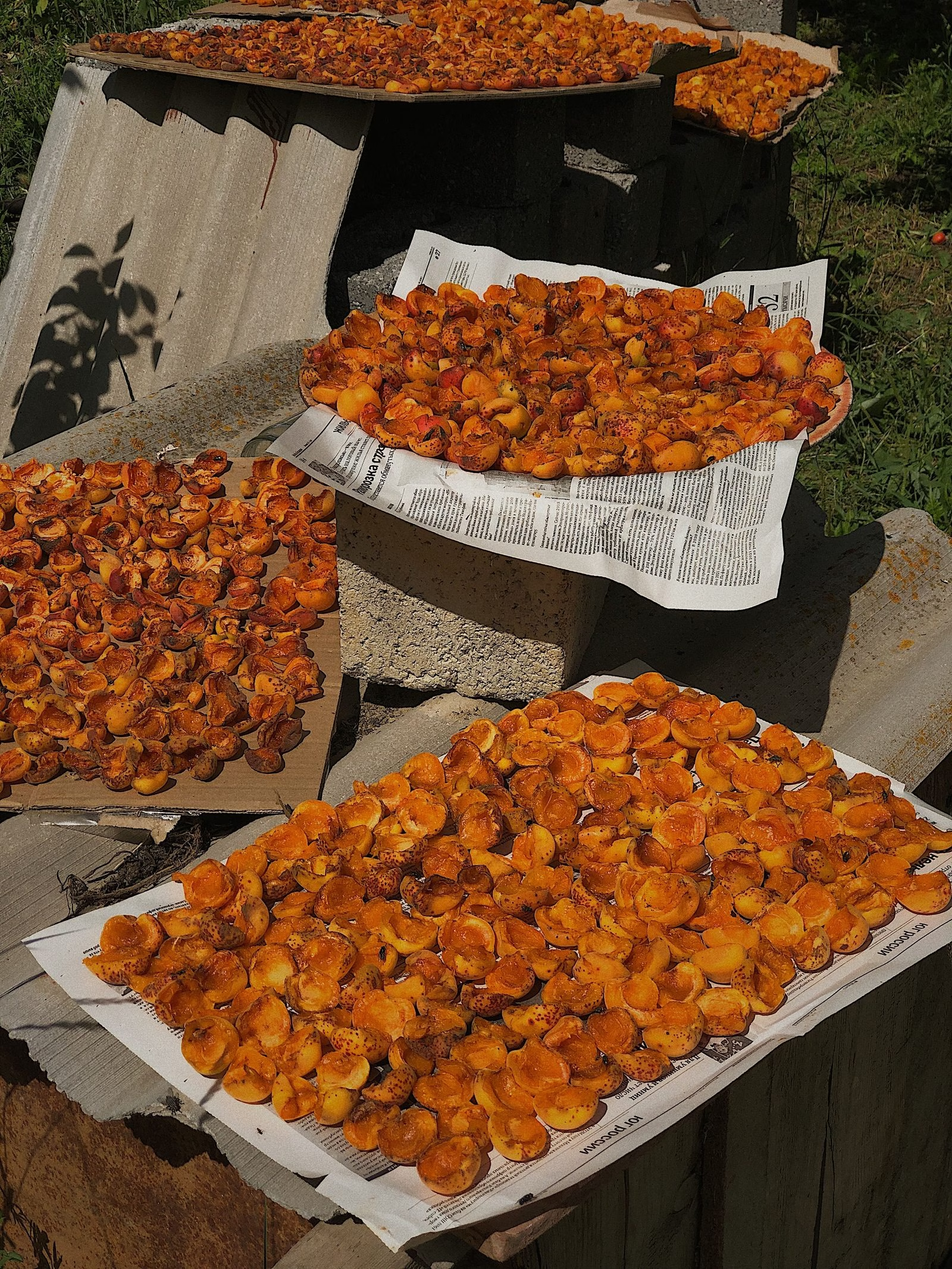
Apricot kernel oil is, above all, a by-product. The stones are left over from the dried apricot, fruit pulp and canning industries, and turning them into oil keeps a large volume of them from becoming waste. The press cake and the woody shells also have industrial uses under study, which cuts waste from the stone even further.
In Turkey, the supply chain revolves around Malatya, where family growers dry the fruit in the sun and sell the kernels separately. In the Himalayas, gathering wild apricots and pressing them by hand supplements the income of rural mountain communities. Buying traceable oil, ideally with organic or fair trade certification, helps keep that income in the regions that grow the fruit.
Frequently Asked Questions
Does Apricot Kernel Oil Contain Cyanide?
The kernel contains amygdalin, which can release cyanide when swallowed, but this substance dissolves in water and stays almost entirely in the press cake. Cosmetic oil retains at most traces of benzaldehyde, with no toxicological relevance on the skin. The real danger lies in eating raw kernels, never in applying the oil to the skin.
What Is the Difference Between Apricot Oil and Sweet Almond Oil?
Both come from plants in the genus Prunus and have very similar fatty acid profiles, dominated by oleic acid. Apricot oil tends to be a little more fluid and cheaper, which is why it is sometimes used to adulterate almond oil. On the skin, the two behave much the same way.
Does Apricot Kernel Oil Clog Pores?
There is no settled answer, because comedogenicity charts use non-standardized scales based on old animal tests. Plenty of people with normal or dry skin use the oil on their face without trouble. If you have active acne, test it on a small area for a few weeks before using it more widely.
Can I Use Apricot Kernel Oil on My Hair Every Day?
In small amounts, one or two drops on the ends, daily use usually works well for dry or frizzy hair. For fine, oily hair, it is better to use it only as a pre-shampoo treatment once or twice a week. The oil lubricates the cuticle, but it does not make hair grow.
Is the Vitamin B17 in Apricot Kernels Real?
No. So-called vitamin B17, or laetrile, is not a real vitamin; it is a documented marketing fraud. A Cochrane review found no controlled trial supporting any benefit and warned of the risk of cyanide poisoning. According to the US National Cancer Institute, laetrile is not approved by the FDA as a treatment, and EFSA warns against eating raw kernels.
How Can I Tell if Apricot Kernel Oil Has Gone Bad?
Rancid oil has a strong smell of paint, putty or stale nuts and may turn thicker or darker. At that point it loses its emollient effect and can irritate the skin, so it is best to throw it away. Storing the bottle closed, in the dark and somewhere cool slows this process considerably.
Notice: this content is for informational purposes and does not replace professional medical advice. Consult a physician or herbal practitioner before using medicinal plants, especially during pregnancy, breastfeeding, or alongside medication.
How to cite this article
NATUGREENS. Apricot Kernel Oil: Uses, Composition and Safety Guide. Natugreens, 9 Nov. 2026. Disponível em: https://natugreens.com/apricot-kernel-oil/. Accessed: Nov. 9, 2026.
Natugreens. (2026). Apricot Kernel Oil: Uses, Composition and Safety Guide. Natugreens. https://natugreens.com/apricot-kernel-oil/
References
View All 9 Cited References
Peer-Reviewed Scientific Studies (8)
- DOI2017 Burnett CL, et al. Safety Assessment of Plant-Derived Fatty Acid Oils. International Journal of Toxicology. 2017.
- DOI2016 EFSA Panel on Contaminants in the Food Chain (CONTAM). Acute health risks related to the presence of cyanogenic glycosides in raw apricot kernels and products derived from raw apricot kernels. EFSA Journal. 2016.
- DOI2019 EFSA Panel on Contaminants in the Food Chain (CONTAM). Evaluation of the health risks related to the presence of cyanogenic glycosides in foods other than raw apricot kernels. EFSA Journal. 2019.
- DOI2021 Groppi A, et al. Population genomics of apricots unravels domestication history and adaptive events. Nature Communications. 2021.
- DOI2012 Manzoor M, et al. Physico-chemical characteristics of seed oils extracted from different apricot (Prunus armeniaca L.) varieties from Pakistan. Grasas y Aceites. 2012.
- DOI2015 Milazzo S, et al. Laetrile treatment for cancer. Cochrane Database of Systematic Reviews. 2015.
- DOI2023 Pawar KR, Nema PK. Apricot kernel characterization, oil extraction, and its utilization: a review. Food Science and Biotechnology. 2023.
- DOI2007 Turan S, et al. Fatty acid, triacylglycerol, phytosterol, and tocopherol variations in kernel oil of Malatya apricots from Turkey. Journal of Agricultural and Food Chemistry. 2007.
Institutional Sources (1)
- GOV2022 National Cancer Institute. Laetrile/Amygdalin (PDQ), Health Professional Version. NCI. 2022.