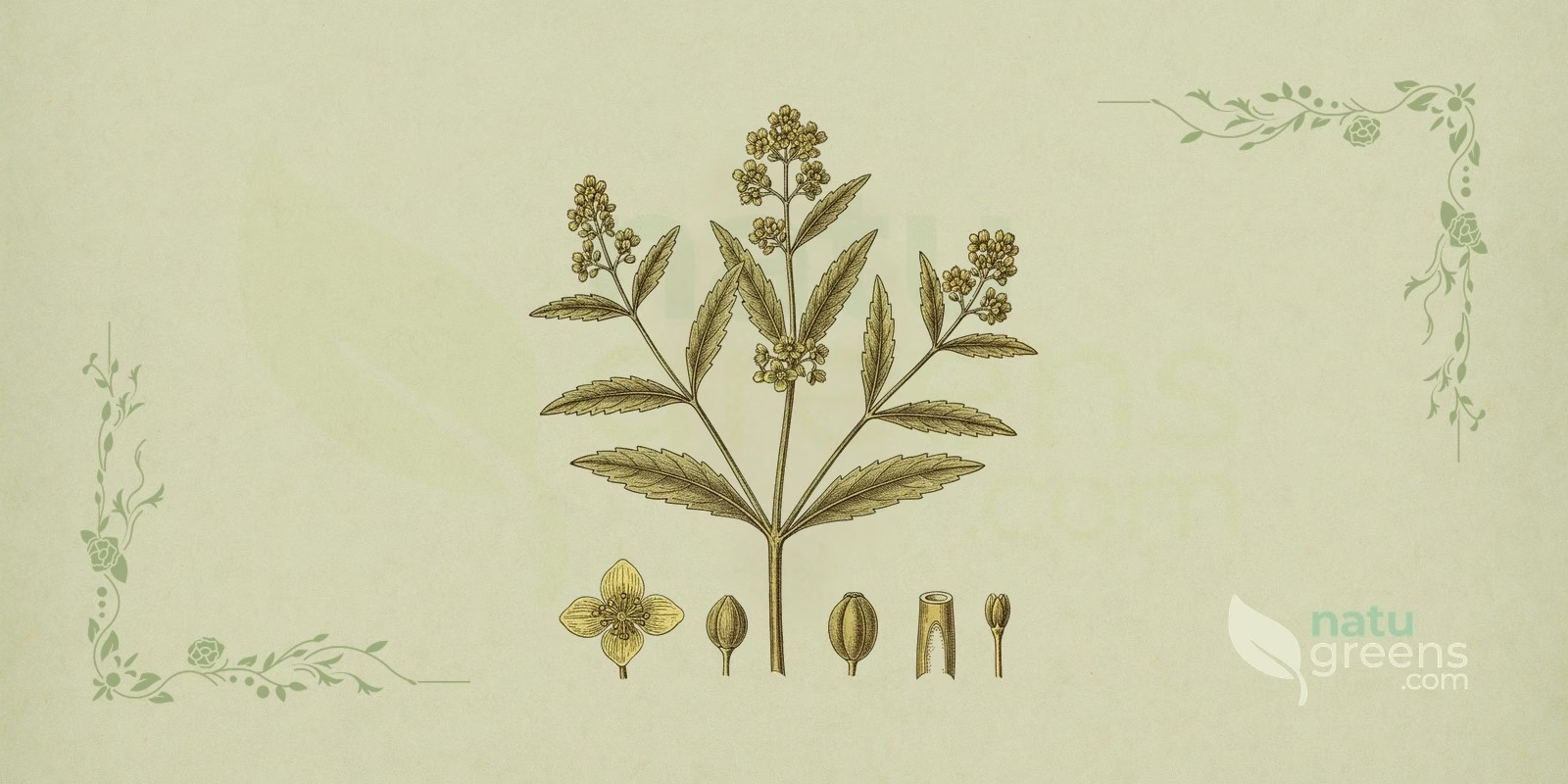
Dysphania ambrosioides (L.) Mosyakin & Clemants / Epazote, commonly known as epazote, Mexican tea or American wormseed, is an annual or short-lived perennial herb with intensely aromatic leaves that belongs to the Amaranthaceae family. Native to Central and South America, the species has spread to many tropical and subtropical regions of the world, carried both by medicinal interest and by its culinary use. For centuries it has held a place in the traditional medicine of several cultures, especially in Latin America, where it is used against a wide range of ailments.
In Brazilian folk tradition, where it is called erva-de-santa-maria, the plant is valued above all as a vermifuge and anti-inflammatory, with uses ranging from expelling intestinal worms to relieving pain and inflammation. Its phytochemical makeup includes monoterpenes, sesquiterpenes, phenolic acids and flavonoids, which are associated with the biological activities investigated in the laboratory. Experimental studies have examined some of these traditional uses, although clinical evidence in humans remains limited. Because the main constituent of the essential oil, ascaridole, is toxic, it is important to draw a clear line between culinary use of the fresh leaves, in small amounts, and concentrated medicinal use, which calls for great caution.
Popular and International Names of Epazote
- English: American wormseed, epazote, Jesuit’s tea, Mexican tea, wormseed.
- French: ansérine vermifuge, épazote, thé des Jésuites, thé du Mexique.
- German: Epazote, Mexikanischer Drüsengänsefuß, Mexikanischer Traubentee, Mexiko-Drüsengänsefuß, Wohlriechender Gänsefuß.
- Italian: ambrosia messicana, epazote, farinello aromatico, tè messicano.
- Portuguese: chá-do-méxico, erva-de-santa-maria, erva-formigueira, lombrigueira, mastruço, mastruz, mentruz, quenopódio (BR); erva-de-santa-maria (PT).
- Spanish: apazote, epazote, ka’are, paico, paico macho, pasote.
Botanical Synonyms of Dysphania ambrosioides
The botanical synonym most often found in the scientific literature for Dysphania ambrosioides is Chenopodium ambrosioides L., the name under which Linnaeus described the species. This name remained in wide use until the taxonomic reclassification that moved the species to the genus Dysphania in the early 2000s. For this reason, many of the older pharmacological studies still use the former name. Other recorded synonyms include:
- Ambrina ambrosioides (L.) Spach
- Ambrina anthelmintica (L.) Spach
- Ambrina incisa Moq.
- Ambrina parvula Phil.
- Ambrina spathulata Moq.
- Atriplex ambrosioides (L.) Crantz
- Atriplex anthelmintica (L.) Crantz
- Blitum ambrosioides (L.) Beck
- Botrys ambrosioides (L.) Nieuwl.
- Botrys anthelmintica (L.) Nieuwl.
- Chenopodium amboanum (Murr) Aellen
- Chenopodium angustifolium Pav. ex Moq.
- Chenopodium anthelminticum L.
- Chenopodium citriodorum Steud.
- Chenopodium cuneifolium Vent. ex Moq.
- Chenopodium integrifolium Vorosch.
- Chenopodium querciforme Murr
- Chenopodium sancta-maria Vell.
- Chenopodium santamaria Vell.
- Chenopodium spathulatum (Moq.) Sieber ex Moq.
- Chenopodium suffruticosum Willd.
- Chenopodium vagans Standl.
- Chenopodium variegatum Gouan
- Dysphania anthelmintica (L.) Mosyakin & Clemants
- Orthosporum ambrosioides (L.) Kostel.
- Orthosporum suffruticosum Kostel.
- Roubieva anthelmintica (L.) Hook. & Arn.
- Teloxys ambrosioides (L.) W.A. Weber
- Vulvaria ambrosioides (L.) Bubani
Botanical Family: Amaranthaceae
Dysphania ambrosioides belongs to the Amaranthaceae family, a large, globally distributed group of flowering plants comprising about 180 genera and 2,500 species which, in its current circumscription, includes the former Chenopodiaceae. The family stands out for its morphological diversity and for species of dietary, ornamental and medicinal importance, such as amaranth, beet, spinach and quinoa. Its members usually have simple leaves, small flowers and fruits of the achene or utricle type.
Epazote shares with the rest of the family an ease of adapting to varied environments, including disturbed soils and roadsides, as well as the production of biologically active secondary metabolites. Many species in the group are valued for their nutritional and medicinal qualities in different cultures. In epazote, phytochemical research has identified saponins, flavonoids and alkaloids, compounds that help explain the biological activities investigated in laboratory studies.
Parts of Epazote Used
The leaves are the most commonly used part, either fresh and in small amounts as a culinary seasoning or dried for home preparations. The flowers, seeds and flowering aerial parts, on the other hand, are the traditional source of the ascaridole-rich essential oil, which makes concentrated medicinal use of these parts especially risky.
- Aerial parts
- Flowers
- Leaves
- Seeds
Ethnobotanical and Traditional Uses
The uses below reflect records from folk medicine and ethnobotany that lack equivalent clinical evidence, and several of them are now discouraged because of the toxicity of the ascaridole the plant contains.
- Antipyretic (folk use to bring down fever)
- Antirheumatic (folk use for rheumatic pain)
- Culinary seasoning (fresh leaves in small amounts, as in Mexican-style beans)
- Digestive (traditional aid to digestion)
- Fungal infections (traditional use)
- Malaria (traditional use in some regions, not clinically proven)
- Relief of intestinal cramps and flatulence (traditional use)
- Vermifuge (traditional use against intestinal parasites, now discouraged for internal use)
- Wound healing (traditional external application on wounds)
Therapeutic Properties of Epazote
The properties listed here summarize what tradition attributes to the plant and what laboratory and animal studies have been investigating, which is not the same as proven efficacy in humans and does not justify internal use without professional guidance.
- Antibacterial (essential oil activity observed in laboratory assays)
- Antifungal (activity observed in laboratory assays)
- Anti-inflammatory (traditional use, with activity investigated in experimental studies)
- Antimalarial (activity observed in laboratory studies, not clinically proven)
- Antioxidant (activity observed in laboratory assays)
- Antipyretic (traditionally used to bring down fever)
- Antirheumatic (traditionally used to ease rheumatic pain)
- Antispasmodic (relaxant effect on smooth muscle observed in experimental studies)
- Bone regeneration (effect investigated in preliminary animal studies, not proven in humans)
- Digestive (traditionally used as a digestive aid)
- Vermifuge (traditional use linked to ascaridole, now discouraged for internal use because of its toxicity)
- Wound healing (traditionally applied externally to wounds)
Detailed Phytochemical Profile of Epazote
Dysphania ambrosioides contains compounds from several chemical classes, and its essential oil is dominated by monoterpenes, most notably ascaridole, p-cymene and carvacrol. The proportions of these compounds vary considerably with geographic origin, plant part and stage of development. The main constituents described include:
- Alkaloids
- Ascaridole (main component of the essential oil)
- Carvacrol
- Flavonoids
- Monoterpenes
- Phenolic acids
- Saponins
- Sesquiterpenes (such as β-caryophyllene)
- Tannins
Ascaridole, a monoterpene endoperoxide, accounts both for the plant’s reputation as a vermifuge and for its toxicity. The margin between the amount that acts against parasites and the amount that is toxic to the human body is narrow, which is why the essential oil should be treated as a dangerous product rather than a home remedy.
Preparation and Administration Forms of Epazote
Two very different uses of the plant need to be kept apart. Culinary use, with fresh leaves in small amounts as a seasoning, is considered safe by tradition, whereas concentrated medicinal use, above all in the form of essential oil, delivers the ascaridole and lies behind the serious poisoning cases described in the medical literature.
- Culinary seasoning (fresh leaves in small amounts)
- Dry extract
- Essential oil (external use only and with extreme caution, never taken internally)
- Fluid extract
- Fresh leaf poultice (external use)
- Tea (infusion or decoction), only under professional guidance
- Tincture (external use)
Synergy with Other Medicinal Plants
Traditional Pairing with Plants Used as Vermifuges
In folk medicine, epazote appears alongside other plants traditionally used against worms, such as garlic (Allium sativum) and pumpkin seed (Cucurbita pepo), in home preparations intended to expel intestinal parasites. No clinical studies confirm a synergistic effect from this combination. Moreover, the toxicity of ascaridole rules out self-medication, and any use of this kind depends on assessment by a health professional, who today has safer conventional antiparasitic drugs available.
Traditional Compresses for Localized Pain and Inflammation
For localized pain and inflammation, tradition pairs epazote with plants studied for their anti-inflammatory activity, such as turmeric (Curcuma longa) and ginger (Zingiber officinale), in poultices or compresses applied to the skin. This reflects a traditional external use, with no synergy demonstrated in clinical studies, and it should not be carried over to internal consumption of epazote, which requires professional supervision because of the risk of adverse effects.
Recipes and Usage Protocols of Epazote
Fresh Leaf Poultice for Bruises and Muscle Aches
Ingredients: fresh epazote leaves and a little hot water.
Preparation: Crush the fresh leaves into a paste and warm it gently in a double boiler or with a little hot water, testing the temperature on the back of your hand before applying it. Spread the paste directly over the sore area, cover with a clean cloth and leave it on for 30 minutes to 1 hour, repeating 2 to 3 times a day. This poultice is traditionally used to ease muscle aches, bruises and localized inflammation. Stop using it if redness, itching or burning appears, as the plant can irritate sensitive skin.
Traditional Digestive Infusion
Ingredients: a small amount of dried epazote leaves and boiling water, in the proportions recommended by a health professional.
Preparation: Place the leaves in a cup, pour the boiling water over them, cover and let steep for a few minutes before straining. In folk tradition, the tea is drunk warm after meals for indigestion and gas. Because the plant contains ascaridole, however, the amount, frequency and duration of use should not be decided on your own, so consult a health professional before preparing the infusion. The tea is contraindicated during pregnancy and breastfeeding and in children, and when it is approved, use should be occasional and never prolonged.
Tincture for External Use
Ingredients: 50 g of dried epazote leaves and flowers and 250 ml of 70% grain alcohol.
Preparation: Place the leaves and flowers in a dark glass container, cover with the alcohol and leave to macerate for 14 days in a dark place, shaking daily. Then strain and store in a tightly closed dark bottle, out of the reach of children. In folk tradition, the tincture is used only externally, diluted in water, in compresses and local rubs. It must not be swallowed or used as an oral vermifuge, because alcohol extracts the plant’s ascaridole and uncontrolled internal use carries a risk of severe poisoning.
Fresh Leaves as a Seasoning for Beans
Ingredients: cooked beans and a small sprig of fresh epazote leaves.
Preparation: Wash the leaves and add them to the beans in the last few minutes of cooking, removing the sprig before serving if you prefer a milder flavor. This is how Mexican cuisine, which gave the herb its best-known name, has long used it: as a seasoning in small amounts, traditionally added to reduce the gas associated with legumes. It is an occasional culinary use, quite different from concentrated medicinal use.
The preparations above follow traditional records and do not replace professional guidance. Before any internal use, check the contraindications and interactions described in this article.
Associated Therapies
Clinical Phytotherapy
In clinical phytotherapy, Dysphania ambrosioides is studied for its antiparasitic, anti-inflammatory and wound-healing activities. Standardized extracts of the plant are being investigated for the development of herbal medicines, with particular attention to safety, since the toxicity of ascaridole limits internal use. When there is an indication, prescription is individualized, takes into account the concentration of active compounds and each patient’s state of health, and requires professional follow-up to monitor adverse effects and drug interactions.
Indigenous Traditional Medicine
In many Indigenous communities across Latin America, epazote is a mainstay of traditional medicine, present in ritual healing practices and in remedies for a variety of ailments, from gastrointestinal problems to skin conditions. Knowledge of its use is passed down orally and forms part of a holistic health system in which the plant is tied to spiritual and cultural dimensions. Methods of preparation and administration vary according to each people’s tradition.
Contraindications and Side Effects of Epazote
Essential Oil Warning
The most important distinction with epazote is the one that separates the seasoning from the concentrated remedy. The plant’s essential oil is rich in ascaridole, a compound with a documented history of severe poisoning and deaths, including in children, when the oil is used in concentrated form as a traditional vermifuge. For this reason, the plant’s essential oil must NEVER be used internally, given the real and documented risk of severe poisoning and death, even at the doses traditionally used as a vermifuge. Traditional culinary use (fresh leaves, small amounts, as a seasoning) is considered safe and is different from concentrated medicinal use.
General Contraindications
Do not use during pregnancy and breastfeeding beyond occasional culinary seasoning, as the plant has abortifacient potential and is toxic to the fetus and the nursing infant. Likewise, do not use it internally in children beyond occasional culinary seasoning, a rule that applies to teas, tinctures and extracts and, all the more so, to the essential oil. People with liver or kidney disease and those with a history of seizures or epilepsy should also avoid medicinal use. Patients taking anticoagulants or drugs that act on the central nervous system, such as sedatives and anticonvulsants, need to consult their doctor before using any preparation, because of the risk of interaction.
Side Effects and Signs of Poisoning
Improper use or high doses of epazote can cause nausea, vomiting, diarrhea, dizziness, headache and seizures and, in extreme cases, cardiorespiratory failure and coma. The toxicity is linked mainly to the ascaridole in the essential oil, and reports of chenopodium oil poisoning also describe damage to the liver, kidneys and hearing, including in children. Applied to the skin, the plant can cause irritation in sensitive people, and any sign of poisoning after use requires immediate medical attention.
Drug Interactions
Epazote may interact with anticoagulants, possibly increasing the risk of bleeding, and with drugs that act on the central nervous system, such as sedatives and anticonvulsants, altering their effectiveness or adding to their effects. This caution is reinforced by studies in mice in which the inhaled essential oil showed a sedative effect through the GABAergic system. Use alongside synthetic dewormers should be avoided because of the risk of toxic overload, and your doctor should always be told about any use of medicinal plants.
Historical Notes and Interesting Facts
Origin of the Name
The Portuguese folk name “erva-de-santa-maria” (Saint Mary’s herb) comes from the plant’s association with the Virgin Mary in some popular traditions, especially in Latin America. Names such as “mastruz” and “mentruz” are regional Portuguese variants that reflect the cultural and linguistic diversity of the places where it is used. In Mexico, the plant is known as epazote, a word of Nahuatl origin, and holds a traditional place in the kitchen.
Culinary Use in Mexico
In Mexico, epazote is an essential ingredient of traditional cooking and seasons dishes such as beans, quesadillas, soups and tamales, always as a small amount of fresh leaves. Besides its pungent, distinctive flavor, epazote has a traditional reputation as a carminative, used to reduce the gas associated with eating legumes. This use shows how folk medicine blends into the everyday diet.
From Official Vermifuge to Abandoned Remedy
In the first half of the 20th century, chenopodium oil, extracted from the plant, was widely used as a vermifuge against roundworms and hookworms and was even listed in official pharmacopoeias. Mounting reports of severe poisoning, many of them in children, and the arrival of safer antiparasitic drugs led to the gradual abandonment of this use. Today’s warning against consuming the essential oil stems from this history.
Frequently Asked Questions about Epazote
Can Epazote Be Given to Children?
Internally, epazote should not be given to children beyond occasional culinary seasoning. Teas, tinctures and above all the essential oil expose children to ascaridole, a compound linked to severe poisoning and child deaths in the era when the plant was used as a vermifuge. Small amounts of fresh leaves used as seasoning in family meals are part of traditional culinary use. Any other use should first be discussed with a pediatrician.
What Is the Difference between Epazote and Mastruço?
Epazote, erva-de-santa-maria, mastruz and mastruço are popular names often used for the same plant, Dysphania ambrosioides. In some regions of Brazil, however, “mastruço” also refers to other species, such as Coronopus didymus (now Lepidium didymum), which has different botanical features and uses. That is why checking the scientific name is the safest way to make sure the right plant is being used.
Is It Safe to Drink Epazote Tea Regularly?
It is not safe to drink the tea regularly or in large amounts, because the plant contains ascaridole, a toxic compound that can cause serious side effects, especially in the liver and kidneys. Any medicinal use should be occasional, in an amount set by a health professional, who can also suggest safer alternatives for anyone who needs ongoing use.
Can Epazote Essential Oil Be Taken Internally?
The plant’s essential oil must never be used internally, given the real and documented risk of severe poisoning and death, even at the doses traditionally used as a vermifuge. Rich in ascaridole, it is associated with fatal cases recorded in the medical literature, including in children, and external use is the only acceptable route, even then with extreme caution.
Can Epazote Be Used as a Seasoning?
Traditional culinary use, with fresh leaves in small amounts, as in Mexican beans seasoned with epazote, is considered safe and quite different from concentrated medicinal use. The key is not to confuse occasional seasoning with strong teas, tinctures or essential oil, which concentrate ascaridole and require professional guidance or, in the case of the oil, are ruled out for internal use.
Can Pregnant and Breastfeeding Women Use Epazote?
Pregnant and breastfeeding women should not use the plant beyond occasional culinary seasoning, as it has abortifacient potential and ascaridole may be toxic to the fetus and the nursing infant. Teas, tinctures, extracts and essential oil are excluded during this period, and any questions should be taken to the obstetrician or the health professional following the pregnancy.
Notice: this content is for informational purposes and does not replace professional medical advice. Consult a physician or herbal practitioner before using medicinal plants, especially during pregnancy, breastfeeding, or alongside medication.
References and Scientific Studies
View All 10 Cited References
- PMC1951 Agosto D. Chenopodium oil poisoning in children. Acta Paediatr Lat. 1951.
- PMC2021 Dougnon G, et al. Role of Ascaridole and p-Cymene in the Sleep-Promoting Effects of Dysphania ambrosioides Essential Oil via the GABAergic System in a ddY Mouse Inhalation Model. J Nat Prod. 2021.
- PMC2025 Heredia Severino A, et al. Essential Oils and Extracts from Epazote (Dysphania ambrosioides): A Phytochemical Treasure with Multiple Applications. Plants (Basel). 2025.
- PMC2021 Kandsi F, et al. Phytochemical Analysis, Antispasmodic, Myorelaxant, and Antioxidant Effect of Dysphania ambrosioides (L.) Mosyakin and Clemants Flower Hydroethanolic Extracts and Its Chloroform and Ethyl Acetate Fractions. Molecules. 2021.
- PMC2022 Kandsi F, et al. Antibacterial and Antioxidant Activity of Dysphania ambrosioides (L.) Mosyakin and Clemants Essential Oils: Experimental and Computational Approaches. Antibiotics (Basel). 2022.
- PMC2022 Kandsi F, et al. Evaluation of Acute and Subacute Toxicity and LC-MS/MS Compositional Alkaloid Determination of the Hydroethanolic Extract of Dysphania ambrosioides (L.) Mosyakin and Clemants Flowers. Toxins (Basel). 2022.
- PMC2024 Kandsi F, et al. Dysphania ambrosioides (L.) Mosyakin and Clemants: bridging traditional knowledge, photochemistry, preclinical investigations, and toxicological validation for health benefits. Naunyn Schmiedebergs Arch Pharmacol. 2024.
- PMC1968 Kociolek G, et al. Toxic damage to hearing during poisoning with chenopodium oil. Otolaryngol Pol. 1968.
- PMC2010 Pereira WS, et al. Evaluation of the subchronic toxicity of oral treatment with Chenopodium ambrosioides in mice. J Ethnopharmacol. 2010.
- PMC1996 Montoya-Cabrera MA, et al. Fatal poisoning caused by oil of epazote, Chenopodium graveolens. Gac Med Mex. 1996.