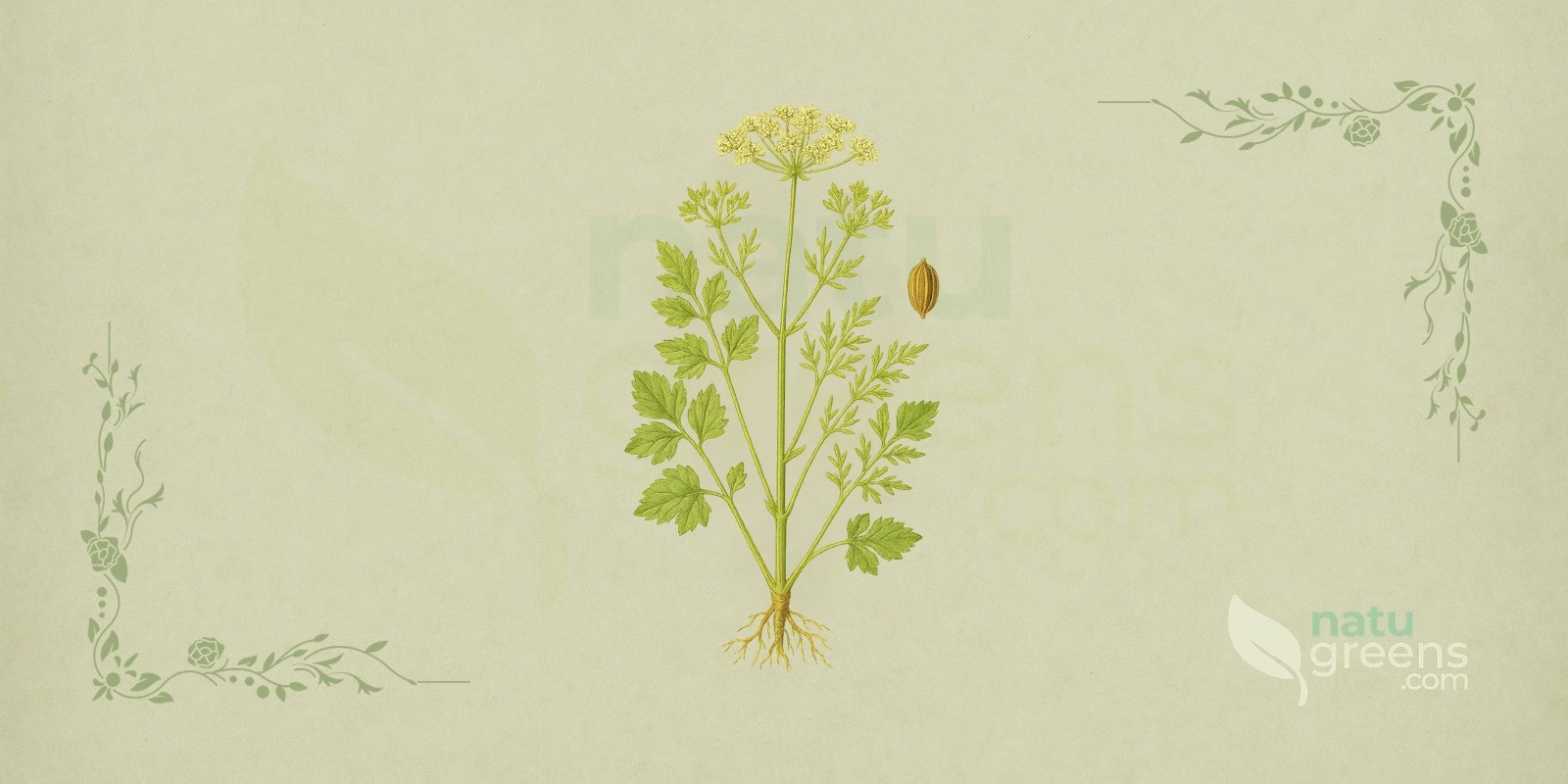
Anise (Pimpinella anisum), also called green anise and, in Brazil, erva-doce, is an annual herbaceous plant of the Apiaceae family, grown above all for its aromatic seeds. Native to the eastern Mediterranean and southwestern Asia, anise has been used for millennia in cooking and in traditional medicine, and its seeds, with a sweet flavor reminiscent of licorice, form the basis of many homemade and culinary preparations. Tradition values the plant mainly for its digestive and carminative properties, which are drawn on to relieve gas and mild colic. Despite the similar name, anise should not be confused with star anise (Illicium verum), a plant from a different botanical family, and this difference has safety consequences that are explained in the contraindications section.
Popular and International Names of Anise
- English: Anise, aniseed.
- Spanish: Anís, matalahúva.
- Portuguese: Anis, anis-verde, erva-doce.
- French: Anis, anis vert.
- Italian: Anice, anice verde.
- German: Anis, Anissamen.
In Brazil, the popular name erva-doce is also applied to fennel (Foeniculum vulgare), a different plant from the same family, so it is worth checking the scientific name on the label when buying seeds sold under that name.
Botanical Synonyms of Pimpinella anisum
Over the history of botanical classification, anise has received other scientific names that are now treated as synonyms of Pimpinella anisum and that may still turn up in older works and in part of the pharmaceutical literature: Anisum officinale DC., Anisum vulgare Gaertn., Carum anisum (L.) Baill., and Selinum anisum (L.) E.H.L.Krause.
Botanical Family: Apiaceae
Anise belongs to the Apiaceae family, formerly known as Umbelliferae because of its umbel inflorescences, in which small flowers spring from a single point like the ribs of an umbrella. It is the same family as celery, carrot, and fennel, a kinship that explains why people who are allergic to these plants may also react to anise.
Parts of Anise Used
Both the medicinal and the culinary use of anise center on the ripe, dried fruits, which are popularly called seeds and from which the essential oil is also extracted by distillation.
- Essential oil (extracted from the fruits)
- Fruits (seeds)
Ethnobotanical and Traditional Uses
The uses below belong to the record of traditional and folk medicine in different regions and describe how the plant has been, and still is, employed, without this amounting to a medical recommendation.
- Appetite stimulation
- Calming aid in cases of mild insomnia
- Digestive support
- Expectorant
- Galactagogue, to increase breast milk production (a practice now discouraged without professional guidance because of the estrogenic activity of anethole)
- Reduction of nausea
- Relief of intestinal cramps and flatulence
Therapeutic Properties of Anise
The properties listed bring together what tradition attributes to anise and what laboratory studies and a few small clinical trials have investigated, such as those that evaluated the fruit in functional dyspepsia and the oil in migraine, although these results do not justify using the plant in place of medical follow-up.
- Analgesic (pain reduction investigated in preliminary studies)
- Antibacterial (activity against bacteria observed in the laboratory)
- Antifungal (activity against fungi observed in the laboratory)
- Anti-inflammatory (reduction of inflammation observed in experimental studies)
- Antioxidant (neutralization of free radicals in laboratory assays)
- Antispasmodic (relief of spasms and cramps according to traditional use)
- Antiviral (activity against viruses observed in the laboratory, without clinical confirmation)
- Carminative (traditional use to ease the expulsion of gas)
- Estrogenic (mild estrogen-like activity attributed to anethole and a reason for caution)
- Expectorant (traditional use to help clear mucus from the airways)
- Galactagogue (traditional record of stimulating milk production, without sufficient clinical confirmation)
- Sedative (mild calming effect described by tradition)
Detailed Phytochemical Profile of Anise
The most studied component of anise is anethole, which accounts for 80 to 90% of the essential oil, gives the plant its characteristic aroma, and has mild estrogenic activity, which is why medicinal use calls for caution in some situations. Alongside it are estragole and anisaldehyde, as well as nonvolatile compounds such as flavonoids, tannins, carotenes, proteins, and fatty oils, which round out the chemical profile of the fruits.
- Anethole (main component of the essential oil, 80 to 90%)
- Anisaldehyde (4-anisaldehyde)
- Carotenes
- Estragole (methyl chavicol)
- Fatty oils
- Flavonoids
- Proteins
- Tannins
Preparation and Administration Forms of Anise
The most common form of use is an infusion of the dried fruits, lightly crushed shortly before preparation, while the tincture concentrates the plant’s compounds in an alcohol base and is used only in small amounts. The essential oil is a highly concentrated product that should not be ingested without professional guidance or applied to young children, and in the kitchen the seeds are used to flavor cakes, breads, and liqueurs.
- Culinary use (breads, cakes, and liqueurs)
- Essential oil
- Infusion (tea)
- Tincture
Synergy with Other Medicinal Plants
Digestive Comfort
The combination of anise with peppermint (Mentha × piperita) and lemon balm (Melissa officinalis) is traditionally used to relieve dyspepsia, flatulence, and colic. The anethole in anise, the menthol in peppermint, and the phenolic compounds in lemon balm are credited with a joint antispasmodic and carminative action that would support gastrointestinal comfort, an effect described mainly in traditional records and in preliminary studies.
Relaxation and Sleep
In herbal tradition, anise is also combined with valerian (Valeriana officinalis) and passionflower (Passiflora incarnata) in preparations used to encourage relaxation in mild cases of nervousness and difficulty falling asleep. Because all three plants have a calming effect, this blend should not be taken together with sedatives, anti-anxiety medications, or sleeping pills without medical guidance.
Recipes and Usage Protocols of Anise
Calming and Digestive Infusion
A homemade infusion traditionally used to relieve gas and mild cramps after meals and, in the evening, as a relaxing drink before bed.
Ingredients: 1 teaspoon of anise seeds (dried fruits), 200 ml of boiling water, and honey (optional).
Preparation: Lightly crush the seeds, place them in a cup, and pour in the boiling water, keeping the cup covered for 5 to 7 minutes; then strain and sweeten with honey if desired. Tradition recommends drinking the infusion after meals, as a digestive, or about 30 minutes before going to bed, as a relaxing drink. Honey should not be given to children under 1 year of age, and anise tea should not be given to babies and young children without a pediatrician’s guidance.
Tincture for Gas Relief
An alcohol-based preparation traditionally used to relieve flatulence and abdominal discomfort, intended for adults only.
Ingredients: 50 g of anise seeds and 250 ml of 70% ethyl alcohol.
Preparation: Place the seeds in a dark glass jar, cover them with the alcohol, and seal tightly, leaving the mixture to macerate for 10 to 14 days and shaking the jar daily; then filter and store the tincture in a dark bottle. In traditional use, the tincture is taken a few drops at a time diluted in water, but because it concentrates anethole and contains alcohol, the amount and frequency should be decided with a health professional, and the preparation is not recommended for pregnant women, breastfeeding women, or children.
The preparations above follow traditional records and do not replace professional guidance. Before any internal use, check the contraindications and interactions described in this article.
Associated Therapies
Aromatherapy
In aromatherapy, anise essential oil is used in diffusers to encourage relaxation and ease stress, and its sweet, warm aroma tends to create a cozy, calm atmosphere. It can also be used in massages for sore muscles, always diluted in a vegetable carrier oil, never on young children, and with caution during pregnancy and breastfeeding because of the estrogenic activity of anethole.
Herbal Medicine
In herbal medicine, anise is traditionally used for mild digestive, respiratory, and nervous complaints, and it often appears in tea and extract formulas that draw on its carminative, expectorant, and calming actions. The plant holds a prominent place in many herbal traditions around the world, and a few small clinical trials have investigated its use in functional dyspepsia, with results that still need to be confirmed in larger studies.
Contraindications and Side Effects of Anise
When consumed in moderate amounts, as a spice or in occasional cups of tea, anise is usually well tolerated, but some situations call for specific precautions, which are described below.
Confusion with Star Anise
Anise (Pimpinella anisum), known in Brazil as erva-doce, is often confused on the market with star anise (Illicium verum), but it is botanically distinct from it, since star anise is the star-shaped fruit of a tree from a different botanical family. Some adulterated or misidentified batches of star anise in international trade have been found to contain Illicium anisatum, or Japanese star anise, a toxic and neurotoxic species. Imported star anise products without a clearly identified origin have already prompted health alerts over contamination with this species, and the medical literature even reports cases of neurological poisoning in infants who were given star anise tea. For this reason, when buying any product sold as anise, check the scientific name on the label and choose suppliers that disclose where it comes from.
Pregnancy, Breastfeeding, and Hormone-Sensitive Conditions
Anethole, the main aromatic compound in anise, has mild estrogenic activity, so caution is recommended during pregnancy and breastfeeding and in hormone-sensitive conditions. In people with hormone-sensitive cancer, such as breast, ovarian, or uterine cancer, medicinal use is contraindicated, and during pregnancy and breastfeeding it should be avoided without professional guidance, since the plant may interfere with hormonal balance.
Children
Infants and young children should avoid medicinal use of anise, given the greater sensitivity of this age group and the toxic potential of anethole at high concentrations, and anise essential oil must not be given to young children under any circumstances.
Allergies, Side Effects, and Interactions
People who are allergic to plants in the Apiaceae family, such as celery, carrot, and fennel, should avoid anise, and at high doses it can cause nausea, vomiting, and allergic reactions. Interactions with anticoagulants and hormonal medications are possible, and anyone taking sedatives, anti-anxiety medications, or sleeping pills should talk to their doctor before combining anise with calming herbs such as valerian and passionflower, because of the risk of an additive effect.
Historical Notes and Interesting Facts
The Romans used anise in a digestive cake called mustaceum, served after large banquets, and some accounts say that in the Middle Ages the spice was so highly prized that it even served as a medium of exchange in certain regions. Popular belief also credited anise with the power to ward off nightmares and bring good luck, which explains its presence in rituals and amulets.
Anise is also one of the ingredients that give liqueurs and spirits such as absinthe, ouzo, and sambuca their characteristic flavor, and its sweetish, licorice-like taste is still found in cakes, breads, and sweets from many culinary traditions.
Frequently Asked Questions about Anise
Is Anise Tea Safe for Children?
Anise tea should not be given to infants and young children without a pediatrician’s guidance, because anethole can be toxic at high concentrations and this age group is more sensitive. Anise essential oil, for its part, must not be given to young children under any circumstances.
What Is the Traditional Use of Anise Tea for Digestion?
Tradition turns to anise tea for its carminative and antispasmodic actions, seeking relief from flatulence, cramps, bloating, and indigestion after meals. This use applies to mild digestive discomfort, and persistent or severe symptoms should be evaluated by a doctor.
Can Anise Help You Sleep Better?
Tradition attributes a mild calming effect to anise and usually suggests a cup of the tea about 30 minutes before bed in cases of mild insomnia or nervousness. This effect rests mainly on traditional records, and anyone already taking sedatives or sleeping pills should talk to their doctor before adding anise to their routine.
Is There Any Difference Between Anise and Erva-Doce?
In Brazil, the popular name erva-doce is used for both anise (Pimpinella anisum) and fennel (Foeniculum vulgare), two different plants of the Apiaceae family that share a licorice-like flavor. Anise has smaller seeds and a stronger flavor, while fennel is a larger plant with a milder taste, so it is worth checking the scientific name on the label.
Are Anise and Star Anise the Same Plant?
No. Anise (Pimpinella anisum) is an herb of the Apiaceae family, while star anise (Illicium verum) is the fruit of a tree from a different botanical family. Adulterated or misidentified batches of imported star anise have been found to contain Japanese star anise (Illicium anisatum), a toxic species, and have triggered health alerts, so it is best to buy only products whose scientific name and origin are clearly identified.
Does Anise Have a Hormonal Effect?
Anethole, the main aromatic compound in anise, has mild estrogenic activity, so medicinal use calls for caution during pregnancy and breastfeeding and in hormone-sensitive conditions. In cases of hormone-sensitive breast, ovarian, or uterine cancer, medicinal use is contraindicated.
Notice: this content is for informational purposes and does not replace professional medical advice. Consult a physician or herbal practitioner before using medicinal plants, especially during pregnancy, breastfeeding, or alongside medication.
References and Scientific Studies
- PMC2015 Ghoshegir SA, et al. Pimpinella anisum in the treatment of functional dyspepsia: A double-blind, randomized clinical trial. J Res Med Sci. 2015.
- PMC2004 Ize-Ludlow D, et al. Neurotoxicities in infants seen with the consumption of star anise tea. Pediatrics. 2004.
- PMC2019 Mosavat SH, et al. Efficacy of Anise (Pimpinella anisum L.) oil for migraine headache: A pilot randomized placebo-controlled clinical trial. J Ethnopharmacol. 2019.
- PMC2012 Shen Y, et al. Rapid control of Chinese star anise fruits and teas for neurotoxic anisatin by Direct Analysis in Real Time high resolution mass spectrometry. J Chromatogr A. 2012.
- PMC2012 Shojaii A, Abdollahi Fard M. Review of Pharmacological Properties and Chemical Constituents of Pimpinella anisum. ISRN Pharm. 2012.